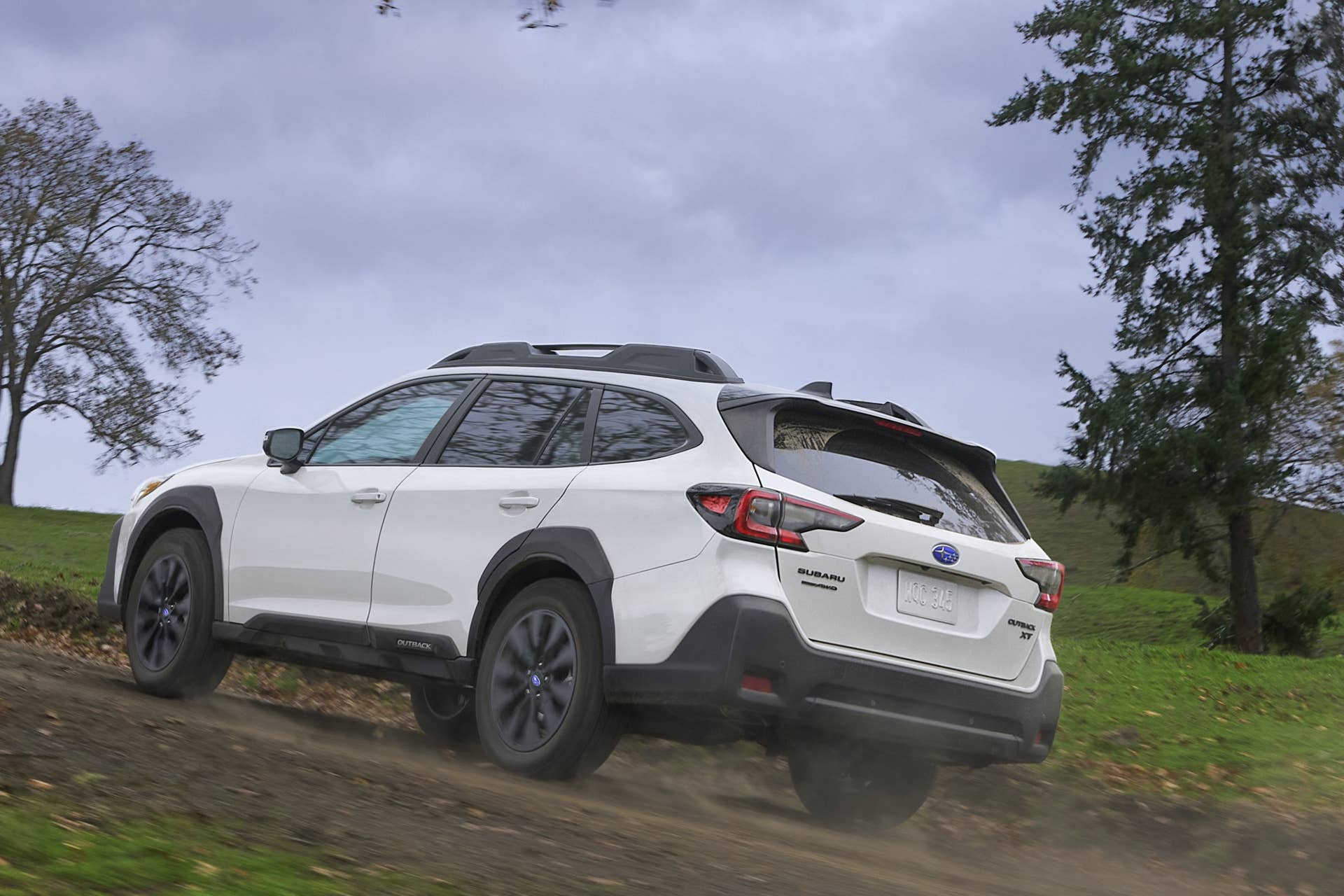
The 2017 Subaru maintenance schedule is a structured roadmap designed by the manufacturer to maximize vehicle longevity, preserve factory warranties, and ensure peak performance across models like the Outback, Forester, Impreza, Crosstrek, Legacy, and WRX. Following this interval checklist protects critical symmetrical all-wheel-drive systems and Boxer engines from premature wear.
Understanding the Philosophy Behind Subaru Factory Service Intervals
Subaru vehicles feature distinct engineering characteristics, notably the horizontally opposed Boxer engine and the symmetrical All-Wheel Drive (AWD) layout. These mechanical systems demand specific maintenance attention compared to traditional front-wheel-drive or rear-wheel-drive passenger cars. The factory-recommended service intervals are calibrated to catch minor fluid degradations, mechanical wear, and filter clogs before they cascade into major drivetrain failures.
When looking at the official Subaru maintenance schedule, services are typically broken down into mileage- or time-based intervals, whichever comes first. For the 2017 model year, standard maintenance intervals occur every 6,000 miles or 6 months, though certain heavy-duty replacement tasks stretch out to 30,000, 60,000, or 90,000 miles. Adhering to these milestones is vital not only for mechanical health but also for maintaining compliance with any extended or residual warranty agreements, as well as maximizing trade-in or resale value.
Normal Driving Conditions vs. Severe Driving Conditions
A common point of confusion for owners is determining whether their daily driving habits fall under normal or severe service categories. Subaru defines severe driving conditions quite broadly, meaning a significant percentage of drivers actually need to follow the accelerated maintenance timeline.
Severe conditions include:
- Repeated short trips of less than 5 miles in normal temperatures, or 10 miles in freezing temperatures.
- Driving in extremely dusty conditions, on rough, muddy, or salt-treated roads.
- Frequent idling or prolonged stop-and-go driving in heavy city traffic.
- Towing a trailer or carrying heavy loads on roof racks consistently.
If your driving habits match any of these criteria, fluids such as engine oil, differential oil, and transmission fluid must be changed much sooner than the standard mileage intervals dictate.
Breakdown of the 2017 Subaru Mileage and Time Milestones
To keep your 2017 Subaru operating reliably, you must execute specific checks and component swaps at designated intervals. The following breakdown covers the core milestones outlined in the official Subaru service manual.
Every 6,000 Miles or 6 Months
This is the foundational service interval for nearly all modern Subarus. Because the Boxer engine is known for consuming minor amounts of oil during normal operation, frequent oversight is required.
- Engine Oil and Filter Replacement: Replace the synthetic oil (typically 0W-20 for non-turbo engines or 5W-30 for turbocharged variants like the WRX) and the oil filter.
- Tire Rotation: Rotate the tires to promote even tread wear across all four corners, which is critical for protecting the AWD differential from binding due to rolling-diameter discrepancies.
- Inspect All Fluid Levels: Check and top off windshield washer fluid, coolant, brake fluid, and clutch fluid (if manual).
- General Safety Inspection: Inspect wiper blades, lights, steering operation, and brake pads.
Every 15,000 Miles or 15 Months
In addition to repeating the basic 6,000-mile services, the 15,000-mile mark introduces air filtration maintenance.
- Cabin Air Filter Replacement: The cabin air filter traps dust, pollen, and debris before air enters the climate control system. Clogged filters reduce HVAC efficiency and air volume.
- Inspect Brake Lines and Pads: Check the thickness of brake pads and examine flexible brake lines for cracking or swelling.
- Inspect Axle Boots and Joints: Ensure the CV (Constant Velocity) boot covers are intact and not leaking grease, which would lead to premature axle joint failure.
Every 30,000 Miles or 30 Months
The 30,000-mile service is a major maintenance milestone that requires comprehensive system checks and several component replacements.
- Engine Air Cleaner Element: Replace the engine air filter to maintain optimal airflow and fuel economy.
- Brake Fluid Flush: Brake fluid is hygroscopic, meaning it absorbs moisture from the air over time. Flushing the fluid every 30,000 miles prevents internal corrosion of the ABS module and brake calipers, ensuring a firm pedal feel.
- Fuel System Inspection: Inspect fuel lines, connections, and the fuel tank vapor vent system.
- Inspect Drive Belts: Check the serpentine belt and accessory belts for fraying, glazing, or cracking.
Every 60,000 Miles or 60 Months
At 60,000 miles, maintenance demands expand to cover heavy drivetrain components and ignition systems.
- Spark Plug Replacement: Replace standard spark plugs. For turbocharged models, spark plug replacement may be required even sooner depending on operating conditions. Accessing spark plugs on a Boxer engine requires patience due to tight clearance between the cylinder heads and the vehicle frame rails.
- Differential Gear Oil Inspection or Replacement: While some manuals list inspection, technicians frequently recommend changing front and rear differential fluid at this stage—especially for vehicles used in towing or severe weather.
- Inspect Clutch Operation: For manual transmission models, inspect the clutch disc and pedal free play.
Every 90,000 Miles and Beyond
Beyond 90,000 miles, maintenance becomes a matter of repeating foundational services while monitoring high-wear components.
- Timing System Check: While most 2017 Subaru engines (FB series and FA series) utilize a maintenance-free timing chain rather than a rubber timing belt, the chain guides, tensioners, and idler pulleys must be inspected for abnormal noise or wear around 90,000 to 100,000 miles.
- Coolant Flush: Replace the engine coolant to prevent scale buildup and maintain proper freezing and boiling points.
Comprehensive Maintenance Schedule Summary Table
The following table summarizes the recommended intervals for primary maintenance tasks on a 2017 Subaru under normal operating conditions.
| Mileage Interval | Time Interval | Core Maintenance Tasks | Critical Inspection Focus |
|---|---|---|---|
| 6,000 Miles | 6 Months | Oil & Filter Change, Tire Rotation | Fluid levels, wiper blades, lights |
| 15,000 Miles | 15 Months | Cabin Air Filter Replacement | Brake pads, axle boots, steering linkage |
| 30,000 Miles | 30 Months | Engine Air Filter, Brake Fluid Flush | Fuel lines, drive belts, exhaust system |
| 60,000 Miles | 60 Months | Spark Plug Replacement, Repeat 30k Services | Differential fluid, clutch, fuel filter |
| 90,000 Miles | 90 Months | Coolant Replacement, Repeat 30k Services | Timing chain tensioners, suspension bushings |
Special Considerations for 2017 Subaru Trims and Drivetrains
Not all 2017 Subaru models maintain identical maintenance requirements. Engine architecture and transmission choices introduce specific servicing nuances.
Naturally Aspirated vs. Turbocharged Engines (WRX and XT Trims)
Models equipped with turbocharged engines—such as the WRX, Forester XT, and older Legacy/Outback turbo variants—run at higher internal pressures and temperatures. Consequently, turbocharged 2017 Subarus demand strict adherence to high-quality synthetic oil changes (often shortened to every 3,750 miles under severe conditions) and earlier spark plug inspections. Neglecting oil changes on a turbo Subaru risks oil coking inside the turbocharger bearing housing, leading to catastrophic turbo failure.
CVT Transmission Maintenance
The 2017 Subaru lineup heavily relies on Lineartronic Continuously Variable Transmissions (CVTs). While Subaru historically marketed CVT fluid as "lifetime fluid" in certain regions, dealership technicians and long-term reliability studies strongly advise changing the CVT fluid every 60,000 miles, particularly if the vehicle experiences towing, mountain driving, or high-temperature environments. Using genuine Subaru CVT fluid is mandatory; putting generic automatic transmission fluid into a Lineartronic CVT will destroy the belt and pulleys.
Common Mistakes to Avoid When Servicing a 2017 Subaru
Vehicle owners often make preventable errors when attempting DIY maintenance or hiring third-party mechanics unfamiliar with Subaru engineering.
- Ignoring Oil Consumption: Boxer engines naturally consume small amounts of oil. Failing to check the dipstick between 6,000-mile oil changes can lead to severe engine damage from oil starvation. Check your oil level every time you refuel gas.
- Mismatched Tire Circumference: Because the Symmetrical AWD system constantly transfers power across all four wheels, installing a single new tire on a car with three worn tires creates rolling-diameter differences. This forces the central differential to work overtime, resulting in overheating and expensive mechanical failure. Always replace tires in sets of four, or have a tire shaved to match the remaining tread depth.
- Skipping Differential Fluid Changes: Owners frequently change engine oil and transmission fluid while completely forgetting that front, rear, and center differentials hold gear oil that breaks down over time.
- Using Incorrect Coolant: Subaru cooling systems require specific coolant formulations (traditionally Subaru Super Coolant). Mixing incompatible coolants can cause gelling and radiator clogging.
Frequently Asked Questions
What kind of oil does a 2017 Subaru take?
Most non-turbocharged 2017 Subaru models (such as the 2.0L and 2.5L engines) require 0W-20 full synthetic motor oil. Turbocharged models, such as the 2.0L turbo in the WRX, typically require 5W-30 full synthetic oil. Always verify the specific oil weight listed on your under-hood emissions label or owner's manual before performing an oil change.
Does the 2017 Subaru have a timing belt or timing chain?
Most 2017 Subaru engines use a steel timing chain rather than a rubber timing belt. Timing chains are designed to last the lifetime of the engine, provided the engine oil is changed regularly with clean oil of the correct viscosity. Contaminated oil can clog the chain tensioners and cause premature wear.
When should I change my Subaru CVT transmission fluid?
While factory manuals may list the fluid as lifetime under normal conditions, professional technicians recommend changing the Lineartronic CVT fluid every 60,000 miles. Fresh fluid prevents internal belt slip, valve body contamination, and premature transmission shudder.
How often should spark plugs be replaced on a 2017 Subaru?
Standard factory spark plugs in 2017 Subaru models should be replaced every 60,000 miles. Because the horizontally opposed Boxer layout positions the cylinder heads very close to the vehicle's frame rails, changing spark plugs requires specialized extensions and universal joints, making patience or professional assistance necessary.
Can I follow the "Normal" schedule if I drive in heavy city traffic?
No. Frequent stop-and-go city driving, excessive idling, and short trips under 5 miles fall squarely under Subaru's "Severe Driving Conditions" guidelines. Drivers operating under these conditions should cut their oil change and fluid inspection intervals in half to prevent accelerated wear.
Summary Recommendation
To maximize the lifespan of your 2017 Subaru, treat the factory maintenance schedule as a minimum baseline rather than an absolute ceiling. Check your engine oil level every other fuel fill-up, adhere strictly to synthetic oil change intervals, prioritize differential and CVT fluid changes at 60,000 miles, and always replace tires as a matched set of four to protect your symmetrical all-wheel-drive system.