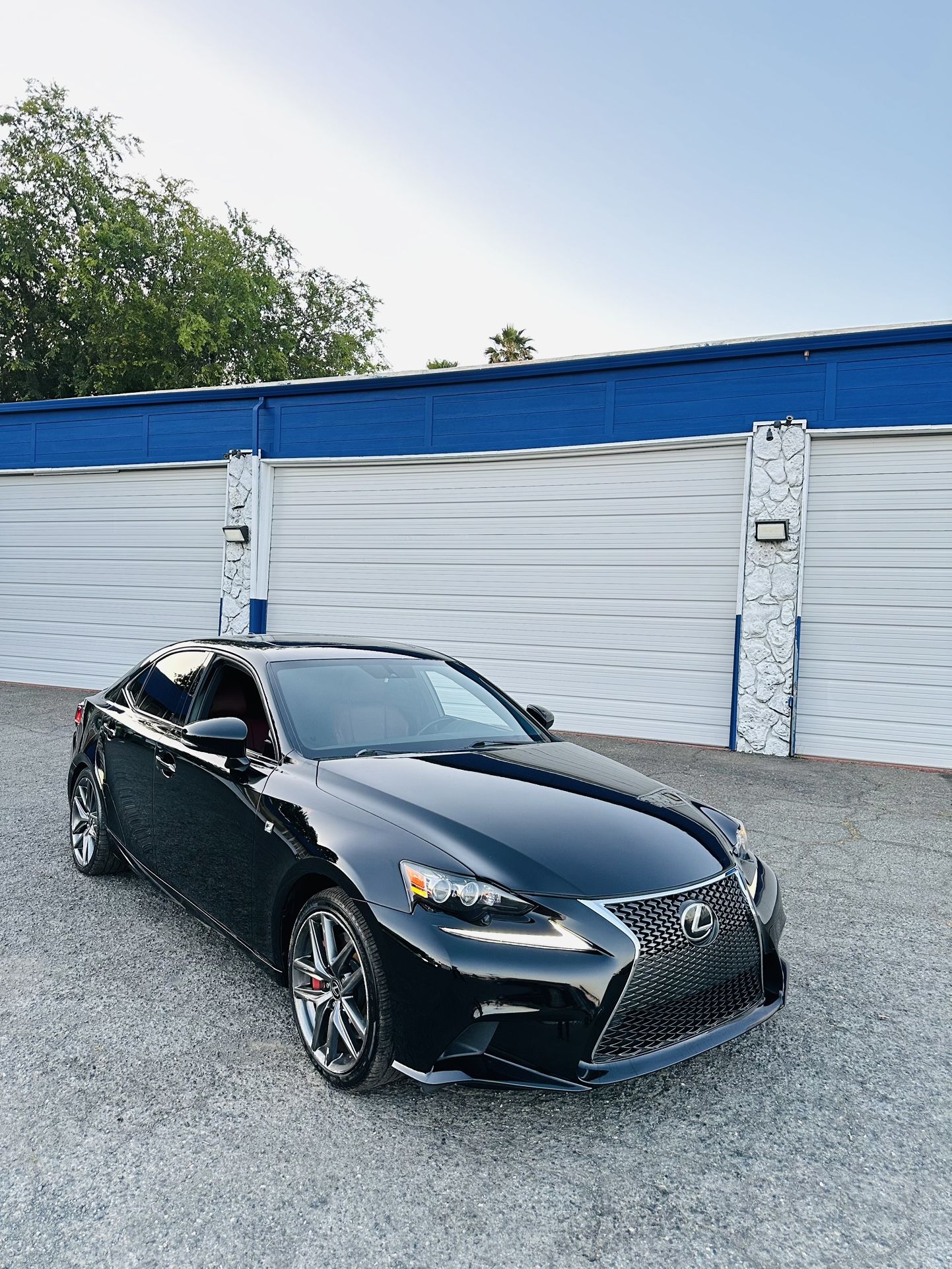
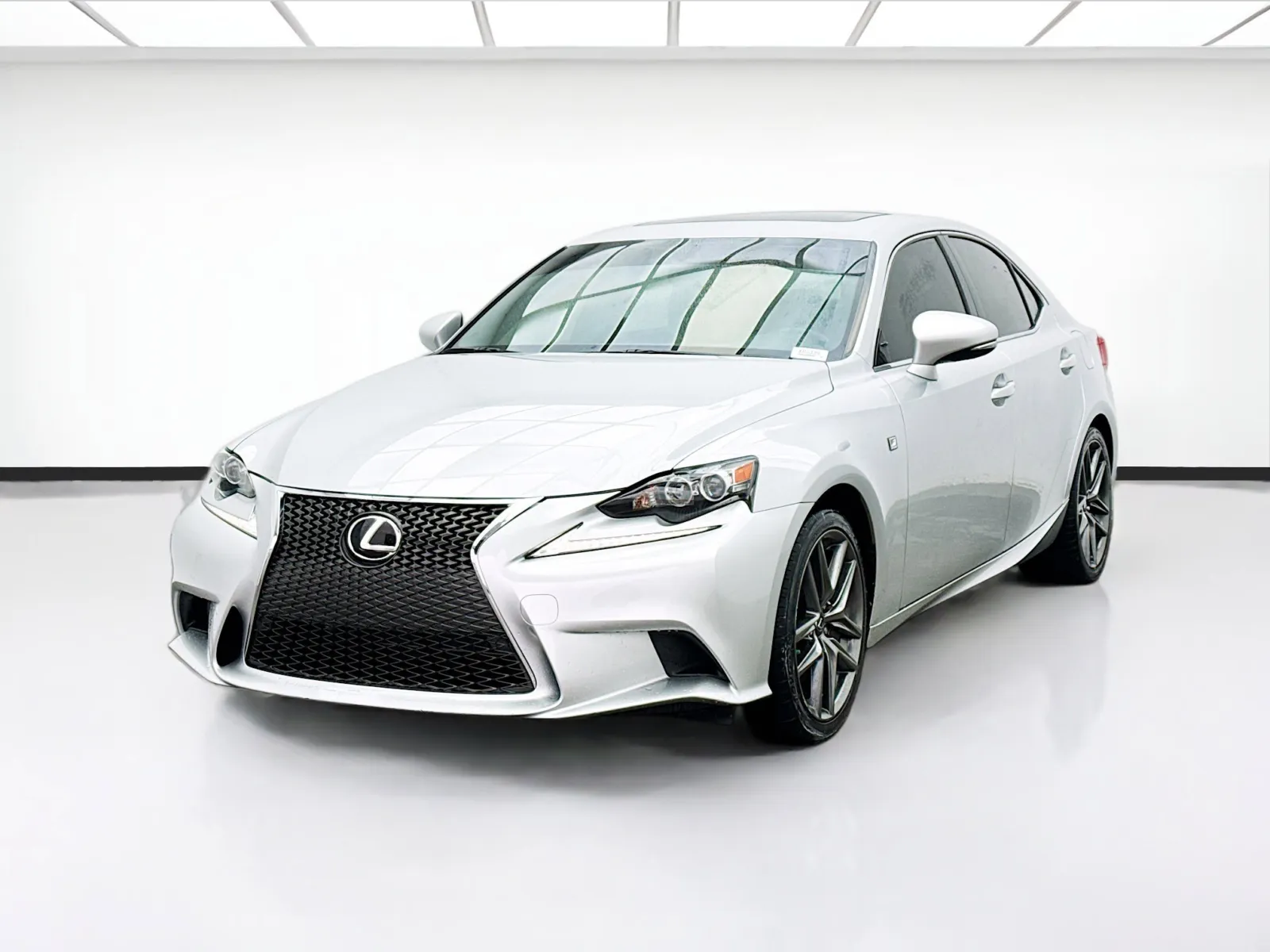
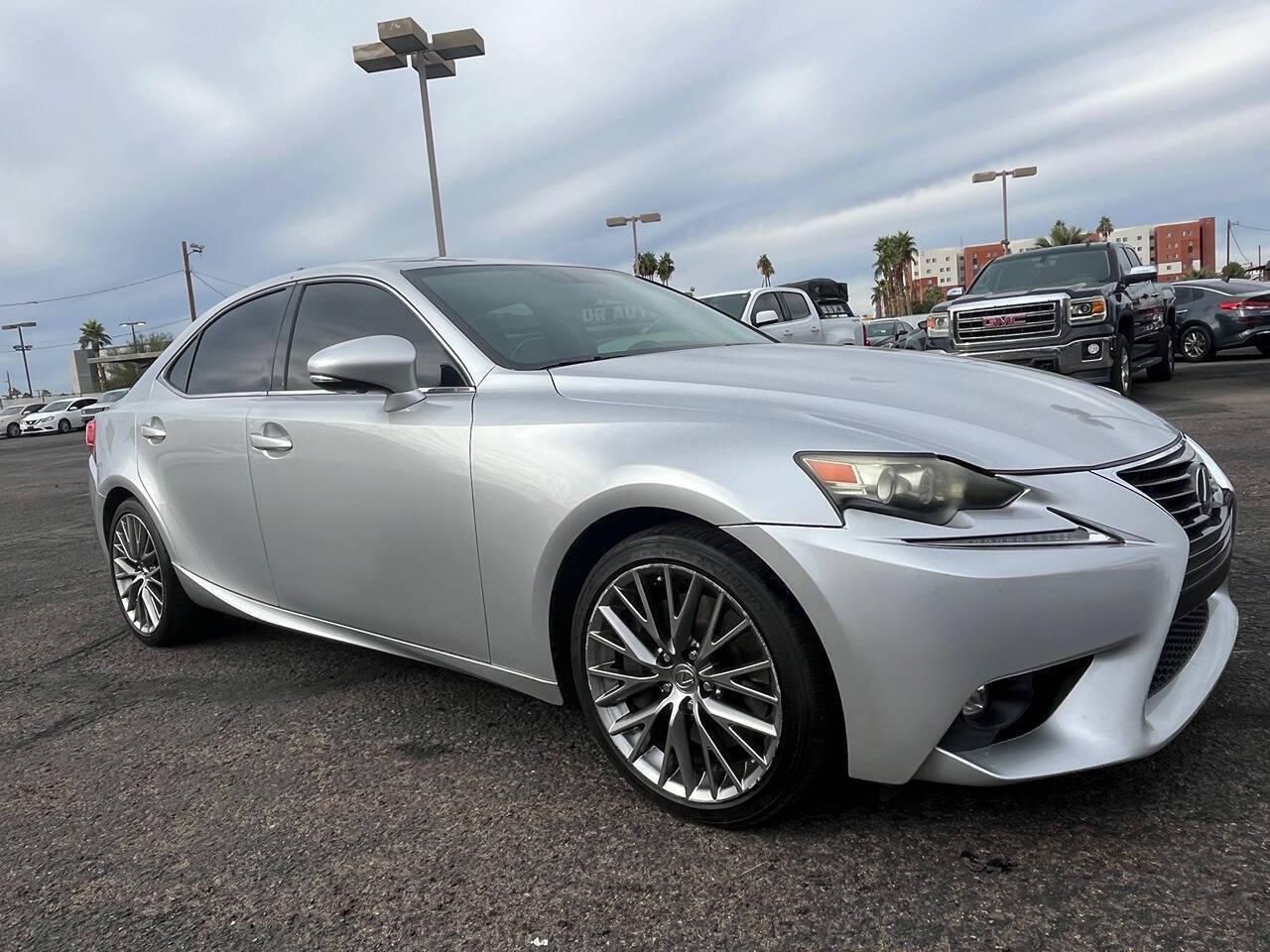
The 2016 Lexus IS 200t achieves an EPA-estimated fuel economy of 22 mpg in the city, 33 mpg on the highway, and 26 mpg combined. Equipped with a 2.0-liter turbocharged four-cylinder engine and an 8-speed automatic transmission, this luxury sedan requires premium unleaded gasoline to maintain its efficiency and performance standards.
The 2016 model year marked a significant transition for the Lexus IS lineup. By replacing the aging 2.5-liter V6 in the IS 250 with the more modern 2.0-liter turbocharged "200t" powerplant, Lexus aimed to provide a better balance of torque and fuel efficiency. In 2026, as these vehicles reach a decade of service, understanding the nuances of their fuel consumption—and how to maintain those figures—is vital for second- and third-hand owners looking to manage operating costs.
Technical Overview of the IS 200t Powertrain
To understand the 2016 Lexus IS 200t mpg ratings, one must first look at the technology under the hood. The engine, internally designated as the 8AR-FTS, was a major leap for Lexus. It features a twin-scroll turbocharger and the innovative D-4ST fuel injection system, which utilizes both direct and port injection.
This dual-injection approach is critical for fuel efficiency. Direct injection provides cooling within the combustion chamber, allowing for a higher compression ratio, while port injection helps keep the intake valves clean and improves fuel-air mixing at lower loads. This combination allows the IS 200t to produce 241 horsepower and 258 lb-ft of torque while maintaining a relatively high highway rating for a rear-wheel-drive luxury car of its era.
The transmission also plays a starring role. The IS 200t utilizes the 8-speed Sport Direct Shift (SPDS) automatic transmission, originally derived from the RC F performance coupe. This gearbox features a wide spread of ratios, with the top gears acting as deep overdrives to keep engine RPMs low during high-speed cruising, directly contributing to the 33 mpg highway rating.
Official EPA Ratings and Performance Data
The Environmental Protection Agency (EPA) provides standardized testing results that allow consumers to compare vehicles on a level playing field. For the 2016 Lexus IS 200t, the numbers reflect its positioning as a "junior" executive sedan.
| Metric | EPA Estimate |
|---|---|
| City MPG | 22 mpg |
| Highway MPG | 33 mpg |
| Combined MPG | 26 mpg |
| Fuel Tank Capacity | 17.4 Gallons |
| Estimated Range (Combined) | ~452 Miles |
| Required Fuel Type | Premium Unleaded (91 Octane+) |
| Engine Displacement | 2.0 Liters |
| Configuration | Inline-4 Turbocharged |
While these figures were competitive in 2016, they remain respectable in 2026 for a non-hybrid luxury vehicle. The 17.4-gallon fuel tank is particularly generous for this class, allowing for a theoretical range of over 500 miles on long highway trips if the driver adheres to the 33 mpg estimate.
Real-World Fuel Economy vs. Laboratory Estimates
In practical, daily use, many 2016 Lexus IS 200t owners report figures that deviate slightly from the EPA estimates. This discrepancy is often attributed to the nature of turbocharged engines. When the turbocharger is "on boost"—such as during rapid acceleration or steep climbs—the engine requires a richer fuel-to-air ratio to prevent knocking and manage heat. This can lead to a significant drop in city fuel economy if the driver has a "heavy foot."
Real-world data aggregators like Fuelly suggest that the average combined fuel economy for the 2016 IS 200t typically hovers between 23 and 25 mpg. Drivers who spend most of their time in stop-and-go traffic may see city figures dip into the 19–20 mpg range, whereas steady-state highway cruising at 65–70 mph often yields the promised 33 mpg.
The IS 200t also features several "Drive Mode Select" settings—Eco, Normal, and Sport.
- Eco Mode: This mode dulls throttle response and adjusts the climate control system to prioritize efficiency. It is the most effective way to reach the 22 mpg city rating.
- Sport Mode: This mode holds gears longer and increases throttle sensitivity. While it makes the car feel more responsive, frequent use of Sport mode is the primary culprit behind lower-than-expected fuel economy.
The Importance of Premium Fuel for Efficiency
One of the most common questions regarding the 2016 Lexus IS 200t mpg is whether premium fuel is truly necessary. Lexus explicitly requires 91 octane or higher for the 8AR-FTS engine.
Using lower-octane "Regular" (87 octane) fuel can lead to pre-ignition or "knocking." To prevent engine damage, the car’s Engine Control Unit (ECU) will retard ignition timing. This adjustment results in a noticeable loss of power and, crucially, a decrease in fuel efficiency. While the car may run on regular fuel in an emergency, the resulting drop in MPG often negates any savings found at the gas pump. In 2026, with sophisticated engine management systems, the car is smart enough to protect itself, but the long-term trade-off is increased carbon buildup and reduced engine life.
Maintenance Factors Affecting MPG in 2026
As these vehicles have aged over the last decade, specific maintenance items have become critical for preserving fuel economy. A 2016 Lexus IS 200t with 100,000 miles or more will not achieve its original MPG ratings if certain components are neglected.
1. Carbon Buildup and the D-4ST System
While the dual-injection system mitigates the severe carbon buildup issues seen in some "direct-injection-only" engines, the intake valves can still accumulate deposits over time. Heavy carbon buildup disrupts airflow and combustion efficiency. Professional walnut blasting or high-quality fuel system cleaners can help restore the original efficiency.
2. Spark Plug Replacement
Lexus recommends replacing the spark plugs every 60,000 miles for the turbocharged 2.0L engine. Worn spark plugs lead to incomplete combustion and misfires, which can drastically reduce fuel economy. By 2026, most 2016 models should be on their second or even third set of plugs.
3. Oxygen Sensors and Airflow Meters
The Mass Air Flow (MAF) sensor and Oxygen (O2) sensors monitor the air-to-fuel ratio. As these sensors age, they may become sluggish or coated in debris, causing the engine to run "rich" (using more fuel than necessary). Cleaning the MAF sensor is a simple DIY task that can yield immediate MPG improvements.
4. Tire Pressure and Rolling Resistance
The IS 200t, especially in F-Sport trim, often comes with staggered tire setups (wider tires in the rear). If tires are under-inflated, the increased rolling resistance can lower fuel economy by 1–3%. Furthermore, choosing "Grand Touring" tires instead of high-performance summer tires can provide a slight boost in highway MPG due to more efficient rubber compounds.
Comparison: IS 200t vs. Competitors
When the IS 200t was released, it competed directly with the BMW 328i, Audi A4, and Mercedes-Benz C300. How did its fuel economy stack up?
- BMW 328i (2016): The BMW utilized a 2.0L turbo as well, often achieving slightly better highway ratings (up to 35 mpg) due to a lighter chassis and aggressive transmission tuning.
- Audi A4 (2016): The A4's 2.0T was highly efficient, particularly in front-wheel-drive configurations, often matching or exceeding the Lexus in combined MPG.
- Lexus IS 200t: While the Lexus was sometimes criticized for being slightly heavier and thirstier than its German counterparts, it gained a reputation for long-term powertrain reliability, a factor that is highly valued by owners in 2026.
The 2016 Lexus IS 200t was essentially the "sweet spot" for those who wanted Lexus reliability without the higher fuel consumption of the IS 350’s 3.5-liter V6, which only managed 19 city / 28 highway mpg.
Troubleshooting Low MPG in a Used IS 200t
If you have recently purchased a used 2016 IS 200t and are seeing combined averages below 20 mpg, there are several diagnostic steps to take:
- Check for "Dragging" Brakes: Lexus IS models are known for occasional seizing of the rear brake slider pins. If a brake caliper is sticking, it creates constant friction that kills fuel economy.
- Air Filter Inspection: A clogged engine air filter restricts the engine's ability to "breathe," forcing the turbocharger to work harder and the ECU to adjust fuel trim unfavorably.
- Turbocharger Health: Ensure there are no leaks in the intercooler piping or the bypass valve. A boost leak causes the engine to run inefficiently as the MAF sensor calculates for air that never reaches the combustion chamber.
- Wheel Alignment: If the car is fighting its own alignment, fuel economy will suffer. The IS 200t is sensitive to toe-in settings, which can also cause premature tire wear.
FAQs About 2016 Lexus IS 200t Fuel Economy
Is the 2016 Lexus IS 200t good on gas?
Compared to modern hybrids, it is average, but for a 2016 luxury sedan, it is quite competitive. Its 33 mpg highway rating makes it an excellent choice for long-distance commuters who prefer a premium interior and a smooth ride. However, in heavy city traffic, the 22 mpg rating is easily surpassed by modern subcompacts and hybrids.
Does the IS 200t require Premium gas?
Yes, premium fuel (91 octane or higher) is required. The engine’s high-compression, turbocharged design relies on the knock-resistance of higher octane fuel to operate safely and efficiently. Using lower grades will result in decreased fuel economy and reduced engine performance.
How does the MPG compare to the IS 300 and IS 350?
The IS 200t is the most efficient non-hybrid IS model of its year. The IS 300 AWD and IS 350 (RWD/AWD) both use 3.5L V6 engines. The IS 350 RWD gets 19 city / 28 highway, while the IS 300 AWD gets 19 city / 26 highway. The IS 200t offers a significant 5-mpg advantage on the highway over its V6 siblings.
Does Eco Mode actually save fuel in the IS 200t?
Yes, Eco Mode can improve fuel economy by 5–10% in city driving. It achieves this by remapping the throttle to prevent aggressive acceleration and reducing the energy load of the HVAC system. It is less effective on the highway, where aerodynamic drag and steady speeds are the primary factors.
What is the average range on a full tank?
With a 17.4-gallon tank, you can expect a range of approximately 380–420 miles in mixed driving. On a pure highway trip, it is possible to exceed 500 miles on a single tank, provided you maintain a steady speed and avoid aggressive overtaking.
Final Recommendations for Owners
To maximize the 2016 Lexus IS 200t mpg, focus on consistent maintenance and mindful driving habits. As the vehicle ages into 2026, the primary threats to its efficiency are sensor degradation and carbon accumulation.
For the best results, use high-quality synthetic 0W-20 oil, replace the engine air filter annually, and ensure you are using Top Tier™ premium gasoline to keep the fuel system clean. If you are shopping for one of these vehicles today, look for a service history that includes 60,000-mile spark plug intervals, as this is a key indicator of an owner who has maintained the car’s efficiency. The IS 200t remains a compelling choice for those seeking a stylish, reliable, and relatively fuel-efficient luxury sedan that holds its own even a decade after its release.