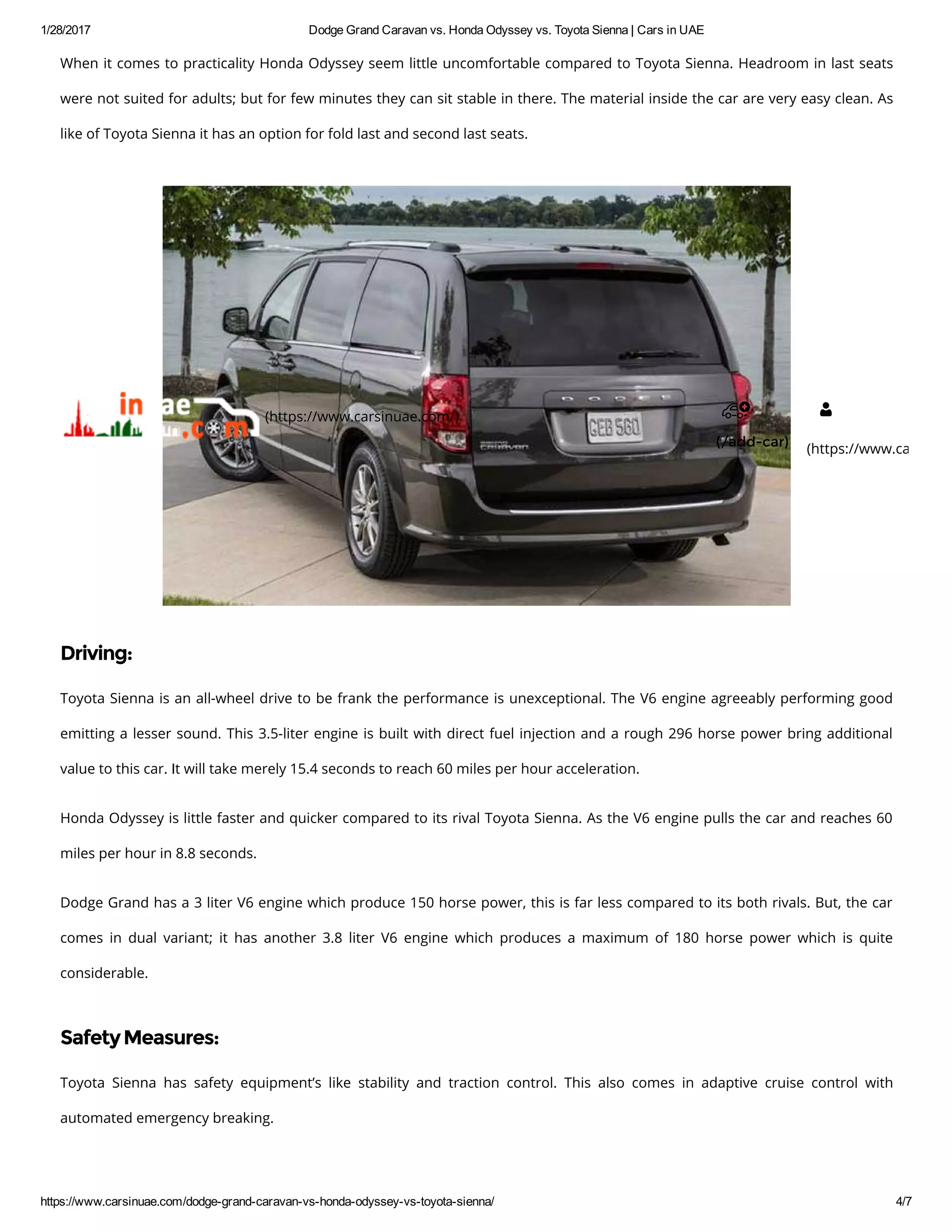
The 2016 Dodge Grand Caravan offers a blend of middling reliability and high utility, characterized by a robust Pentastar V6 engine often overshadowed by recurring transmission shifts and electrical glitches. While it remains a budget-friendly used minivan in 2026, owners must prioritize rigorous cooling system and transmission maintenance to mitigate its statistically higher-than-average frequency of mechanical repairs.
The RT Platform in Retrospect: A Decade of Service
By 2026, the 2016 Dodge Grand Caravan has reached a decade of service life, providing a substantial data set for assessing its long-term viability. Built on the aging but proven RT platform, this model year represents one of the final iterations of the fifth-generation Caravan. In the automotive world, the penultimate years of a long production run typically benefit from "ironed out" bugs, yet the 2016 model remains a case study in both engineering triumphs and cost-cutting compromises.
Historically, the Grand Caravan was designed to dominate the value segment of the minivan market. This focus on affordability influenced the selection of interior materials and certain mechanical components. Data from the National Highway Traffic Safety Administration (NHTSA) and long-term owner surveys indicate that while the core structural components are durable, the "peripheral" systems—such as the sliding door actuators, braking components, and thermal management systems—show higher wear rates than competitors like the Toyota Sienna or Honda Odyssey.
The 3.6L Pentastar V6: Reliability and Known Faults
The heart of the 2016 Grand Caravan is the 3.6-liter Pentastar V6 engine. In 2026, this engine is regarded as one of Chrysler’s most successful powerplants, known for its decent power-to-weight ratio and general longevity. However, it is not without specific, well-documented flaws that manifest as the vehicle crosses the 100,000-mile threshold.
The Oil Filter Housing Leak
Perhaps the most frequent issue reported by 2016 owners involves the oil filter adapter housing. Constructed primarily of plastic and situated in the "valley" of the engine, this component is subject to extreme heat cycles. Over time, the plastic warps or cracks, and the O-rings fail, leading to oil pooling on top of the engine or leaking down onto the transmission. By 2026, many owners have opted for aftermarket aluminum replacements to permanently resolve this design flaw.
Cylinder Head and Valvetrain Issues
While the major "cylinder head ticking" issues that plagued earlier (2011–2013) Pentastar engines were largely addressed by 2016, some units still experience premature wear of the rocker arms (cam followers). If a "ticking" sound develops, it is critical to address it immediately; failure to replace a failing rocker arm can result in the needle bearings scoring the camshaft, leading to a much more expensive repair.
The 62TE Transmission: Performance and Longevity Data
The 6-speed 62TE automatic transmission is the primary point of contention in 2016 Grand Caravan reliability assessments. As these vehicles age into 2026, transmission health becomes the deciding factor in whether the vehicle remains on the road or is relegated to the salvage yard.
Hard Shifting and "Limp Mode"
A common complaint among owners is "harsh" shifting, particularly between lower gears. This is often attributed to the transmission’s electronic control logic rather than internal mechanical failure, though the two are linked. The 62TE is prone to entering "Limp Mode"—where the vehicle stays in second or third gear to protect the internals—due to sensor failures or solenoid pack malfunctions.
Maintenance as a Lifeline
Reliability data suggests that the 62TE transmission is highly sensitive to fluid quality. While the original service manuals suggested long intervals for fluid changes, 2026-era mechanical consensus dictates a fluid and filter change every 30,000 to 50,000 miles. Vehicles that have adhered to this strict maintenance schedule show significantly fewer instances of torque converter failure and internal clutch wear.
Electrical Systems and the TIPM Challenge
The Totally Integrated Power Module (TIPM) is the "brain" of the vehicle's electrical system, housing the fuses, relays, and circuit boards. In the 2016 model, the TIPM remains a potential failure point.
When a TIPM begins to fail, the symptoms can appear erratic and unrelated:
- The fuel pump may fail to engage (or stay engaged after the engine is off).
- Windshield wipers may activate spontaneously.
- The horn may honk or the alarm may trigger without input.
- Power locks and windows may become unresponsive.
Repairing a TIPM is often costly, involving either a total replacement or specialized circuit board repair. For 2026 owners, verifying the health of the electrical system is a prerequisite for long-term reliability, as these issues can lead to intermittent stalling, which poses a safety risk.
Braking and Suspension: High-Wear Components
The Grand Caravan is a heavy vehicle, often used for hauling families and cargo. This weight puts immense stress on the braking system and suspension components.
Premature Brake Wear
One of the most persistent data points in reliability assessments is the short lifespan of brake pads and rotors. Owners frequently report warped rotors within 20,000 miles of replacement. To combat this, many long-term owners have switched to high-quality ceramic pads and vented rotors. The 2016 model did benefit from the "Heavy Duty" braking package as standard equipment on most trims, which used larger calipers and rotors, but the high wear rate remains a characteristic of the platform.
Rear Suspension Sag
As a minivan designed for utility, the rear leaf springs (or coil setups in some configurations) can sag over time if the vehicle is frequently loaded to its maximum capacity. In 2026, it is common to see 2016 models requiring new rear shocks or "load-leveling" shocks to restore original ride height and handling stability.
Safety Ratings and Structural Integrity
Reliability is not just about mechanical uptime; it is also about the vehicle's ability to protect its occupants over time. The 2016 Grand Caravan holds a four-star overall safety rating from the NHTSA.
However, the Insurance Institute for Highway Safety (IIHS) issued a "Poor" rating in the small overlap front crash test. From a 2026 perspective, this is a significant consideration for families. While the vehicle's side-impact and roof strength ratings are "Good," the structural design of the front clip is dated compared to vehicles engineered after 2018.
Comparing 2016 Maintenance Costs and Reliability
To understand where the 2016 Dodge Grand Caravan stands in the 2026 used market, it is helpful to compare common repair costs and frequencies against industry averages.
| Component Group | Common Issues (2016 Model) | Estimated Repair Cost (2026 USD) | Reliability Frequency |
|---|---|---|---|
| Engine | Oil filter housing leak, Rocker arms | $600 – $1,200 | Moderate |
| Transmission | Solenoid pack, Torque converter | $800 – $3,500 | High |
| Electrical | TIPM failure, Sliding door wiring | $500 – $1,500 | Moderate |
| Brakes | Rotor warping, Caliper sticking | $400 – $800 | Very High |
| Cooling | Plastic Y-pipe failure, Radiator leaks | $200 – $700 | Moderate |
| Interior | Stow 'n Go latch breakage | $100 – $300 | Low |
Ownership in 2026: Practical Expert Guidance
If you are currently operating or considering a 2016 Dodge Grand Caravan in 2026, reliability is largely a product of proactive intervention.
- Thermal Management: The plastic "Y-pipes" in the heater hoses are notorious for cracking. Replace these with aluminum versions before they fail and cause an engine-destroying overheat.
- Transmission Care: Ensure the 62TE fluid is clean. If the vehicle has 120,000 miles and the fluid has never been changed, consult a specialist, as a "flush" on a neglected transmission can sometimes do more harm than good.
- Sliding Door Maintenance: The power sliding doors use a "wiring harness track" that flexes every time the door opens. Lubricate the tracks and check the harness for frayed wires to prevent the doors from getting stuck.
- Corrosion Check: Depending on your geographic location, the rear AC lines (which run under the passenger side of the vehicle) are prone to corrosion. If the AC stops blowing cold, this is the first place to check for leaks.
FAQ: 2016 Dodge Grand Caravan Reliability
Is the 2016 Dodge Grand Caravan a good car for high mileage?
The 2016 model can reach 200,000 miles, but it typically requires more "mid-life" repairs than its Japanese competitors. The engine is capable of high mileage, but the transmission and cooling system components often require replacement or major service around the 130,000-mile mark.
Does the 2016 Dodge Grand Caravan have a transmission recall?
While there have been various recalls for Chrysler transmissions over the years, the 2016 62TE transmission is not currently under a universal recall for mechanical failure. Most issues are addressed via Technical Service Bulletins (TSBs) or out-of-pocket repairs. Always check the NHTSA Recalls database using your specific VIN.
Why is my 2016 Dodge Grand Caravan shifting hard?
Hard shifting is usually caused by a faulty transmission solenoid pack, old fluid, or an out-of-date Transmission Control Module (TCM) software version. In some cases, it may be "clutch volume index" issues that require a professional scan tool to "relearn" the transmission's shifting patterns.
How many miles will a 2016 Dodge Grand Caravan last?
With meticulous maintenance, 250,000 miles is achievable. However, without proactive cooling and transmission care, many units experience "total loss" mechanical failures (where repair costs exceed vehicle value) between 160,000 and 180,000 miles.
Are there common engine problems with the 2016 model?
The most common problems are the plastic oil filter housing leaks and occasional cooling system leaks. Compared to the 2011–2013 models, the 2016 engine is significantly more reliable regarding the cylinder heads and valvetrain.
Final Recommendation
The 2016 Dodge Grand Caravan remains a viable utility vehicle in 2026 for those who prioritize a low purchase price and parts availability over cutting-edge safety and "set-it-and-forget-it" reliability. Its assessment reveals a vehicle that is mechanically honest: it will serve you well if you address its cooling and transmission needs before they become emergencies, but it will likely frustrate owners who neglect scheduled maintenance. For those seeking the most reliable version, look for models with documented transmission services and updated aluminum engine components.