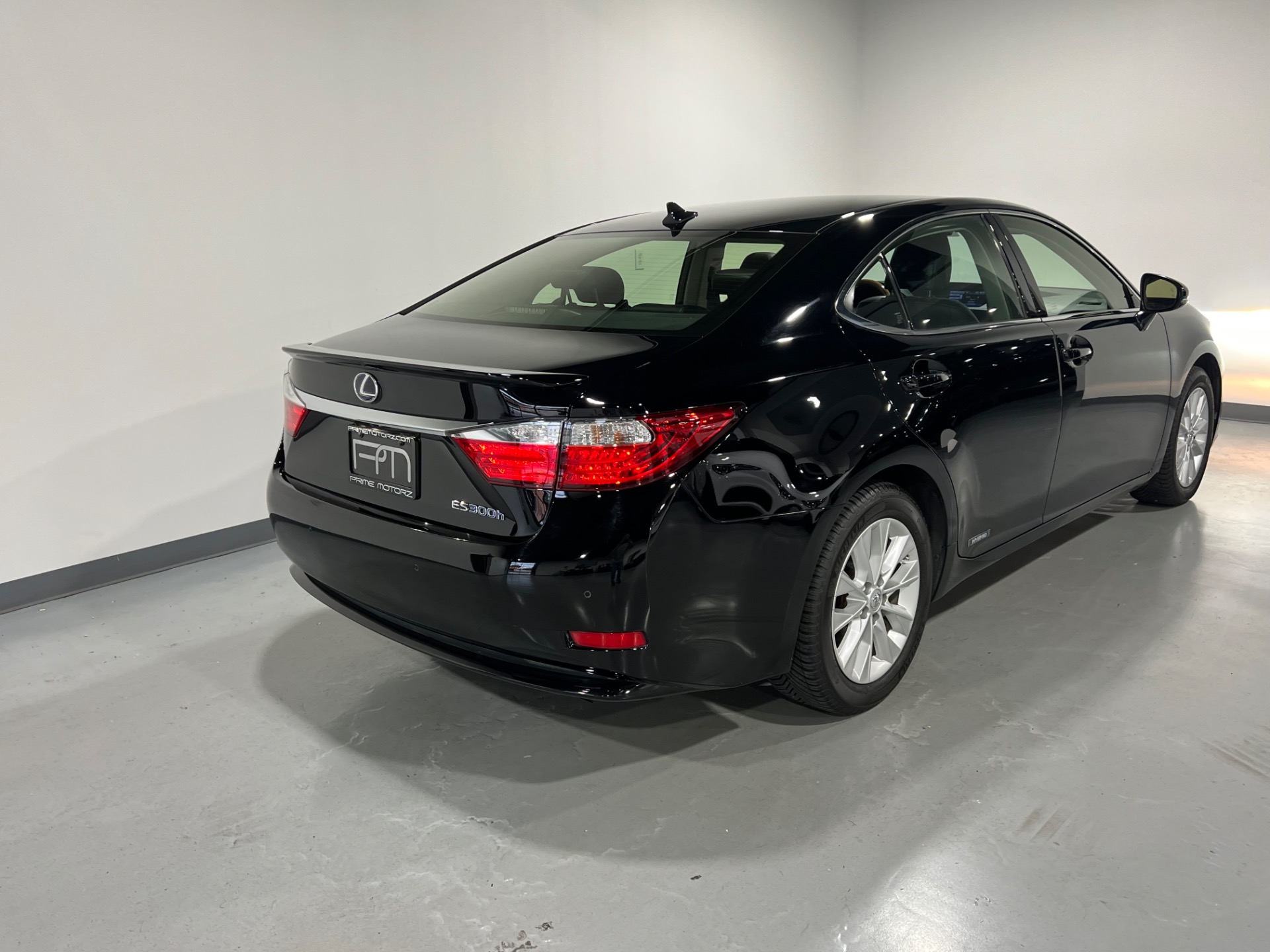
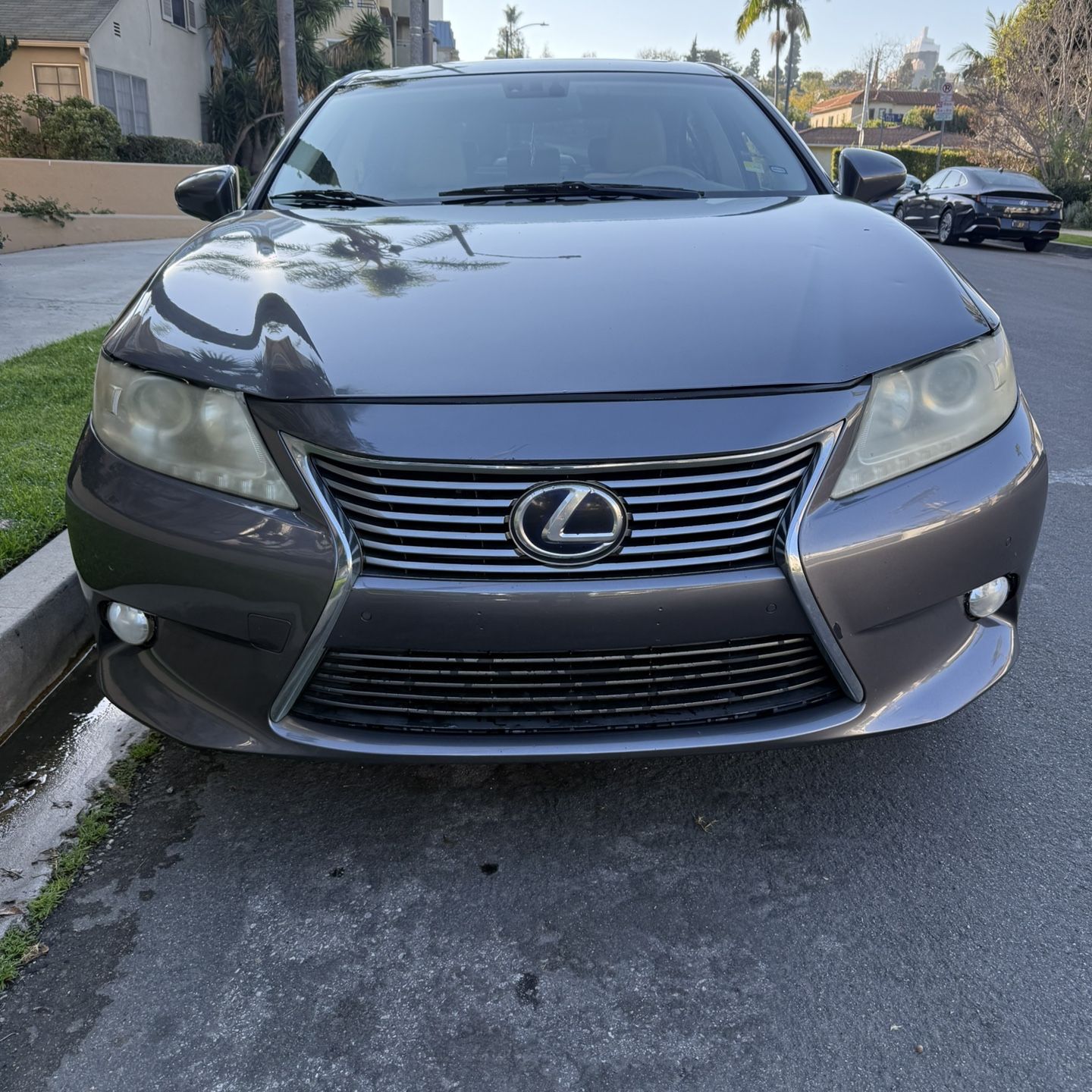
The 2013 Lexus ES 300h hybrid achieves an EPA-estimated fuel economy of 40 mpg in the city, 39 mpg on the highway, and a combined rating of 40 mpg. These figures represented a significant milestone for the Lexus ES lineage, marking the first time the luxury sedan was offered with a hybrid powertrain, effectively doubling the city efficiency of its V6 counterpart.
As we look at the 2013 Lexus ES 300h from the perspective of 2026, this vehicle remains a benchmark for luxury hybrid efficiency in the used car market. While newer models have pushed the boundaries of fuel economy even further, the 2013 ES 300h established the blueprint for a "no-compromise" executive sedan that prioritizes fuel savings without sacrificing the hallmark "L-finesse" comfort. Understanding how this vehicle achieves these numbers—and how they hold up after more than a decade on the road—requires a deep dive into its engineering, driving dynamics, and the real-world factors that influence its efficiency.
The Engineering Foundation: Lexus Hybrid Drive
The primary reason the 2013 Lexus ES 300h achieved its class-leading fuel economy at launch is the Lexus Hybrid Drive system. This is a "full hybrid" system, meaning the car can operate on the electric motor alone, the gasoline engine alone, or a combination of both.
The Atkinson-Cycle Engine
At the heart of the ES 300h is a 2.5-liter four-cylinder engine. Unlike the standard internal combustion engines found in the ES 350, this engine utilizes the Atkinson cycle. In a traditional Otto cycle engine, the intake valve closes shortly after the piston begins its upward stroke. In an Atkinson cycle, the intake valve stays open longer, allowing some of the air-fuel mixture to push back into the intake manifold. This reduces the effective compression stroke but allows for a longer expansion stroke, extracting more energy from the combustion process. While this typically results in lower low-end torque, the electric motor in the hybrid system compensates for that deficit, resulting in a highly efficient power delivery system.
The Electronic Continuously Variable Transmission (eCVT)
To manage the power flow between the engine and the wheels, Lexus utilized an eCVT. Unlike a traditional belt-and-pulley CVT, the Lexus system uses a planetary gearset that acts as a power-split device. This allows the engine to stay in its most efficient RPM range regardless of vehicle speed. By constantly adjusting the ratio, the system ensures that the engine is never working harder than necessary, which is a critical factor in maintaining high MPG figures during varying driving conditions.
EPA Ratings vs. Real-World Performance
When the 2013 Lexus ES 300h was released, its 40/39/40 MPG rating was startling for a mid-size luxury car. However, fuel economy is never a static number. Various environmental and behavioral factors can cause these numbers to fluctuate.
City vs. Highway Efficiency
Most non-hybrid vehicles are more efficient on the highway because they can maintain a steady, low-RPM cruise in a high gear. Hybrids, including the ES 300h, flip this logic. The ES 300h is slightly more efficient in the city (40 mpg) than on the highway (39 mpg). This is due to the regenerative braking system, which captures kinetic energy during deceleration and stores it in the 244.8-volt Nickel-Metal Hydride (NiMH) battery pack. In stop-and-go traffic, the electric motor handles much of the low-speed crawling and initial acceleration, which are the most fuel-intensive parts of driving a traditional car.
Environmental Impact on MPG
In 2026, long-term owners have noted that the 2013 ES 300h is sensitive to climate.
- Cold Weather: During winter months, the engine must run more frequently to generate heat for the cabin and to bring the battery up to its optimal operating temperature. This can drop real-world fuel economy into the low 30s.
- Air Conditioning: Heavy use of the electric compressor for AC also draws from the battery, though its impact is less severe than the heater's impact.
- Tire Choice: The original equipment tires were low-rolling-resistance (LRR) models. Replacing these with high-performance summer tires or heavy all-season tires can result in a 2–4 MPG penalty.
Drive Modes and Their Influence on Efficiency
The 2013 Lexus ES 300h features a Drive Mode Select dial that allows the driver to prioritize different aspects of the vehicle's performance. Understanding these modes is essential for any driver looking to maximize their fuel economy.
1. EV Mode
In EV (Electric Vehicle) mode, the ES 300h can drive for short distances—usually up to a mile—at low speeds (under 25 mph) using only electric power. This is ideal for navigating parking garages or residential neighborhoods late at night. However, it requires a sufficient battery charge and is automatically disabled if the throttle is pressed too firmly or if the battery level drops.
2. Eco Mode
Eco Mode is the primary tool for maximizing fuel economy. It modifies the throttle response so that even if the driver is aggressive with the pedal, the system delivers power more gradually. Additionally, it optimizes the climate control system to reduce the load on the engine. In 2026, this mode remains the preferred setting for commuters looking to reach that 40 MPG threshold.
3. Sport Mode
Sport Mode changes the instrument cluster's hybrid power meter into a tachometer and provides a more immediate throttle response. It also alters the electronic power steering feel. While it makes the car feel more spirited, it discourages the engine from shutting off as frequently, which significantly reduces fuel efficiency.
4. Normal Mode
Normal Mode provides a balance between the two, providing a linear throttle response that feels natural to most drivers while still allowing the hybrid system to operate autonomously for maximum efficiency.
Comparison of 2013 Fuel Economy: ES 300h vs. Competitors
To understand the value proposition of the 2013 Lexus ES 300h, it is helpful to compare it to other vehicles available in the same era.
| Vehicle Model | City MPG | Highway MPG | Combined MPG | Fuel Type |
|---|---|---|---|---|
| 2013 Lexus ES 300h | 40 | 39 | 40 | Regular Gasoline |
| 2013 Lexus ES 350 | 21 | 31 | 24 | Regular Gasoline |
| 2013 Toyota Avalon Hybrid | 40 | 39 | 40 | Regular Gasoline |
| 2013 Lincoln MKZ Hybrid | 45* | 45* | 45* | Regular Gasoline |
| 2013 Buick LaCrosse (eAssist) | 25 | 36 | 29 | Regular Gasoline |
*Note: The 2013 Lincoln MKZ Hybrid initially claimed 45 MPG but was later revised by the EPA to lower figures following real-world testing discrepancies. The Lexus/Toyota ratings remained consistent and reliable.
As the table demonstrates, the ES 300h offered a massive 66% improvement in combined fuel economy over its V6 sibling, the ES 350. Compared to the Buick LaCrosse with eAssist (a "mild hybrid"), the Lexus provided far superior city efficiency.
The 2026 Perspective: Long-Term Battery Health and Efficiency
As of 2026, a 2013 Lexus ES 300h is thirteen years old. For prospective buyers or current owners, the question of whether the car still achieves its original fuel economy depends largely on the Hybrid Battery Pack.
Battery Degradation
The Nickel-Metal Hydride (NiMH) batteries used in the 2013 model are known for their longevity. However, like all batteries, they lose capacity over time. A degraded battery cannot store as much energy from regenerative braking, which forces the gasoline engine to run more often to keep the battery charged. This can lead to a gradual decline in MPG. Owners in 2026 should check if the hybrid battery has been replaced or serviced. A healthy battery should still allow the car to reach high 30s in MPG.
Maintenance for Maximum MPG
To maintain the 40 MPG rating in an older ES 300h, several maintenance items are critical:
- Hybrid Cooling Fan: The battery is air-cooled via an intake vent usually located near the rear seat. If this vent or the fan becomes clogged with dust or pet hair, the battery runs hot, reducing efficiency and lifespan.
- Low Rolling Resistance Tires: Ensure the car is fitted with tires designed for hybrids.
- Spark Plugs and Oxygen Sensors: Standard internal combustion maintenance is still required. Worn spark plugs can lead to incomplete combustion, which lowers fuel economy.
Practical Tips for Achieving 40+ MPG
Even with a perfectly maintained 2013 Lexus ES 300h, reaching the EPA estimates requires specific driving habits.
- Pulse and Glide: This technique involves accelerating up to speed (the pulse) and then lifting off the throttle slightly to encourage the gasoline engine to shut down, allowing the car to maintain speed using the electric motor (the glide).
- Anticipatory Braking: Instead of braking hard at the last second, gradual braking allows the electric motor to act as a generator for a longer period, capturing more energy for the battery.
- Monitor the Energy Monitor: The ES 300h features a display that shows the flow of energy between the engine, battery, and wheels. Using this feedback can help a driver understand exactly when the engine is working and adjust their foot pressure accordingly.
- Manage Highway Speeds: Wind resistance increases exponentially with speed. While the ES 300h is rated for 39 MPG on the highway, driving at 75-80 mph will likely result in figures closer to 34-35 MPG. Keeping the speed at 65 mph is the key to hitting the 39+ MPG mark.
Summary of the 2013 Lexus ES 300h Value
The 2013 Lexus ES 300h was a pioneer for the brand, proving that a luxury vehicle could be both opulent and exceptionally efficient. In the 2026 used car market, it remains a highly sought-after model for those who want the reliability of a Lexus with the fuel costs of a compact economy car. While it lacks the advanced plug-in capabilities or the massive infotainment screens of 2026 models, its core mission—delivering 40 MPG in a quiet, leather-trimmed cabin—remains as relevant today as it was at its debut.
For those considering a purchase, the focus should be on the maintenance history and the state of the hybrid battery. If those are in good standing, the 2013 ES 300h continues to offer one of the best balances of fuel economy and luxury available for the price.
Frequently Asked Questions
Does the 2013 Lexus ES 300h require premium fuel to get 40 MPG? No, the 2013 Lexus ES 300h is designed to run on 87-octane regular unleaded gasoline. Using premium fuel does not significantly improve fuel economy or performance for this specific Atkinson-cycle engine, as the system is tuned for efficiency on standard fuel grades.
How long does the hybrid battery typically last in the 2013 ES 300h? Most Lexus hybrid batteries are designed to last between 150,000 and 200,000 miles, or roughly 10 to 15 years. By 2026, many original batteries may be approaching the end of their optimal life. Replacing the battery with a refurbished or new unit can restore the vehicle to its original factory fuel economy.
What is the "B" position on the gear shifter, and does it help fuel economy? The "B" position stands for Engine Braking. It is intended for use when descending long, steep grades to prevent the mechanical brakes from overheating. While it does use the motor-generators to slow the car, it actually forces the engine to spin to dissipate energy, which can sometimes be less efficient for fuel economy than letting the regenerative braking system handle the task in the "D" (Drive) position.
Can I still get 40 MPG if I drive mostly on the highway? It is possible, but difficult. The highway rating is 39 MPG, and this was achieved under EPA test conditions which usually involve speeds around 55-60 mph. If your highway commute involves speeds of 70 mph or higher, you are more likely to see real-world averages between 35 and 37 MPG due to increased aerodynamic drag.
How does the ES 300h fuel economy compare to a 2013 ES 350? The ES 350 uses a 3.5L V6 engine and gets an EPA-estimated 21 city / 31 highway MPG. The ES 300h offers a nearly 100% improvement in city fuel economy and a roughly 25% improvement on the highway. Over the course of a year, the fuel savings for a typical driver (15,000 miles) can be substantial, often exceeding $1,000 depending on local gas prices.
Final Recommendation
If you are looking for a reliable, fuel-efficient luxury sedan in 2026, the 2013 Lexus ES 300h is an excellent choice. Prioritize vehicles with a documented history of hybrid system health checks and ensure the cooling fan for the battery has been kept clean. If the real-world MPG has dipped below 35, consider a professional battery cell balance or replacement to regain the vehicle's legendary 40 MPG efficiency.