The 2012 Nissan Versa frequently experiences significant mechanical issues, most notably premature failure of the Continuously Variable Transmission (CVT), which can lead to hesitating, jerking, or total power loss. Other common concerns include broken front coil springs, faulty ignition switches, and multiple safety recalls involving Takata airbags and fuel system components.
The 2012 Nissan Versa occupies a unique position in the used car market. As of 2026, many of these vehicles have reached high mileage, revealing the long-term durability—or lack thereof—of Nissan's budget-friendly subcompact. While the Versa was praised for its spacious interior and low entry price when new, it has since become synonymous with specific mechanical failures that owners must navigate. Understanding these problems is essential for current owners looking to maintain their vehicles and for used car shoppers evaluating the risk of a purchase.
The CVT Transmission Crisis: Causes and Symptoms
The most pervasive and expensive issue affecting the 2012 Nissan Versa involves the JATCO-sourced Continuously Variable Transmission (CVT). Unlike a traditional automatic transmission that uses gears, the CVT uses a belt and pulley system to provide a seamless range of gear ratios. While this design is intended to improve fuel efficiency, the units installed in the 2012 Versa have a well-documented history of premature failure.
Common CVT Symptoms
Owners typically report several "red flag" behaviors before a total transmission failure occurs:
- Juddering and Shaking: Often described as a "shudder" or "vibration" when accelerating from a stop. This is usually caused by internal belt slippage or hydraulic pressure issues.
- Whining Noises: A high-pitched whine that increases in volume with engine RPMs often indicates that the transmission is overheating or that the internal bearings are failing.
- Limp Mode: The vehicle’s computer may restrict engine power to protect the drivetrain if it detects a transmission fault. This results in a sudden inability to accelerate past 30 or 40 mph.
- Delayed Engagement: A noticeable pause when shifting from Park to Drive or Reverse is a sign of internal pressure loss.
The Mechanics of Failure
The 2012 Versa's CVT failure is often rooted in excessive heat. The transmission fluid breaks down faster than anticipated under high-stress conditions, such as stop-and-go traffic or steep inclines. Once the fluid loses its lubricating properties, the metal belt and pulleys begin to wear against each other, creating metal shavings that further damage the hydraulic control valve body.
By 2026, many 2012 Versas have already had their transmissions replaced once or even twice. If you are looking at a used model, verifying the transmission service history is the single most important step in the inspection process.
Suspension and Steering Infrastructure
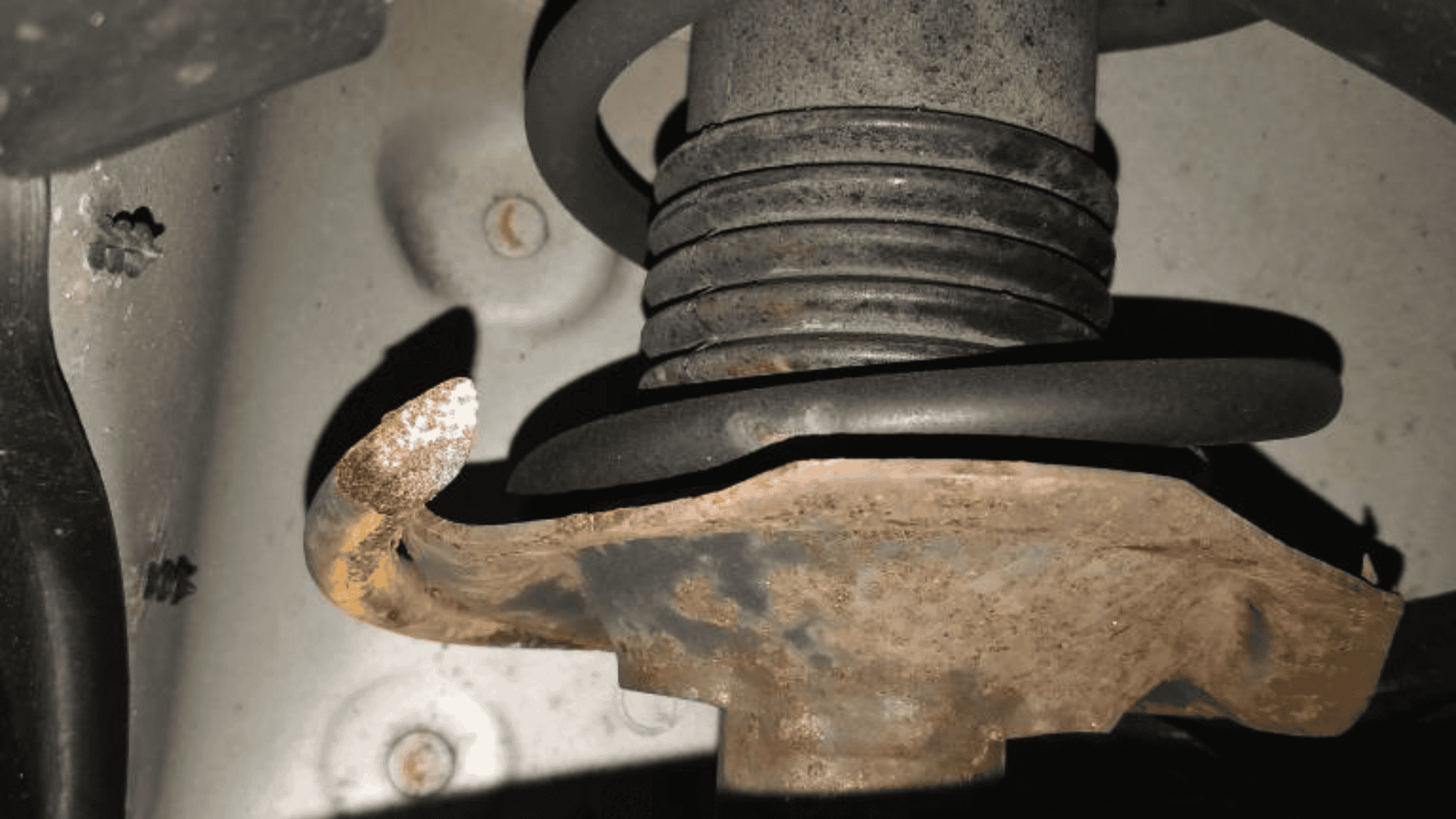
Beyond the drivetrain, the 2012 Nissan Versa has faced significant scrutiny regarding its suspension components. The most critical issue in this category was a major recall concerning the front coil springs.
Broken Front Coil Springs
In regions where road salt is commonly used during winter, the front coil springs on the 2012 Versa were found to be susceptible to corrosion. If a spring breaks, it can puncture a tire or damage the brake lines, leading to a sudden loss of control. Nissan issued a recall to address this, but many older vehicles may still have original, unaddressed components if they were moved between states or if owners ignored the notice.
Struts and Shock Absorbers
The factory-installed struts and shocks on the 2012 Versa were designed for cost-efficiency rather than longevity. It is common for these components to leak or lose their dampening ability by the 80,000-mile mark. Symptoms of worn suspension include:
- Excessive Bouncing: The car continues to oscillate after hitting a bump.
- Uneven Tire Wear: "Cupping" on the tire tread suggests the tire is not staying firmly planted on the road.
- Clunking Noises: Rattling or metallic knocking when driving over uneven surfaces often points to worn strut mounts or bushings.
Critical Safety Recalls and Defects
Safety is a primary concern for any vehicle over a decade old. The 2012 Nissan Versa was involved in some of the most significant recalls in automotive history, most notably the Takata airbag scandal.
Takata Airbag Inflators
The 2012 Versa was equipped with Takata-manufactured airbag inflators that use ammonium nitrate as a propellant. Over time, exposure to high humidity and temperature fluctuations can cause the propellant to degrade. If the airbag deploys in a crash, the inflator canister may rupture, spraying metal fragments into the cabin. This is a life-threatening defect. Owners should check their Vehicle Identification Number (VIN) on the NHTSA website to ensure this recall has been performed.
Ignition Switch Failures
Another safety-related issue involves the ignition switch. In some 2012 models, the internal components of the switch can wear down, potentially causing the engine to shut off while driving if the key is heavy or if the vehicle hits a significant bump. This results in a loss of power steering and power braking assistance, significantly increasing the risk of an accident.
Fuel System Vulnerabilities
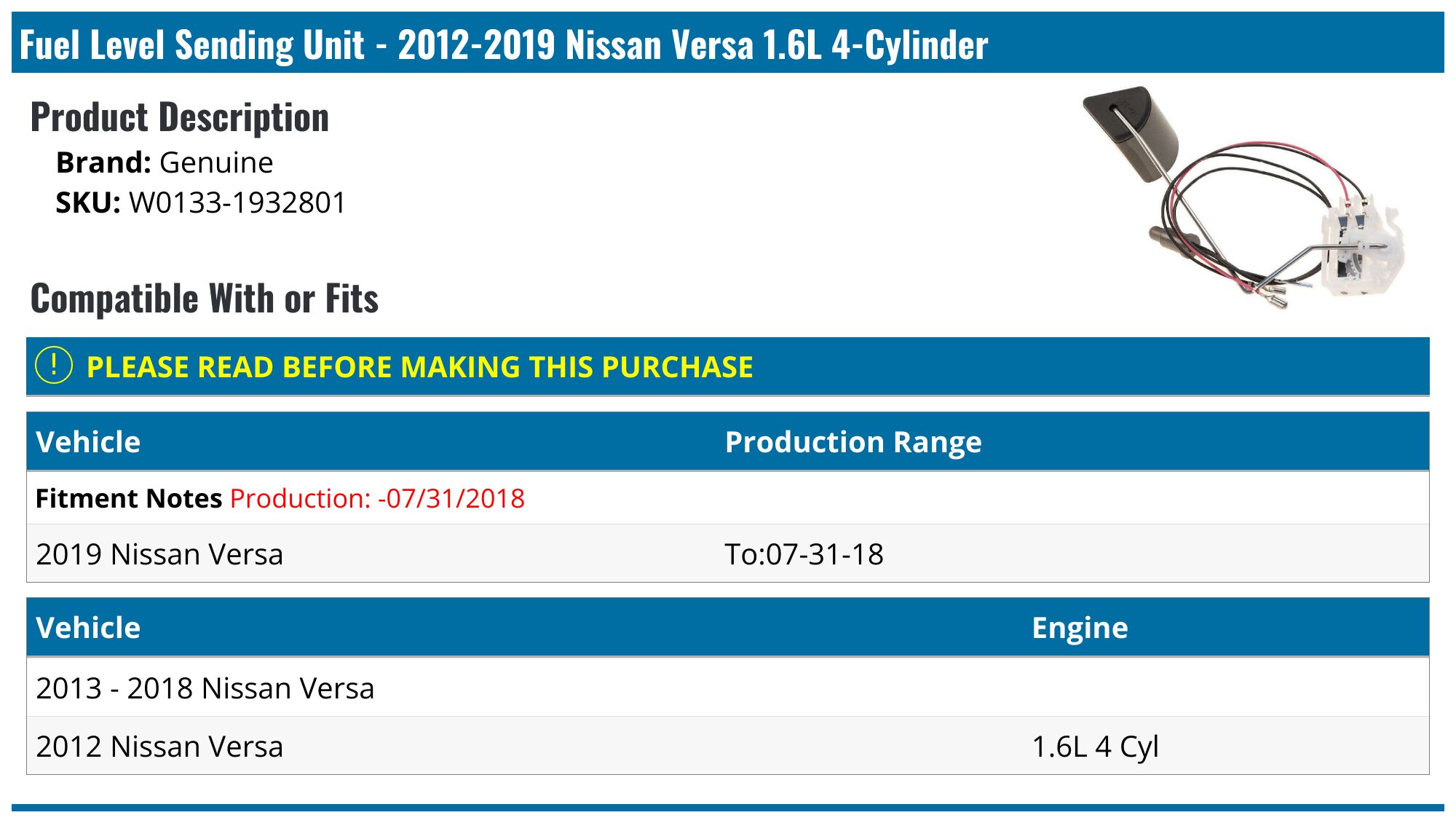
Certain Versa models produced in this era were also recalled for fuel tank integrity issues. A defect in the fuel tank's vapor pressure sensor or the tank itself could lead to fuel leaks, which pose a fire hazard.
Engine Performance and Common Faults
While the 1.6-liter (Sedan) or 1.8-liter (Hatchback) engines in the 2012 Versa are generally more robust than the transmission, they are not without their own sets of problems.
Mass Air Flow (MAF) Sensor Issues
A common cause of a Check Engine Light (CEL) in the 2012 Versa is a dirty or failing Mass Air Flow sensor. This sensor measures the amount of air entering the engine to determine the correct fuel mixture. If it fails, the car may suffer from a rough idle, stalling, or poor fuel economy. Cleaning the sensor with a dedicated MAF cleaner can sometimes resolve the issue, but replacement is often necessary.
Exhaust Manifold Cracking
The exhaust manifold on the 1.6L engine is prone to developing hairline cracks over time due to heat cycling. This leads to an exhaust leak, which manifests as a ticking sound during acceleration and can cause the vehicle to fail emissions testing. Replacing the manifold is a labor-intensive process because it is often integrated with the catalytic converter.
Interior Quality and Electronics
As an entry-level vehicle, the 2012 Versa utilized many plastic components that have not aged gracefully by 2026.
- Dashboard Rattles: The plastic trim pieces often warp or lose their clips, leading to persistent rattles that are difficult to isolate.
- Blower Motor Failure: The HVAC blower motor, which pushes air through the vents, is known to fail prematurely. If the air conditioning or heater only works on the highest setting, the blower motor resistor is likely the culprit.
- Window Regulators: Power window motors and regulators frequently burn out, leaving the glass stuck in the up or down position.
Summary of Repair Costs and Maintenance
Maintaining a 2012 Nissan Versa in 2026 requires a realistic understanding of potential repair costs. The following table outlines the estimated costs for addressing the most common issues based on current market averages for parts and labor.
| Component | Common Issue | Estimated Repair Cost (2026) |
|---|---|---|
| CVT Transmission | Internal failure / Belt slip | $3,500 – $4,800 |
| Front Coil Springs | Corrosion and breakage | $400 – $700 (If not under recall) |
| Struts and Shocks | Leaking / Loss of dampening | $600 – $1,200 (Full set) |
| Ignition Switch | Mechanical/Electrical wear | $250 – $450 |
| Blower Motor | Total failure | $200 – $400 |
| MAF Sensor | Fouling or circuit failure | $150 – $300 |
| Exhaust Manifold | Cracking/Leakage | $800 – $1,300 |
Frequently Asked Questions (FAQ)
How long does a 2012 Nissan Versa transmission typically last?
The lifespan of the 2012 Versa's CVT is highly variable but often falls between 80,000 and 120,000 miles. Some owners have reported failures as early as 40,000 miles, while those who perform fluid changes every 30,000 miles may see the unit last beyond 150,000 miles. In 2026, most surviving 2012 Versas on the road are likely on their second transmission.
Is there a class-action lawsuit for 2012 Nissan Versa transmission problems?
Yes, Nissan has settled multiple class-action lawsuits regarding the CVT transmissions in vehicles from this era. These settlements typically extended the powertrain warranty to 10 years or 120,000 miles. However, by 2026, these extended warranties have expired for the 2012 model year, meaning owners are now responsible for the full cost of replacement.
Why is my 2012 Nissan Versa shaking when I accelerate?
The shaking, or "juddering," is almost always a sign of the CVT belt slipping on the pulleys. This occurs when the transmission cannot maintain the necessary hydraulic pressure to grip the belt. While sometimes caused by low or degraded fluid, it usually indicates internal mechanical wear that requires a transmission rebuild or replacement.
Are the 2012 Nissan Versa recalls still free to fix?
Yes, safety recalls mandated by the NHTSA never expire. If your 2012 Versa has an open recall for the Takata airbags, coil springs, or ignition switch, a Nissan dealership must perform the repair free of charge, regardless of the vehicle's age or mileage.
Is the 2012 Nissan Versa a reliable car for a first-time buyer?
While the Versa is affordable and fuel-efficient, its reliability is considered below average for its class. For a first-time buyer in 2026, a 2012 Versa is a risky choice unless there is documented proof that the CVT has been recently replaced and that all safety recalls have been addressed.
Final Recommendations for Owners and Buyers
If you currently own a 2012 Nissan Versa, the most critical maintenance task is to change the CVT fluid immediately if it hasn't been done in the last 30,000 miles. Use only the specific Nissan NS-3 (or the recommended NS-2 for earlier builds) fluid. Keeping the transmission cool and the fluid clean is your only defense against a multi-thousand-dollar repair bill.
For those considering purchasing a 2012 Versa in 2026, exercise extreme caution. Perform a rigorous test drive that includes high-speed highway merging and frequent stop-and-go maneuvers to check for transmission hesitation. Always verify the VIN for open recalls and inspect the front coil springs for signs of heavy rust or cracking. Given the potential for transmission failure, it is often more cost-effective to look for contemporary competitors with traditional geared automatic transmissions, such as the Toyota Yaris or Honda Fit, which generally offer superior long-term reliability.