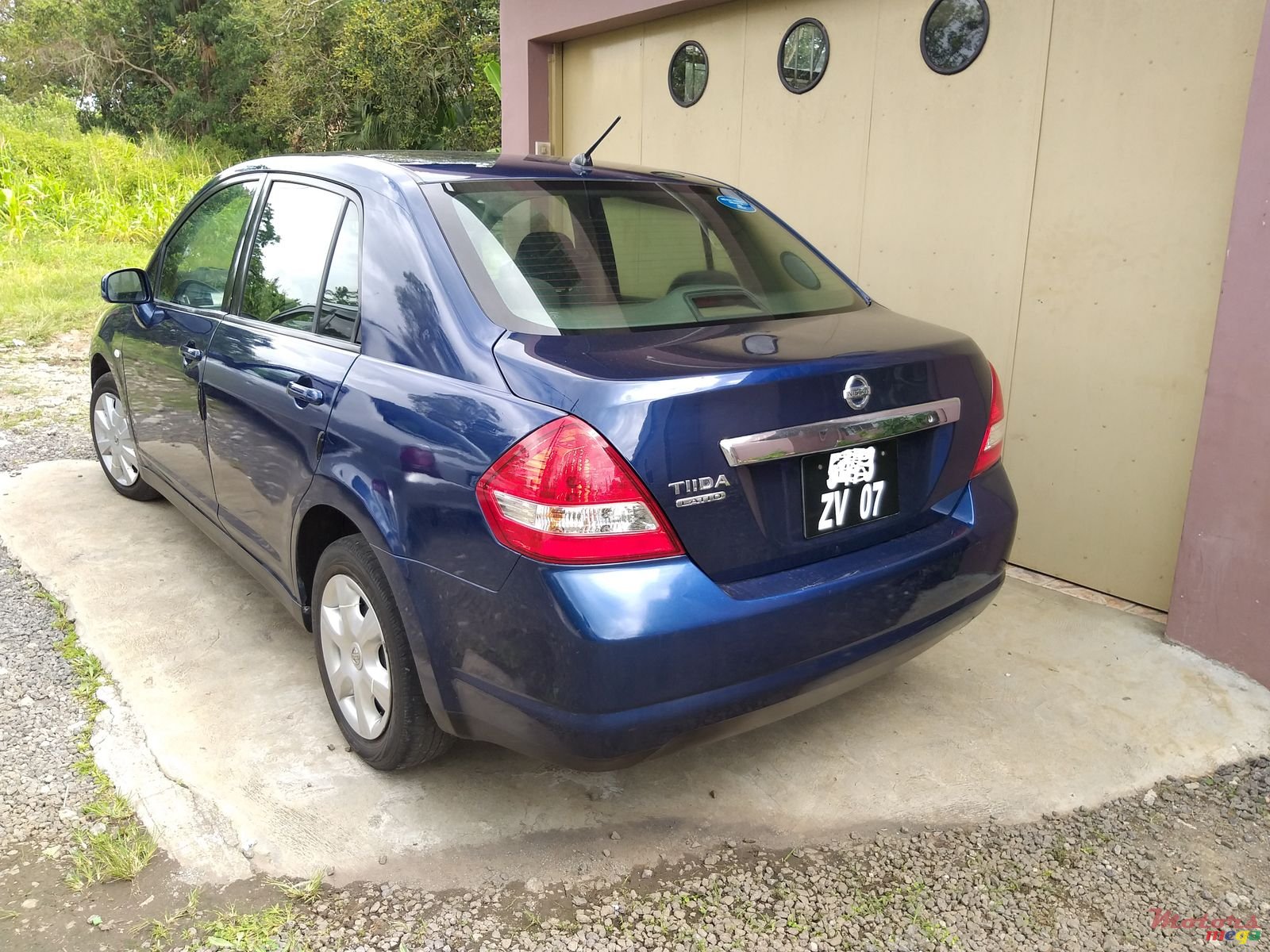
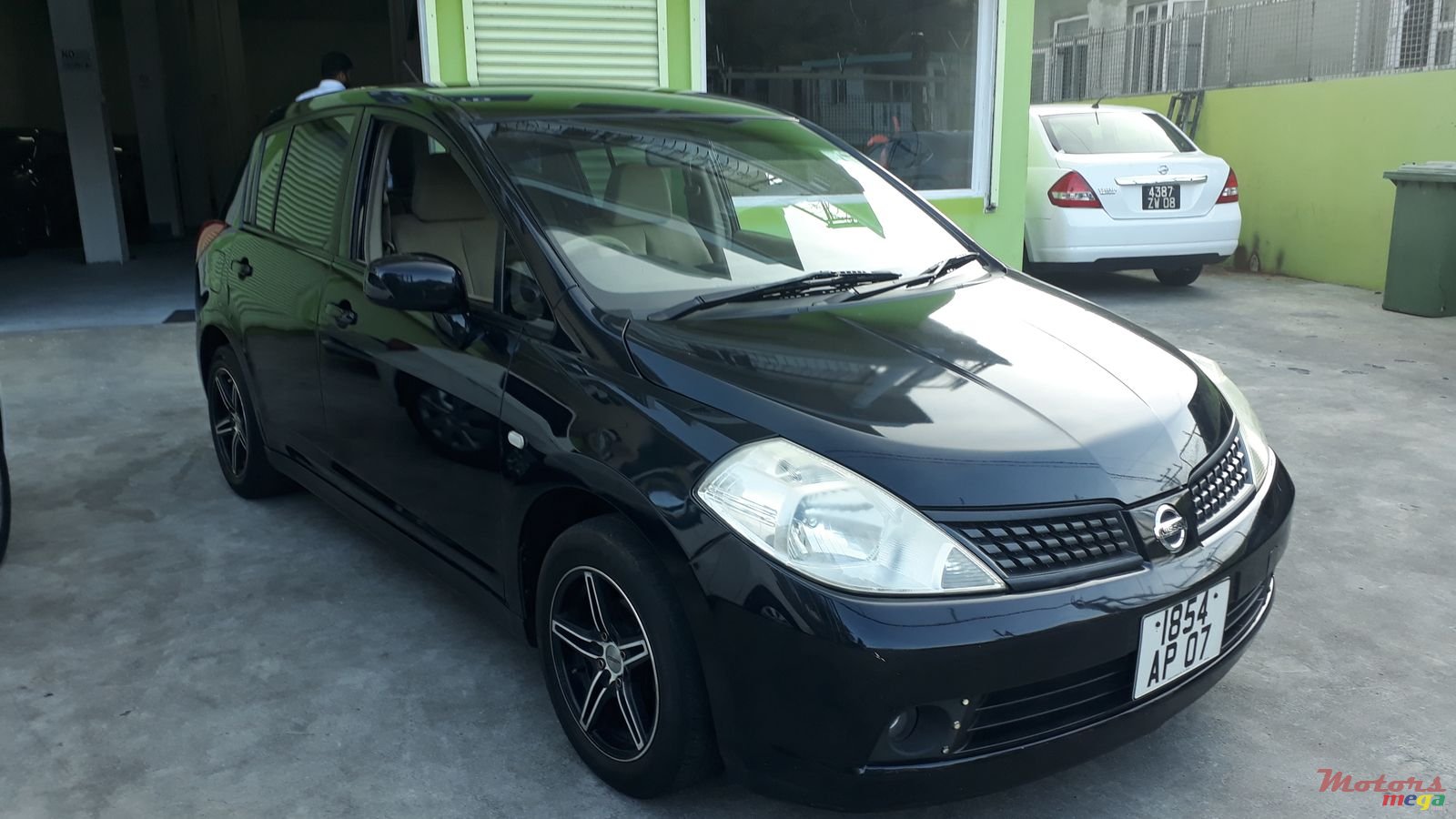
The 2007 Nissan Tiida, known in some markets as the Nissan Versa, represents a significant chapter in Nissan’s compact car strategy, balancing interior space efficiency with fuel economy. As a global platform vehicle, it served as a practical subcompact solution for diverse international markets, offering both hatchback and sedan body styles that prioritized cabin headroom and passenger comfort over high-performance aesthetics.
Design Philosophy and Development
The 2007 Nissan Tiida was built on the Nissan B platform, an architecture shared with other compact vehicles in the Renault-Nissan Alliance. The design team focused heavily on maximizing the footprint-to-cabin ratio. Unlike many subcompacts of the mid-2000s that prioritized a low-slung, sporty stance, the Tiida adopted a "tall-boy" aesthetic. This design choice provided higher seating positions and improved headroom, making the vehicle particularly popular among urban commuters and small families who required utility in a condensed form factor.
The exterior styling featured a rounded, arched roofline that extended from the front pillar to the rear, creating a seamless transition. This was not merely an aesthetic choice; it was engineered to reduce drag and increase interior volume. The front fascia was characterized by large, swept-back headlamps and a simplified grille, which became a signature look for Nissan’s entry-level lineup during that era.
Performance and Mechanical Specifications
At the heart of the 2007 Tiida was the HR16DE 1.6-liter four-cylinder engine, though some markets offered the MR18DE 1.8-liter variant. These engines were designed for efficiency and longevity rather than raw power output. In the 1.8-liter configuration, the engine delivered approximately 122 horsepower.
The transmission options varied by region but commonly included a five-speed manual, a four-speed automatic, or the Xtronic Continuously Variable Transmission (CVT). The integration of the CVT in early 2007 models represented Nissan's aggressive move toward improving fuel efficiency across its fleet. By maintaining the engine in its optimal power band, the CVT allowed the Tiida to achieve competitive fuel consumption figures, which remain relevant for budget-conscious drivers in the current secondary market.
Technical Specification Comparison
| Feature | 1.6L Variant | 1.8L Variant |
|---|---|---|
| Engine Type | Inline-4 (HR16DE) | Inline-4 (MR18DE) |
| Max Power | ~109 hp | ~122 hp |
| Transmission | 5-Speed Manual / 4-Speed Auto | 6-Speed Manual / CVT |
| Driven Wheels | Front-Wheel Drive | Front-Wheel Drive |
| Steering | Electric Power-Assisted | Electric Power-Assisted |
Interior Comfort and Utility
The primary selling point of the 2007 Tiida was its interior packaging. Nissan engineers utilized sliding rear seats in the hatchback model, allowing owners to prioritize either legroom or cargo space depending on their immediate needs. With the rear seats pushed back, the legroom was often compared favorably to vehicles in the mid-size segment.
The dashboard layout featured simple, intuitive controls, reflecting the vehicle's role as a cost-effective daily driver. Soft-touch materials were limited, with high-durability plastics dominating the cabin to ensure long-term wear resistance. For 2007, the ergonomics were focused on accessibility; the high roofline and wide-opening doors allowed for easy ingress and egress, which remains a practical benefit for drivers today.
Market-Specific Variations
The "Tiida" nameplate is primarily associated with Japan, China, and Australia, while the same vehicle was marketed as the "Versa" in North America. Understanding this distinction is critical for sourcing parts or researching service manuals. The North American Versa version often featured slightly different exterior bumper moldings and safety equipment configurations compared to the Japanese domestic market (JDM) or European-spec versions.
In the Australian market, the 2007 Tiida was positioned as a successor to the Nissan Pulsar, a heavy burden that required it to prove its reliability. In these regions, the vehicle was noted for its conservative styling, which helped it appeal to an older demographic looking for comfort, though it sometimes drew criticism from enthusiasts for its lack of dynamic handling characteristics.
Maintenance and Long-Term Ownership
As the vehicle reaches nearly two decades of service, maintenance remains straightforward due to the wide availability of parts. The HR and MR engine series are well-documented, and common mechanical issues are well-understood by independent mechanics.
Common Maintenance Considerations
- CVT Maintenance: For models equipped with the Xtronic CVT, fluid health is paramount. It is recommended to verify that the transmission fluid has been serviced at the manufacturer’s intervals, as neglected fluid is the primary cause of premature transmission failure in these units.
- Suspension Bushings: Due to the vehicle's age, rubber bushings in the front control arms often show signs of wear. Drivers may notice clunking sounds over bumps; replacing these components can significantly restore the ride quality.
- Cooling System: The plastic radiator end tanks are prone to brittleness over long periods. Checking the cooling system for leaks or discoloration of the coolant is a standard preventative measure.
- Electrical Systems: As with most vehicles of this vintage, check the health of the ground straps and battery terminals, as corrosion can lead to intermittent electrical glitches in the cabin electronics.
Comparison with Contemporaries
When evaluated against the 2007 Toyota Yaris or Honda Fit, the Nissan Tiida generally excelled in raw cabin dimensions but often trailed in resale value and fuel system refinement. While the Honda Fit offered a more flexible "Magic Seat" folding system, the Tiida provided a more traditional, upright seating position that some drivers preferred for visibility.
| Vehicle | Primary Strength | Weakness |
|---|---|---|
| Nissan Tiida | Rear seat space | CVT longevity concerns |
| Toyota Yaris | Engine reliability | Limited interior width |
| Honda Fit | Cargo versatility | Road noise at highway speeds |
Safety and Security
The 2007 Tiida was designed to meet global safety standards of the time, typically equipped with dual front airbags, anti-lock brakes (ABS) with electronic brakeforce distribution (EBD), and, in higher trims, side-curtain airbags. While these features were adequate for 2007, they do not match the suite of active safety technologies found in vehicles produced in 2026. Buyers should verify the specific safety trim of any model they are considering, as base models often lacked stability control systems.
Frequently Asked Questions
Is the 2007 Nissan Tiida considered a reliable car? Yes, the 2007 Tiida is generally considered reliable, particularly if it has been well-maintained. The engines are durable, though the CVT transmission requires strict adherence to fluid change schedules to avoid mechanical degradation over long periods.
What is the main difference between the Tiida and the Versa? The Tiida and Versa are essentially the same vehicle platform, but "Tiida" was the name used in Asian and Australian markets, while "Versa" was the branding for North America. There may be minor regional differences in safety features and trim levels.
Does the 2007 Tiida have a timing belt or chain? The 1.6-liter (HR16DE) and 1.8-liter (MR18DE) engines used in the 2007 Tiida are equipped with timing chains, not belts. This is a significant advantage for maintenance, as chains typically do not require the frequent replacement intervals associated with belts.
How does the CVT in the 2007 model perform? The early generation Xtronic CVT in the 2007 model provides smooth acceleration without shift shock. However, it is less "engaging" than a manual transmission and is sensitive to high-heat conditions; it is best suited for urban and steady highway driving rather than aggressive maneuvers.
Can I still find parts for a 2007 Nissan Tiida? Yes, because the B-platform was used globally across millions of units, aftermarket parts are widely available. Both OEM (Original Equipment Manufacturer) and third-party parts can be sourced easily through standard automotive retailers and online distributors in 2026.
Final Recommendation for Prospective Owners
When considering a 2007 Nissan Tiida in 2026, prioritize vehicles with verified service histories, specifically regarding the transmission fluid. A well-maintained Tiida offers a rare combination of interior space and low operating costs, making it an excellent candidate for a budget-friendly commuter vehicle. Before purchase, perform a cold start to listen for timing chain rattle and request a test drive that includes both city and highway speeds to ensure the CVT or manual transmission operates smoothly.