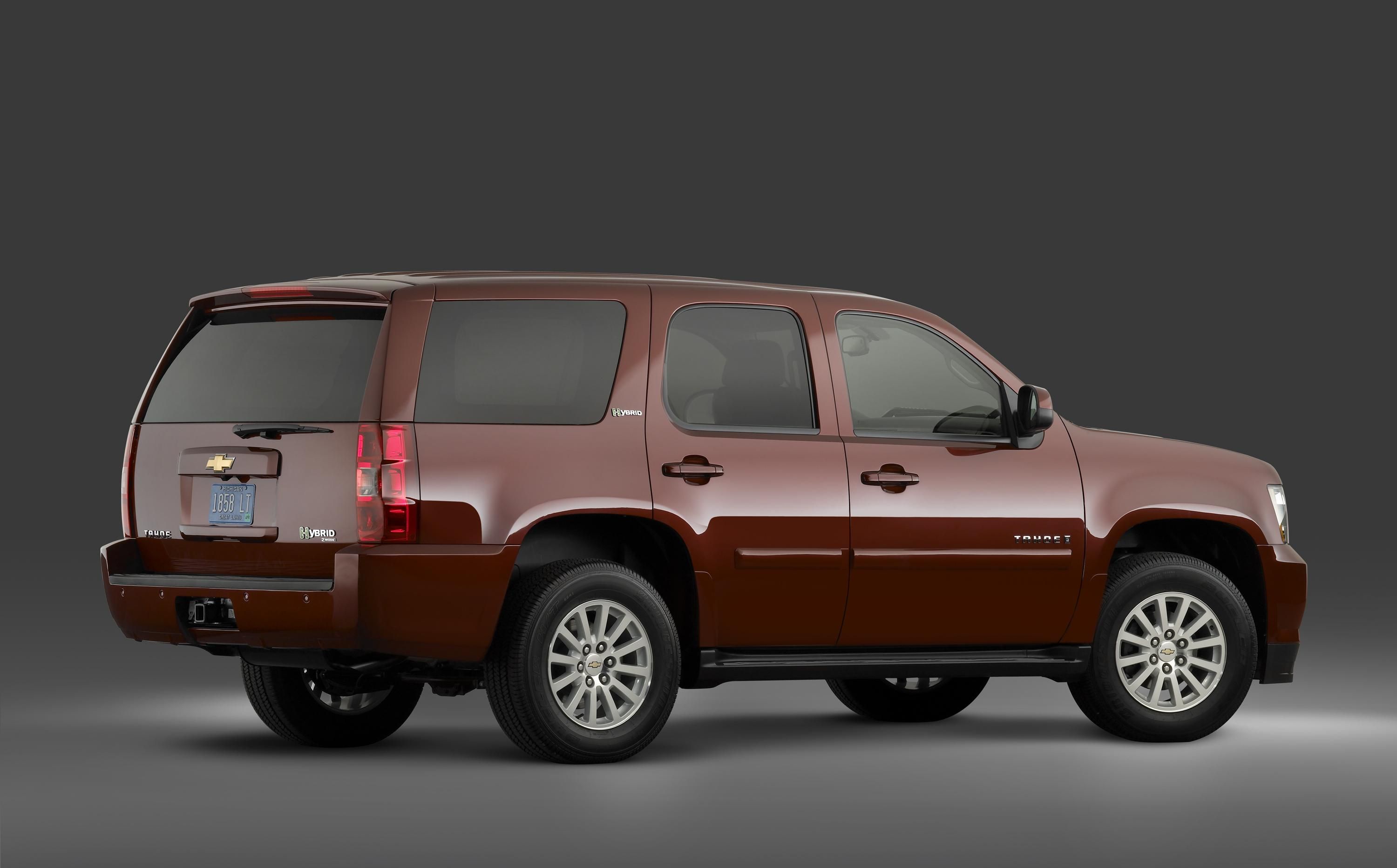
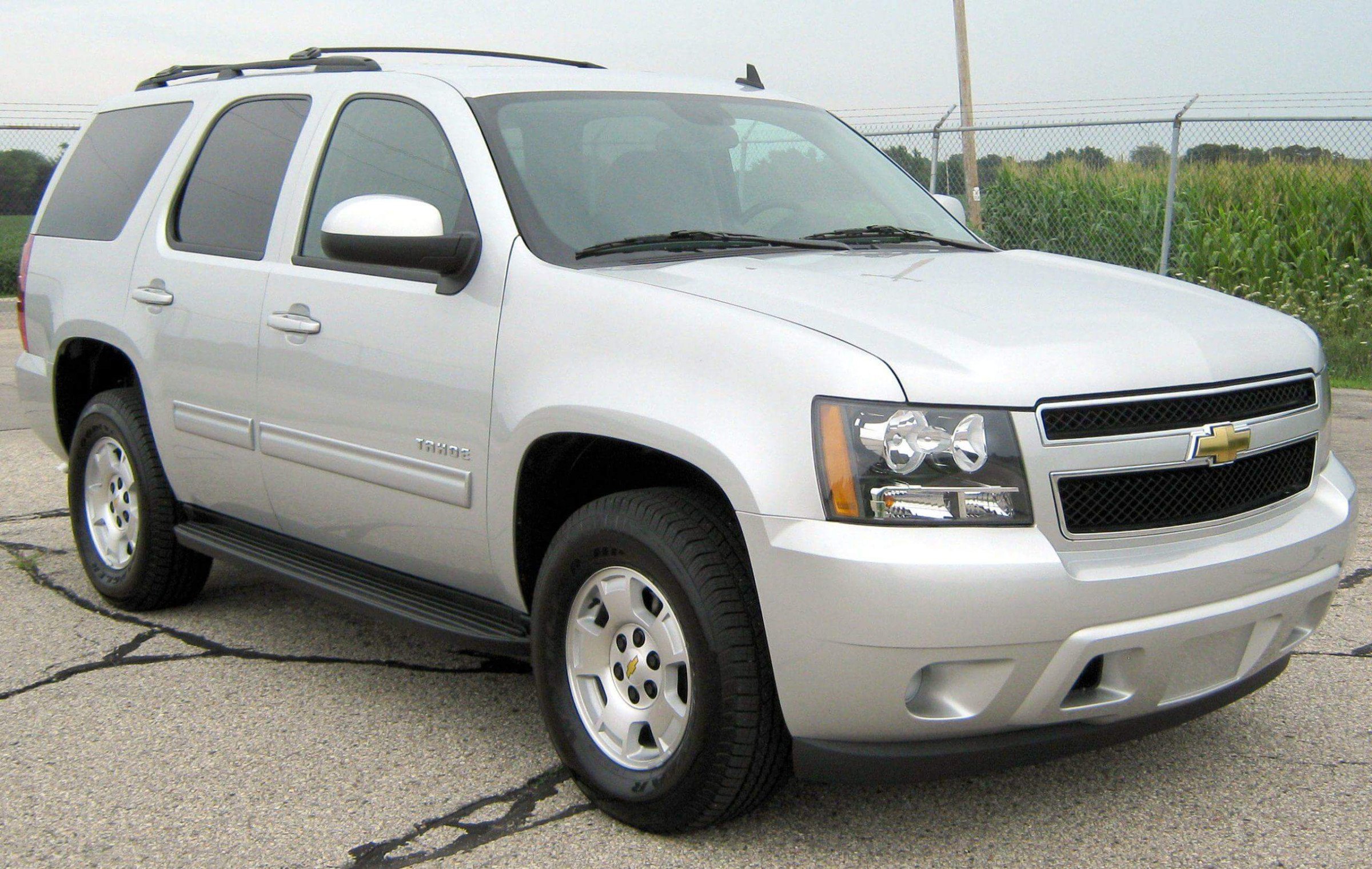
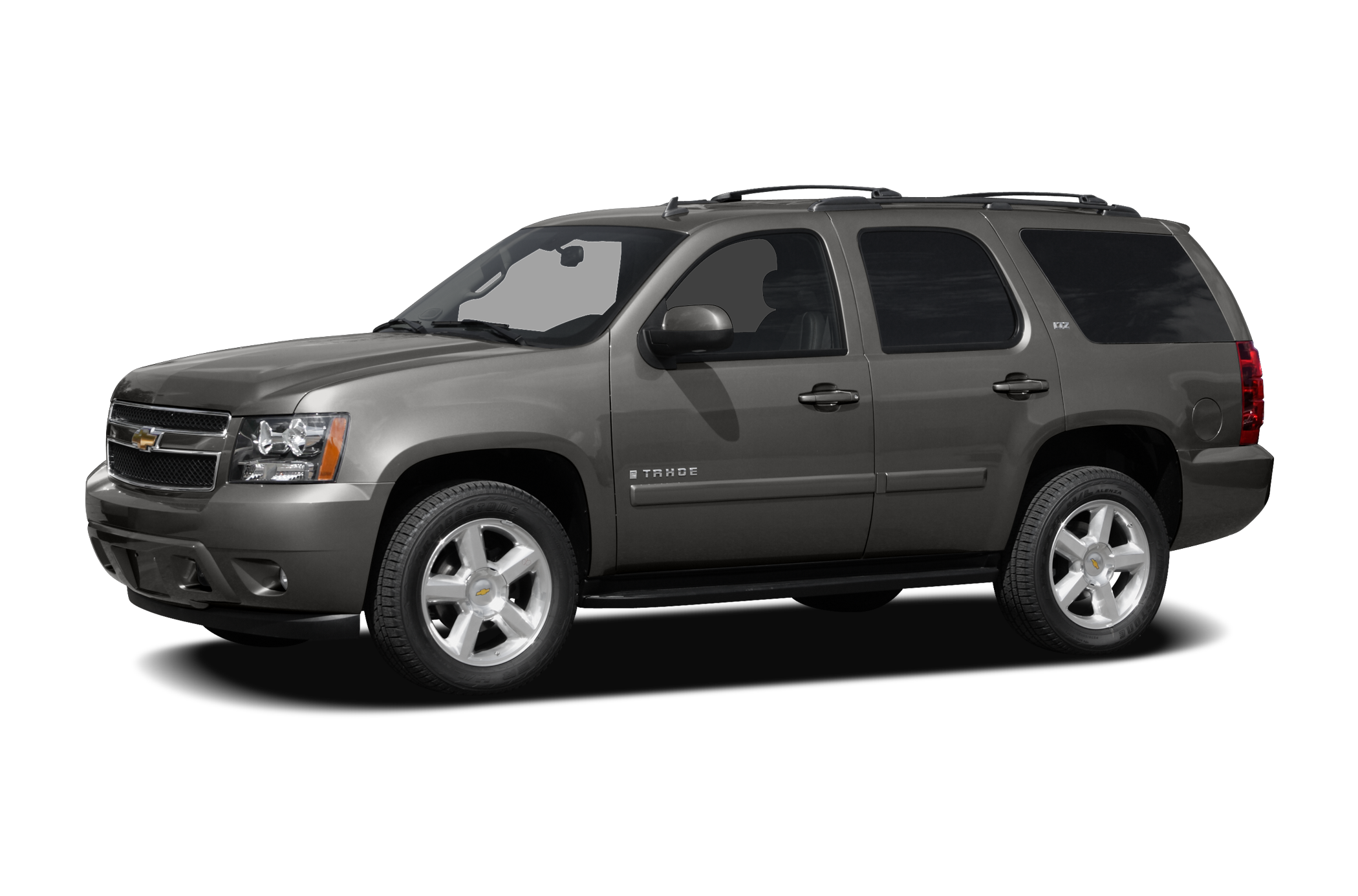
The 2007 Chevrolet Tahoe, representing the first model year of the GMT900 platform, is frequently cited by owners for significant mechanical and electrical issues. The most prevalent problems involve excessive engine oil consumption, failures of the Active Fuel Management system, issues with the dashboard instrument cluster, and premature wear of the interior door handles and upholstery.
The 2007 Chevrolet Tahoe was a milestone vehicle, marking a substantial redesign that prioritized aerodynamics, interior refinement, and improved structural rigidity. However, the early production run of the GMT900 platform was plagued by specific engineering flaws that have become well-documented over nearly two decades of service. For current owners or prospective buyers in 2026, understanding these issues is essential for effective maintenance, budgeting, and long-term vehicle viability.
Engine and Powertrain Challenges
The 2007 Tahoe was primarily equipped with the 5.3L Vortec V8 engine featuring Active Fuel Management (AFM). While designed to improve fuel economy by deactivating half of the cylinders under light load, the system became a primary source of frustration.
Excessive Oil Consumption
The most critical issue with the 5.3L engine is high oil consumption. This is largely attributed to the design of the AFM oil pan and the oil deflection shield, which allowed excessive oil to be drawn into the intake manifold through the Positive Crankcase Ventilation (PCV) system. Over time, this leads to oil burning, fouled spark plugs, and potential damage to the catalytic converters. Owners often report needing to add a quart of oil every 1,500 to 3,000 miles. By 2026, many of these engines have accumulated significant mileage, making it vital to monitor oil levels weekly to avoid catastrophic internal damage.
Active Fuel Management (AFM) Lifter Failure
The AFM system utilizes hydraulic lifters that can be commanded to collapse, effectively disabling specific cylinders. These lifters are prone to sticking in the collapsed position due to sludge buildup or mechanical wear. When a lifter fails, the vehicle will typically suffer from a misfire, a significant loss of power, and a distinctive tapping noise from the valvetrain. Resolving this often requires removing the cylinder heads to replace the entire set of lifters and, in many cases, the camshaft.
Electrical System Vulnerabilities
Electrical gremlins are a common grievance for the 2007 model year, often linked to the vehicle's complex body control modules and grounding points.
Instrument Cluster Malfunctions
Many 2007 Tahoe owners have experienced the failure of individual stepper motors within the instrument cluster. This leads to gauges—such as the speedometer, tachometer, or fuel gauge—displaying inaccurate readings or sticking entirely. While the electronics themselves may remain functional, the mechanical failure of the needles makes the dashboard unreliable.
Battery Drain and Accessory Power
The GMT900 architecture features a "Retained Accessory Power" (RAP) system that can occasionally fail to shut down properly. This leads to a parasitic battery drain, causing the battery to go dead overnight. This is frequently traced back to faulty door latch switches (which tell the system the door is closed) or malfunctions in the Body Control Module (BCM).
Interior Build Quality Issues
While the 2007 Tahoe boasted a more "upscale" interior than its predecessor, the materials chosen for high-touch surfaces have not aged gracefully.
- Door Handles: The internal door handle mechanisms are constructed from plastic components that become brittle and snap, often leaving occupants unable to open the door from the inside.
- Dashboard Cracking: In climates with high sun exposure, the plastic dashboard material is prone to significant cracking, particularly above the passenger-side airbag and the instrument cluster shroud.
- Leather Upholstery: The OEM leather upholstery, particularly on the driver-side bolster, is susceptible to premature tearing and cracking due to the thin nature of the material and the high-wear usage typical of an SUV.
Summary of Common Problems and Maintenance Impact
| Issue Category | Specific Problem | Potential Impact | Estimated Repair Status |
|---|---|---|---|
| Powertrain | High Oil Consumption | Low oil pressure, engine wear | Requires frequent monitoring |
| Powertrain | AFM Lifter Failure | Misfire, valve train damage | Major mechanical repair |
| Electrical | Instrument Cluster | Inaccurate gauge readings | Cluster rebuild or replacement |
| Electrical | Parasitic Battery Drain | Dead battery | Diagnostic electrical testing |
| Interior | Door Handle Failure | Cannot exit vehicle | Handle assembly replacement |
Diagnostic and Troubleshooting Guidance
If you are currently experiencing issues with a 2007 Tahoe, a systematic approach to diagnostics is required to avoid "parts-swapping" fatigue.
- Oil Monitoring: If you suspect oil consumption, document the exact mileage and oil level. If the vehicle consumes more than one quart every 2,000 miles, perform a compression test and a leak-down test to rule out ring or valve seal failure.
- Misfire Analysis: If you detect a misfire, use an OBD-II scanner to identify the specific cylinder. If the misfire is on a cylinder controlled by the AFM system (1, 4, 6, or 7), the risk of lifter failure is significantly higher.
- Grounding Check: Before replacing expensive electronic modules, always clean the chassis ground points. The GMT900 platform is notorious for ground corrosion, which can cause erratic sensor readings and "phantom" electrical codes.
FAQs Regarding the 2007 Chevrolet Tahoe
1. Is it worth fixing a 2007 Tahoe with an engine oil consumption issue? If the internal components remain in good health, many owners opt to install an AFM delete kit. This involves replacing the AFM lifters, camshaft, and valley cover with non-AFM components, which permanently resolves the oil consumption design flaw and eliminates the risk of future lifter failure.
2. Why do my dashboard gauges behave erratically? The stepper motors behind the needles utilize plastic gears that wear down. You can either purchase a rebuild kit to solder in new stepper motors yourself or send the cluster to a specialty repair shop that bench-tests and calibrates the units.
3. What causes the "Service Tire Monitor" light to stay on? This is typically caused by a depleted battery in one of the TPMS (Tire Pressure Monitoring System) sensors inside the wheels. These sensors have a finite battery life, and by 2026, original units are long past their expected service interval.
4. Can I prevent the door handles from breaking? The failure is largely due to internal stress on the plastic hinges. While you cannot "prevent" it, replacing the assembly with high-quality aftermarket reinforced metal or improved plastic versions is the most reliable long-term fix.
Final Recommendations
The 2007 Chevrolet Tahoe remains a capable vehicle, but it is one that requires proactive, rather than reactive, maintenance. If you own this vehicle, prioritize the health of the 5.3L engine by using high-quality full synthetic oil and shortening oil change intervals. If the vehicle has already surpassed 150,000 miles, perform a full inspection of the suspension bushings and cooling system, as these components have likely reached their natural end-of-life. If you are shopping for one, favor vehicles with documented service history showing recent updates to the lifters or the cooling system.