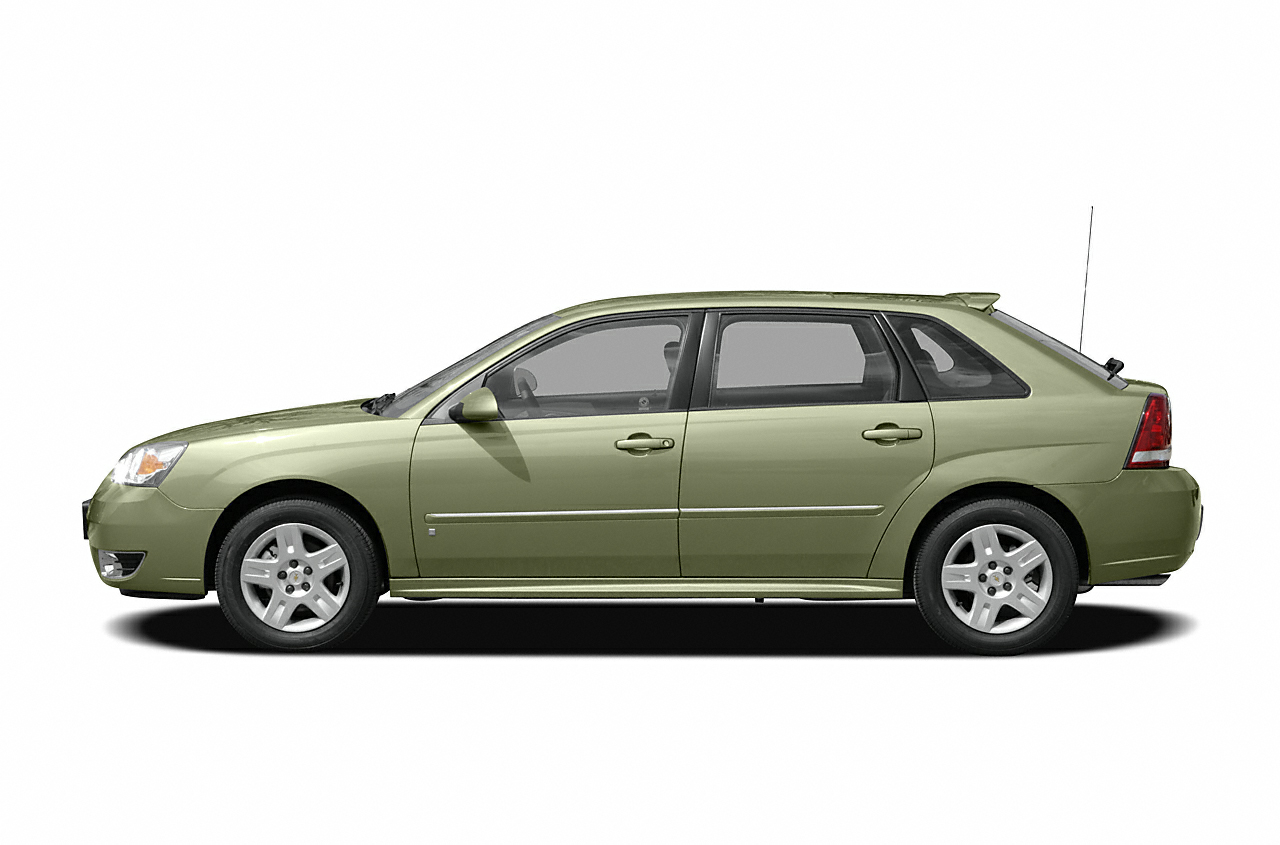
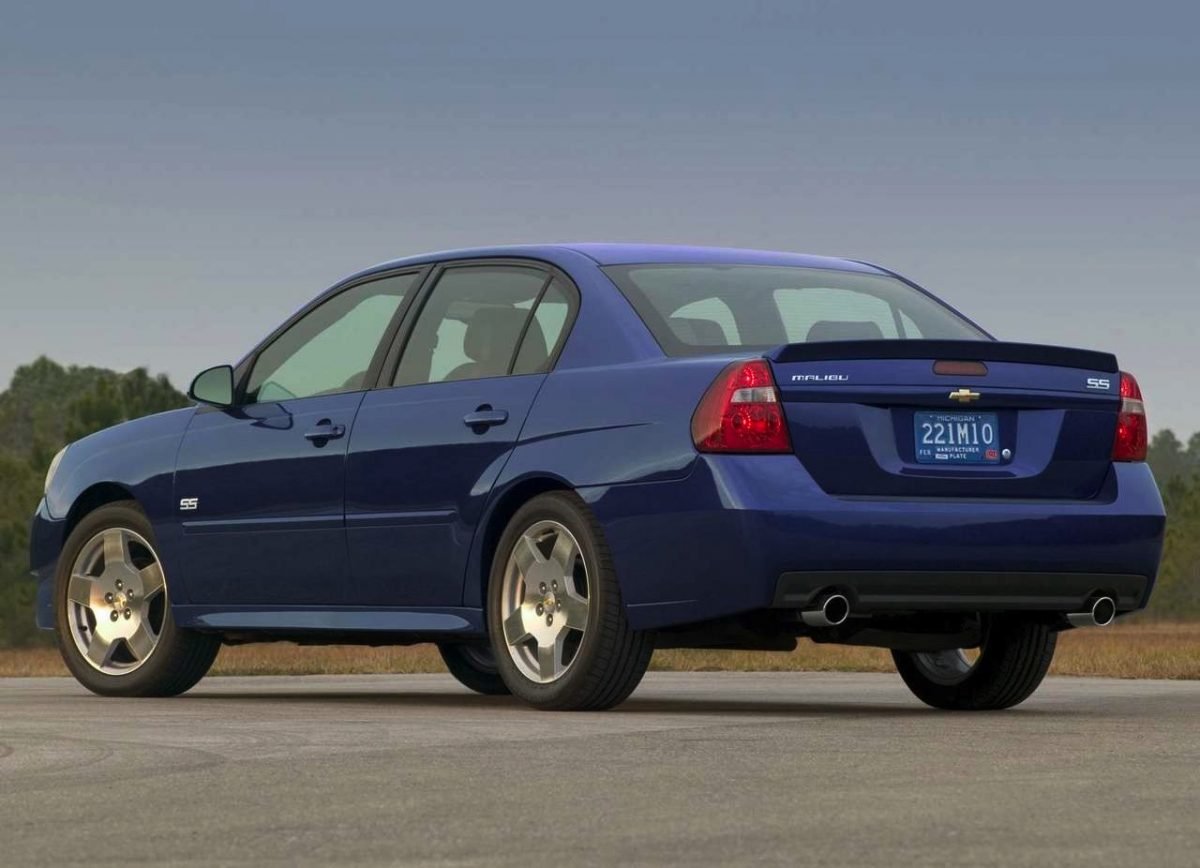
The 2006 Chevrolet Malibu delivers an EPA-estimated fuel economy ranging from 20 to 24 mpg in city driving and 28 to 34 mpg on the highway, depending on the engine configuration—the 2.2L Ecotec four-cylinder or the 3.5L V6. Actual performance varies significantly based on vehicle maintenance, driving habits, tire pressure, and the mechanical condition of the powertrain.
Overview of the 2006 Chevrolet Malibu Powertrain Options
When evaluating the gas mileage of a 2006 Chevrolet Malibu, the first step is identifying the specific engine installed in your vehicle. During the 2006 model year, General Motors offered this sedan with two primary gasoline engine options: the base 2.2L Ecotec inline-four engine and the more robust 3.5L High Value V6 engine. These engines utilize different fuel delivery and combustion characteristics, directly influencing the fuel economy figures recorded by the Environmental Protection Agency (EPA).
The 2.2L Ecotec engine was standard on the base, LS, and LT trim levels. This engine is a dual-overhead-cam design known for its reliability and fuel efficiency, making it the preferred choice for commuters. In contrast, the 3.5L V6, standard on the LTZ and optional on the LT, provides increased torque and horsepower. While this engine offers smoother acceleration and better passing power, it inevitably requires more fuel to move the vehicle's mass, leading to lower miles-per-gallon (MPG) ratings.
Official EPA Fuel Economy Ratings
The following table outlines the expected fuel efficiency for the 2006 Chevrolet Malibu configurations based on their original EPA testing. Note that these figures reflect the standards as they were measured in 2006.
| Engine Configuration | Transmission | City MPG | Highway MPG | Combined MPG |
|---|---|---|---|---|
| 2.2L I4 Ecotec | 4-Speed Automatic | 24 | 34 | 27 |
| 3.5L V6 LX9 | 4-Speed Automatic | 22 | 30 | 25 |
| 3.5L V6 LZ4 | 4-Speed Automatic | 20 | 29 | 23 |
Data source: U.S. Department of Energy, FuelEconomy.gov.
Factors Affecting Real-World Fuel Economy in 2026
While the EPA figures provide a baseline, a 2006 vehicle has undergone years of wear, which alters its fuel efficiency. By 2026, the mechanical integrity of the engine is the primary determinant of whether the car meets or falls short of these original estimates.
Engine Performance and Maintenance
The 2.2L and 3.5L engines rely on a complex interplay of sensors to maintain an optimal air-fuel ratio. Over time, components like the mass airflow (MAF) sensor, oxygen sensors, and fuel injectors can become fouled with carbon deposits or suffer from electrical degradation. A faulty oxygen sensor, for instance, may cause the engine control module to miscalculate fuel delivery, often resulting in a "rich" mixture that consumes more fuel than necessary without providing a proportional increase in power.
Regular maintenance is the most effective way to recover lost fuel economy. Replacing spark plugs at the manufacturer's recommended intervals (typically every 100,000 miles for these engines) ensures a clean, complete combustion cycle. Furthermore, keeping the throttle body clean prevents erratic idle speeds and poor throttle response, both of which negatively impact fuel efficiency.
Tire Pressure and Rolling Resistance
Tire maintenance is frequently overlooked in fuel economy discussions, yet it represents one of the simplest fixes for poor mileage. The 2006 Malibu requires specific tire pressures, typically printed on the placard inside the driver's side door jamb. Driving on under-inflated tires increases rolling resistance, forcing the engine to work harder to maintain speed. A drop of just a few PSI can result in a measurable decrease in fuel economy. Additionally, ensure the vehicle's alignment is within specifications; if the tires are "scrubbing" against the road due to improper toe or camber settings, the engine must overcome this added friction.
Weight and Aerodynamics
The Malibu is a mid-sized sedan, but its weight adds up quickly. Removing unnecessary cargo from the trunk reduces the load on the drivetrain. Furthermore, if you have added aftermarket accessories such as roof racks or spoilers, these create drag. At highway speeds—where aerodynamics play the largest role in fuel consumption—even minor modifications that disturb the airflow can decrease efficiency by several percentage points.
Common Troubleshooting for Low Gas Mileage
If you notice that your 2006 Chevrolet Malibu is getting significantly lower gas mileage than the EPA estimates suggest, follow a structured diagnostic approach:
- Check for Diagnostic Trouble Codes (DTCs): Even if the "Check Engine" light is not illuminated, the computer may have stored "pending" codes. Use an OBD-II scanner to identify any issues related to fuel trim, misfires, or sensor anomalies.
- Inspect the Air Filter: A clogged engine air filter restricts airflow, essentially "choking" the engine. While modern fuel-injected systems compensate for this, a restricted intake forces the engine to work harder.
- Verify Fuel Quality: Ensure you are using the fuel grade recommended in your owner's manual. While these engines are designed to run on 87-octane regular unleaded, using degraded or poor-quality fuel can lead to knock-sensor activity that retards ignition timing, reducing overall efficiency.
- Examine the Cooling System: The thermostat plays a critical role in fuel economy. If the thermostat is stuck in the open position, the engine will fail to reach its optimal operating temperature, causing the engine management system to stay in "open loop" mode longer, which increases fuel consumption.
Driving Habits and Their Impact on MPG
How you operate the vehicle is just as important as how well it is maintained. The 2006 Malibu’s four-speed automatic transmission is designed to shift at specific load points. "Jackrabbit" starts—accelerating quickly from a stop—force the engine to exit its most efficient power band. Conversely, maintaining a steady speed is the most efficient way to operate this vehicle.
The use of cruise control on flat highways can help maintain a consistent throttle position, preventing the minor, constant adjustments that human drivers inadvertently make. However, on hilly terrain, cruise control can sometimes be counter-productive, as the system may downshift aggressively to maintain a specific speed, leading to higher fuel consumption than if the driver manually modulated the throttle to allow a slight speed reduction on steep climbs.
Limitations of 2006 Technology
It is important to manage expectations regarding a vehicle from this era. The 2006 Chevrolet Malibu lacks the advanced fuel-saving technologies found in modern 2026 vehicles, such as direct fuel injection, cylinder deactivation, variable valve timing (VVT) with wider ranges, and sophisticated six-to-ten-speed transmissions. These advancements allow modern cars to keep engine RPMs much lower at highway speeds. The four-speed automatic transmission in the 2006 model requires higher engine RPMs at 70 mph compared to a modern six-speed transmission, which is a physical limitation of the powertrain architecture.
Frequently Asked Questions
Does the 2006 Chevrolet Malibu require premium gasoline for better fuel economy? No, the 2006 Chevrolet Malibu engines are calibrated for 87-octane regular unleaded gasoline. Using higher octane fuel will not improve your fuel economy and may actually provide no benefit, as the engines do not have the compression ratios to utilize the higher resistance to detonation.
How does the V6 compare to the 4-cylinder in real-world driving? While the V6 offers more power, it consumes more fuel in all conditions. If your driving is primarily city-based with frequent stop-and-go traffic, the 4-cylinder will offer a much more significant advantage in fuel economy compared to the V6.
Why is my fuel gauge reading empty, but the car still has gas? The fuel level sending unit on the 2006 Malibu is known to occasionally wear out, leading to inaccurate readings. This does not affect your actual gas mileage, but it can make it difficult to monitor your fuel consumption accurately. If this occurs, track your mileage manually between fill-ups.
Does using air conditioning affect the fuel mileage of my 2006 Malibu? Yes, operating the air conditioning compressor puts a mechanical load on the engine. In city driving, this can reduce fuel economy by 1 to 2 mpg. At highway speeds, the impact is generally less, though it still forces the engine to work slightly harder.
What is the best way to calculate my actual gas mileage? The most reliable method is to fill the tank until the pump clicks off, reset your trip odometer, and drive as you normally would. At the next fill-up, divide the miles driven by the number of gallons added to the tank.
Final Recommendations
To maximize the fuel efficiency of your 2006 Chevrolet Malibu in 2026, focus on a "back to basics" maintenance schedule. Prioritize replacing the spark plugs, verifying that your tire pressure matches the door-jamb specification, and ensuring your air filter is clean. If fuel economy remains poor despite these efforts, have a technician check for an aging oxygen sensor or a leaking fuel pressure regulator, as these are common points of failure that can lead to increased fuel consumption in vehicles of this age. Monitoring your fuel usage manually over several tanks will give you the most accurate baseline for your specific vehicle's current performance.