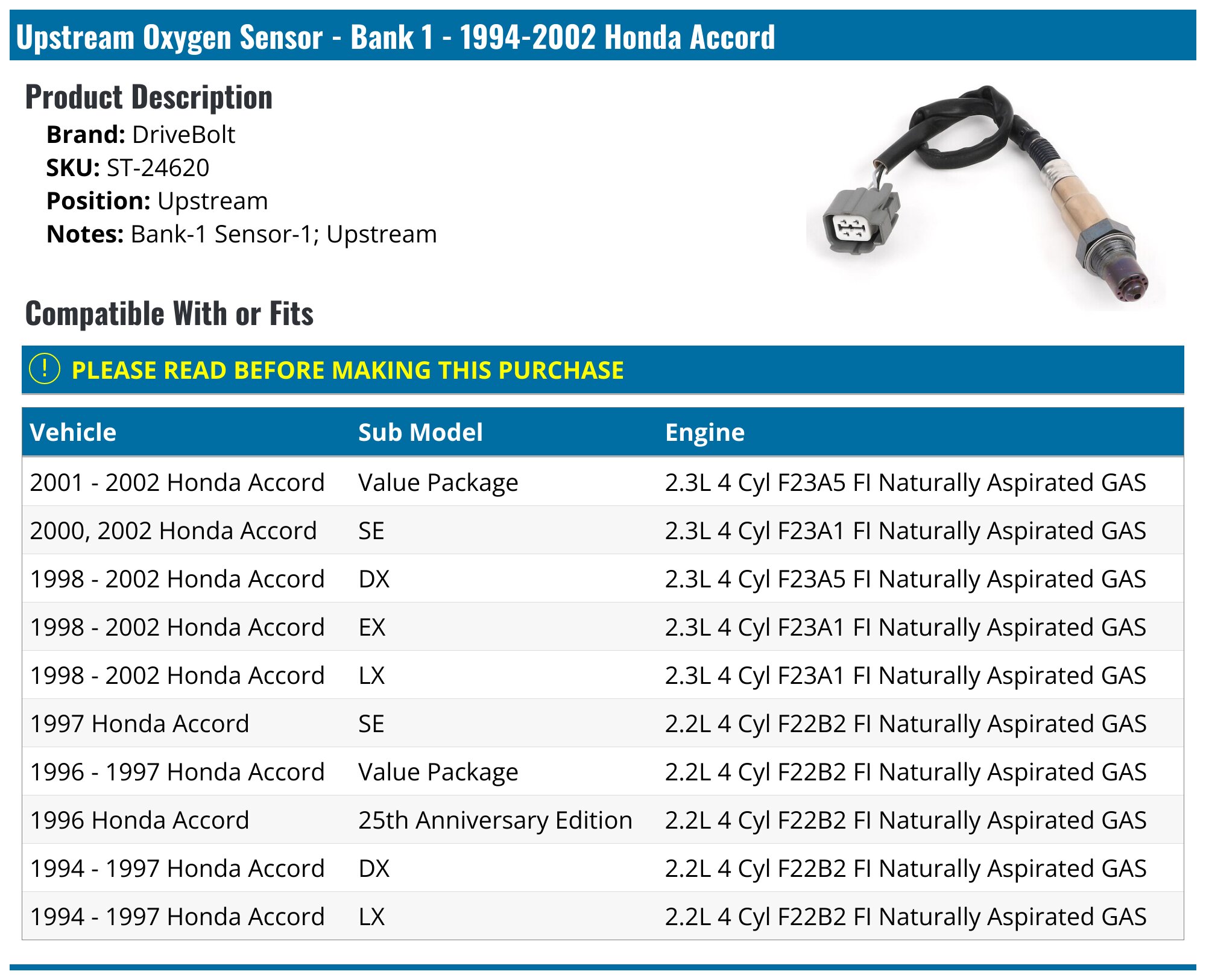
The 2002 Honda Accord Value Package was a special trim level introduced toward the end of the sixth-generation Accord’s production run, offering popular amenities like air conditioning, power windows, and a CD player at a more accessible price point. It combined the dependable mechanical engineering of the standard Accord with high-demand features, making it a benchmark for reliable, budget-friendly daily transportation.
Introduction to the Sixth-Generation Accord Final Year
The year 2002 marked the final chapter for the sixth-generation Honda Accord, a vehicle that had defined practical midsize transportation since its introduction for the 1998 model year. By 2002, Honda had refined its assembly processes, mechanical tolerances, and component choices to address early production hurdles. To maintain showroom momentum against fierce competition from the Toyota Camry and Nissan Altima, Honda introduced strategically bundled trim variants. Among these, the Value Package (often abbreviated as VP) emerged as a masterclass in market positioning.
Positioned just above the base DX trim level, the Value Package was engineered to bridge the gap between bare-bones affordability and mid-tier comfort. For budget-conscious buyers who still wanted modern conveniences, the VP trim delivered essential upgrades without forcing an upgrade to the more expensive LX or EX trims. Decades later, the 2002 Honda Accord Value Package remains a common sight on used car marketplaces, valued as an exceptionally durable, economical commuter car for students, budget-conscious drivers, and DIY mechanics.
Understanding the Value Package Trim Level Hierarchy
To understand the specific appeal of the 2002 Honda Accord Value Package, it is helpful to place it within the context of the broader sixth-generation lineup. The Accord hierarchy for 2002 typically included the DX, Value Package, LX, and EX, spanning both 4-door sedan and 2-door coupe body styles.
The base DX model was remarkably Spartan, often lacking standard air conditioning and audio equipment in earlier years, though by 2002 basic amenities had shifted. Even so, the DX required buyers to compromise heavily on comfort. Conversely, the LX and EX trims offered power driver’s seats, alloy wheels, sunroofs, and optional leather interior upholstery at a significantly higher initial purchase price.
The Value Package targeted the exact middle ground. It took the mechanical baseline of the DX—featuring the efficient 2.3-liter four-cylinder engine—and layered on the exact features that most daily drivers considered non-negotiable. By bundling air conditioning, a CD player, power windows, power door locks, and cruise control into a single promotional price tier, Honda created an irresistible option for consumers transitioning away from older, worn-out vehicles.
Standard Equipment and Factory Specifications
The 2002 Honda Accord Value Package offered a balanced list of features that prioritized daily usability. While it lacked luxury flourishes, its equipment list covered all essential comforts of the early 2000s automotive landscape.
Comfort and Convenience Features
- Air Conditioning: Fully integrated climate control system, essential for a midsize sedan.
- Audio System: Factory AM/FM stereo paired with a single-disc CD player and four speakers.
- Power Windows and Door Locks: One-touch driver window controls and central locking.
- Cruise Control: Steering-wheel-mounted switches for relaxed highway cruising.
- Remote Keyless Entry: Key fobs providing convenient locking, unlocking, and trunk release.
Exterior and Interior Appointments
- Body Style Availability: Offered primarily as a 4-door sedan, though coupe variants appeared in limited regional markets.
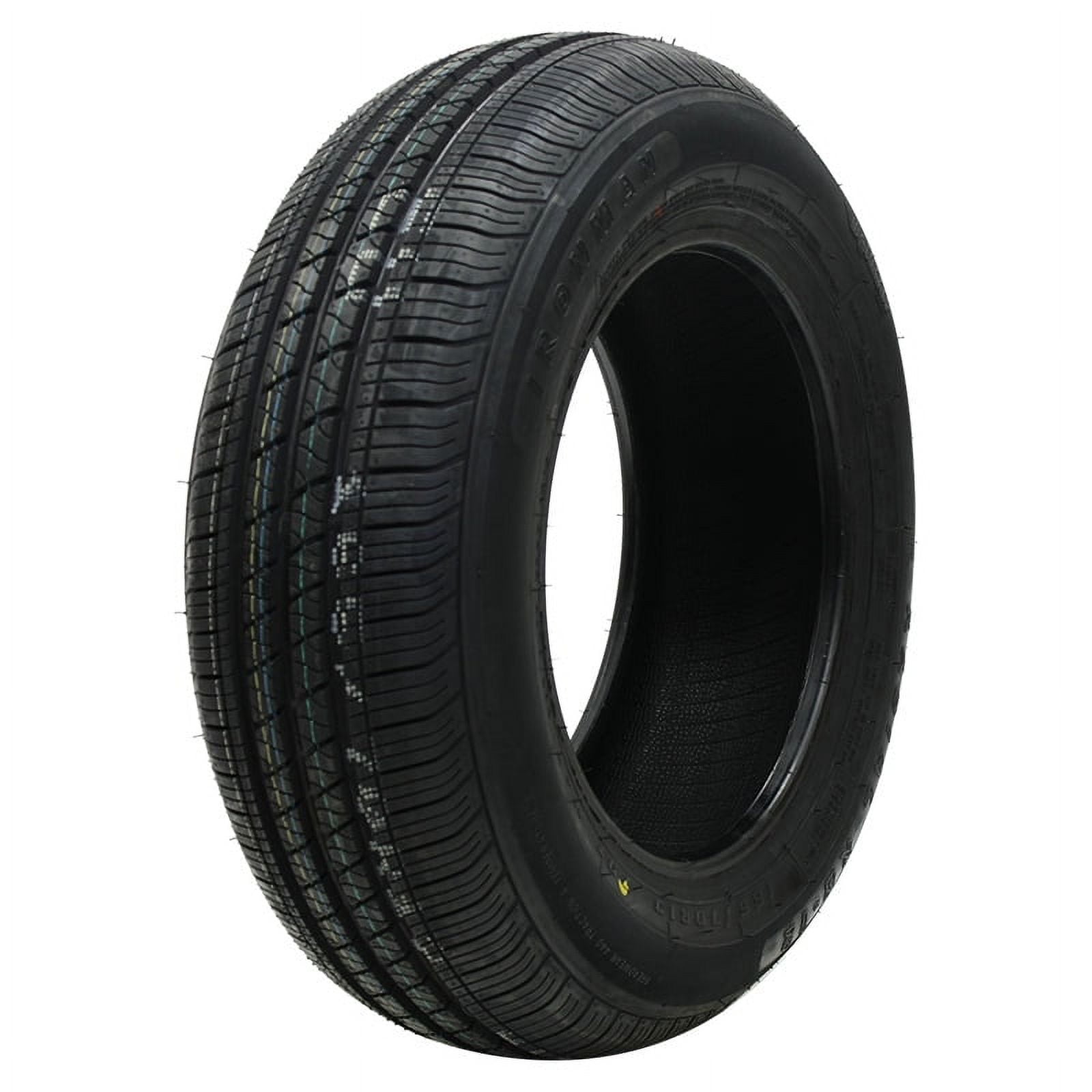
- Wheels and Tires: 14-inch steel wheels fitted with full plastic wheel covers and standard all-season tires.
- Seating: Durable fabric upholstery with manual front seat adjustments and a 60/40 split-folding rear seatback.
- Mirrors and Glass: Power-adjustable side view mirrors and tinted solar-control glass.
Powertrain, Performance, and Fuel Economy
Beneath the hood, the 2002 Honda Accord Value Package relies on Honda’s legendary F23 series engine. This powerplant represents an era of naturally aspirated engineering focused on longevity, smooth power delivery, and straightforward maintenance access.
| Specification | Details |
|---|---|
| Engine Type | 2.3L Inline-4 (F23A5 or F23A1 variants) |
| Valvetrain | SOHC, 16-valve VTEC (Variable Valve Timing and Lift Electronic Control) |
| Horsepower | 135 hp @ 5,500 RPM (DX/VP tune) |
| Torque | 145 lb-ft @ 4,500 RPM |
| Transmission Options | 5-speed manual or 4-speed automatic |
| Drivetrain | Front-Engine, Front-Wheel Drive (FWD) |
| EPA Fuel Economy | Approx. 20-23 mpg City / 28-30 mpg Highway (depending on transmission) |
The 2.3-liter engine is characterized by a broad torque curve that makes city driving effortless. While 135 horsepower is modest by modern standards, it is more than adequate for merging onto fast-moving highways and maintaining steady legal speeds. The manual transmission offers direct, mechanical shifts with a forgiving clutch pedal, whereas the 4-speed automatic shifts smoothly, though long-term durability of the automatic unit requires careful maintenance scrutiny, as discussed later in this guide.
Chassis, Suspension, and Ride Quality
One of the defining engineering triumphs of the sixth-generation Accord is its suspension architecture. Unlike many contemporary economy cars that relied on simpler torsion beam or MacPherson strut setups, Honda utilized a double-wishbone suspension design for both the front and rear axles.
This motorsport-derived geometry allows the tire contact patch to remain perpendicular to the road surface during cornering, yielding responsive handling, balanced body control, and confident stability. Despite its budget-oriented status, the Value Package inherits this sophisticated chassis architecture. The ride quality strikes an ideal balance between compliance over rough urban pavement and tautness on sweeping highway off-ramps. Steering feedback through the engine-speed-sensitive power rack-and-pinion system is direct and communicative, making the vehicle easy to place in tight parking spaces or navigate through adverse weather conditions.
Safety Ratings and Equipment
Safety standards have evolved significantly since 2002, but the Accord Value Package was well-equipped for its era. The vehicle's structural integrity relies on crumple zones engineered to absorb frontal and side-impact energy, alongside steel side-impact door beams.
- Airbags: Dual front SRS airbags for the driver and front passenger. Front-seat side airbags were standard on higher trims like the EX, but optional or omitted on lower trims depending on the exact regional build date.
- Brakes: Power-assisted front ventilated disc brakes and rear drum brakes (or four-wheel discs on select variants), paired with an Anti-lock Braking System (ABS) as standard equipment on most Value Package builds.
- Crash Testing: In historical testing conducted by the National Highway Traffic Safety Administration (NHTSA), the sixth-generation Accord sedan earned solid ratings, typically achieving four to five stars for driver and front-passenger protection in frontal impacts.
Common Mechanical Issues and Long-Term Reliability
While the 2002 Honda Accord is widely celebrated as one of the most reliable vehicles ever built, buyers and owners must be aware of specific historical trouble spots that can affect a Value Package model today.
Automatic Transmission Durability
The most well-documented issue with sixth-generation Accords equipped with automatic transmissions is premature internal wear. Honda’s design for the 4-speed automatic in these model years occasionally suffered from inadequate lubrication of the secondary shaft bearing, leading to slipping gears, delayed engagement, or sudden transmission failure. When evaluating a used Value Package with an automatic transmission, verify that fluid changes have been performed religiously using genuine Honda ATF, and test-drive the vehicle thoroughly to ensure crisp, positive shifts without shuddering.
Engine Oil Consumption and Gasket Seepage
As these vehicles accumulate high mileage, the rubber valve cover gaskets, distributor O-rings, and VTEC solenoid gaskets are prone to hardening and oil seepage. Furthermore, piston rings can occasionally experience minor sticking if oil changes were neglected, leading to increased oil consumption. Checking oil levels regularly is a mandatory habit for maintaining an older Accord engine.
Suspension Bushings and Ball Joints
Due to the complexity of the double-wishbone suspension, numerous rubber bushings, compliance bushings, and ball joints exist. Over decades of service, these rubber components dry rot, crack, and tear, resulting in clunking noises over bumps, uneven tire wear, and vague steering wander. Inspecting the control arms, tie rod ends, and CV boots during routine oil changes prevents unexpected roadside failures.
Ownership Experience: Maintenance, Parts Availability, and DIY Potential
One of the greatest advantages of owning a 2002 Honda Accord Value Package is the sheer ease of maintenance and the abundance of replacement parts. Because Honda produced millions of vehicles on this platform, aftermarket and OEM parts are inexpensive, widely stocked, and easy to source.
The engine bay is laid out with exceptional logic and generous workspace, making routine tasks—such as spark plug replacement, air filter changes, oil servicing, and belt inspections—ideal for beginner DIY mechanics. Clear enthusiast forums, video walkthroughs, and factory service manuals provide comprehensive troubleshooting guidance for nearly every potential repair scenario. Furthermore, fuel efficiency remains a strong financial asset, keeping daily commuting costs low even in fluctuating economic climates.
Comparing the Value Package to Rival Sedans of 2002
When purchased new or evaluated in the used market, the 2002 Honda Accord Value Package competed directly against several major rivals from Japan and the United States.
- Toyota Camry (XV20 Generation): The Camry offered a softer, quieter ride and bulletproof engine reliability, but its interior styling and handling dynamics felt sterile compared to the engaging, driver-focused chassis of the Accord.
- Nissan Altima: Redesigned for 2002 with bolder styling and a punchy 2.5-liter engine, the Altima offered more interior room but suffered from early interior material quality issues and catalytic converter vulnerabilities.
- Ford Taurus: While the Taurus provided generous cabin space and comfortable highway cruising, its transmission reliability and resale value routinely lagged behind Japanese competitors like Honda and Toyota.
The Accord Value Package carved out its niche by offering a sweet spot of engaging driving dynamics, practical utility, and robust build quality that few domestic competitors could match at a comparable price point.
Frequently Asked Questions
What exact features make the 2002 Accord Value Package different from the DX trim?
The Value Package adds air conditioning, an AM/FM CD player, cruise control, power door locks with remote keyless entry, and floor mats—features that were either entirely optional or missing on the base DX model.
Does the 2002 Honda Accord Value Package have a V6 engine?
No. The Value Package is exclusively equipped with a 2.3-liter inline-four-cylinder engine featuring VTEC technology. V6 engines for the 2002 model year were reserved for the LX V6 and EX V6 trim levels.
Is the 2002 Honda Accord Value Package a reliable first car?
Yes. Its straightforward mechanical design, excellent safety record for its era, affordable repair parts, and strong fuel economy make it an ideal, dependable choice for first-time drivers and budget-minded commuters.
How can I tell if a used 2002 Accord has transmission problems?
During a test drive, pay close attention to how the automatic transmission shifts between gears. Hesitation, slipping, flaring RPMs between shifts, or a harsh clunk when engaging Drive or Reverse indicate impending transmission failure.
What type of fuel does the 2002 Accord Value Package require?
The 2.3-liter engine is designed to run efficiently on standard 87-octane regular unleaded gasoline. Premium fuel provides no performance or fuel economy benefits for this engine.
Conclusion and Final Recommendations
The 2002 Honda Accord Value Package represents an era of automotive manufacturing where simplicity, mechanical durability, and user-focused engineering took precedence over excessive electronic complexity. For prospective used car buyers seeking dependable, low-cost transportation, a well-maintained Value Package remains a smart investment. When shopping for one today, prioritize vehicles with verified service records, rust-free chassis structures, and smooth-shifting transmissions. Address minor rubber and gasket wear proactively, and this humble sedan will continue to deliver faithful service for years to come.