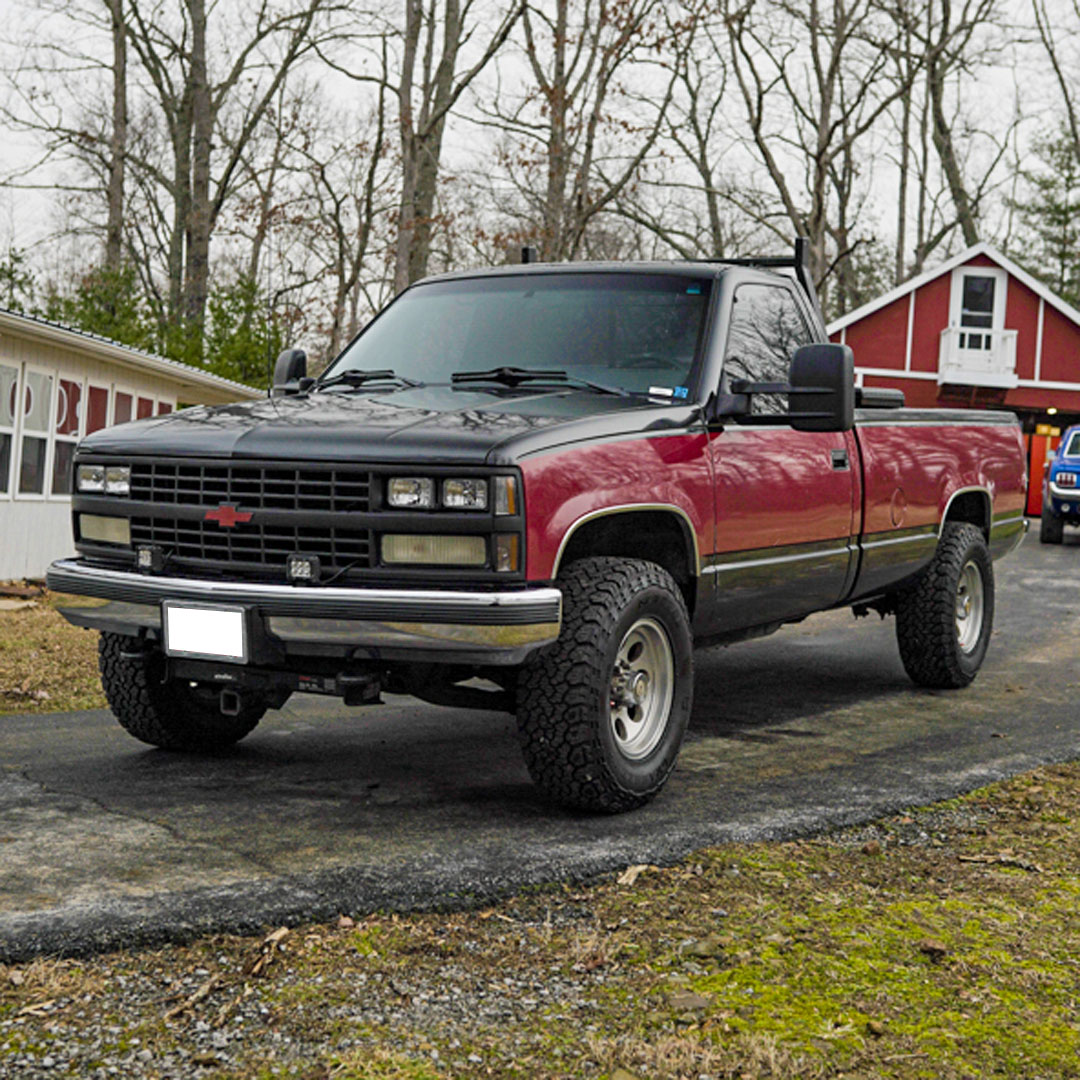
The 1989 Chevrolet Silverado represents the top-tier trim level of the Chevrolet C/K series pickup truck, the second model year of the revolutionary GMT400 platform. This vehicle serves as a bridge between the utilitarian "Square Body" era and the modern era of refined, aerodynamically designed workhorses, featuring a fuel-injected engine lineup and an independent front suspension that redefined pickup truck handling.
The Significance of the GMT400 Platform in 1989
To understand the 1989 Chevrolet Silverado, one must understand the GMT400 platform. Launched for the 1988 model year, this platform replaced the aging C/K "Square Body" design that had been in production since 1973. By 1989, General Motors had ironed out many of the first-year production jitters, making the 1989 model a highly sought-after year for collectors and enthusiasts in 2026.
The 1989 model year was crucial because it solidified the market's transition toward trucks as primary daily drivers rather than just agricultural or industrial tools. The Silverado trim, specifically, was the most luxurious version available, sitting above the base Cheyenne and mid-level Scottsdale packages. It offered an interior that rivaled contemporary sedans, featuring extensive sound deadening, high-quality velour upholstery, and a dashboard layout focused on driver ergonomics.
The distinction between the C and K designations is fundamental: "C" denoted two-wheel drive (2WD), while "K" signified four-wheel drive (4WD). These trucks were available in three weight classes: 1500 (half-ton), 2500 (three-quarter-ton), and 3500 (one-ton).
Engine Specifications and Powertrain Options
In 1989, Chevrolet utilized Throttle Body Injection (TBI) across its gasoline engine lineup. While not as advanced as modern multi-port or direct injection, TBI was a massive leap forward from carburetors, providing better cold-start reliability, smoother idling, and improved fuel efficiency.
The 5.7L V8 (350 cu in)
The 5.7L V8 (RPO L05) was the "gold standard" for the 1989 Silverado. Producing approximately 210 horsepower and 300 lb-ft of torque, it provided the ideal balance of towing capability and reliability. The cast-iron block and cylinder heads made it incredibly durable, often reaching 300,000 miles with basic maintenance.
The 4.3L V6 (262 cu in)
The base engine for the 1500 series was the 4.3L V6. Often referred to as "three-quarters of a 350," this engine shared the same bore and stroke as its V8 sibling. In 1989, it produced 160 horsepower and was surprisingly capable for light-duty tasks, though it struggled when paired with heavy trailers or high-altitude driving.
Big Block and Diesel Options
For those requiring maximum torque, the 1989 3500 series could be equipped with the 7.4L (454 cu in) V8. This engine was a powerhouse for its time, delivering 385 lb-ft of torque, though fuel economy was notoriously poor. Additionally, a 6.2L naturally aspirated Diesel V8 was available. While it lacked the performance of later turbocharged Duramax engines, it offered exceptional fuel economy for a full-size truck and is still prized by diesel enthusiasts for its simplicity.
| Engine Type | Displacement | Horsepower | Torque (lb-ft) | Fuel System |
|---|---|---|---|---|
| V6 (LB4) | 4.3L / 262 ci | 160 hp | 235 lb-ft | TBI |
| V8 (L03) | 5.0L / 305 ci | 175 hp | 270 lb-ft | TBI |
| V8 (L05) | 5.7L / 350 ci | 210 hp | 300 lb-ft | TBI |
| V8 (L19) | 7.4L / 454 ci | 230 hp | 385 lb-ft | TBI |
| Diesel V8 (LH6) | 6.2L / 379 ci | 126 hp | 240 lb-ft | Mechanical Inj |
Transmission and Drivetrain Innovation
The 1989 Silverado featured several transmission options that dictated the truck's character. The most common automatic was the 700R4 (later renamed the 4L60). This four-speed overdrive transmission allowed for comfortable highway cruising at lower RPMs, which was a significant improvement over the three-speed units of the previous generation.
Heavy-duty models (2500 and 3500) often utilized the TH400 (Turbo-Hydramatic 400), a legendary three-speed automatic known for near-indestructibility, though it lacked an overdrive gear, leading to high fuel consumption at highway speeds. For manual enthusiasts, the five-speed Getrag-designed NV3500 transmission was available in 1500 models, offering a car-like shift feel.
Insta-Trac 4WD System
One of the headline features for 1989 was the Insta-Trac 4WD system. Unlike older trucks that required the driver to stop and manually lock the front hubs, Insta-Trac allowed for "shift-on-the-fly" engagement of 4WD at any speed. This was made possible by a vacuum-actuated or thermal-actuated front axle engagement system, which significantly increased the truck's utility in varying weather conditions.
Exterior Design and the "Sport" Package
The 1989 Silverado shed the boxy, wind-resistant shape of its predecessors for a more "flush" design. This included a raked windshield, recessed drip rails, and flush-mounted side glass. These changes weren't just for aesthetics; they reduced wind noise and improved aerodynamics, which helped the truck meet tightening CAFE (Corporate Average Fuel Economy) standards.
Body Configurations
Buyers could choose between the Fleetside (smooth-sided) and Stepside (fenders outside the bed) boxes. The Stepside featured a fiberglass rear fender design that gave the truck a sporty, retro look, though it offered less cargo volume. The 1989 model was available in Regular Cab and "Big Dooley" dual-rear-wheel configurations, as well as the popular Extended Cab, which provided additional interior storage space behind the front seats.
The 1989 Sport Package (RPO BYP)
A notable addition for the 1989 model year was the Sport package. This was a precursor to the high-performance trucks of the 1990s. It included a blacked-out grille, body-colored bumpers, special "Sport" decals, and 15-inch chrome-styled wheels. It was available only on short-bed Fleetside models and remains a rare find for collectors in 2026.
Interior Features of the Silverado Trim
The "Silverado" badge in 1989 signified the highest level of luxury Chevrolet offered in a pickup. Stepping inside a Silverado trim truck was a significantly different experience than the base Cheyenne.
Key interior features included:
- Full Instrumentation: While base models had simple lights, the Silverado featured a complete set of gauges, including a tachometer (on some models), oil pressure, and voltmeter. These are often called "Moonie" gauges due to their unique, backlit appearance used from 1988 to 1991.
- Velour Seating: High-grade cloth or velour was used for the bench or optional bucket seats.
- Power Conveniences: Power windows and power door locks were standard on the Silverado trim, a luxury in the truck world of 1989.
- Delco Audio: The truck featured the "two-knob" or "equalizer" Delco radio systems, often paired with a separate cassette player located in the center of the dashboard.
- Storage: The dashboard featured a large "glove box" that opened downward and a smaller storage cubby above the radio.
Handling and Suspension: The IFS Revolution
Perhaps the most significant technical advancement of the 1989 Chevrolet Silverado was the Independent Front Suspension (IFS) on 4WD models. While Ford and Dodge continued to use solid front axles or Twin-Traction Beam setups, Chevrolet moved to a torsion bar-sprung IFS.
This change drastically improved ride quality. The truck felt less like a tractor and more like a large station wagon on the road. The IFS allowed the front wheels to react independently to bumps, reducing the "bump steer" common in older pickups. For 2WD models, the truck used a more traditional coil-spring independent front suspension. The rear of all 1989 Silverados retained a solid axle with leaf springs to ensure the truck could still handle heavy payloads.
Common Issues and Maintenance for 2026 Owners
As these trucks approach their 40th anniversary, certain mechanical and structural issues have become well-known. Prospective buyers or current owners should pay close attention to the following:
- Dashboard Cracking: The plastics used in the early GMT400 dashboards were prone to UV damage. Finding an uncracked original dashboard in 2026 is extremely rare; most have been replaced or covered.
- Transmission TV Cable: On the 700R4 automatic transmission, the Throttle Valve (TV) cable is critical. If it is misadjusted, the transmission will not shift correctly and can burn itself out in a matter of miles.
- TBI Fuel Issues: The Throttle Body Injection system is generally reliable, but the fuel injectors can leak or develop poor spray patterns over time. Replacing the TBI base gaskets is also a common maintenance task to solve vacuum leaks.
- Cab Corner and Rocker Rust: Like all vintage steel-bodied trucks, the 1989 Silverado is susceptible to rust, particularly in the cab corners, rocker panels, and the area above the rear wheel arches.
- Coolant Temperature Sensors: Faulty sensors can cause the TBI system to stay in "open loop," leading to extremely rich fuel mixtures and poor engine performance.
The 1989 Silverado in the 2026 Market
In 2026, the 1989 Chevrolet Silverado has transitioned from a "used truck" to a "classic vehicle." Value is heavily dependent on the configuration. Short-bed, regular cab models (specifically those with the Sport package or 4WD) command the highest prices.
Clean, low-mileage "survivor" trucks have seen a steady increase in value as enthusiasts who grew up in the late 80s and early 90s enter the collector market. The availability of aftermarket parts is exceptional, with companies like LMC Truck and Holley offering everything from replacement sheet metal to modern EFI conversion kits that replace the aging TBI system.
Comparison: Chevrolet Silverado vs. The Competition
In 1989, the primary competitors were the Ford F-150 and the Dodge Ram.
- Ford F-150: Ford was using the eighth-generation F-Series. While Ford offered fuel injection earlier than GM, the 1989 F-150 still used a more traditional, boxy body style and the Twin-I-Beam front suspension, which many drivers found more difficult to align and maintain than GM's IFS.
- Dodge Ram: In 1989, Dodge was still using a body style that dated back to 1972. While the introduction of the Cummins Turbo Diesel in 1989 was a game-changer for heavy-duty buyers, the standard gasoline-powered Rams lagged behind the Silverado in terms of interior comfort and aerodynamic efficiency.
Frequently Asked Questions
Is the 1989 Silverado fuel injected?
Yes, all gasoline engines in the 1989 Silverado lineup used Throttle Body Injection (TBI). This system uses two injectors located at the top of the throttle body to deliver fuel into the intake manifold. It was a significant upgrade over the carburetors used in previous years, offering better reliability and emission control.
What is the towing capacity of a 1989 Silverado 1500?
A properly equipped 1989 Silverado 1500 with the 5.7L V8 and the 3.73 rear axle ratio generally has a maximum towing capacity of approximately 6,000 to 7,500 pounds. However, this varies based on the cab configuration, transmission, and whether the truck has the factory towing package.
How can I tell if my 1989 truck is a true Silverado trim?
Check the Service Parts Identification (SPID) sticker, usually located in the glove box. Look for the RPO code YE9. This code confirms the Silverado trim level. The exterior should also feature the "Silverado" nameplate on the B-pillars or tailgate, though these are often replaced or removed during repaints.
Does the 1989 Silverado have airbags?
No. The GMT400 platform did not introduce a driver-side airbag until the 1995 model year. The 1989 model relies on standard three-point seatbelts and the structural integrity of the frame for occupant safety.
What is the "Moonie" dash?
"Moonie" dash refers to the translucent, backlit gauges found in the 1988–1991 Chevrolet trucks. They are called this because the entire gauge face glows with a soft light rather than being illuminated by needles or peripheral bulbs. While stylish, they are known for failing or becoming dim with age.
Recommendation for Prospective Buyers
If you are looking to purchase a 1989 Chevrolet Silverado in 2026, prioritize a truck with a documented maintenance history and a clean frame. The 5.7L V8 paired with the 4WD system (K1500) remains the most versatile and collectible configuration. Avoid trucks with significant "hack-job" wiring or major rust in the frame rails, as these can be prohibitively expensive to repair. Because the 1989 model year uses the older TBI system and the "Moonie" gauges, it is ideal for someone who appreciates the specific aesthetics of the late 1980s but wants the reliability of a fuel-injected engine.