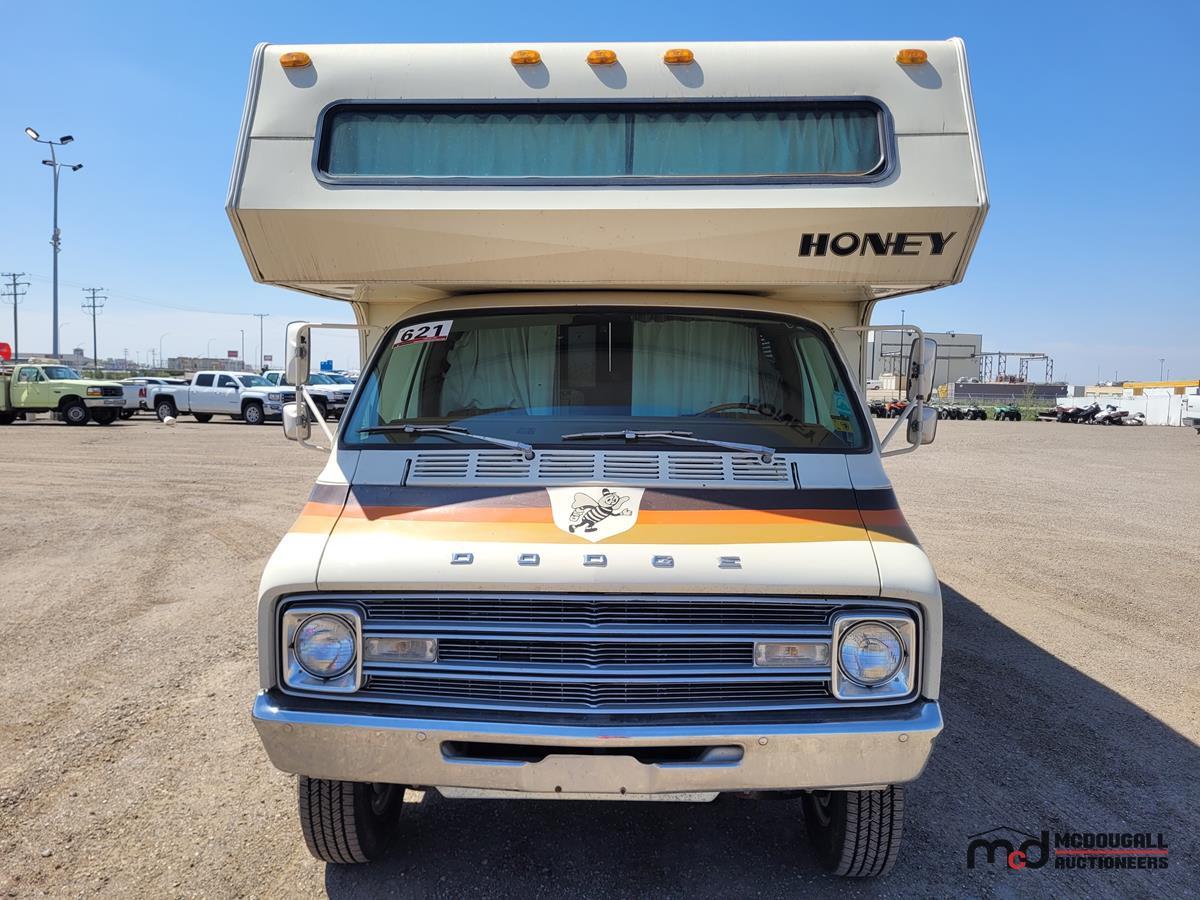
The 1977 Dodge Sportsman motorhome represents a pivotal era in recreational vehicle history, characterized by the widespread adoption of the Dodge B-series van chassis as the foundation for Class C and mini-motorhomes. These vehicles are defined by their robust M-series stripped chassis, V8 power plants, and a unique blend of mid-1970s automotive engineering that prioritized mechanical simplicity and modular coach-building.
The Evolution of the Dodge Sportsman Chassis
During the 1970s, Dodge—a division of Chrysler Corporation—dominated the motorhome chassis market. The 1977 model year fell within the prime production window of the Dodge M300 and M400 chassis, which served as the structural backbone for brands like Winnebago, Tioga, and Coachmen. Unlike modern RVs that utilize highly integrated, proprietary platforms, the 1977 Sportsman relied on a truck-based architecture that was intentionally over-engineered for the weight of the coach bodies placed upon them.
The chassis itself featured a heavy-duty frame designed to handle the localized stresses of a box-like living structure. In 1977, Dodge transitioned through various emissions standards, making the engine configurations of this year particularly sensitive to maintenance. The chassis typically included a wide-track front end and dual rear wheels (duallies) on heavier models, providing a level of stability that allowed these vehicles to maintain popularity long after they left the factory floor.
Engine and Powertrain Specifications
The heart of the 1977 Dodge Sportsman is almost invariably a Chrysler LA-series or B-series V8 engine. The most common configuration for this year was the 360 cubic-inch (5.9L) V8 or the 440 cubic-inch (7.2L) "Big Block" V8. These engines were renowned for their torque output, which was essential for moving the heavy, non-aerodynamic fiberglass or aluminum-sided shells of the era.
Transmission duties were generally handled by the Torqueflite 727 three-speed automatic. This transmission is legendary for its durability, often outlasting the vehicle's coachwork. However, these power plants operated under significant heat stress, especially when climbing gradients in high-temperature environments. Owners in 2026 often find that the primary limitation of these engines is not the mechanical hardware itself, but the secondary emissions equipment—specifically air pumps (smog pumps) and thermal vacuum valves—which frequently fail or were improperly bypassed during previous maintenance cycles.
Coach Construction and Interior Systems
While the chassis was a Dodge product, the "house" portion of the 1977 Sportsman was typically constructed by third-party coachbuilders. Consequently, the term "Sportsman" can refer to a variety of interior floor plans. Common features included:
- Materials: Interiors often utilized heavy wood-grain vinyl paneling, high-pile shag carpeting, and laminate countertops.
- Appliances: Most units were equipped with dual-fuel refrigerators (LP gas and 120V AC), a four-burner stove with an oven, and a forced-air furnace.
- Plumbing: The plumbing systems of 1977 were rudimentary, often relying on copper tubing or early plastic piping that is prone to calcification and cracking after five decades.
In 2026, the primary concern for any prospective buyer or owner is moisture intrusion. The roof construction of 1977 motorhomes usually consisted of thin aluminum sheeting over wooden rafters. If the roof sealant—typically a lap sealant—has failed over the last half-century, dry rot in the structural framing is almost guaranteed.
Critical Technical Considerations for Modern Operation
Operating a 1977 Dodge Sportsman in the current era requires a shift in perspective regarding safety and performance. Because these vehicles were built before the widespread implementation of modern electronic fuel injection (EFI) and sophisticated safety systems, they require a proactive maintenance approach.
Electrical Systems
The electrical architecture is split between the chassis (12V DC starting circuit) and the coach (12V DC house circuit and 120V AC shore power). The 120V systems from 1977 often lack modern Ground Fault Circuit Interrupter (GFCI) protections. It is highly recommended that current owners install GFCI outlets at every wet point (kitchen and bathroom) to bring the vehicle up to modern safety standards. Furthermore, the original converter/charger units are frequently inefficient and can boil the electrolytes out of modern AGM or Lithium house batteries.
Braking and Suspension
The 1977 Dodge chassis utilized a front disc, rear drum braking configuration with a vacuum-assisted booster. In 2026, rubber brake hoses are likely the most critical "hidden" failure point. Over time, these hoses can collapse internally, creating a one-way valve effect where the brakes lock up and fail to release. A full system flush and the replacement of all flexible rubber lines are mandatory safety steps before taking a 1977 model on the road.
Comparison of Dodge Chassis Configurations
| Component | 360 V8 Engine | 440 V8 Engine |
|---|---|---|
| Displacement | 5.9 Liters | 7.2 Liters |
| Primary Use | Standard weight motorhomes | Large, heavy Class C/Coach |
| Fuel Economy | 8–10 MPG | 6–8 MPG |
| Durability | High (Short-stroke) | Very High (Torque-focused) |
| Parts Availability | Excellent (Interchangeable) | Good (High demand) |
Troubleshooting Common Issues
When troubleshooting a 1977 Dodge Sportsman, start with the "Holy Trinity" of vintage engine performance: fuel, spark, and air.
- Fuel System: The mechanical fuel pump is a frequent failure point. It is common to replace these with a low-pressure electric fuel pump to prevent vapor lock—a common issue in 1977 models where gasoline boils in the fuel line due to heat soak.
- Ignition: The electronic ignition box (often called the "ECU" or "Ballast Resistor" system) is notorious for failing without warning. Owners should always carry a spare ballast resistor, as this inexpensive ceramic component is the most frequent cause of a "no-start" condition in Chrysler vehicles of this vintage.
- Vacuum Leaks: The engine controls for the transmission kick-down and the heating/cooling vents rely on vacuum lines. After nearly 50 years, these rubber lines are likely brittle. A comprehensive vacuum leak check is essential for smooth transmission shifting and engine idle.
Safety and Legal Considerations
As of 2026, the 1977 Dodge Sportsman is considered a "vintage" or "classic" vehicle in most jurisdictions. While this status can offer benefits such as reduced registration fees or insurance premiums under classic policies, it also comes with restrictions. Many campgrounds have implemented "10-year rules," which prohibit RVs older than a decade unless they have been meticulously maintained and pass a visual inspection.
Insurance coverage for these vehicles is distinct from standard auto insurance. Because standard insurers often refuse to cover vehicles of this age due to the difficulty of valuing repairs or finding parts, owners must seek out "Stated Value" or "Agreed Value" policies. This ensures that in the event of a total loss, the owner is reimbursed based on an appraisal rather than the depreciated market value, which would otherwise be negligible.
Verification and Restoration Strategy
If you are planning to purchase or restore a 1977 model, your first task should be to locate the VIN and the chassis serial number. These are found on the metal tag riveted to the driver-side door pillar. This tag contains the production codes for the axle ratio, transmission type, and original engine specifications.
Verification of the engine block date code can tell you if the engine is original. A common "hack" in the vintage RV world is to swap a high-mileage 360 engine for a "crate" motor from a later year. While this improves reliability, it may affect the vehicle's historical classification in some states.
Frequently Asked Questions
1. Is parts availability an issue for a 1977 Dodge chassis? No. Because the B-series van and M-series chassis shared components with Dodge trucks and passenger cars throughout the late 70s and 80s, drivetrain parts are widely available through major auto parts retailers. Coach-specific parts, like window seals and taillight lenses, are harder to find and often require custom fabrication or sourcing from vintage RV forums.
2. How do I improve the fuel efficiency of a 1977 Dodge motorhome? Improving fuel economy in a 1977 motorhome is challenging due to the heavy chassis and aerodynamics. However, ensuring the timing is advanced correctly, replacing the carburetor with a modern, vacuum-secondary unit, and ensuring the tires are inflated to the maximum cold-pressure rating can yield incremental gains. Do not expect modern fuel efficiency; the vehicle was designed for power and load-hauling, not economy.
3. What is the most common cause of leaks in the roof? The most common leak point is not necessarily the roof material itself, but the seam where the roof meets the sidewall, often covered by a plastic strip. Over time, the sealant underneath this strip dries out. Professionals recommend removing the strip, cleaning the area with mineral spirits, and applying a high-quality self-leveling lap sealant.
4. Are these motorhomes safe for modern highway speeds? These vehicles are capable of highway speeds, but the steering geometry is "loose" by modern standards. Steering gearboxes can be rebuilt to remove play, and installing a steering stabilizer can significantly reduce driver fatigue and the "wandering" feeling common in heavy, vintage front-end designs.
5. How should I handle the old plumbing? If the vehicle has sat for a long time, the internal plumbing is a liability. It is common to bypass the original water tank and pump entirely, opting for a modern, sanitized external jug system, or to re-plumb the entire interior with PEX tubing, which is resistant to freezing and much easier to install than the original copper or semi-rigid PVC.
Recommendations for Owners
If you currently own or are considering a 1977 Dodge Sportsman, prioritize the "mechanical baseline" before attempting aesthetic renovations. Start by replacing all fluids—engine oil, transmission fluid, differential gear oil, and brake fluid. Replace the rubber fuel lines with modern, ethanol-compatible hose, as modern gasoline contains significantly more ethanol than the fuel available in 1977, which will degrade the original lines.
Once the drivetrain is verified, inspect the coach structure for rot, particularly around the wheel wells and the front cab-over area if applicable. Addressing these structural integrity issues immediately will prevent the vehicle from becoming a total loss due to water damage. With diligent maintenance, the 1977 Dodge Sportsman remains a capable, highly serviceable platform for those who value the mechanical simplicity of the late-seventies era.