When purchasing or maintaining a luxury vehicle that has crossed or approaches the 150,000-mile threshold, securing proper mechanical and financial protection becomes vital. For a Mercedes-Benz, "150k coverage" typically refers to extended service contracts, third-party extended warranties, or specialized mechanical breakdown insurance designed to protect high-mileage German engineering against costly component failures. Because modern Mercedes-Benz models integrate complex electronics, turbocharged engines, and sophisticated air suspension systems, understanding your coverage options at this mileage tier is essential for long-term ownership planning.
The Reality of Owning a Mercedes-Benz at 150,000 Miles
Reaching 150,000 miles is a notable milestone for any automobile, but for a Mercedes-Benz, it represents a crossroads between enduring mechanical durability and the inevitable onset of major component wear. Modern luxury vehicles are marvels of engineering, featuring advanced driver assistance systems (ADAS), multi-zone climate controls, intricate wiring harnesses, and high-pressure fuel injection systems. However, as rubber seals harden, electronics age, and mechanical tolerances widen, the frequency and cost of repairs rise significantly compared to standard mainstream vehicles.
When evaluating protection plans for a vehicle at this stage, owners must look past basic powertrain warranties. At 150,000 miles, failures are less likely to involve a catastrophic engine block fracture and more likely to stem from peripheral systems: alternators, starters, transmission control modules, air suspension compressors, and timing chain guides. Navigating these potential expenses requires a clear-eyed assessment of whether factory-backed programs, specialized independent extended warranties, or self-insurance makes the most financial sense.
Factory-Backed Options vs. Third-Party Providers
Finding mechanical breakdown protection for a Mercedes-Benz with 150,000 miles requires distinguishing between original manufacturer programs and independent third-party administrators. Each path comes with distinct rules, eligibility constraints, and coverage scopes.
Mercedes-Benz Extended Limited Warranty and CPO Limits
Official factory-backed protection plans from Mercedes-Benz, such as Extended Limited Warranties, are typically structured for newer vehicles or those within specific time and mileage boundaries (often capping eligibility well before 100,000 or 125,000 miles). Certified Pre-Owned (CPO) extensions also have strict mileage ceilings. Consequently, a vehicle sitting precisely at or above 150,000 miles will rarely qualify for a factory-backed warranty directly from the manufacturer. Owners must generally turn to specialized third-party extended warranty providers or specialized vehicle service contract (VSC) companies that cater to high-mileage luxury vehicles.
Third-Party Vehicle Service Contracts (VSCs)
Independent administrators offer a wider range of high-mileage plans, sometimes extending coverage up to 150,000 or even 200,000 total odometer miles. However, enrolling a car that already has 150,000 miles narrows the field considerably. Many providers enforce strict entry caps—such as a maximum of 125,000 or 140,000 miles at the time of purchase. For cars that do qualify, policies are generally split into two main categories:
- Exclusionary Plans: These represent the highest tier of third-party protection. They cover every mechanical and electrical component of the vehicle unless it is explicitly listed as excluded in the contract.
- Stated Component / Powertrain Plans: These list specific parts that are covered (e.g., engine block, transmission casing, differential). At 150,000 miles, basic powertrain-only plans may leave owners exposed to expensive electronics and suspension repairs, making comprehensive or exclusionary tiers much more relevant despite their higher upfront cost.
Key Factors Influencing Coverage Eligibility and Cost
Insuring or protecting a high-mileage luxury car involves risk assessment by the provider. Several variables dictate whether a 150k Mercedes-Benz can be covered and how much that coverage will cost.
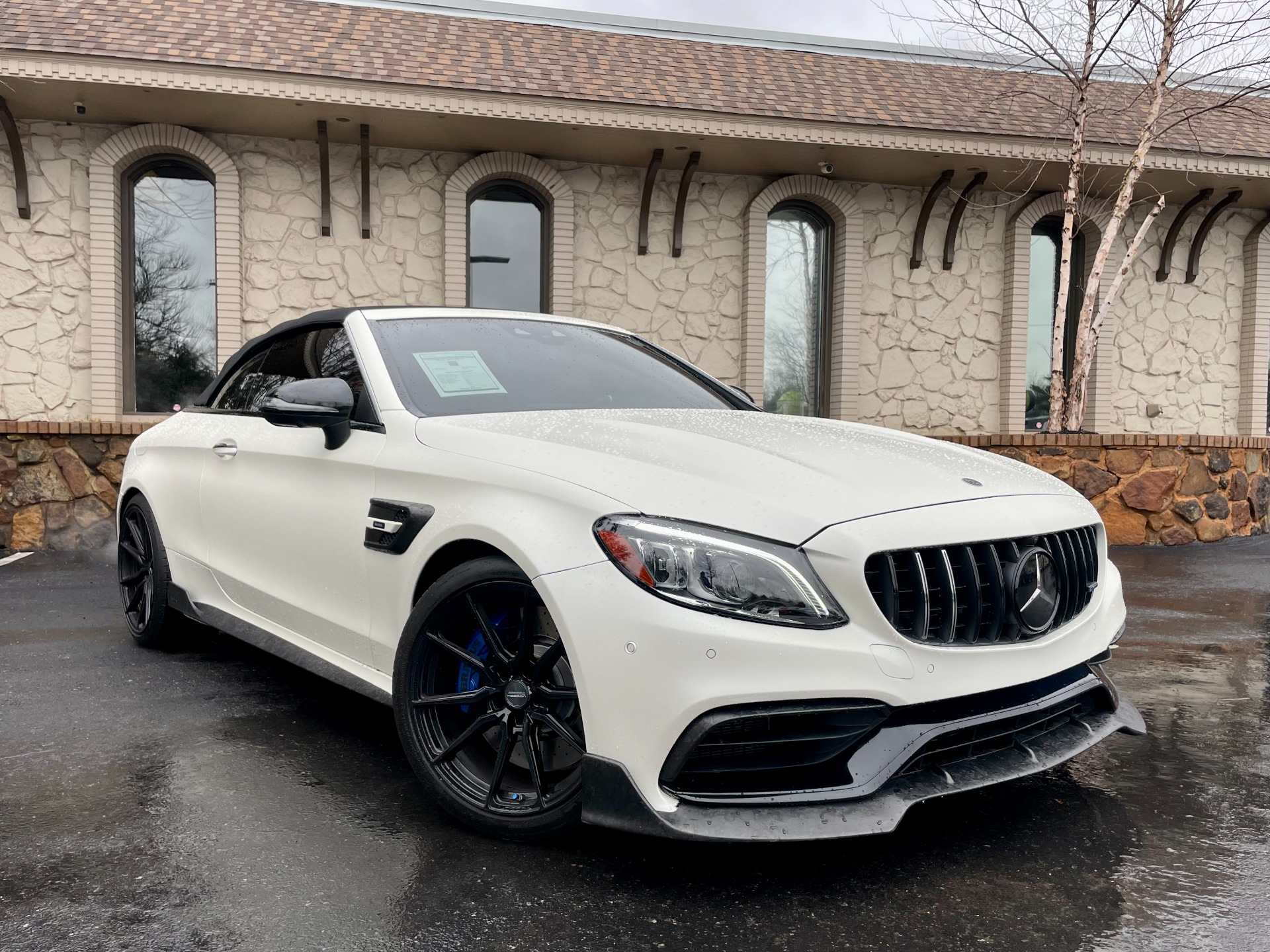
- Vehicle Age and Model Line: A 150,000-mile C-Class with a naturally aspirated engine may present a different risk profile to an underwriter than a high-performance AMG model or a flagship S-Class packed with complex hydraulic body control systems and dual-turbochargers.
- Maintenance History: Most third-party administrators require proof of regular oil changes and scheduled maintenance. A documented service history at authorized dealerships or certified independent European repair shops is frequently mandatory to validate a contract.
- Pre-Inspection Requirements: Before underwriting a policy for a vehicle with 150k miles, providers often require a comprehensive mechanical inspection. Any pre-existing conditions discovered during this inspection must typically be repaired out-of-pocket before the policy takes effect.
- Deductibles and Labor Rates: High-end European vehicles often incur higher hourly labor rates at specialty shops. Policies with vanishing deductibles or flexible repair facility choices (allowing you to choose independent specialists over dealership service departments) can significantly impact overall value.
Comparison of Protection Strategies for High-Mileage Mercedes-Benz Models
| Protection Strategy | Typical Mileage Limit at Signup | Scope of Coverage | Repair Shop Flexibility | Cost Structure |
|---|---|---|---|---|
| Manufacturer CPO / Extension | Varies (Usually under 100k–125k) | Comprehensive / Factory-backed | Authorized Mercedes-Benz dealers only | High upfront; fixed terms |
| Third-Party Exclusionary VSC | Up to 140k–150k (model dependent) | Maximum coverage (everything except listed exclusions) | Certified mechanics and dealerships | Varies by age, mileage, and term |
| Powertrain-Only VSC | Up to 175k+ | Basic engine, transmission, and drive axle | Certified mechanics and dealerships | Lower upfront; high out-of-pocket risk for electronics |
| Self-Insuring (Emergency Fund) | None | Unlimited / Complete control | Any facility of choice | Unpredictable lump-sum expenses |
Common Mechanical and Electrical Considerations at 150,000 Miles
When evaluating whether 150k coverage is financially prudent, owners should analyze the specific vulnerabilities associated with high-mileage Mercedes-Benz platforms. Understanding what typically fails helps determine if policy inclusions match real-world risk.
- Suspension Systems: AIRMATIC and ABC (Active Body Control) suspension systems rely on complex air struts, hydraulic lines, and electronic sensors. Replacing a failed valve block or air compressor can easily eclipse the cost of a mid-tier warranty policy.
- Timing Chains and Guides: On certain older Mercedes-Benz V6 and V8 engines (such as the M272 and M273 families, depending on model year), plastic timing chain guides wear down over time. If a policy excludes internal engine components damaged by worn guides, owners face substantial repair bills.
- Cooling System Plastics: Thermostat housings, coolant reservoirs, and auxiliary water pumps utilize high-impact plastics that become brittle after years of thermal cycling. While minor cooling components are sometimes classed as wear-and-tear items, catastrophic overheating can result in severe engine damage.
- Transmission Conductors and Valve Bodies: Automatic transmissions require precise electronic control. Conductor plate failures can trigger "limp home" mode, requiring specialized electronic replacement and reprogramming.
Evaluating the Financial Trade-Off: Coverage vs. Self-Insuring
Deciding whether to purchase a service contract for a 150,000-mile Mercedes-Benz is ultimately a mathematical and risk-tolerance exercise. Extended service contracts for high-mileage luxury vehicles carry elevated premiums because the statistical probability of a claim is high.
Providers price these contracts to cover expected claims administration, overhead, and profit margins. Consequently, over the lifetime of a 1-to-2-year contract, the total cost of premiums plus deductibles may approach or exceed the cost of anticipated repairs.
However, the primary value of 150k coverage lies in catastrophic risk mitigation. If an engine experiences a sudden internal failure or an electronic control unit fails completely, having a valid service contract transforms an unpredictable, budget-breaking expense into a manageable deductible payment. Conversely, if an owner possesses a dedicated emergency savings fund equal to the vehicle's potential major repair liability, self-insuring avoids administrative hurdles, claim denials, and waiting periods associated with third-party administrators.
Frequently Asked Questions
Can I buy a factory extended warranty for a Mercedes-Benz with 150,000 miles?
No. Official manufacturer-backed extended warranties and Certified Pre-Owned extensions from Mercedes-Benz carry strict age and mileage limitations that expire long before a vehicle reaches 150,000 miles. Owners at this mileage tier must explore independent third-party vehicle service contracts.
Are pre-existing conditions covered under a 150k mileage warranty?
No. Warranty and service contract providers never cover pre-existing conditions. Most third-party administrators require a mandatory waiting period (e.g., 30 days and 1,000 miles) and often a pre-inspection where any existing mechanical flaws must be repaired by the owner before the policy activates.
Do third-party warranties require me to service my car at a Mercedes-Benz dealership?
Generally, no. Most reputable vehicle service contracts allow you to have repairs performed at any ASE-certified repair facility or independent European specialist shop, provided you adhere to the manufacturer's recommended maintenance schedule and keep detailed service records.
What is usually excluded from high-mileage service contracts?
Standard exclusions across almost all providers include routine wear-and-tear items such as brake pads, rotors, wiper blades, spark plugs, drive belts, tires, manual clutch discs, and cosmetic interior or exterior trim pieces.
Is it worth getting a warranty on a 150k-mile luxury car?
It depends on the specific model's reliability history and your personal risk tolerance. If the vehicle features complex twin-turbo engines and sophisticated air suspension, a comprehensive exclusionary policy can protect against severe financial surprises, provided the contract terms and fine print are thoroughly vetted.
Practical Next Steps for High-Mileage Owners
If you are considering coverage for a 150k Mercedes-Benz, begin by gathering your complete maintenance records and having a trusted independent mechanic perform a thorough bumper-to-bumper inspection. Identify any impending wear items that a warranty company would flag as pre-existing. Next, request quotes from multiple reputable third-party service contract providers, paying meticulous attention to the fine print regarding labor rate caps, exclusionary clauses, and network acceptance. Compare the total projected cost of the policy against your own liquid repair savings to determine the most secure path forward for your driving needs.