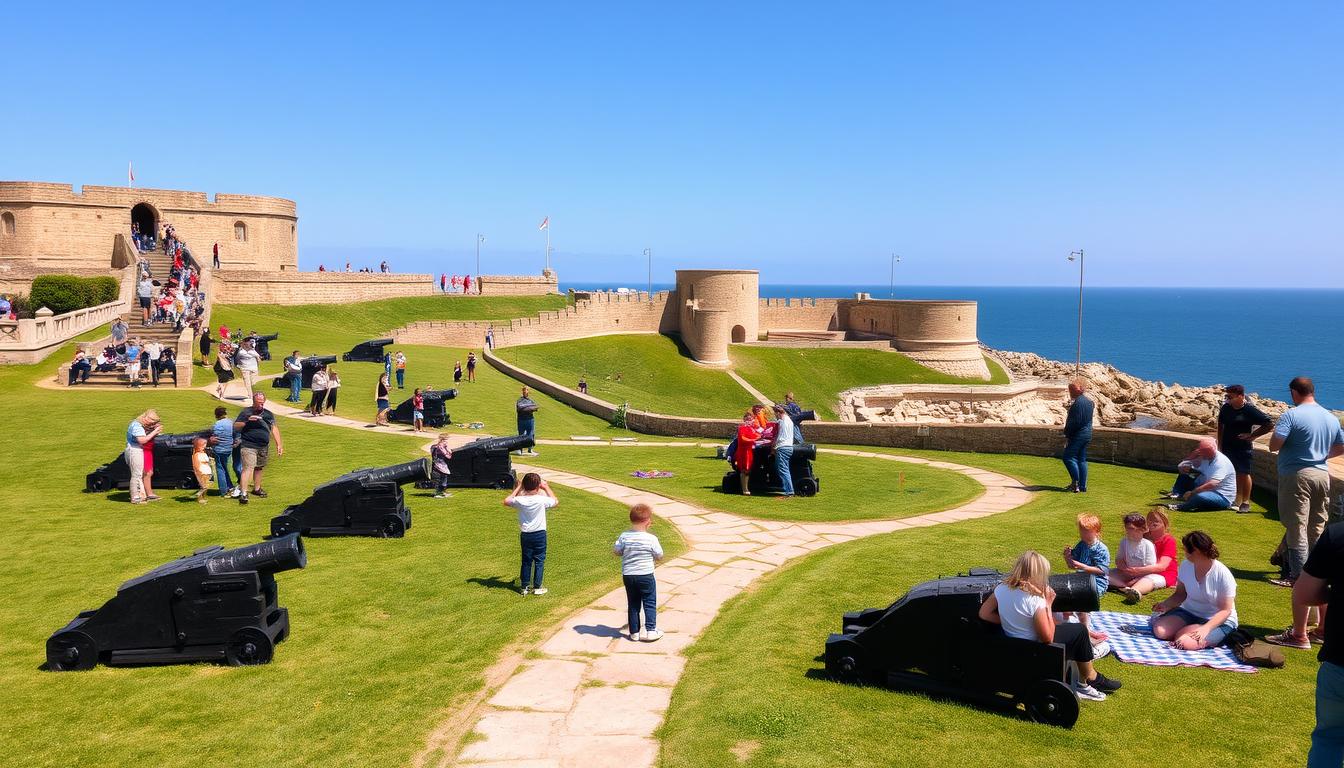
Fort Lee, Virginia—officially designated as Fort Gregg-Adams—is situated in the heart of Prince George County, just south of Petersburg and a short drive from Richmond. While the installation itself holds profound military history and serves as a vital logistics hub for the United States Army, the surrounding Tri-Cities region and Central Virginia offer an exceptional array of historical sites, outdoor recreation areas, cultural hubs, and family-friendly destinations. Whether you are a newly arrived service member, a visiting family member, or a local resident looking to explore your own backyard, uncovering the best points of interest near the base requires looking both into America's rich past and its vibrant modern landscape.
Planning a successful itinerary around Fort Lee involves understanding geographic proximity, operating hours, ticket fees, and visitor requirements for various federal, state, and private venues. Because the area blends colonial history, Civil War battlefields, and modern urban revitalization, visitors can easily transition from exploring 19th-century earthworks to dining in downtown Petersburg or Richmond within a matter of minutes. This guide outlines ten must-see attractions near the installation, detailing what to expect at each location, practical tips for access, and how to make the most of your time in Central Virginia.
1. U.S. Army Quartermaster Museum
Located directly on the installation of Fort Gregg-Adams (formerly Fort Lee), the U.S. Army Quartermaster Museum is an essential first stop for anyone stationed at or visiting the post. Established to preserve and showcase the history of the Army Quartermaster Corps, the museum houses extensive collections of uniforms, equipment, flags, and heavy tactical vehicles used from the Revolutionary War to the present day. Visitors can explore indoor exhibits detailing logistics operations, field feeding, mortuary affairs, and aerial delivery, alongside outdoor displays featuring historic vehicles and artillery pieces.
Because the museum is located on an active military installation, adult civilian visitors must ensure they possess valid government-issued photo identification (such as a REAL ID-compliant driver's license or passport) and be prepared to pass standard security screening at the visitor control center if they do not possess a DoD-affiliated ID card. Admission to the museum is free, though donations are accepted to support preservation efforts. Plan to spend approximately two hours to fully appreciate the indoor galleries and outdoor equipment park.
2. Petersburg National Battlefield
Encompassing over 2,700 acres of preserved historic land, the Petersburg National Battlefield commemorates the site of the famous, grueling 10-month Siege of Petersburg during the American Civil War. Managed by the National Park Service, the park is divided into several distinct units, with the main visitor center located just minutes from Fort Gregg-Adams. Highlights of the park include the historic Blandford Church (featuring Tiffany stained glass windows), the site of the infamous Battle of the Crater where Union forces tunneled beneath Confederate lines and detonated explosives, and miles of remarkably well-preserved earthworks, trenches, and artillery emplacements.
Visitors can begin their tour at the Eastern Front Visitor Center to watch an orientation film, view museum artifacts, and pick up self-guided auto-tour maps. The park offers an official driving tour that spans multiple distinct areas, making a vehicle essential for seeing the entire battlefield. Entrance fees apply per vehicle, though interagency passes like the America the Beautiful pass are accepted. Biking and walking trails are also available for those wishing to experience the historic landscape at a slower pace.
3. Pamplin Historical Park and the National Museum of the Civil War Soldier
Situated just south of Petersburg in Dinwiddie County, Pamplin Historical Park and the National Museum of the Civil War Soldier offers a deeply immersive look at the Civil War era, focusing not just on military tactics but on the social, economic, and human dimensions of the conflict. The 424-acre park features the site of the Breakthrough on April 2, 1865, which effectively ended the Petersburg Petersburg campaign and led to the evacuation of Richmond. The property includes antebellum plantation homes, original field fortifications, and living history programs.
The centerpiece of the complex is the National Museum of the Civil War Soldier, which utilizes high-tech interactive exhibits, personal narratives, and authentic artifacts to trace the journey of soldiers from both sides. Visitors can walk through reconstructed winter quarters and explore the Hart Farm and Tudor Hall plantation home. The park is generally open daily with paid admission, which includes access to all museums, historic homes, and walking trails. It provides an ideal educational outing for history enthusiasts and families alike.
4. Old Towne Petersburg
For those seeking a blend of historic architecture, local dining, antique shopping, and vibrant arts culture, Old Towne Petersburg is a destination that should not be missed. Located along the banks of the Appomattox River, this historic district boasts one of the most concentrated collections of 18th- and 19th-century commercial architecture in Virginia. Many of the buildings have been meticulously restored and now house independent boutiques, coffee shops, breweries, and acclaimed restaurants.
Old Towne also holds significant cinematic and historical weight; portions of Steven Spielberg’s Academy Award-winning film Lincoln were filmed on these very streets. Visitors can enjoy a self-guided walking tour of the architectural landmarks, visit the Farmers Bank (one of the oldest standing bank buildings in the state), or stroll along the Appomattox River Trail. Parking is generally free and readily available on-street or in public lots, making it an easy afternoon or evening getaway from the base.
5. Henricus Historical Park
Situated along the James River in neighboring Chesterfield County, Henricus Historical Park transports visitors back to 1611, the founding of the second successful English settlement in the New World. Often referred to as "citie of Henricus," this site predates Williamsburg and was envisioned as a permanent city and college for English and Native colonists. The reconstructed 22-acre colonial site features timber palisades, traditional dwellings, a historic church, and an active tobacco farm tended by costumed historical interpreters.
Visitors can engage with interpreters portraying early colonists and Native Americans, learning about daily survival, trade, agriculture, and cross-cultural relations in early Virginia. The park also highlights the life of Pocahontas and John Rolfe, who spent significant time in the region. Henricus hosts numerous seasonal events, reenactments, and educational workshops. Admission fees apply, and the park is easily accessible via a short drive north toward Richmond.
6. Pocahontas State Park
Nature enthusiasts and outdoor adventurers will find plenty to explore at Pocahontas State Park, located in Chesterfield County just northwest of Fort Gregg-Adams. Spanning more than 7,900 acres, it is one of Virginia's largest and most popular state parks. The park features over 90 miles of trails suited for hiking, mountain biking, and horseback riding, as well as multiple lakes offering boating, fishing, and seasonal paddleboat rentals.
During the warmer months, the Aquatic Recreation Center draws families with its massive pool, water slides, and splash park. For those looking to extend their stay, the park offers extensive camping facilities, yurts, and cabins. A daily vehicle parking fee is charged upon entry, which supports park maintenance and conservation. Whether you want to spend the day fishing on Swift Creek Lake or tackling technical mountain bike singletracks, Pocahontas State Park provides a natural escape from suburban and military routines.
7. Virginia Museum of Fine Arts (VMFA)
A short drive north to Richmond brings visitors to the Virginia Museum of Fine Arts, one of the comprehensive art museums in the United States and the largest in the American South. Located in the historic Museum District, the VMFA houses a permanent collection of more than 50,000 works of art spanning over 5,000 years of human history. Highlights include the largest collection of Fabergé eggs outside of Russia, world-class holdings of French Impressionist and Post-Impressionist art, and significant galleries dedicated to African, Asian, and American art.
One of the most appealing aspects of the VMFA is that general admission to the permanent collection is permanently free to the public, 365 days a year. Visitors only need to purchase tickets when visiting special, high-profile traveling exhibitions. The museum complex also features expansive sculpture gardens, multiple dining options ranging from casual cafes to fine dining, and a packed calendar of lectures, film screenings, and family programs.
8. Maymont
Maymont is a 100-acre historic estate and public park perched high above the James River in Richmond, offering a unique combination of Gilded Age opulence, meticulously maintained gardens, and wildlife habitats. Originally the private estate of major and Mrs. James Henry Dooley, the property was bequeathed to the public and now operates as a cultural and natural oasis. Visitors can tour the grand 33-room Dooley Mansion, which has been restored to reflect the elegance of the late Victorian era.
Beyond the mansion, Maymont’s grounds feature stunning Italian and Japanese gardens, an arboretum filled with native and exotic trees, and a carriage collection. The Robins Nature Center provides interactive exhibits focused on the ecology of the James River and Virginia wildlife, while the farm and habitat areas allow visitors to view native animals such as black bears, bison, bald eagles, and farmyard animals up close. While walking the park grounds is free (suggested donation), nominal fees apply for mansion tours and entry to the Nature Center.
9. The Edgar Allan Poe Museum
For literature buffs and fans of the macabre, the Edgar Allan Poe Museum in downtown Richmond’s historic Shockoe Bottom neighborhood offers a fascinating dive into the life and tragic times of America's master of suspense. Although Poe was born in Boston, he spent his formative years, early marriage, and journalistic career in Richmond. The museum is housed in the Old Stone House, the oldest standing residential structure in Richmond, built around 1737.
The museum complex features exhibits containing original manuscripts, personal belongings, first editions, and memorabilia related to Poe’s life in Virginia. Visitors can explore the charming Enchanted Garden, modeled after the garden described in Poe’s poem "To One in Paradise," and meet the museum's resident black cats, Edgar and Poe. Guided tours are available, and self-guided exploration allows visitors to examine the writer's complicated legacy at their own pace. Paid admission is required.
10. The American Civil War Museum - Historic Tredegar
Concluding the historical exploration of the region, the American Civil War Museum at Historic Tredegar in Richmond offers a comprehensive, multi-perspectival examination of the nation's most turbulent conflict. Located on the site of the Tredegar Iron Works—which served as the primary iron and munitions producer for the Confederate States of America—the museum utilizes artifacts, multimedia installations, and personal narratives to explore the war through the eyes of soldiers, enslaved and free African Americans, politicians, and civilians.
The museum connects the military campaigns of the Eastern Theater with the broader social revolution of emancipation and the ongoing echoes of the war in American culture. Visitors can explore the preserved brick ruins of the iron works alongside modern indoor galleries. Paid admission is required, and the museum works in partnership with the White House of the Confederacy site nearby, allowing visitors to expand their historical itinerary with a single ticket package.
Comparison of Attractions Near Fort Lee, VA
To help you plan your excursions based on your specific interests, time constraints, and travel party, the following table compares key details across the featured attractions:
| Attraction Name | Primary Focus | Location | Estimated Visit Time | Admission Cost |
|---|---|---|---|---|
| U.S. Army Quartermaster Museum | Military History & Logistics | Fort Gregg-Adams, VA | 1.5 - 2 Hours | Free |
| Petersburg National Battlefield | Civil War Military History | Petersburg, VA | 2 - 4 Hours | Vehicle Fee / Passes Accepted |
| Pamplin Historical Park | Civil War & Soldier Life | Dinwiddie County, VA | 3 - 5 Hours | Paid Admission |
| Old Towne Petersburg | Architecture, Dining, Shopping | Petersburg, VA | 2 - 3 Hours | Free to Explore (Costs Vary) |
| Henricus Historical Park | 17th-Century Colonial History | Chesterfield County, VA | 2 - 3 Hours | Paid Admission |
| Pocahontas State Park | Outdoor Recreation & Nature | Chesterfield County, VA | Half to Full Day | Vehicle Parking Fee |
| Virginia Museum of Fine Arts (VMFA) | Fine Arts & Culture | Richmond, VA | 2 - 4 Hours | Free (Special Exhibits Vary) |
| Maymont | Historic Estate & Gardens | Richmond, VA | 2 - 4 Hours | Free Grounds / Fee for House |
| Edgar Allan Poe Museum | Literature & Biography | Richmond, VA | 1 - 2 Hours | Paid Admission |
| American Civil War Museum | Civil War History & Industry | Richmond, VA | 2 - 3 Hours | Paid Admission |
Frequently Asked Questions
Do I need base access credentials to visit the U.S. Army Quartermaster Museum?
Yes. Because the museum is located inside the perimeter gates of Fort Gregg-Adams, civilian adult visitors without a valid Department of Defense ID card must stop by the visitor control center to undergo a standard background check and obtain a temporary pass. Ensure you bring a valid REAL ID-compliant driver's license or passport.
How much time should I allocate for Petersburg National Battlefield?
The battlefield spans several distinct sites across the region. If you only visit the Eastern Front Visitor Center and walk the main earthwork trails, you can complete the tour in about two hours. However, if you plan to drive the entire official battlefield tour route and explore the outlying units, you should set aside a half-day or more.
Are pets allowed at these attractions?
Policies vary significantly by venue. While outdoor state parks like Pocahontas and open historical grounds like Maymont (on leash) welcome dogs, indoor museums such as the VMFA, Edgar Allan Poe Museum, and military installation museums do not allow pets, with the exception of trained service animals. Always check individual venue guidelines before traveling with pets.
What is the best time of year to visit outdoor attractions near Fort Lee?
Spring (April through June) and autumn (September through November) offer the most pleasant weather for exploring outdoor parks, battlefields, and historic walking districts, with moderate temperatures and blooming foliage or fall colors. Summer months in Central Virginia can be hot and humid, so early morning or late afternoon visits are recommended.
Are there discounted tickets for military families in the area?
Many local attractions, museums, and historic sites offer discounted admission rates or free entry programs for active-duty military personnel, veterans, and their dependents. For example, participating museums often join the Blue Star Museums initiative during the summer months, offering free admission to military families. It is always advisable to ask about military discounts at the ticket counter and carry your military ID.
Conclusion and Next Actions
Exploring the region surrounding Fort Lee (Fort Gregg-Adams) offers an enriching mix of deep-rooted American history, world-class arts, and abundant outdoor recreation. To make the most of your explorations, start by identifying your primary interests—whether that involves tracing Civil War history through Petersburg and Pamplin, enjoying a weekend afternoon in the art galleries of Richmond, or hiking the trails of Pocahontas State Park. Check official websites for up-to-date operating hours and ticket requirements, ensure your vehicle maintenance and base access documents are in order if visiting installation sites, and step out to experience the vibrant heritage of Central Virginia.