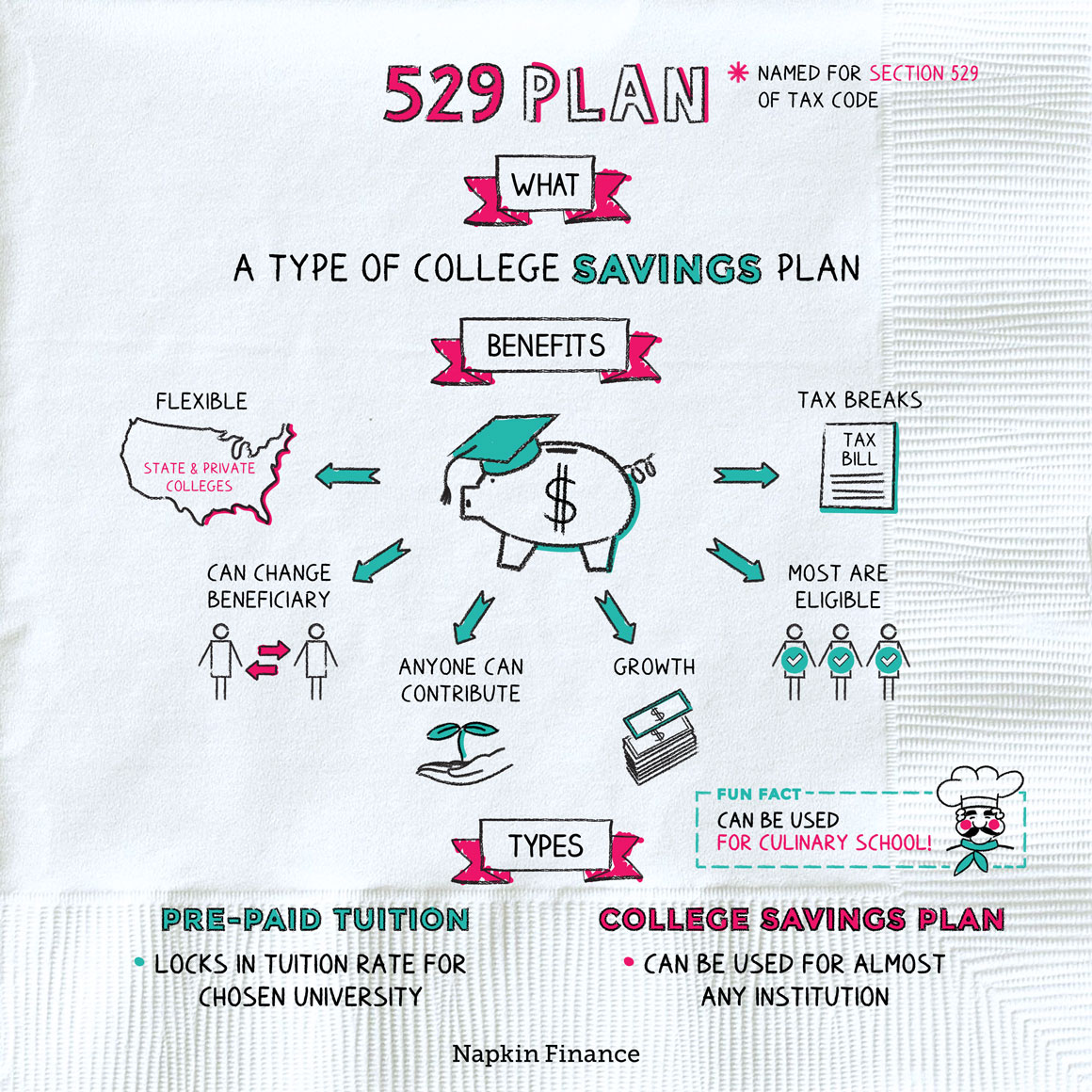
A Vanguard 529 state plan refers to a tax-advantaged college savings program managed by Vanguard on behalf of a specific state government. These plans allow individuals to invest after-tax contributions that grow tax-deferred, with withdrawals being federal income tax-free when used for qualified education expenses, providing a structured path to financing long-term educational goals.
Understanding the Structure of Vanguard 529 Plans
To understand a Vanguard 529 state plan, it is essential to first recognize that a 529 plan is a state-sponsored investment vehicle. While Vanguard serves as the program manager—handling the investment portfolios, account administration, and customer service—the plan itself is governed by the laws and regulations of the state that established it.
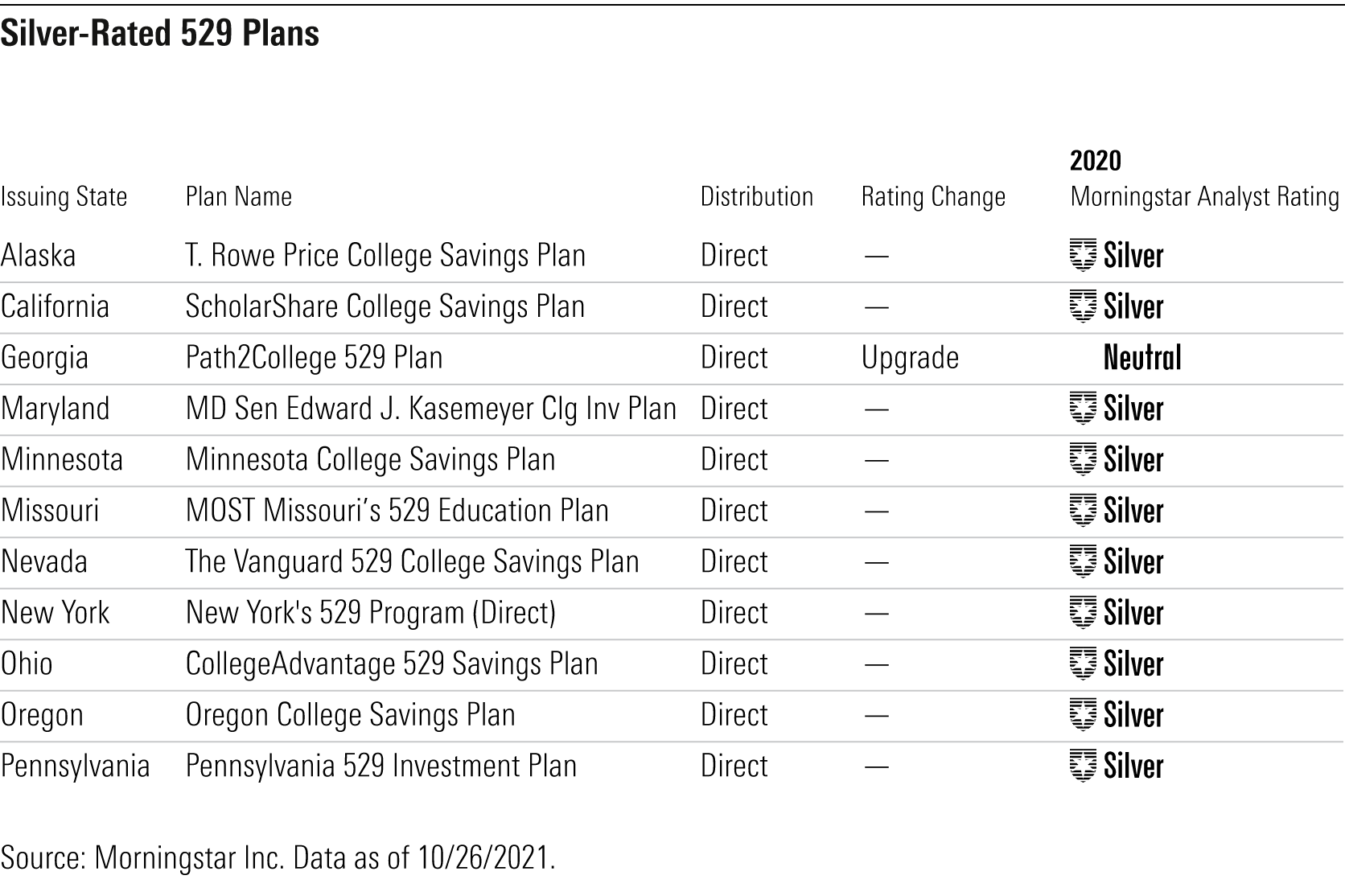
Because these plans are state-specific, Vanguard acts as an intermediary, applying their low-cost investment philosophy to the state’s offering. Vanguard manages several state-sponsored plans, most notably for Nevada, New York, and others. The "state plan" aspect is critical because it dictates specific nuances, such as potential state tax deductions for residents of that state, the selection of investment options available, and the specific program management fees.
The Mechanism of Tax-Advantaged Growth
The primary appeal of utilizing a Vanguard-managed 529 plan is the tax efficiency it offers. Contributions are made with after-tax dollars, meaning you do not receive a federal tax deduction for the money you put into the account. However, once the funds are inside the plan, they grow tax-deferred. This allows the compounding effect to work without the annual friction of capital gains or dividend taxes that would otherwise apply in a standard brokerage account.
When the time comes to pay for qualified higher education expenses, the earnings portion of the withdrawal is free from federal income tax. To qualify for this benefit, the funds must be used for expenses deemed "qualified" by the Internal Revenue Service (IRS). These include tuition, fees, room and board, books, supplies, and equipment, as well as computers and internet access required for attendance. As of 2026, the definition of qualified expenses also includes certain costs related to K-12 tuition and registered apprenticeship programs, though it is vital to check the specific state plan document for any localized limitations or exclusions.
Investment Strategies and Asset Allocation
Vanguard is widely recognized for its passive, low-cost index fund approach, and this philosophy is consistently applied to their 529 offerings. When you open an account within a Vanguard-managed state plan, you are typically presented with a selection of investment portfolios. These generally fall into two categories:
- Age-Based Portfolios: These are the most common choice for 529 savers. They automatically adjust the asset allocation over time. When the beneficiary is young, the portfolio holds a higher percentage of stocks to capture growth. As the beneficiary approaches college age, the portfolio gradually shifts toward more conservative holdings, such as bonds and cash equivalents, to protect the principal from market volatility.
- Static Portfolios: These allow the account owner to maintain a consistent investment strategy regardless of the beneficiary's age. This is often chosen by investors who prefer to manage their own risk tolerance or those who want to stick with a specific balance of equity and fixed income throughout the life of the account.
Operational Roles: The Account Owner and Beneficiary
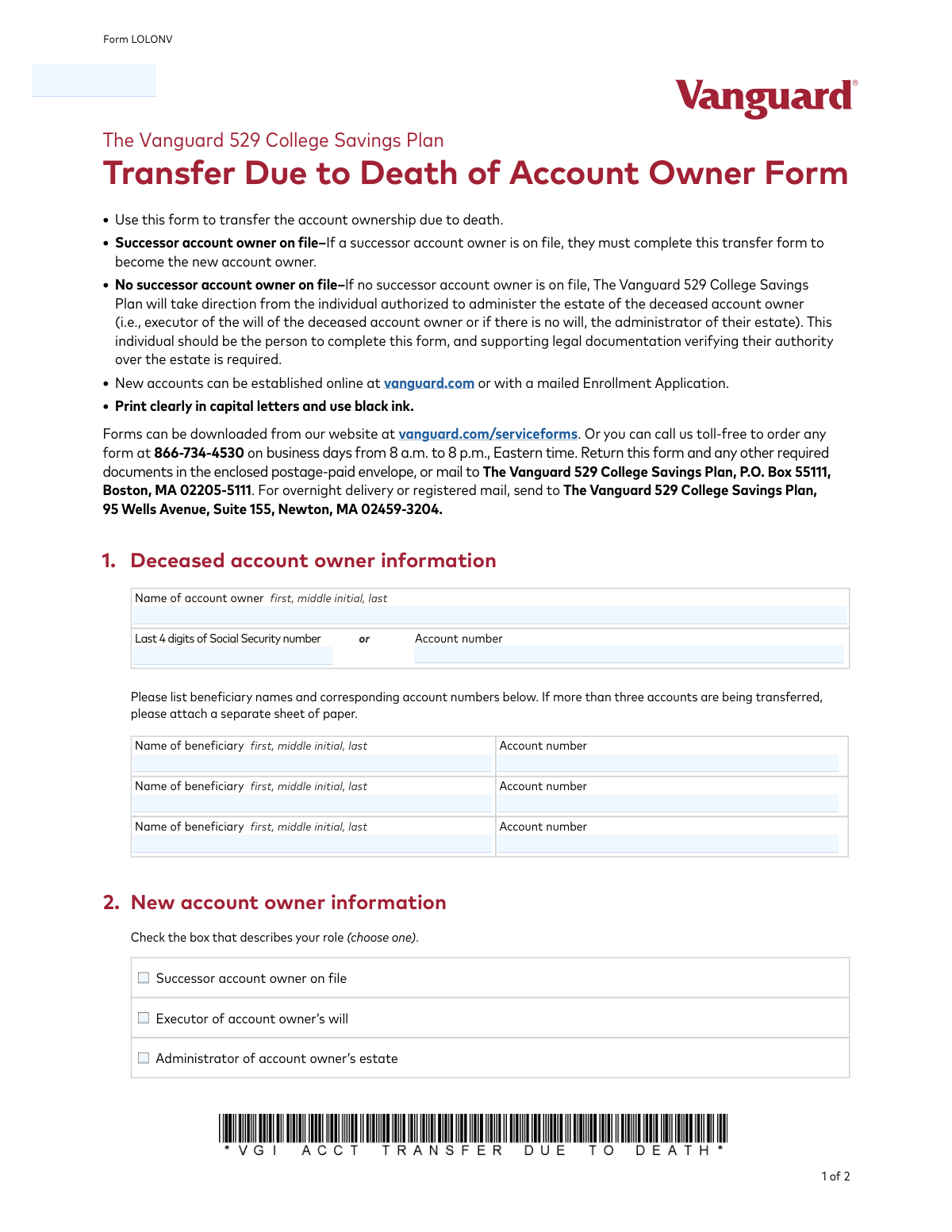
Every 529 plan requires two key parties: the account owner and the beneficiary. The account owner is typically a parent, grandparent, or guardian who maintains full control over the funds. This individual has the authority to make contributions, change investment options, and change the beneficiary if necessary. Critically, in most Vanguard 529 state plans, the assets remain the property of the account owner, not the student.
The beneficiary is the individual for whom the account was established. While the beneficiary can be changed to another qualifying family member without tax consequences, the money is intended for their educational future. Understanding this dynamic is crucial for financial planning, as it impacts how colleges calculate financial aid eligibility.
Comparison of Vanguard-Managed State Plans
| Feature | Nevada 529 (Vanguard) | New York 529 (Vanguard) |
|---|---|---|
| State Tax Benefit | No state income tax | Deduction for state residents |
| Minimum Contribution | Often lower or $0 | Typically $25 |
| Vanguard Involvement | Full Program Manager | Full Program Manager |
| Fees | Low-cost index options | Low-cost index options |
Note: The table above reflects the distinction between plans where Vanguard manages the entire program versus those where they provide the underlying investment options. Always consult the specific Program Disclosure Statement for the current year.
Eligibility and Residency Requirements
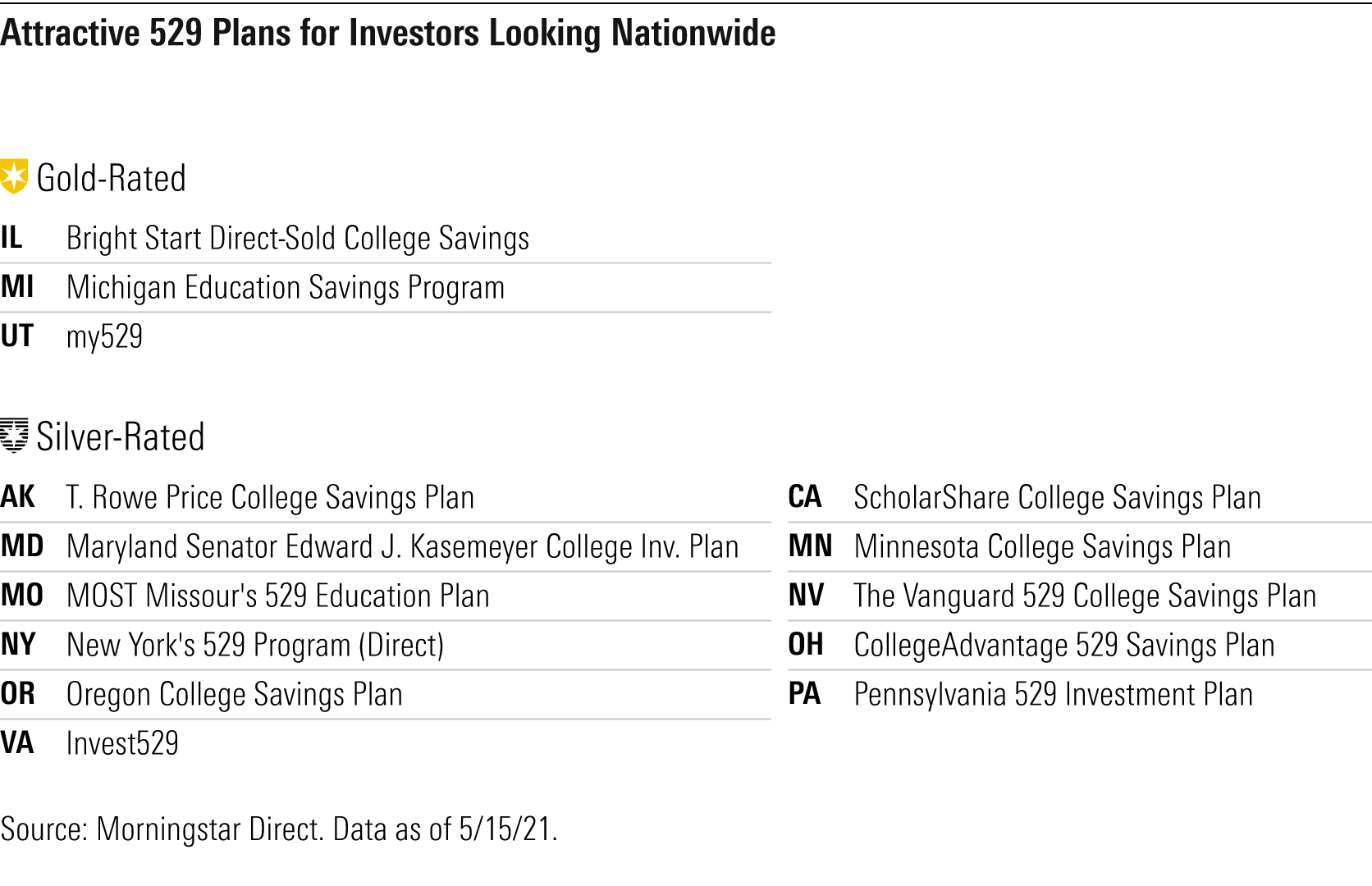
One of the most frequently misunderstood aspects of 529 plans is whether you are restricted to your own state's plan. Generally, you are not. Most state plans allow out-of-state residents to open accounts. However, many states offer tax incentives—such as income tax deductions or credits on contributions—only to their own residents.
If your state provides a generous tax deduction, it is usually mathematically beneficial to use your home state’s plan. If your state does not have an income tax or does not offer a deduction for 529 contributions, you may have more flexibility to choose a plan based on its investment options, administrative fees, or user experience. Since Vanguard manages several plans across different states, investors often weigh the benefit of a home-state tax break against the specific investment portfolios offered in a Vanguard-managed plan.
Costs, Fees, and Expense Ratios
Vanguard is famous for its low-cost structure, which remains a core feature of their 529 plans. When evaluating the costs of a 529 plan, investors should look at three main components:
- Asset-based management fees: This is the cost to manage the underlying investments. Vanguard’s index-heavy approach generally keeps these significantly lower than the industry average.
- Program management fees: These fees cover the administrative costs of the state’s plan.
- State fees: Some states may impose small administrative charges.
The combination of these fees is often referred to as the total expense ratio. Because these fees are deducted directly from the investment returns, they are often invisible to the user. However, over a 15-to-18-year time horizon, the difference between a 0.20% fee and a 0.80% fee can result in thousands of dollars in difference in the total account value.
Frequently Asked Questions
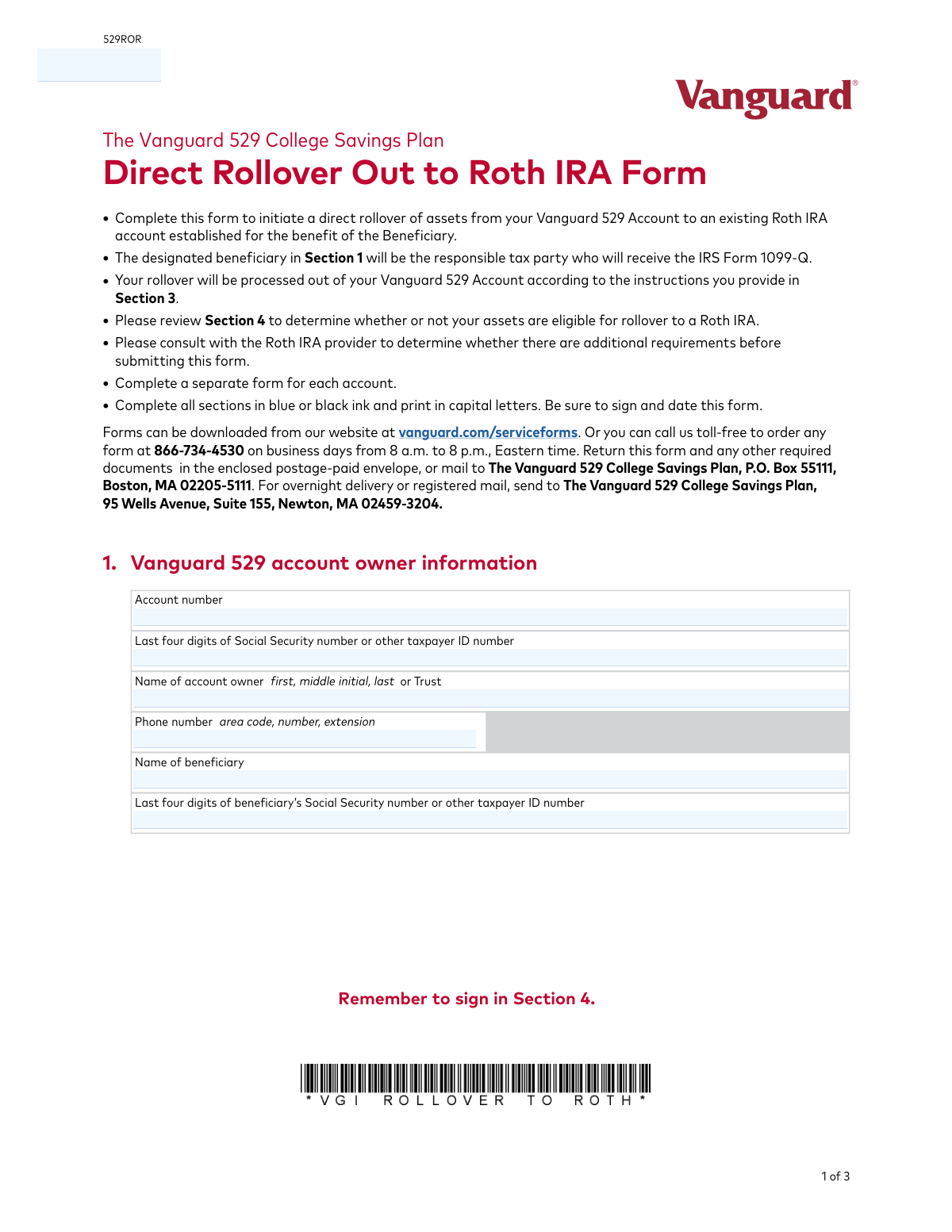
Can I move my 529 money from one state plan to another? Yes, you are allowed to perform a rollover from one 529 plan to another. Under current IRS rules, you can make a tax-free rollover of your 529 plan assets to a different 529 plan once every 12 months for the same beneficiary. Ensure that your current state does not have "recapture" rules regarding previous tax deductions if you move your funds to a different state's plan.
What happens if the beneficiary does not go to college? If the beneficiary decides not to attend an institution of higher education, you have several options. You can change the beneficiary to another qualifying family member, such as a sibling or even yourself. Alternatively, you can leave the money in the account for future use. If you withdraw the funds for non-qualified purposes, the earnings portion of the withdrawal is subject to federal income tax and a 10% federal penalty.
Are Vanguard 529 plans FDIC insured? Generally, no. Most investment-based 529 plans, including those managed by Vanguard, consist of mutual funds and ETFs. These investments are subject to market risk, meaning the value can rise or fall. They are not bank deposits and are not insured by the FDIC. Some state plans offer a capital preservation option that may include FDIC-insured bank accounts, but this is a specific sub-option rather than a feature of the plan as a whole.
Can I contribute to more than one 529 plan? Yes, there is no federal limit on the number of 529 plans you can have for a single beneficiary. Some families choose to have multiple plans to take advantage of different state tax incentives or to diversify their investment strategies across different plan managers.
How do 529 contributions affect financial aid? When a 529 plan is owned by a parent for a dependent student, it is generally treated as a parental asset on the FAFSA (Free Application for Federal Student Aid). Parental assets are assessed at a much lower rate (a maximum of 5.64%) than student-owned assets. While it does have some impact on aid eligibility, it is typically viewed more favorably than other types of savings accounts.
Establishing Your Savings Plan
To begin utilizing a Vanguard 529 state plan, identify your goals and your state of residence. Start by reviewing the official website of the specific state plan you are considering. Even though Vanguard provides the management expertise, the legal contract is with the state. Download the Program Disclosure Statement, which is the most reliable document for understanding fees, investment performance, and account rules.
For most families, the most effective strategy involves setting up an automatic monthly contribution. This practice, known as dollar-cost averaging, reduces the risk of timing the market and ensures consistent progress toward the savings goal. By selecting an age-based portfolio, you can effectively "set it and forget it," allowing Vanguard’s automated systems to manage the risk as the beneficiary grows older.
If you are uncertain about your state’s specific tax rules or how a 529 plan integrates with your overall financial picture, consult a tax professional or a fee-only financial advisor. While the mechanics of a Vanguard 529 plan are designed for accessibility, individual tax circumstances can vary significantly.