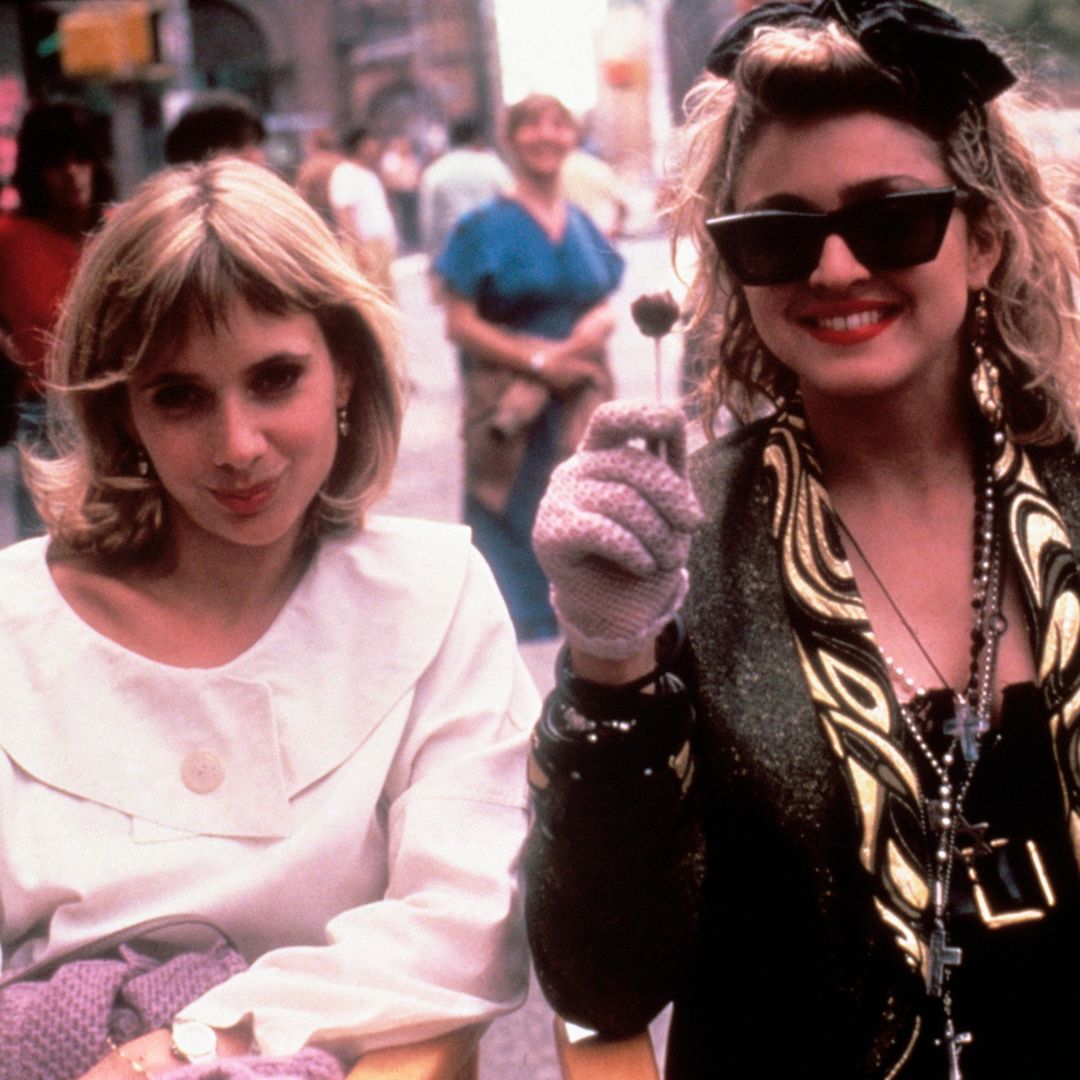
Patricia Arquette's career in the 1980s laid the foundational groundwork for a celebrated decades-long journey in film and television, transitioning from a young actress in independent and horror projects to a recognizable talent on the cusp of mainstream stardom. While she achieved her greatest commercial and critical acclaim later in life—winning an Academy Award for Boyhood and an Emmy for Medium—the 1980s represent the essential formative era of her professional life. Emerging from an illustrious acting family, Arquette navigated the competitive landscape of late-20th-century Hollywood, securing pivotal early roles that showcased her raw emotional range, distinct screen presence, and versatility across genres ranging from psychological horror to coming-of-age television.
The Arquette Family Legacy and Early Entry Into Acting
To understand Patricia Arquette’s trajectory in the 1980s, one must examine the environment that shaped her. Born into a prominent acting dynasty on April 8, 1968, in Chicago, Illinois, she is the granddaughter of comedian Cliff Arquette and the daughter of actor Lewis Arquette. Her siblings—Rosanna, Richmond, Alexis, and David Arquette—all pursued careers in the entertainment industry. This lineage immersed her in the realities of professional performance from an early age, though it also meant navigating the distinct pressures of carving out an independent identity within a massive creative household.
During her early adolescence, Arquette moved to Los Angeles, where she attended Los Angeles Center for Enriched Studies (LACES). Initially, acting was not her singular focus; as a teenager, she harbored ambitions of becoming a nun or living a more secluded life. However, her siblings' early successes in the industry, particularly Rosanna Arquette’s rising profile in the late 1970s and early 1980s, brought the realities of professional filmmaking close to home. Encouraged by her family and her own latent artistic inclinations, Arquette began auditioning for television and film roles in the mid-1980s, marking the official beginning of a prolific professional acting career.
Transitioning to Television and Early Film Roles (1986–1987)
Arquette’s professional screen debut arrived in the mid-1980s, a period characterized by a rapidly shifting landscape in American television and independent cinema. Her earliest credited television appearances allowed her to hone her craft in front of the camera, moving from minor guest parts to more substantial ensemble work.
One of her notable early television projects was the 1987 television film Daddy, starring veteran actor Dermot Mulroney and Ray Sharkey, where Arquette played a young woman navigating complex family dynamics. Television movies in the 1980s served as critical training grounds for young actors, offering intensive shooting schedules and immediate exposure to national audiences. Simultaneously, Arquette appeared in various television series, steadily building a resume that proved her reliability and capability under studio conditions.
These formative years were defined by casting directors identifying her unique blend of vulnerability and fierce independence. Directors recognized that she could portray characters experiencing intense psychological turmoil or youthful rebellion with authenticity. This raw quality set her apart from many of her contemporaries, who often fit cleaner, more conventional 1980s teen archetypes.
| Year | Title | Role / Project Type | Significance to Early Career |
|---|---|---|---|
| 1987 | Daddy | Television Film | Provided early exposure in a dramatic narrative alongside established adult actors. |
| 1987 | Pretty Smart | Feature Film | Marked an early transition into independent feature-length cinema playing a youth-oriented lead. |
| 1988 | Time Out | Television / Short | Demonstrated versatility in recurring or supporting television formats. |
| 1989 | A Nightmare on Elm Street 3: Dream Warriors | Feature Film (Cult Classic) | Established her as a recognizable genre star and introduced her to a wide global audience. |
The Breakthrough: A Nightmare on Elm Street 3: Dream Warriors (1987)
The undisputed watershed moment of Patricia Arquette’s 1980s career occurred in 1987 with her casting in A Nightmare on Elm Street 3: Dream Warriors. Directed by Chuck Russell, the third installment of New Line Cinema’s powerhouse horror franchise is widely regarded by critics and fans as one of the best sequels in the series. Arquette was cast as Kristen Parker, a troubled teenager institutionalized at Westin Hills Psychiatric Hospital who possesses the unique ability to draw others into her dreams.
Kristen Parker is a pivotal character in horror cinema history. As the last surviving member of her bloodline targeted by Freddy Krueger (played by Robert Englund), Kristen serves as the catalyst for the "Dream Warriors"—a collective of institutionalized youths who harness their individual dream powers to fight back against the supernatural killer. Arquette brought a palpable sense of empathy, grit, and emotional intelligence to a genre often criticized for one-dimensional characterizations. Her performance grounded the supernatural premise in genuine adolescent angst and trauma, making audiences genuinely root for her survival.
Working on a major studio horror set provided Arquette with invaluable technical experience regarding special effects, stunt coordination, and the demands of franchise filmmaking. Although she did not return for the fourth installment—where the role of Kristen was famously recast with Tuesday Knight—her indelible stamp on the third film cemented her status as a bona fide 1980s scream queen and introduced her name to international audiences, establishing a loyal fan base that followed her subsequent transition into serious drama.
Navigating Independent Cinema and Late-80s Projects
Following her high-profile success in the horror genre, Arquette deliberately avoided getting pigeonholed strictly as a scream queen. The late 1980s saw her actively seeking out diverse independent film projects and television dramas that challenged her range. She appeared in films such as Pretty Smart (1987), where she played a rebellious student at a women's academy, showcasing her comedic timing and ability to lead an ensemble.
During this transitional phase, Arquette also worked on various television anthology series and made-for-TV movies, which allowed her to refine her craft across different storytelling mediums. The late 1980s film industry was experiencing a boom in independent cinema, providing fertile ground for young actors who rejected traditional Hollywood studio contracts. Arquette's choices reflected an artistic sensibility that prioritized character depth over commercial safety—a pattern that would define her critically acclaimed work in the 1990s with directors like Tony Scott, David Lynch, and Martin Scorsese.
Major Challenges and Lessons from the 1980s Era
Entering the professional entertainment industry as a teenager in the 1980s presented distinct hurdles. The Hollywood landscape of that decade was heavily influenced by distinct studio formulas, physical ideals, and grueling production paces. For a young actress like Arquette, maintaining autonomy over her artistic choices required navigating typecasting pressures, particularly after the massive success of Dream Warriors.
Key operational and professional realities of her 1980s career trajectory included:
- Genre Typecasting: Overcoming the immediate temptation for casting directors to place her exclusively in horror or teen-slasher roles following her breakout performance.
- Industry Transition: Adapting from the fast-paced television movie landscape to the rigorous demands of feature film sets.
- Balancing Legacy and Independence: Managing the professional expectations associated with coming from a well-known theatrical family while establishing an individual brand.
- Sustaining Momentum: Navigating periods between major projects by continuously taking on diverse television guest roles and independent features.
Long-Term Impact on Her Subsequent Career
The work Patricia Arquette completed in the 1980s created the essential springboard for her transition into major 1990s cinema. The directors and casting agents who noticed her raw intensity in films like Dream Warriors and early television dramas laid the professional path for her leading roles in iconic 1990s films such as True Romance (1993), Ed Wood (1994), and Lost Highway (1997).
Furthermore, the resilience developed during her teenage years in the industry equipped her to navigate the complex studio politics of Hollywood. By establishing a reputation early on as an actress willing to take creative risks and inhabit deeply flawed, complex characters, Arquette ensured that her career would not be defined by a single decade or a single genre, but rather by an evolving portfolio of character-driven performances.
Frequently Asked Questions
What was Patricia Arquette’s first major film role in the 1980s?
Her first major breakout film role was playing Kristen Parker in A Nightmare on Elm Street 3: Dream Warriors (1987). This role introduced her to a global audience and established her presence in studio filmmaking.
Why didn't Patricia Arquette return for A Nightmare on Elm Street 4?
Arquette did not reprise her role as Kristen Parker in the fourth installment, The Dream Master (1988), due to scheduling conflicts and personal career choices, leading the producers to recast the role with actress Tuesday Knight.
How did the Arquette family influence her early acting career?
Coming from an established acting family—including her grandfather Cliff Arquette, father Lewis Arquette, and siblings who also pursued acting—exposed her to the realities of the entertainment industry early in life and provided foundational encouragement to begin auditioning as a teenager.
What genres did Patricia Arquette explore during the 1980s?
While she gained initial widespread recognition in horror and supernatural thrillers, Arquette also worked across television dramas, made-for-TV movies, independent comedies, and youth-oriented coming-of-age projects throughout the decade.
How did her 1980s work prepare her for 1990s success?
Her early roles taught her how to navigate professional film and television sets, manage the pressures of franchise notoriety, and choose complex, character-driven scripts that favored emotional authenticity over superficial glamour.
Conclusion and Next Actions
Patricia Arquette’s career in the 1980s demonstrates the crucial phase of early professional development, where raw talent, family background, and strategic role choices intersect. From her cult-classic origins in horror cinema to her steady accumulation of television and independent credits, her formative years established the versatility that would sustain her across decades of acclaimed work. For researchers, film historians, and fans examining her filmography, studying this foundational era illuminates the roots of a lasting and respected acting career. To explore further, examine her extensive filmography from the 1990s onward to trace how these early genre and television roots blossomed into award-winning dramatic performances.