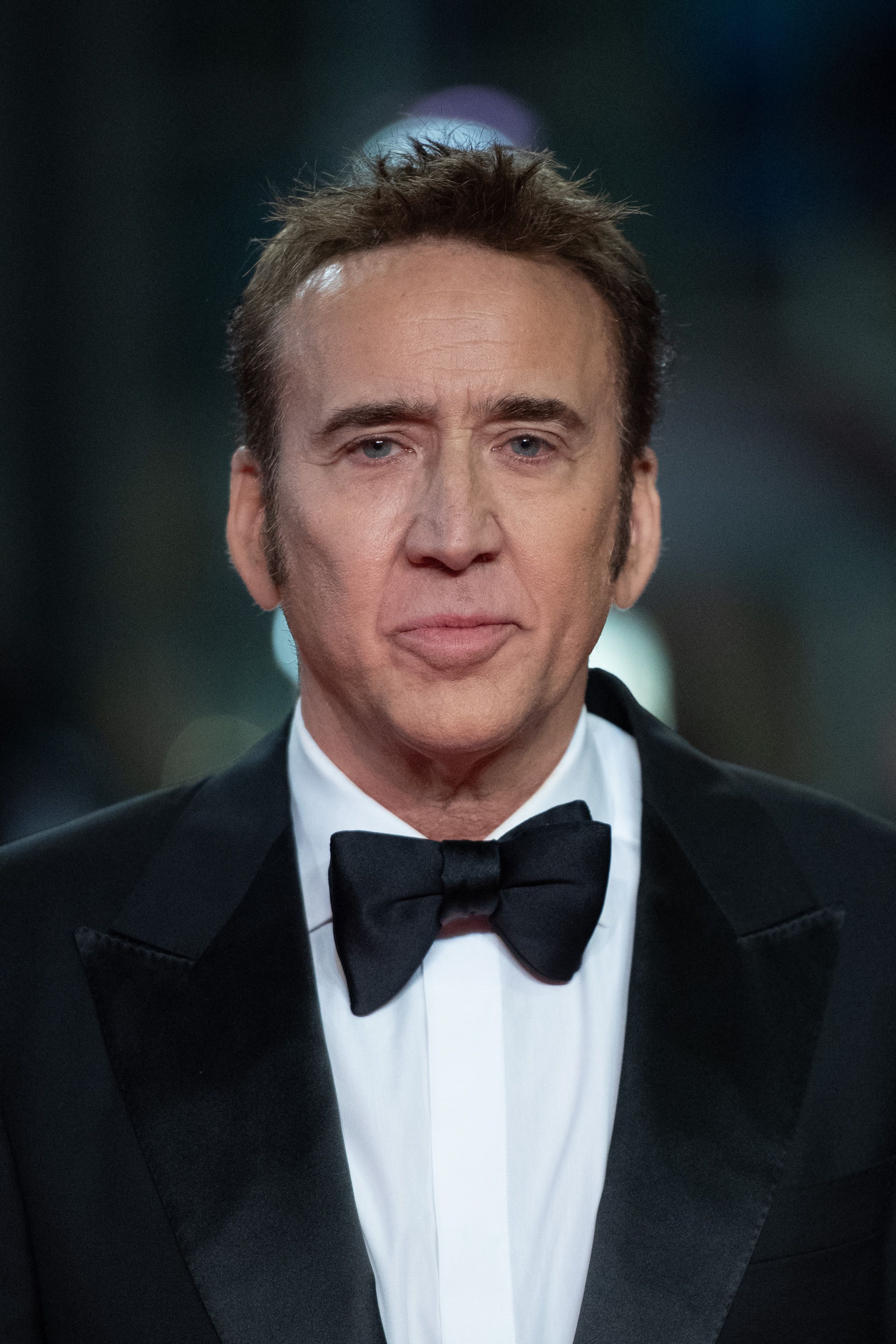
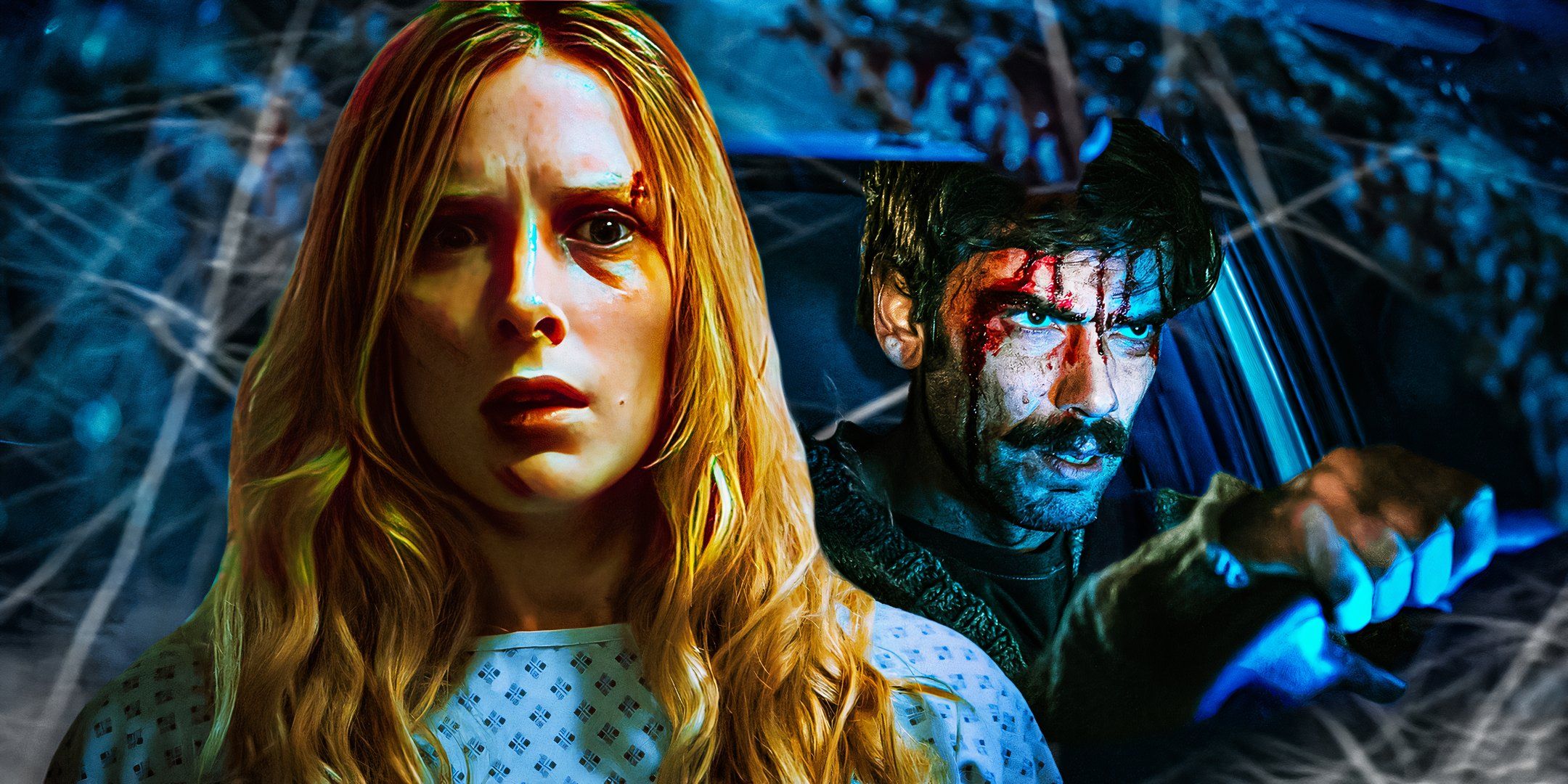
The primary Nicolas Cage horror film released in 2025 is The Carpenter’s Son, a dark, atmospheric exploration of the childhood of Jesus based on apocryphal texts. Directed by Lotfy Nathan, the film reimagines the "Infancy Gospel of Thomas" as a psychological and supernatural horror story, featuring Cage as the protective but burdened father.
Looking back from the vantage point of 2026, the release of The Carpenter’s Son marked a pivotal moment in the "Cage-aissance," specifically within the horror genre. Following the massive success of Longlegs in 2024, expectations were at an all-time high for Nicolas Cage’s next foray into the macabre. Unlike the occult-driven procedural of his previous work, this 2025 project took a more grounded, historical, yet deeply unsettling approach to religious folklore. The film does not merely aim to scare; it seeks to unsettle the foundations of traditional hagiography by introducing elements of body horror and psychological dread into a biblical setting.
The Narrative Foundation: The Infancy Gospel of Thomas
To understand why The Carpenter’s Son was one of the most anticipated horror films of 2025, one must look at its source material. The film draws heavily from the Infancy Gospel of Thomas, an apocryphal text dating back to the 2nd century. Unlike the canonical Gospels found in the New Testament, this text depicts a young Jesus who is impulsive, powerful, and occasionally terrifying.
In these ancient accounts, the child performs miracles that are often punitive—striking dead a boy who offends him or blinding those who question his authority. The Carpenter’s Son utilizes these "miracles" as the catalyst for horror. The plot follows a family hiding in Roman Egypt. The father, played by Nicolas Cage, attempts to keep his son’s growing, volatile powers a secret while protecting him from both external Roman threats and the internal darkness manifesting within the child.
By choosing this specific text, director Lotfy Nathan moved away from the "jump-scare" tropes of modern cinema. Instead, he crafted a narrative about the burden of divinity and the terror of a parent realizing their child is something beyond human comprehension. This sub-genre, often referred to as "Religious Folk Horror," flourished in 2025, and this film stood at its vanguard.
Nicolas Cage and the "Nouveau Shamanic" Approach
By 2025, Nicolas Cage had fully refined what he calls his "Nouveau Shamanic" acting style. In The Carpenter’s Son, his performance as the titular carpenter (the father figure) is a masterclass in restrained intensity. While Cage is famous for his high-energy, "unhinged" performances, this role required a weary, weathered gravitas.
Cage’s character is a man living in constant fear. He is a craftsman trying to build a life in a harsh landscape while managing a "Son" whose very existence threatens to bring down the wrath of the heavens—and the Roman Empire. Critics in late 2025 noted that Cage’s performance served as the emotional anchor of the film, providing a human perspective to the supernatural events unfolding. His ability to convey a father’s love mixed with genuine visceral terror at his own child’s capabilities elevated the film from a mere genre piece to a complex character study.
This role continued Cage’s streak of working with visionary directors on high-concept horror projects, a trend that began with Mandy (2018) and Color Out of Space (2019). By 2026, his filmography in this genre has become a blueprint for how established actors can reinvent themselves through bold, independent cinema.
Casting and Character Dynamics
The strength of The Carpenter’s Son relies heavily on the chemistry between its three central leads. The production assembled a cast that bridged the gap between Hollywood royalty, art-house icons, and rising stars.
Noah Jupe as "The Boy"
Noah Jupe, known for his work in A Quiet Place, took on the challenging role of the Boy. His performance required him to balance the innocence of childhood with a simmering, otherworldly menace. The horror in the film stems from the Boy’s lack of moral calibration; he possesses the power of a god but the emotional maturity of a child. Jupe’s portrayal was widely praised for its subtlety, avoiding the "creepy kid" clichés often seen in possession movies.
FKA Twigs as "The Mother"
FKA Twigs continued her transition into major feature films following her role in the 2024 remake of The Crow. In The Carpenter’s Son, she plays the Mother, a character who serves as the spiritual and emotional mediator between the Father’s pragmatism and the Son’s divinity. Her performance added a layer of ethereal beauty and tragic foreboding to the film, often using her background in movement and dance to inform her character’s physical presence in the harsh Egyptian environment.
Souheila Yacoub
Souheila Yacoub rounded out the primary cast, bringing a grounded, local perspective to the narrative. Her presence helped ground the film in its historical setting, ensuring that the "Roman Egypt" depicted felt lived-in and authentic rather than a mere stage for supernatural events.
Director Lotfy Nathan’s Vision
Lotfy Nathan, who gained international acclaim for his film Harka, brought a unique "outsider" perspective to the horror genre. His background in documentary and gritty social realism heavily influenced the visual language of The Carpenter’s Son.
Filmed largely on location in Greece, the movie utilizes a desaturated, harsh color palette that emphasizes the heat and the isolation of the desert. Nathan avoided the glossy, CGI-heavy look of mainstream supernatural films. Instead, he opted for practical effects and atmospheric lighting to depict the Boy’s powers. When a miracle occurs in the film, it feels heavy, physical, and often gruesome, aligning with the "Body Horror" elements that became a talking point upon its release.
Nathan’s direction focused on the tension of the "hidden." Much of the horror comes from what is not shown, or the anticipation of what the Boy might do next. This stylistic choice placed the film in the same category as modern "elevated horror" classics like The Witch or Hereditary, where the setting itself acts as a source of dread.
Comparing Nicolas Cage's 2024-2025 Horror Era
To understand the impact of The Carpenter’s Son, it is helpful to compare it to Cage's other recent contributions to the genre. The period between 2024 and 2025 was arguably the most significant era for Cage in terms of horror output and critical respect.
| Feature | Arcadian (2024) | Longlegs (2024) | The Carpenter's Son (2025) |
|---|---|---|---|
| Sub-Genre | Survival / Creature Feature | Occult / Serial Killer Noir | Religious Folk Horror |
| Cage’s Role | Protective Father (Paul) | The Antagonist (Longlegs) | The Father (Carpenter) |
| Primary Theme | Family survival in apocalypse | The nature of evil and legacy | The burden of divine power |
| Visual Style | Kinetic and claustrophobic | Stylized, 90s-coded, eerie | Grand, historical, and harsh |
| Tone | Action-oriented horror | Psychological dread | Atmospheric and philosophical |
While Longlegs was a commercial juggernaut and a viral sensation, The Carpenter’s Son targeted a more cerebral audience. It solidified Cage's reputation as an actor who doesn't just "do" horror movies but uses the genre to explore deep-seated human anxieties—specifically the fear of the unknown and the complexities of parenthood.
Technical Execution and Atmospheric World-Building
The technical aspects of The Carpenter’s Son were instrumental in its 2025 success. The cinematography, handled by experts in natural-light filming, utilized the Greek landscape to stand in for 1st-century Egypt. The use of wide shots to depict the vast, uncaring desert contrasted sharply with the tight, sweat-slicked close-ups of the family inside their home.
The sound design also played a critical role. Rather than relying on orchestral swells to signal scares, the film used "found sounds"—the scraping of wood, the whistling of desert wind, and the unsettling hum of the Boy’s power—to create a persistent state of anxiety. For viewers in 2025, this auditory experience was one of the film's most cited strengths, making the supernatural elements feel like a natural (if terrifying) extension of the world.
Furthermore, the film’s costumes and set design avoided the "clean" look of many biblical epics. Everything in the Carpenter’s world is worn, dirty, and splintered. This realism makes the intrusion of the supernatural all the more jarring. When the Boy performs a miracle that defies the laws of physics, the contrast against the grimy, tactile world around him creates a genuine sense of the "uncanny."
The Cultural Impact of Religious Horror in 2025
The release of The Carpenter’s Son coincided with a broader cultural fascination with religious and apocryphal horror. By 2025, audiences were moving away from slashers and toward stories that dealt with faith, heresy, and the origins of mythology.
The film sparked significant discussion regarding its use of the Infancy Gospel of Thomas. While some religious groups expressed concern over the "horror" treatment of a young Jesus, many critics and scholars argued that the film captured the true spirit of the apocryphal texts—which were often intended to show the "Otherness" of the divine. By framing these ancient stories through the lens of horror, the film allowed contemporary audiences to experience the "awe and terror" that such miracles might have actually inspired in a historical context.
Frequently Asked Questions
Is The Carpenter's Son a sequel to any other Nicolas Cage movie?
No, The Carpenter's Son is a standalone feature film. While Nicolas Cage has appeared in other horror films like Longlegs and Arcadian, this project is narratively independent and based on the ancient apocryphal text known as the Infancy Gospel of Thomas. It does not share a cinematic universe with his other works.
What is the specific horror sub-genre of this film?
The film is best classified as Religious Folk Horror with elements of Body Horror. It focuses on the atmosphere, the historical setting, and the psychological impact of supernatural events rather than traditional slasher or "jump-scare" mechanics. It shares thematic DNA with films like The Lighthouse or The Wonder.
Where was The Carpenter's Son filmed?
The production took place primarily in Greece. The Mediterranean landscape was used to recreate the environment of Roman-occupied Egypt. The use of authentic locations contributed to the film’s stark, realistic visual style, which was a hallmark of director Lotfy Nathan’s vision.
Why is the Infancy Gospel of Thomas considered "horror" material?
The Infancy Gospel of Thomas is a non-canonical text that depicts the child Jesus as having immense, sometimes uncontrolled power. In the text, he occasionally uses these powers to harm those who anger him. The film interprets this "divine volatility" as a source of horror, focusing on the fear felt by those around him, including his parents.
How does this film fit into Nicolas Cage's 2025 career?
In 2025, The Carpenter’s Son was considered the centerpiece of Cage’s filmography. It followed his high-profile success in 2024 and demonstrated his commitment to artistic, director-driven projects. It reinforced his status as a leading figure in the independent horror scene, often referred to by fans as the "Cage-aissance."
Final Recommendations for Viewers
For those looking to explore the deeper side of Nicolas Cage’s filmography, The Carpenter’s Son is an essential watch. It is recommended that viewers familiarize themselves briefly with the concept of apocryphal gospels to fully appreciate the subversion at play. This is not a film for those seeking light entertainment; it is a dense, rewarding, and often disturbing look at the intersection of divinity and dread.
If you enjoyed the atmospheric tension of The Witch or the psychological depth of Longlegs, this 2025 release remains a definitive entry in the genre. As we look forward through 2026, it stands as a testament to the power of original, risky storytelling in a landscape often dominated by sequels and franchises.