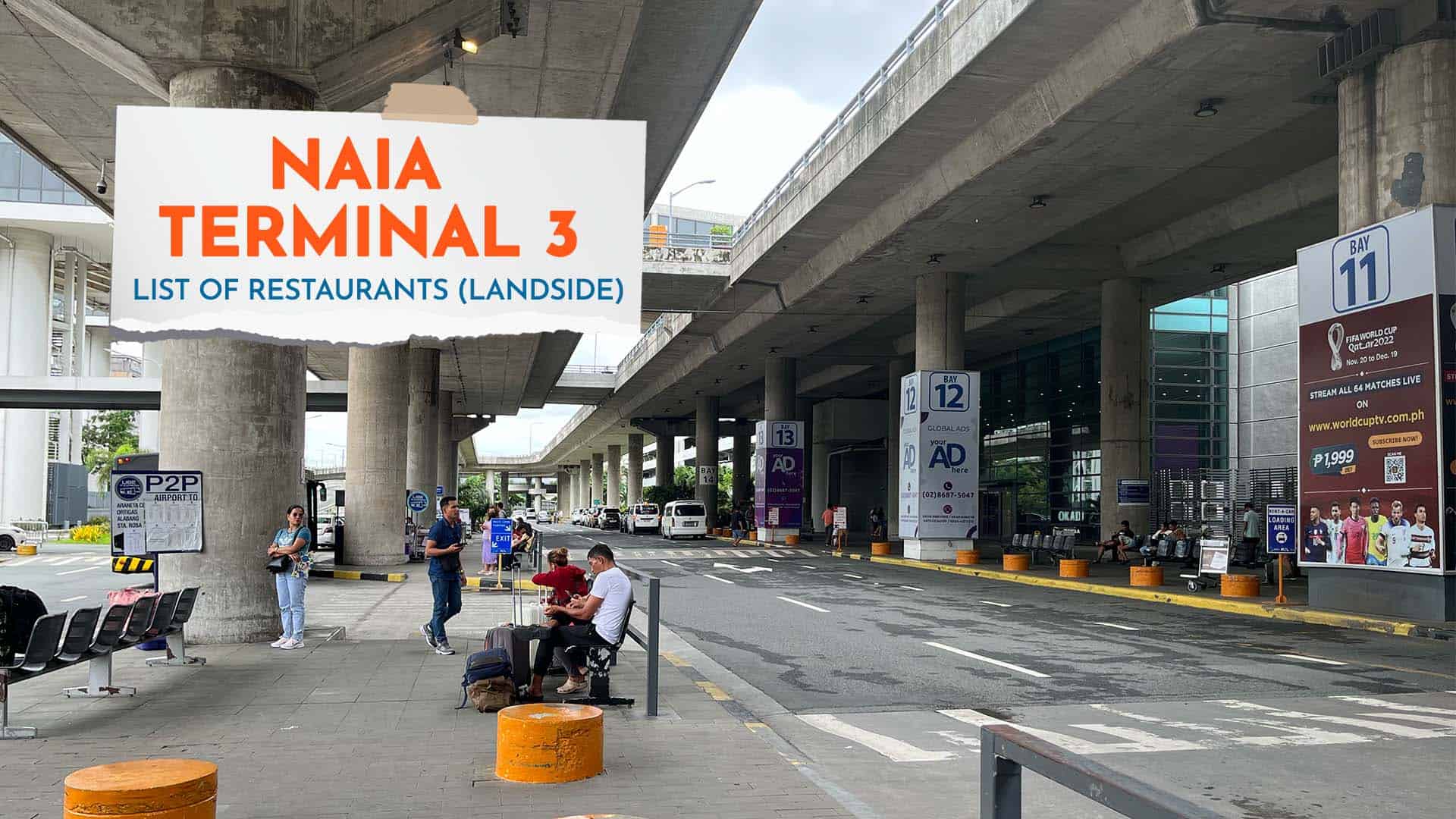
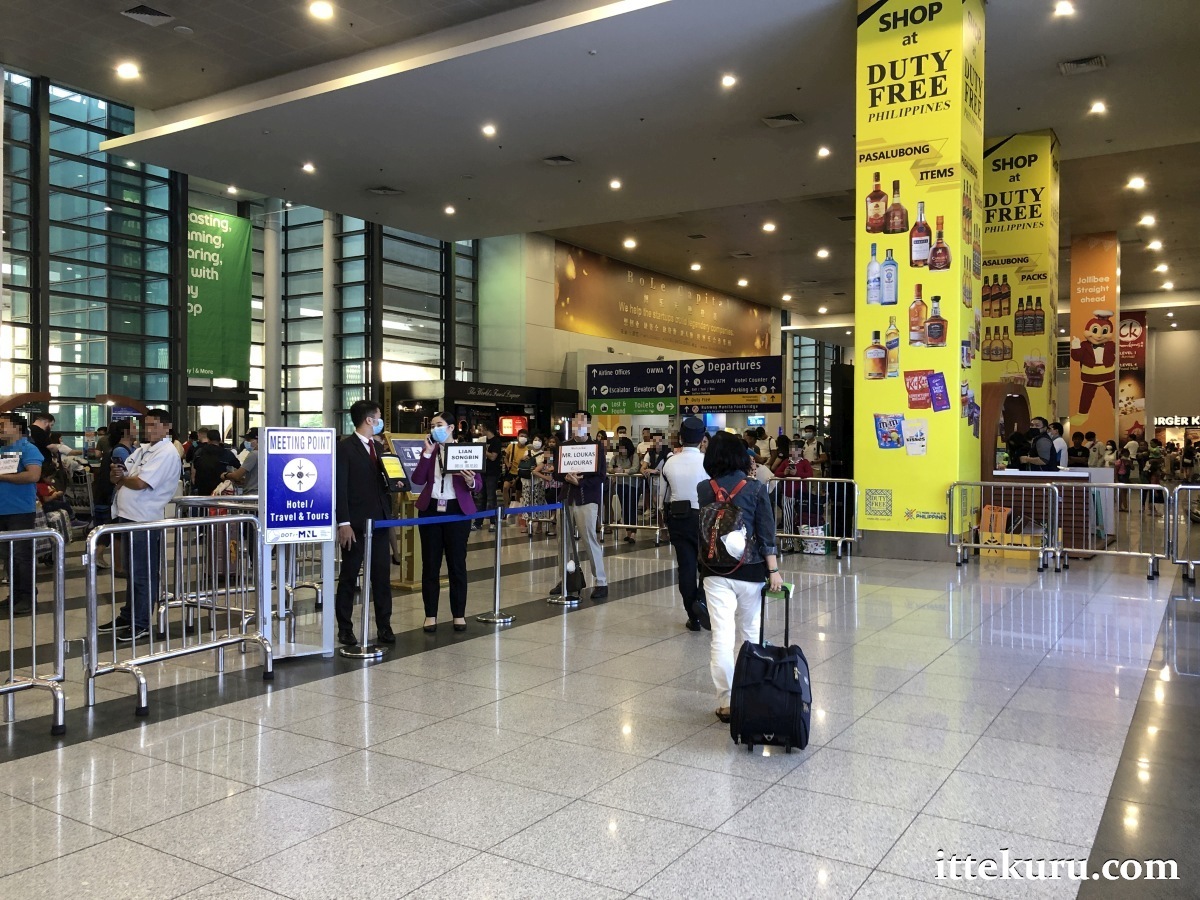
Ninoy Aquino International Airport (NAIA) Terminal 3 serves as the primary international and domestic hub for several major carriers in the Philippines. Most international flights and selected domestic routes operated by Cebu Pacific and AirAsia Philippines are centralized at this terminal, along with various foreign airlines connecting Manila to global destinations.
Navigating the Ninoy Aquino International Airport (NAIA) requires precision, particularly regarding terminal assignments, as the airport complex consists of four distinct terminals that are not physically interconnected via a sterile airside corridor. Terminal 3 (T3) is the largest and newest facility within the airport complex, handling the highest volume of both domestic and international passenger traffic. For travelers, understanding which airlines operate out of T3 is essential for efficient check-in, baggage drop-off, and security clearance.
Operational Overview of NAIA Terminal 3
Terminal 3 serves as the home base for major Philippine low-cost carriers and a significant number of international airlines. Because airlines may occasionally shift their operations due to runway maintenance, terminal consolidation policies, or new airline partnerships, travelers must verify their specific terminal assignment against their confirmed flight itinerary.
The terminal is divided into a landside area for check-in and arrivals, and an airside area for boarding gates. It features a sophisticated baggage handling system and multiple lounges. However, the sheer size of the terminal means that passengers should allow for significant walking time from the check-in counters to the more distant boarding gates.
Major Airlines Based at Terminal 3
The following list comprises the primary airlines currently operating scheduled flights through NAIA Terminal 3 as of 2026. This list includes both domestic operators and international carriers.
Domestic Carriers
- Cebu Pacific: As the primary operator at T3, the vast majority of Cebu Pacific’s domestic network departs from and arrives at this terminal.
- AirAsia Philippines: While AirAsia maintains a presence at other terminals for specific regional flights, a significant portion of its domestic operation is conducted through T3.
International Carriers
- All Nippon Airways (ANA): Utilizing the terminal for its connections between Manila and Tokyo-Haneda/Narita.
- Cathay Pacific: Handling flights connecting Manila to Hong Kong.
- Emirates: Operating long-haul flights from Dubai to Manila.
- KLM Royal Dutch Airlines: Managing connections between Manila and Amsterdam via Taipei.
- Qatar Airways: Serving the Manila to Doha route.
- Singapore Airlines: Connecting Manila to its primary hub at Changi Airport.
- Turkish Airlines: Operating flights to Istanbul.
- United Airlines: Serving trans-Pacific routes to the United States.
- Etihad Airways: Providing services to Abu Dhabi.
- Gulf Air: Connecting Manila to Bahrain.
- Jetstar Asia: Operating regional routes throughout Southeast Asia.
Comparison of Airline Terminal Operations
The table below outlines the primary airline categories and their general terminal positioning at NAIA. Note that airline schedules are subject to change based on official directives from the Manila International Airport Authority (MIAA).
| Airline Category | Typical Terminal | Primary Operations at T3 |
|---|---|---|
| Full-Service International | Terminal 1 & 3 | Long-haul global routes |
| Domestic Low-Cost | Terminal 2, 3, & 4 | High-frequency domestic |
| Regional Carriers | Terminal 3 | Southeast Asian connections |
| Philippine Flag Carrier | Terminal 2 | Mostly T2, limited T3 codeshare |
Why Terminal Assignments Matter
The importance of confirming your terminal cannot be overstated. If a passenger arrives at Terminal 1 or Terminal 2 when their flight is scheduled to depart from Terminal 3, the time required to travel between terminals can be substantial. Traffic within the airport complex is often heavy, and the shuttle buses provided by the airport authority operate on a schedule that may not align with immediate flight check-in deadlines.
Missing a check-in window because of a terminal error is a common traveler mistake. Airlines typically close their check-in counters 45 to 60 minutes before the scheduled departure time for domestic flights, and 60 to 90 minutes for international flights. If you are dropped off at the wrong terminal, you may fail to reach the correct gate before the aircraft doors close, leading to the forfeiture of your ticket or the payment of hefty rebooking fees.
Navigating the Terminal: Practical Guidance
Upon arriving at Terminal 3, proceed to the Departures level. Ensure you have your passport, valid travel documents, and your e-ticket itinerary accessible. Security screenings at the entrance to the terminal are mandatory for all passengers.
- Check-in Procedures: Locate your airline’s check-in row. T3 is organized by rows (A through S). Your boarding pass or flight confirmation will usually indicate your row.
- Baggage Weigh-in: Be mindful of your baggage allowance. Unlike smaller regional airports, T3 utilizes strict automated weighing scales at the check-in counters. Excess baggage fees are enforced rigidly.
- Terminal Fee Integration: Since 2026, most international passenger service charges (IPSC) are included in the price of the airline ticket at the point of sale. You no longer need to pay this fee at a separate counter before security.
- Security and Immigration: After clearing the initial document check, head toward the immigration counters (for international flights) or the final security screening (for domestic flights).
Frequently Asked Questions
1. Can I walk from Terminal 3 to other NAIA terminals? No. The terminals at NAIA are not connected by pedestrian walkways. You must use the MIAA-provided shuttle bus service or a taxi/ride-sharing service to travel between terminals. Always account for at least 45 minutes to one hour for inter-terminal transfers.
2. Are there airline lounges in T3? Yes, Terminal 3 features several airline-operated lounges and independent pay-per-use lounges. These are typically located in the international departure area after you pass through immigration and security.
3. Does Philippine Airlines operate at Terminal 3? Philippine Airlines (PAL) primarily operates from Terminal 2. While some codeshare flights may occasionally involve partners that use T3, you should assume your PAL flight departs from T2 unless your specific ticket states otherwise. Always check your e-ticket.
4. How early should I arrive at T3? For domestic flights, arrive at least two hours before departure. For international flights, arrive at least three to four hours before your scheduled departure time to account for check-in lines and immigration queues.
5. Is there a hotel inside Terminal 3? Yes, there is an airside transit hotel located within the international transit area of Terminal 3, which is convenient for passengers with long layovers who do not wish to clear immigration.
Next Steps for Travelers
Before departing for the airport, perform a final verification of your flight status. Visit the official website of your airline or the Manila International Airport Authority portal to confirm your terminal assignment. If you have a connecting flight, check if your baggage is checked through to your final destination or if you are required to reclaim and re-check your bags at Terminal 3. By confirming these details 24 hours prior to your flight, you mitigate the risks associated with last-minute operational changes.