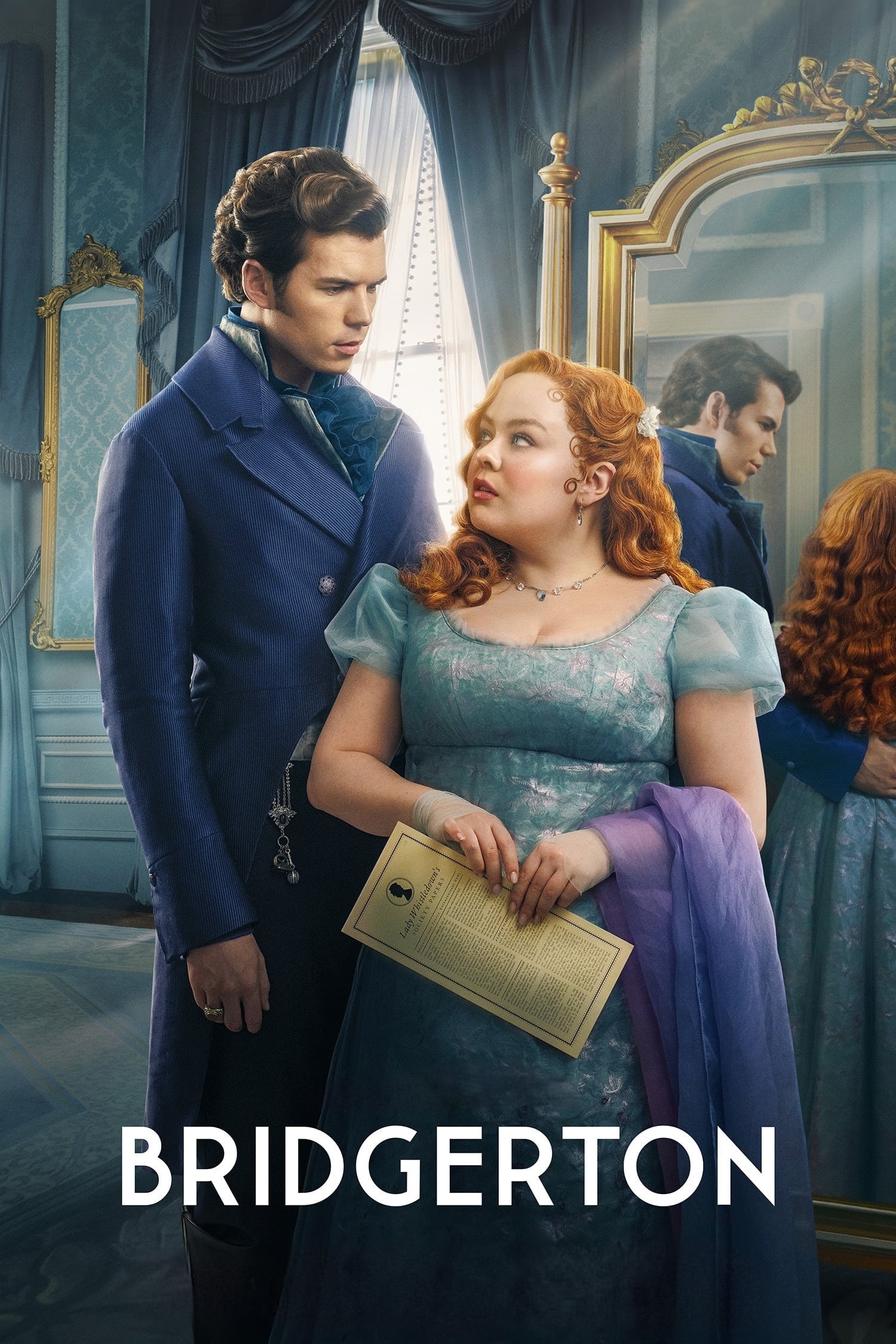
The central fairy tale narrative woven into the fabric of Bridgerton season 2 is the adaptation of the "Cinderella" archetype, specifically reimagined through the dynamic of the Sharma sisters and the classic "ugly stepsister" trope flipped on its head. While the series maintains its Regency-era grounding, the structural progression of Kate Sharma’s arc—from the overlooked, protective older sibling to the object of the Viscount’s affections—mirrors the transformation and social navigation found in folklore staples.
The Foundation of Regency Folklore in Bridgerton
To understand why Bridgerton season 2 feels inherently like a fairy tale, one must look at the structural DNA of the Regency romance genre. While Julia Quinn’s novels—the source material for the Netflix series—are rooted in historical romance tropes, the showrunners intentionally lean into the "once upon a time" aesthetic. Season 2, which focuses on Anthony Bridgerton’s search for a wife and his subsequent entanglement with Kate Sharma, relies heavily on the "enemies-to-lovers" narrative. In the world of traditional folklore, this is a variant of the "taming of the shrew" or the "unlikely union" narratives, where initial conflict serves as a barrier that must be overcome through personal growth.
The fairy tale influence is not a direct adaptation of a single Brothers Grimm or Charles Perrault story. Instead, it utilizes the "Cinderella" framework—a character who selflessly puts their family’s needs above their own desires—and places them in a high-stakes, opulent social setting. Kate Sharma, much like the archetypal fairy tale heroine, sacrifices her own prospects for her younger sister, Edwina, only to find herself unexpectedly thrust into the spotlight of the social season.
The Sharma Sisters and the Twisted Sister Archetype
In many classic fairy tales, the stepsisters are portrayed as vain, cruel, or oblivious. Bridgerton season 2 offers a subversive take on this dynamic. Here, the "stepsister" relationship is defined by profound love and duty rather than malice. Kate is the protector, the one who hides her own light to ensure Edwina shines.
However, the "fairytale" element enters through the eyes of the suitors. Anthony Bridgerton begins his journey looking for a "perfect" match—a task that requires finding a woman who fits the rigid, artificial requirements of the ton. This is the search for the "perfect princess." The tension arises when he realizes that his practical, logical choice (Edwina) does not offer the same spark as the "difficult" or "imperfect" woman who challenged him from their first meeting (Kate). This inversion of the prince choosing the "plain" or "forgotten" sister over the "beautiful, sought-after" one is a cornerstone of romantic fairy tales, emphasizing that true love is found in the connection of minds and the overcoming of obstacles.
The Role of Magic and Transformation
If fairy tales rely on literal magic—a fairy godmother, a pumpkin carriage, a glass slipper—Bridgerton relies on the "magic" of the social season. The ballroom is the enchanted forest; the dance floor is the arena where fates are decided. In season 2, the "transformation" is internal. Kate Sharma does not undergo a physical makeover to become desirable; rather, she undergoes a shift in perspective. She stops viewing herself merely as a caretaker and starts viewing herself as a protagonist in her own life.
The series utilizes slow-burn tension, lingering glances, and the subversion of etiquette to create an atmosphere of enchantment. When Anthony and Kate interact, the rest of the world fades away, a common technique in fairy tale storytelling meant to isolate the lovers within their own emotional landscape. The "curse" that must be broken in this season is not a literal spell, but the burden of duty. Both Anthony and Kate are "cursed" by their devotion to their families, and it is only by choosing each other that they effectively break the spell of their self-imposed limitations.
Comparisons of Traditional Folklore vs. Bridgerton Season 2
Understanding the narrative structure requires comparing the traditional tropes found in classic fairy tales with their specific application in the show’s 2026-recognized canon.
| Trope | Traditional Fairy Tale Application | Bridgerton Season 2 Application |
|---|---|---|
| The Protagonist | The overlooked, virtuous youth | Kate Sharma, the protective elder sister |
| The Obstacle | An evil stepmother or physical curse | Societal expectations and family duty |
| The "Prince" | A royal searching for his princess | Anthony Bridgerton, the Viscount seeking a duty-based match |
| The Transformation | External (magic, clothing) | Internal (accepting personal desire) |
| The Conflict | Misunderstanding the "true" partner | Choosing between logic and passion |
The "Enemies-to-Lovers" Mechanism as Modern Mythology
The enemies-to-lovers trope is a hallmark of fairy tales that move beyond the superficial "love at first sight." In season 2, the constant sparring between Anthony and Kate serves as a crucible. In mythological storytelling, heroes must face trials to prove their worth. For Anthony, these trials are his interactions with Kate. She constantly pushes back against his cold, calculated approach to marriage.
This friction creates a dialogue that is absent in more static fairy tales. Because the characters are allowed to argue, debate, and grow, the "happily ever after" feels earned rather than destined. This shift from "fate" to "choice" is what modernizes the fairy tale structure for the 2026 audience. It acknowledges that while love may feel like a fairy tale, maintaining it requires the mundane, human work of communication and compromise.
The Aesthetic of the Enchanted Regency
The production design of Bridgerton season 2 further reinforces the fairy tale quality. The use of vibrant, saturated colors—the "diamond" of the season, the floral motifs associated with the Sharma family, and the heavy use of romanticized, period-defying lighting—creates a heightened reality. The setting is not a historically accurate 19th-century London; it is a fantasy version of the Regency era. This aesthetic choice is critical because it tells the viewer exactly how to interpret the story: as an fable about the nature of love, desire, and status, rather than a dry history lesson.
Why Audiences Connect with This Archetype
Why does the "one fairy tale behind Bridgerton season 2" narrative resonate so strongly? It speaks to the universal desire to be seen and valued for who one is, rather than for the role one plays within a family or society. Most viewers, at one point or another, have felt like the "forgotten" sibling or the person burdened with responsibilities that prevent them from chasing their own dreams.
When Kate Sharma finally steps into her own, it serves as an emotional catharsis. The narrative allows the viewer to experience the thrill of being chosen over the "ideal" candidate. It validates the idea that being "difficult" or "guarded" is simply a defense mechanism, and that there is a partner out there who will appreciate those traits rather than be intimidated by them.
Troubleshooting the Narrative: Common Misconceptions
Some viewers argue that the series relies too heavily on tropes. However, from a technical writing perspective, Bridgerton is successful because it uses the tropes as a foundation, not a crutch. A common mistake in romantic storytelling is to prioritize the "wedding" over the "relationship." Season 2 successfully avoids this by focusing heavily on the internal motivations of Kate and Anthony.
The primary "problem" that potential writers or analysts might encounter when discussing this is failing to separate the book source material from the Netflix adaptation. While the core "enemies-to-lovers" theme remains, the visual and rhythmic fairy tale elements are a production choice. When analyzing the show, one must be careful to attribute these "enchanted" qualities to the directorial intent and the visual language of the series, rather than assuming they were inherent in the original Regency prose.
Next Steps for Deeper Analysis
For those wishing to explore this further, consider analyzing the soundtrack—often instrumental covers of contemporary pop songs—and how they function as "leitmotifs" for the fairy tale elements. These musical cues act as the "spells" that trigger the emotional responses in the audience, signaling when a moment has moved from the realm of polite society into the realm of true, fairy-tale emotion.
To gain a better understanding of how these tropes function in modern media:
- Research the structural beats of the Hero's Journey and how they map onto romance arcs.
- Examine the contrast between the "public" life of the Bridgerton characters and their "private" emotional truths.
- Compare the "marriage mart" to other classic "trials" in folklore where the outcome determines the character's future.
Frequently Asked Questions
1. Is the fairy tale element of Bridgerton season 2 based on a specific story like Cinderella? While not a direct adaptation, it utilizes the "Cinderella" archetype of an overlooked, duty-bound woman who finds love despite her own hesitations. It subverts the traditional story by emphasizing the internal conflict of the protagonist rather than just external magic or physical transformation.
2. Why is the relationship between Kate and Edwina Sharma significant to the fairy tale theme? It adds a layer of emotional complexity to the "stepsister" trope. In classic folklore, the stepsisters are antagonists. Here, they are foils to each other, highlighting different ways of navigating societal pressure, which makes the eventual resolution of the romance feel more human and less like a static fairy tale ending.
3. Does the Regency setting make the fairy tale influence more or less effective? The Regency setting actually enhances it. The strict rules of etiquette, the class structures, and the performative nature of the "social season" act as the "enchanted rules" of this particular world. The characters must navigate these rules to find their happiness, which mirrors the challenges faced by heroes and heroines in classic fables.
4. How does the "enemies-to-lovers" trope contribute to the fairy tale narrative? It provides the "trial" necessary for the romance. In a fairy tale, the hero must overcome a dragon or a labyrinth. In Bridgerton, the "labyrinth" is the complex, often frustrating personality of the partner. The time spent debating and challenging each other is the show’s version of a quest.
5. Are there other fairy tale influences in the show beyond the romance? Yes, the overarching "Lady Whistledown" narrator functions as a mysterious, omniscient force—akin to a narrator in a classic fairy tale or an oracle who holds the power to reveal truths and change the course of the characters' lives.
Recommendation
If you are analyzing the narrative depth of Bridgerton season 2, focus your attention on the quiet moments between Kate and Anthony that occur outside of the ballroom. These instances are where the "fairy tale" mask slips, and the characters transition from archetypes to fully realized individuals. This is the most accurate indicator of why the season succeeds: it uses the shell of a fairy tale to house a very grounded, messy, and human story of personal growth.