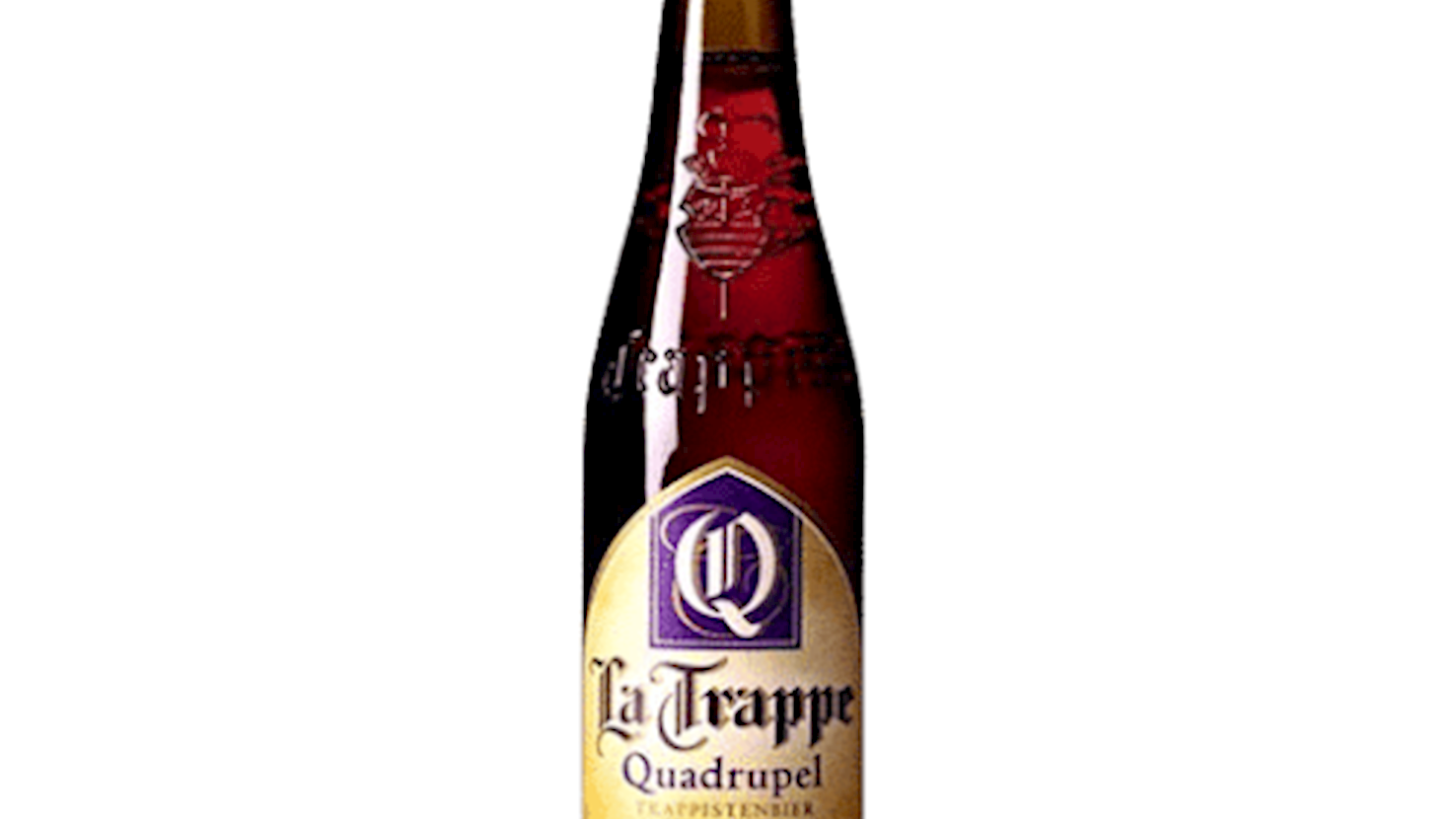
Determining the single best beer in Holland is a complex endeavor because the country's rich brewing tradition encompasses everything from historic trappist ales to globally renowned pale lagers and innovative craft creations. While mass-market lagers like Heineken dominate international volume, true beer enthusiasts generally point to specialty styles—specifically authentic Trappist ales like La Trappe—as the pinnacle of Dutch brewing craftsmanship.
Evaluating the absolute best beer in Holland requires moving beyond simple commercial popularity and examining brewing heritage, ingredient quality, regional distinctiveness, and the meticulous standards required to earn prestigious certifications. The Netherlands boasts a vibrant beer culture that bridges centuries-old European monastic traditions with a modern, progressive craft brewing movement. Whether you are an experienced beer connoisseur or a traveler planning a tasting tour through Dutch cities, understanding what elevates a particular brew to the top tier requires a closer look at the history, production methods, and styles that define the nation's liquid gold.
The Landscape of Dutch Brewing: From Industrial Lagers to Craft Heritage
To appreciate the finest beers produced in the Netherlands, one must first understand the structural layout of the Dutch beer market. The landscape is broadly divided into three main categories: mass-produced pale lagers, regional traditional ales, and independent craft beers.
Mass-produced international pale lagers account for the vast majority of consumption and export volume. Brands like Heineken, Amstel, and Grolsch are household names worldwide, characterized by their bright golden color, crisp carbonation, and light, refreshing finish. While these commercial lagers are engineered for mass appeal and consistency, they do not generally occupy the conversation when critics and enthusiasts discuss the single best beer in Holland.
Instead, attention shifts to independent heritage breweries and monastic institutions. The Netherlands is home to historic cities with deep brewing roots, particularly in regions like North Brabant and Limburg. These areas have preserved traditional recipes that utilize rich local grains, specialized yeast strains, and long maturation periods. The evolution of this market over the past several decades has seen a massive surge in independent craft breweries, expanding the repertoire from standard lagers to experimental IPAs, rich stouts, and complex barrel-aged sours.
The Pinnacle of Dutch Brewing: Authentic Trappist Ales
When looking for a consensus candidate for the single best beer in Holland, connoisseurs almost universally direct their attention toward La Trappe, brewed at the Koningshoeven Abbey (Brouwerij de Koningshoeven) in Berkel-Enschot.
La Trappe holds a rare and prestigious designation: it is one of only a select few breweries worldwide authorized to display the authentic Trappist Product logo. This label is not a style of beer, but a strict certification regulated by the International Trappist Association. To earn and maintain this status, the beer must be brewed within the walls of a Trappist monastery, under the supervision of the monastic community, and the primary mission of the brewery must be to support the monastic life and charitable social causes rather than maximize profit.
La Trappe Quadrupel: A Masterpiece of Complexity
Within the La Trappe lineup, the La Trappe Quadrupel (Quadrupel) is frequently cited by beer judges and international competitions as a world-class masterpiece and a strong contender for the best individual beer style produced in the country.
- Alcohol by Volume (ABV): 10%
- Color: Deep amber to dark brown with a creamy, dense beige head.
- Aroma: Complex notes of warm spices, dark dried fruits (raisins, dates, figs), caramel, and a subtle alcoholic warmth.
- Flavor Profile: Rich and warming on the palate, balancing sweet caramel and malt notes with a dry, slightly bitter finish that lingers pleasantly.
The Quadrupel style was actually pioneered by La Trappe in 1991, creating a brand-new category of ultra-strong dark ales that has since been copied by craft breweries across the globe. Its ability to age gracefully in the bottle—developing deeper sherry-like and port-like characteristics over several years—further solidifies its status among high-end specialty beers.
Comparing Leading Dutch Beer Styles and Top Contenders
While La Trappe Quadrupel represents the monastic peak, the Dutch beer scene is far too diverse to be defined by a single bottle. Different occasions, palates, and food pairings call for different champions.
| Beer Name / Brand | Style | ABV | Flavor Profile | Distinctive Feature |
|---|---|---|---|---|
| La Trappe Quadrupel | Trappist Quad | 10.0% | Dark fruit, caramel, warm spice, rich malt | Authenticated Trappist status; pioneer of the Quad style |
| Jopen Koyt | Gruit / Historic Ale | 8.5% | Herbal, spicy, sweet malt, subtle bitterness | Brewed using historic herbs instead of modern hops |
| Brouwerij ’t IJ Indian Pale Ale | American IPA | 7.0% | Citrus, pine, tropical fruit, crisp bitterness | Iconic windmill brewery located in central Amsterdam |
| Grolsch Premium Pilsner | Standard Lager | 5.0% | Crisp, grassy hops, clean grain, refreshing | Traditional swing-top bottle packaging and longer maturation |
Historic Revival: Gruit and Craft Innovation in Haarlem and Amsterdam
Beyond the monastery walls, urban craft breweries are redefining what Dutch beer can be. In Haarlem, Jopen has successfully revived ancient local brewing traditions. Their flagship historic brew, Jopen Koyt, is crafted according to a municipal recipe from 1404. Instead of relying exclusively on modern hops for bitterness and preservation, Jopen Koyt utilizes gruit—a traditional medieval mixture of herbs and spices. This results in a distinctly herbal, spicy, and deeply historic flavor profile that transports drinkers back to the Middle Ages.
Meanwhile, in Amsterdam, Brouwerij ’t IJ operates out of a historic municipal building right next to the city's largest wooden windmill (Funoen). Their IPAs and seasonal winter ales combine traditional Dutch brewing patience with contemporary American craft hop profiles, showcasing the versatility and modern adaptability of the local industry.
Key Factors to Consider When Selecting a Premium Dutch Beer
If you are exploring the Dutch beer market to find a top-tier bottle for a special occasion or a curated tasting, several technical and sensory factors should guide your selection:
- Serving Temperature: Heavy monastic ales like La Trappe Quadrupel should never be served ice-cold. Pouring them at cellar temperature (10°C to 12°C / 50°F to 54°F) allows the complex aromatic compounds of caramel, dark fruit, and spice to open up properly.
- Glassware: High-alcohol specialty beers are traditionally served in proper chalice or goblet glassware. These wide-mouthed glasses capture the dense foam head and direct the aromas toward the nose, enhancing the sensory experience.
- Aging Potential: High-gravity ales with an ABV above 8% often benefit from bottle conditioning. Storing them in a cool, dark cellar for two to five years allows chemical reactions to soften harsh edges and introduce sophisticated sherry and tobacco notes.
Common Mistakes When Tasting Dutch Specialty Beers
Many casual consumers approach specialty Dutch beers with the same expectations they apply to commercial light lagers, leading to suboptimal tasting experiences. Avoiding these common pitfalls will ensure you get the most out of your tasting session:
- Over-Chilling: Serving a complex Trappist ale straight from a freezing refrigerator mutes its flavor profile, hiding the subtle malt sweetness and spice notes behind a wall of cold numbness.
- Rushing the Pour: Pouring a bottle-conditioned ale too aggressively stirs up the spent yeast sediment at the bottom. While some drinkers enjoy swirling and pouring the yeast for added body and vitamin content, a cleaner pour highlights the beer's natural clarity and delicate carbonation.
- Ignoring Food Pairings: Strong Dutch beers—particularly dark quadruples and bock beers—are exceptionally heavy and rich. Drinking them without food can overwhelm the palate; instead, pair them with mature Dutch cheeses like aged Gouda, rich stews, or dark chocolate desserts.
Frequently Asked Questions About Dutch Beer
What makes a beer an authentic Trappist beer in the Netherlands?
To be certified as an authentic Trappist product, the beer must be brewed within the walls of a Trappist monastery by the monks themselves or under their direct supervision. The production must be of secondary importance to the monastic community, and all profits must be dedicated to supporting the monastery, maintaining the grounds, or funding charitable social initiatives.
Is Heineken considered the best beer in Holland?
Heineken is the most famous and widely distributed Dutch beer globally, known for its consistent pale lager profile. However, it is designed for mass-market refreshment and volume rather than complex artisanal flavor. Connoisseurs and beer judges typically look to specialty craft breweries and Trappist monasteries when evaluating the finest quality beer produced in the country.
How should I store high-alcohol Dutch craft beers?
Strong ales, particularly Quadrupels and barrel-aged stouts, should be stored upright in a cool, dark environment with a stable temperature—ideally between 10°C and 15°C (50°F to 59°F). Protecting them from direct sunlight and dramatic temperature fluctuations prevents premature spoilage and oxidation.
What food pairs best with a Dutch Quadrupel beer?
The rich, dark fruit, caramel, and warming alcohol notes of a Quadrupel pair exceptionally well with strong, aged cheeses (such as a 3-year-old Gouda), braised beef dishes, roasted game meats, and rich desserts featuring dark chocolate or caramel.
Conclusion and Recommendations for Your Next Tasting
While personal preference ultimately dictates individual favorites, exploring the La Trappe Quadrupel provides a direct introduction to the undisputed pinnacle of traditional Dutch brewing craftsmanship. For those looking to branch out further, seeking out historic gruit ales from Haarlem or fresh hop-forward creations from Amsterdam's independent craft scene will reveal a thriving, diverse culinary landscape. Begin your exploration with a properly cellared Trappist ale, served in a wide-mouthed chalice at cellar temperature, and experience the true depth of Holland's brewing heritage.