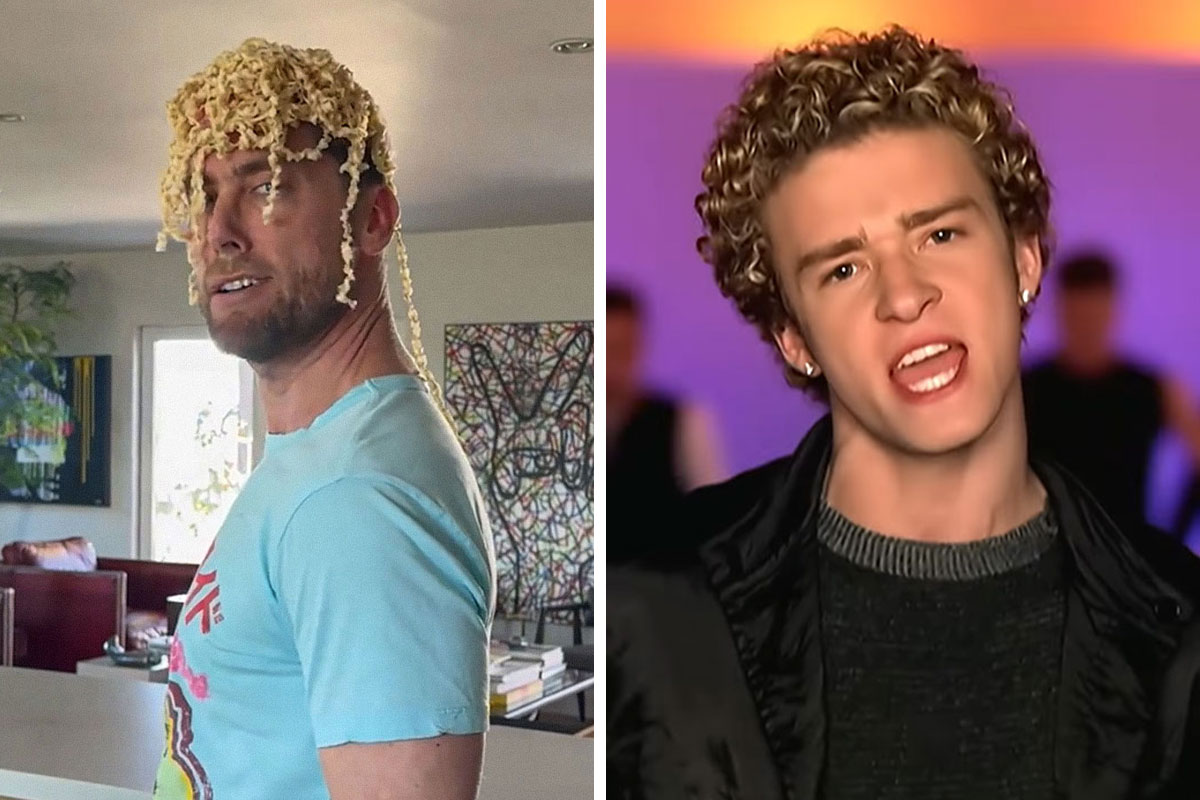
The "It’s Gonna Be May" meme originates from the 2000 *NSYNC hit "It’s Gonna Be Me," specifically highlighting Justin Timberlake’s distinct pronunciation of the word "me" as "may." Every year on April 30th, the internet floods with images of a frosted-tipped Timberlake to signal the transition into the month of May.
As we move through 2026, the meme has officially crossed the quarter-century mark of its source material’s release, cementing its status as a "legacy meme." What began as a niche joke on Tumblr has evolved into a global annual ritual embraced by fans, brands, and Timberlake himself. To understand why this specific snippet of pop culture remains inescapable, one must look at the intersection of Swedish pop production, early 2000s aesthetics, and the mechanics of "calendar-based" internet humor.
The Genesis: "It’s Gonna Be Me" and the Max Martin Influence
To explain the meme, one must first explain the song. "It’s Gonna Be Me" was the second single from *NSYNC’s second studio album, No Strings Attached (2000). The track was produced by the legendary Swedish songwriter and producer Max Martin and Rami Yacoub at Cheiron Studios.
The "May" pronunciation was not an accident or a vocal quirk unique to Timberlake; it was a deliberate stylistic choice characteristic of the "Cheiron Sound." Max Martin is famous for prioritizing the "phonetic math" of a song over the literal pronunciation of lyrics. In the late 90s and early 2000s, Swedish producers often coached American artists to over-enunciate or alter vowels to ensure they "cut through" the heavy electronic production of the era.
The Phonetic Breakdown
In the chorus of the song, the line "It’s gonna be me" is delivered with a sharp, diphthong-heavy vowel sound. By closing the mouth slightly more than usual on the "ee" sound, Timberlake creates a "may" sound. This served a functional purpose in 2000: it made the hook more percussive and memorable. Little did the production team know that this three-minute pop song would provide the phonetic foundation for a decade-spanning internet tradition.
The Viral Transition: From Radio to Image Macro
While the song was a massive hit in 2000, the meme did not exist in the immediate years following its release. The birth of "It’s Gonna Be May" as a viral phenomenon is generally traced back to the early 2010s, specifically on the microblogging platform Tumblr.
- The 2012 Breakthrough: The most famous iteration of the meme—a picture of a young, curly-haired Justin Timberlake with the text "It’s Gonna Be May"—is credited to a Tumblr post from 2012. It gained traction as a "seasonal" joke meant to be shared on the final day of April.
- The Calendar Meme Concept: The meme belongs to a specific sub-genre of internet humor known as the "Calendar Meme." These are images or phrases that only gain relevance at specific times of the year (e.g., Green Day’s "Wake Me Up When September Ends" or Earth, Wind & Fire’s "September").
- Visual Nostalgia: Part of the meme's success is tied to Timberlake’s appearance during the No Strings Attached era. His bleached, tightly curled hair—often jokingly compared to "ramen noodles"—is a visual shorthand for early 2000s boy band culture, making the meme both a joke about a song and a nostalgic reference to an era.
How the Meme Works: Timing and Etiquette
In the digital ecosystem of 2026, the meme follows a strictly observed schedule. Understanding the "how" of the meme requires recognizing its two distinct phases.
The "Eve" (April 30th)
The primary use of the meme occurs on the last day of April. It acts as a countdown or a "warning" that the new month is approaching. Social media users post the image or GIF to signal the end of spring and the beginning of the "May" season.
The "Launch" (May 1st)
On May 1st, the meme shifts from "It’s gonna be" to "It is." Users often update the caption to acknowledge that the month has arrived. However, the anticipation on April 30th typically generates the highest engagement.
| Feature | Description |
|---|---|
| Origin Track | "It’s Gonna Be Me" (2000) by *NSYNC |
| Peak Popularity | April 30th (annually) |
| Key Entity | Justin Timberlake (circa 2000) |
| Primary Platform | X (Twitter), Instagram, TikTok, Tumblr |
| Linguistic Mechanism | Vowel shifting/Phonetic misinterpretation |
| Brand Participation | High (Used by NASA, Starbucks, and more) |
Justin Timberlake’s Role in Sustaining the Meme
Unlike some celebrities who distance themselves from embarrassing early-career photos, Justin Timberlake has leaned into the "It’s Gonna Be May" phenomenon. This "meta-awareness" is a critical reason why the meme hasn't faded into obscurity.
In 2014, Timberlake first acknowledged the meme on Twitter (now X), and by 2016, he was actively participating in the annual tradition. Even the official *NSYNC social media accounts and the YouTube VEVO description for the music video have been updated over the years to reference the meme. By embracing the joke, Timberlake turned a potential "cringe" moment into a powerful tool for brand longevity and fan engagement.
In 2026, this remains a masterclass in celebrity PR. By validating the meme, Timberlake ensures that his 2000s discography remains in the cultural conversation every single year, introducing his music to younger generations who may not have been alive when "It’s Gonna Be Me" was originally climbing the charts.
The Evolution into Modern Media (TikTok and AI)
By 2026, the meme has moved beyond static image macros. The evolution of social media platforms has changed how users interact with "It’s Gonna Be May."
- Short-Form Video (TikTok/Reels): Users now create transition videos where they "transform" from their everyday selves into 2000s-era Timberlake on April 30th. The audio snippet of the song is used as a "sound" that trends globally every spring.
- AI and Deepfakes: With the rise of sophisticated AI tools, we now see high-definition upscales of the original 2000 music video and AI-generated covers of other songs where the "me" is replaced with Timberlake’s "may" pronunciation.
- Corporate Integration: Brands have commodified the meme to an extreme degree. In 2026, it is common to see retailers launch "May Sales" using the Timberlake aesthetic, demonstrating how a simple phonetic quirk can influence marketing calendars decades later.
Why Does It Persist? The Psychology of Shared Rituals
Why do we still share a joke from 2012 about a song from 2000? Internet culture relies heavily on "low-stakes rituals." Sharing the Timberlake meme is a form of digital "comfort food." It requires no political stance, carries no controversial weight, and connects people through a shared memory of a specific pop culture era.
Furthermore, the meme is "evergreen." As long as the Gregorian calendar exists and the month of May follows April, the meme will have a built-in window of relevance. It is one of the few examples of a meme that is truly immune to "dying" because its expiration date is built into the calendar itself.
Common Misinterpretations and FAQ
As the meme reaches "legacy" status, some nuances can be lost on newer internet users. Here are the most common questions regarding the "It's Gonna Be May" phenomenon.
Is the meme about May 1st or April 30th?
The meme is most active on April 30th. The phrase "It’s gonna be May" implies a future state (tomorrow). While people still post it on May 1st, the joke’s primary "punchline" is the anticipation of the coming month.
Did Justin Timberlake actually say "May"?
Technically, no. He is singing the word "me." However, due to the Swedish production style and Timberlake's vocal delivery, the "e" sound is squeezed into a diphthong that sounds like "ay." To the human ear, particularly when isolated from the rest of the sentence, it sounds unmistakably like "May."
Who created the original image?
While the exact creator is difficult to pinpoint due to the nature of Tumblr in 2012, the image of Timberlake in a blue turtleneck with the white text overlay is the version that standardized the meme. Before that, fans simply joked about the pronunciation in text form.
Does the rest of *NSYNC participate?
Yes. Members like JC Chasez, Lance Bass, Joey Fatone, and Chris Kirkpatrick have all referenced the meme in interviews and social media posts. It has become a unifying piece of "fan service" that the entire band uses to stay connected with their audience.
How has the meme changed in 2026?
In 2026, the meme is often used with a sense of "post-irony." People post it not just because they find the pronunciation funny, but because posting it has become a tradition in itself. It is now as much a part of "May Day" traditions for the internet generation as the Maypole was for previous eras.
Recommendation for Social Media Users
If you are planning to participate in the "It’s Gonna Be May" tradition, the best approach is to lean into the nostalgia. Using the original low-resolution 2012 image often carries more "cultural weight" than using a high-definition AI-upscaled version, as it honors the meme’s history. For the highest engagement, aim to post between 6:00 PM and 9:00 PM on April 30th in your local time zone to capture the "eve" of the transition.
Whether you find it a charming annual tradition or a repetitive digital annoyance, "It’s Gonna Be May" is a permanent fixture of the internet’s seasonal cycle. It stands as a testament to the power of a single vowel sound and the enduring influence of 2000s pop royalty.