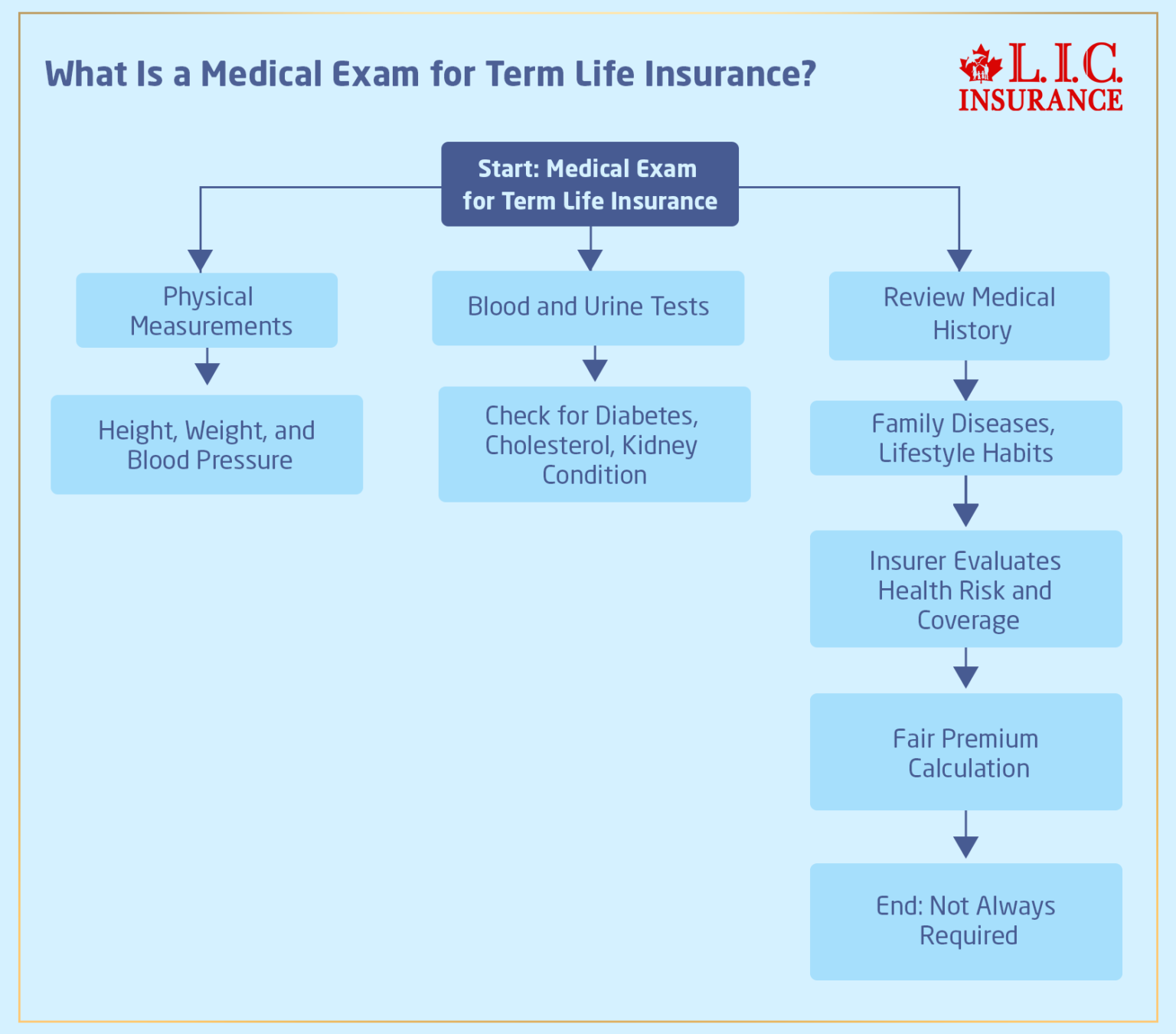
Yes, term life insurance options without a medical exam are widely available in Canada through both specialized simplified-issue policies and guaranteed-acceptance products. These policies bypass traditional physical tests, such as blood draws and urine samples, allowing applicants to secure coverage rapidly by answering a series of health-related questionnaire items or, in some cases, without answering health questions at all.
For Canadians seeking financial protection without the administrative friction, waiting periods, and invasive procedures typical of traditional underwriting, no-medical term life insurance represents a pragmatic alternative. Understanding how these plans function, what they cost, and where they fall short compared to fully underwritten policies is essential for making an informed purchasing decision in 2026.
Understanding No-Medical Life Insurance in Canada
Traditional life insurance underwriting requires an extensive medical examination. A paramedical professional typically visits the applicant's home or office to measure height, weight, blood pressure, and pulse, and to collect blood and urine samples. For individuals with busy schedules, needle phobias, or minor health irregularities, this process can feel cumbersome and anxiety-inducing. No-medical life insurance eliminates this physical barrier to entry.
In the Canadian insurance marketplace, policies that skip the medical exam generally fall into two distinct categories: simplified-issue life insurance and guaranteed-issue life insurance. While both eliminate the need for a physical exam, they operate under entirely different underwriting criteria, cost structures, and coverage limits. Recognizing the structural mechanics of these products helps clarify why an insurer might approve an application in days rather than weeks.
Simplified-Issue Life Insurance
Simplified-issue term life insurance requires no physical exam, but applicants must complete a detailed health questionnaire. These questionnaires typically feature between three and ten yes-or-no questions regarding medical history, current treatments, past hospitalizations, and lifestyle habits such as smoking or hazardous occupations.
If an applicant answers "no" to all the health questions, approval is often granted within days or even hours through automated underwriting systems. However, answering "yes" to certain questions can lead to an immediate denial or trigger requirements for an attending physician's statement (APS). Because insurers assume a higher degree of risk by not verifying health data via physical tests, premiums for simplified-issue policies are generally higher than those for fully underwritten traditional policies, though they remain affordable for healthy individuals who simply want to avoid a medical exam.
Guaranteed-Acceptance Life Insurance
Guaranteed-acceptance life insurance takes the no-medical concept a step further by eliminating both the physical exam and the health questionnaire. No matter an applicant's medical history, pre-existing conditions, or terminal diagnosis, coverage cannot be denied based on health status, provided the applicant meets the age requirements, which typically range from 40 to 85 depending on the provider.
Because insurers accept every applicant without vetting their health, the financial risk is exceptionally high. To mitigate this risk, guaranteed-acceptance policies feature significantly lower maximum coverage amounts—frequently capped between $25,000 and $50,000—and higher premium rates per dollar of coverage. Furthermore, these policies often include a graded death benefit period, meaning that if the insured passes away from natural causes within the first two years of the policy, beneficiaries receive only a refund of the premiums paid plus interest, rather than the full face value.
Comparing Types of No-Medical Term Life Insurance
Evaluating the differences between simplified-issue, guaranteed-acceptance, and traditional fully underwritten policies allows Canadian consumers to align their coverage choice with their actual health profile and financial goals.
| Feature | Simplified-Issue Term Life | Guaranteed-Acceptance Term Life | Traditional Fully Underwritten Term Life |
|---|---|---|---|
| Medical Exam | Not required | Not required | Required (blood, urine, vitals) |
| Health Questionnaire | Yes (short to medium length) | None | Yes (comprehensive) |
| Approval Speed | Fast (days to hours) | Immediate (instant approval) | Slow (4 to 8 weeks) |
| Max Coverage Amounts | Moderate ($100,000 to $500,000+) | Low ($25,000 to $50,000) | High ($1,000,000 to $10,000,000+) |
| Graded Death Benefit | Rare (immediate full coverage) | Common (2-year waiting period for natural death) | None |
| Relative Cost | Moderate to high | Very high per dollar of coverage | Lowest for healthy individuals |
The Application and Underwriting Process
Applying for a no-medical term life insurance policy in Canada is designed to be streamlined. Most major insurance providers and digital brokerages allow consumers to complete applications entirely online or over the telephone without stepping foot in a clinic.
The process typically begins with a digital quote calculator where the applicant inputs their age, gender, smoking status, desired coverage amount, and term length. Once a suitable product is selected, the applicant fills out the electronic application form. For simplified-issue policies, this includes answering the health screening questions accurately and honestly.
It is vital that applicants do not misrepresent their health history on these questionnaires. Insurance companies cross-reference application data with databases such as the Medical Information Bureau (MIB) and prescription drug history databases. If a claim is made and the insurer discovers material misrepresentation during the contestability period—usually the first two years of the policy—the claim can be denied, and the contract voided.
Once the electronic form is submitted, automated verification systems evaluate the data. If the applicant clears the automated check, policy documents are issued electronically, and coverage begins as soon as the first premium payment clears.
Advantages of Skipping the Medical Exam
Opting for a term life insurance policy without a medical exam offers distinct benefits, making it the preferred route for specific demographics across Canada.
- Speed and Convenience: Traditional underwriting requires scheduling a paramedical appointment, fasting, waiting for lab results, and enduring a processing period that can stretch past two months. No-medical policies can be bound in days, providing immediate peace of mind.
- Elimination of Invasive Procedures: Many individuals delay purchasing necessary life insurance simply because they dislike needles, blood tests, or clinical environments. Bypassing these requirements removes the psychological hurdle to getting covered.
- Accessibility for Minor Health Issues: People with controlled high blood pressure, elevated cholesterol, or mild anxiety may face surcharges or complicated underwriting delays under traditional policies. Simplified-issue plans evaluate broad risk categories, allowing applicants with minor, well-managed conditions to secure standard rates without extensive medical records review.
- Bridge Coverage: Individuals who need immediate protection while waiting for a larger, fully underwritten traditional policy to process often use no-medical term insurance as temporary interim coverage.
Limitations and Financial Trade-Offs
While convenience is a major selling point, no-medical term life insurance comes with notable trade-offs that consumers must weigh carefully against their long-term financial strategy.
- Higher Cost per Dollar of Coverage: Insurance companies price policies based on statistical risk. When they insure individuals without knowing their precise biometric data, they assume higher uncertainty. Consequently, premiums for no-medical policies are generally 20% to 50% higher than equivalent fully underwritten policies for healthy individuals.
- Stricter Coverage Caps: Those seeking multimillion-dollar policies to cover large mortgages or estate liquidity will find that no-medical options fall short. Coverage limits for simplified-issue policies typically max out well below the thresholds available through traditional underwriting.
- False Security on Health Questions: Answering a health question incorrectly—even accidentally—can jeopardize the entire policy. Because underwriting happens post-application rather than pre-application via physical tests, investigations into medical truthfulness often occur only after a claim is filed, placing the burden of proof on grieving beneficiaries.
Regulatory Framework and Consumer Protection in Canada
Life insurance in Canada is strictly regulated to protect policyholders. Provincial and territorial insurance regulators—such as the Financial Services Regulatory Authority of Ontario (FSRA) and the Autorité des marchés financiers (AMF) in Quebec—enforce compliance standards for all licensed insurers operating within their jurisdictions.
Furthermore, consumer recourse is supported by the Ombudsperson for Life Health Insurance (OLHI), an independent service that helps resolve disputes between consumers and participating life insurance companies regarding claims, underwriting decisions, and policy interpretations. When purchasing a no-medical policy, consumers should ensure they are dealing with a federally regulated institution (under the Insurance Companies Act) or a provincially licensed provider listed with the Canadian Life and Health Insurance Association (CLHIA).
Frequently Asked Questions
Can I get term life insurance with no medical exam if I am a smoker?
Yes, smokers can qualify for no-medical term life insurance, though they will pay significantly higher tobacco-user premium rates. Simplified-issue applications will explicitly ask about tobacco and nicotine use, including cigarettes, cigars, pipes, e-cigarettes, and nicotine replacement therapies. Misrepresenting smoking status on a simplified-issue application constitutes material misrepresentation and can lead to claim denial.
Are pre-existing conditions covered under no-medical term life insurance?
It depends on the policy type. Under simplified-issue plans, answering "yes" to certain health questions regarding chronic pre-existing conditions—such as heart disease, cancer, or stroke—will generally result in a declination. However, guaranteed-acceptance plans cover pre-existing conditions unconditionally, though they typically enforce a two-year waiting period during which natural death benefits are limited to a return of premiums.
How fast can a no-medical life insurance policy be approved in Canada?
Depending on the provider and the specific product, approval for simplified-issue or guaranteed-acceptance insurance can occur instantly online or within 24 to 48 business hours after submitting the electronic application and payment details. This speed stands in stark contrast to traditional underwriting, which frequently requires four to eight weeks.
Is no-medical life insurance more expensive than traditional life insurance?
Generally, yes. Because insurers lack detailed biometric data from physical exams, they price policies conservatively to offset the statistical risk of insuring unknown health profiles. For an exceptionally healthy individual, a fully underwritten traditional policy will almost always offer lower monthly premiums than a no-medical alternative.
What is the maximum coverage amount available without a medical exam?
Maximum coverage limits vary significantly by provider and product tier. Simplified-issue term and whole life products typically cap coverage between $100,000 and $500,000. Guaranteed-acceptance products usually feature much lower maximum limits, frequently restricted to $25,000 or $50,000, designed primarily to cover final expenses and modest debts.
Practical Next Steps for Canadian Consumers
Securing term life insurance without a medical exam requires a clear assessment of your immediate financial obligations, budget, and health profile. Begin by calculating the exact coverage amount required to protect your dependents—factoring in outstanding mortgage balances, income replacement needs, and final expenses.
If you require robust coverage exceeding $500,000 and maintain good overall health, requesting a quote for a traditional fully underwritten policy is generally the most cost-effective path, even with the requirement of a medical exam. Conversely, if you need coverage rapidly, have minor health hurdles that complicate traditional underwriting, or wish to avoid clinical appointments entirely, request digital quotes from reputable Canadian insurers offering simplified-issue or guaranteed-acceptance term products. Review the health questionnaire carefully, ensure absolute accuracy in your disclosures, and consult a licensed independent insurance advisor to select a policy that matches your long-term security objectives.