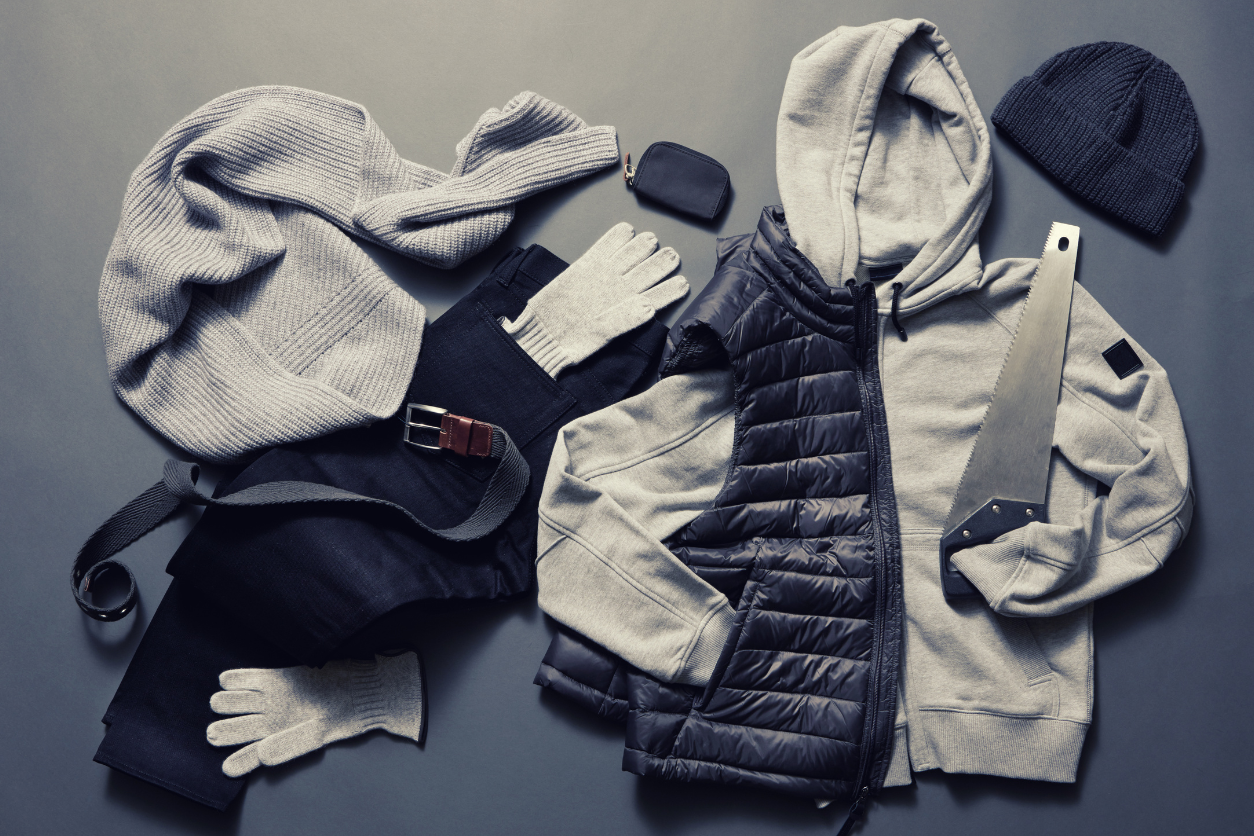
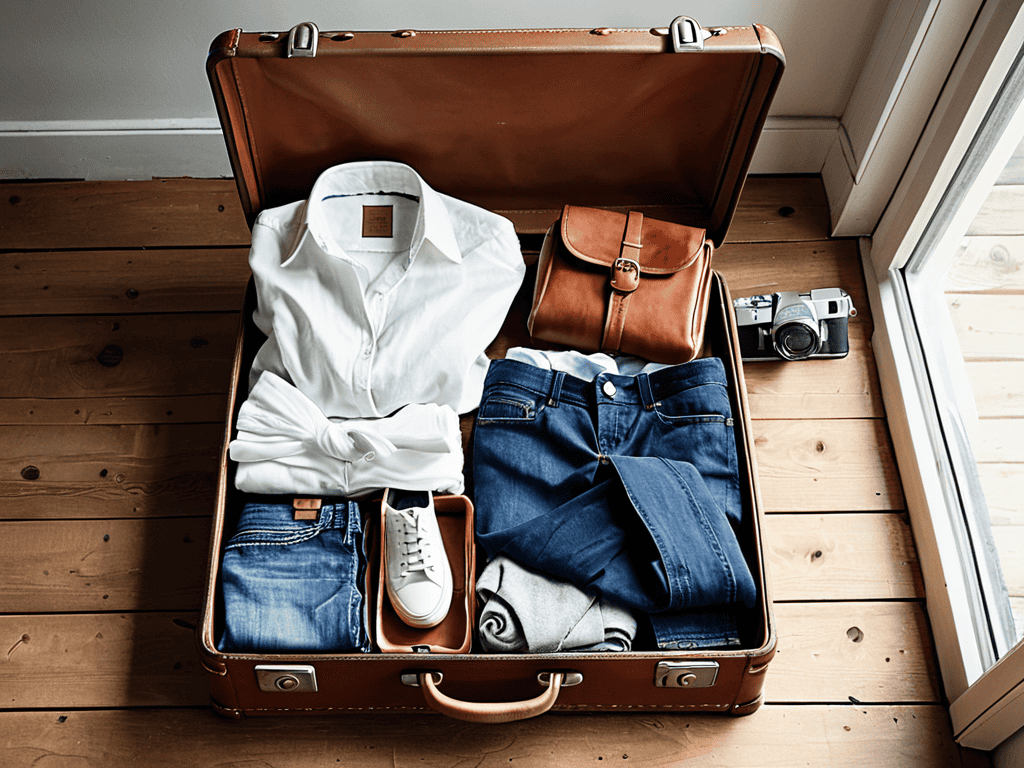
A practical approach to a men's capsule wardrobe involves curating a focused collection of versatile, high-quality garments that can be mixed and matched to create a wide variety of outfits for any occasion, minimizing decision fatigue while maximizing personal style and garment longevity.
Building a streamlined wardrobe can transform how you dress each day. Instead of facing a closet full of clothes and feeling like you have nothing to wear, a well-planned capsule collection simplifies your morning routine. This approach is not about strict minimalism or wearing the exact same uniform every day; rather, it is a strategic framework designed to eliminate clutter, optimize your budget, and ensure that every item you own serves a distinct, functional purpose. By prioritizing fit, fabric quality, and color harmony over transient fashion trends, you can construct a wardrobe that works seamlessly across seasons, professional environments, and casual weekends.
Understanding the Philosophy of the Capsule Wardrobe
The concept of the capsule wardrobe dates back to the 1970s, pioneered by London boutique owner Susie Faux, and was later popularized by designer Donna Karan in the mid-1980s. The core philosophy rests on the idea that a smaller collection of intentional garments provides more styling options than a bloated closet stuffed with impulse purchases. For men, this philosophy addresses a common modern dilemma: the accumulation of cheap, trend-driven clothing that wears out quickly and rarely coordinates.
Adopting a practical approach means evaluating your actual lifestyle rather than dressing for an idealized version of yourself. If you work in a remote environment, your ratio of casual wear to formal tailoring will differ drastically from someone in corporate law or finance. A successful capsule wardrobe reflects your weekly rhythm—accounting for professional obligations, social engagements, physical activities, and leisure time. By matching your closet inventory to your true lifestyle demands, you stop wasting financial resources on clothes that hang untouched with their tags still attached.
The Financial and Environmental Benefits
Beyond the obvious aesthetic advantages, streamlining your clothing inventory offers significant economic and ecological returns. When you limit the total number of garments you own, your budget concentrates on higher-tier items. Instead of buying five cheap cotton shirts that shrink and lose their shape after three washes, you can invest in a single, expertly tailored oxford cloth button-down crafted from long-staple cotton.
From an environmental perspective, the fashion industry remains one of the largest global contributors to waste and carbon emissions. Fast fashion encourages a disposable mindset, where garments are discarded after a few wears. By shifting toward a capsule model, you naturally embrace slow fashion principles: buying less, choosing durability, caring for your garments properly, and keeping clothing in circulation for years rather than months.
Assessing Your Lifestyle and Inventory Audit
Before purchasing a single new garment, you must conduct a thorough audit of your current closet and analyze your daily routine. This discovery phase prevents you from buying duplicates of items you already own or investing in pieces that do not align with your actual day-to-day needs.
Conducting the Closet Audit
Empty your entire wardrobe onto your bed. Group every item into distinct categories: shirts, trousers, knitwear, outerwear, shoes, and accessories. Once categorized, evaluate each piece using a strict set of criteria:
- Fit: Does the garment fit your current body shape comfortably, or does it require tailoring? If it hasn't fit properly in over a year, let it go.
- Condition: Are there permanent stains, thinning fabric, fraying cuffs, or broken zippers? If repair costs outweigh the value of the item, retire it.
- Frequency of Wear: Have you worn this piece within the last six months? If the answer is no, analyze why. Was it hidden in the back, or is it genuinely unsuited to your style?
- Versatility: Can this item pair with at least three other distinct items in your closet? Single-outfit garments create wardrobe bottlenecks.
Mapping Your Weekly Activity Pie Chart
Take a blank sheet of paper and estimate how you spend your time across a typical month. Break this down into percentages:
- Professional / Work Environment: Office settings, client meetings, remote video calls.
- Casual / Daily Life: Running errands, casual weekends, dining out with friends.
- Formal / Special Occasions: Weddings, galas, formal dinners, theater events.
- Active / Athletic: Gym sessions, running, hiking, lounging at home.
If your audit reveals that 70% of your life is casual and professional-casual, yet 50% of your closet consists of stiff suits and formal dress shirts, you have a structural mismatch. Realign your inventory targets to mirror your actual activity pie chart.
Selecting Your Core Color Palette and Fabrics
A cohesive capsule wardrobe succeeds or fails based on color theory and textile selection. When every item shares a harmonious palette, the number of potential outfit combinations multiplies exponentially.
Building a Neutral Foundation
Your foundational items—trousers, outerwear, heavy knitwear, and shoes—should rely on versatile neutral colors that ground your outfits. These shades do not compete for attention and can be mixed in almost any configuration.
- Navy: The most forgiving and versatile neutral in menswear. It works across tailoring, knitwear, and casual jackets, serving as an ideal substitute for stark black in daytime settings.
- Charcoal Grey: Sophisticated and professional. Charcoal anchors suiting and trousers while providing a softer contrast than jet black.
- Olive Green: An exceptional earthy neutral that pairs effortlessly with navy, brown, and grey. Great for field jackets, chinos, and casual overshirts.
- Tan / Beige / Cream: Perfect for lighter trousers, knitwear, and casual footwear, adding warmth and seasonal flexibility to the rotation.
- White and Light Blue: The non-negotiable baseline for shirts, providing crisp contrast under jackets or worn alone with denim.
Once your foundation is secure, introduce accent colors through accessories, knitwear, or casual t-shirts. Burgundy, burnt orange, forest green, and mustard yellow can inject personality into a neutral base without overwhelming your outfits.
Prioritizing High-Performance Fabrics
Durability and drape depend entirely on textile composition. Synthetic blends—such as polyester-heavy shirts or acrylic sweaters—trap heat, hold odors, and pill rapidly. Prioritize natural fibers and intelligent blends that offer breathability, structural integrity, and longevity.
| Fabric | Primary Use | Key Advantages | Maintenance Considerations |
|---|---|---|---|
| Merino Wool | Sweaters, suiting, socks | Exceptional thermoregulation, naturally odor-resistant, lightweight | Requires gentle hand washing or specialized dry cleaning |
| Long-Staple Cotton | Shirts, chinos, denim | Breathable, softens with age, holds dye well | Prone to wrinkling; requires ironing or steaming |
| Raw / Selvedge Denim | Jeans | Extremely durable, develops unique patina over time | Requires minimal washing to preserve indigo dye |
| Linen | Summer shirts, trousers | Unmatched breathability in hot weather, highly absorbent | Wrinkles easily; embraces a relaxed aesthetic |
| Cashmere | Luxury knitwear | Superior softness and warmth-to-weight ratio | Delicate; vulnerable to moths and abrasion |
The Essential Inventory Framework
While exact numbers vary depending on personal preference and climate, a standard four-season capsule wardrobe for men typically contains between 30 and 40 items, excluding underwear, socks, workout gear, and specialized formal wear. The following framework serves as a scalable blueprint.
Tops: Shirts and Knitwear
Your upper-body rotation forms the visual center of your outfits. Focus on construction details like single-needle stitching, mother-of-pearl buttons, and structured collars that frame the face properly.
- 2 Crisp Dress Shirts: White and light blue poplin or twill for formal and sharp professional wear.
- 3 Casual Button-Downs: Oxford cloth button-downs (OCBD) in white, blue, and a subtle stripe or chambray. These bridge the gap between tailoring and denim.
- 4 Everyday T-Shirts: Heavyweight cotton crewneck tees in white, grey, navy, and black. Avoid thin, translucent fabrics that lose their collar shape quickly.
- 2 Polo Shirts: Knitted silk-cotton or pique polos in neutral tones for elevated warm-weather casual wear.
- 3 Sweaters: A crewneck merino wool sweater, a chunky cable-knit wool sweater for winter, and a versatile cotton or merino cardigan.
Bottoms: Trousers and Denim
Bottoms must anchor your upper body while offering unrestricted movement. Prioritize mid-rise cuts with a clean drape over the shoe.
- 2 Pairs of Jeans: One dark indigo rinse with no distressing for smart-casual settings, and one medium-wash pair for relaxed weekends.
- 3 Pairs of Chinos: Slim-to-straight cut chinos in navy, olive, and khaki. These act as the workhorses of daily wear.
- 1 Pair of Tailored Trousers: Wool-blend trousers in charcoal or mid-grey for formal work settings or pairing with sport coats.
Outerwear and Tailoring
Outerwear protects your garments from the elements while providing the final silhouette of your outfit. Invest heavily here, as these pieces remain visible regardless of what you wear underneath.
- 1 Versatile Blazer / Sport Coat: Unstructured navy wool or tropical wool blazer that pairs with jeans, chinos, and dress trousers.
- 1 Transitional Jacket: A classic Harrington jacket, a suede bomber, or an olive field jacket for spring and autumn.
- 1 Heavy Winter Coat: A double-breasted wool peacoat or a tailored topcoat in charcoal or camel.
- 1 Functional Rain Jacket: A technical waterproof shell or trench coat for inclement weather.
Footwear and Accessories
Shoes finish an outfit and experience the most physical wear. Rotate your shoes daily to allow the leather to dry and rest.
- 1 Pair of Minimalist Leather Sneakers: Clean white or off-white leather sneakers that pair with everything from suits to shorts.
- 2 Pairs of Leather Shoes/Boots: Goodyear-welted brown leather brogues, derbies, or Chelsea boots for smart-casual and formal wear.
- 1 Pair of Casual Shoes: Suede loafers, boat shoes, or canvas sneakers for warmer months.
- Accessories: A quality leather belt matching your shoe color, a minimalist everyday watch, a silver or gold ring (if worn), and a selection of silk, wool, or cashmere scarves.
Step-by-Step Implementation Guide
Transitioning to a capsule wardrobe should be approached as a measured, methodical project rather than an overnight purge. Follow this execution sequence to avoid common pitfalls.
Step 1: The Six-Month Freeze
Before discarding clothes you are hesitant to part with, pack them into a designated storage bin and place them out of sight. Commit to living out of your newly audited core selection for six months. If you find yourself reaching into the storage bin repeatedly for a specific item, rescue it. If you forget it entirely, you have validated your decision to donate or sell it.
Step 2: Identify the Gaps
With your core items identified and your temporary storage packed away, write down a precise shopping list of missing essentials. If you have great shirts and trousers but lack a reliable winter coat or versatile brown boots, these become your immediate purchasing priorities.
Step 3: Source with Intent
When filling wardrobe gaps, practice the "one in, one out" rule. If you purchase a new sweater, an older sweater must be retired or donated. Prioritize quality over quantity, researching brand construction methods, fabric origins, and return policies before completing a transaction. Look for brands that offer repair services or utilize transparent manufacturing processes.
Step 4: Maintenance and Care
A capsule wardrobe relies on garment longevity, which requires disciplined maintenance:
- Air Out Your Clothes: Wool and denim do not need to be washed after a single wear. Hang them in a well-ventilated area to release odors naturally.
- Invest in Cedar Hangers: Wooden hangers maintain the shoulder structure of jackets and coats while repelling moths naturally.
- Learn Basic Repairs: Master sewing on a loose button or fixing a minor hem. Regular brushing of wool garments removes dust and extends the interval between dry cleanings.
Common Mistakes to Avoid
Even with the best intentions, men often encounter predictable roadblocks when building a capsule wardrobe. Recognizing these missteps saves time and prevents wasted money.
- Purging Too Aggressively: Throwing away your entire wardrobe overnight often leads to panic buying. Transition gradually by letting go of items as you find better replacements.
- Ignoring Climate Realities: Building a wardrobe based on online inspiration boards without accounting for your local weather leads to freezing winters or sweltering summers. Tailor your fabric and layering choices to your geographic reality.
- Prioritizing Brand Logos over Fit and Fabric: Flashy branding dates quickly and draws attention away from silhouette and proportion. Focus on clean lines, expert tailoring, and fabric hand-feel instead.
- Sticking Too Rigorously to Arbitrary Rules: If a strict limit of 33 items causes you stress, adjust the number. The goal is simplification and personal confidence, not adherence to a rigid mathematical formula.
Frequently Asked Questions
What if my weight fluctuates throughout the year?
Weight fluctuations are entirely normal. If your size shifts regularly between seasons, maintain a smaller active rotation in your current size and keep a transitional backup size in storage. Avoid investing heavily in high-end tailoring during periods of active weight change; instead, focus on stretch-woven chinos, adjustable-waist trousers, and knitwear that accommodates minor size shifts gracefully.
How do I handle formal events or weddings in a capsule wardrobe?
A capsule wardrobe does not mean you cannot own a tuxedo or a dedicated formal black suit. The key is to keep specialized formal wear separate from your daily rotation. Own one impeccably tailored black or dark navy suit reserved exclusively for weddings, funerals, and black-tie events, ensuring it remains clean and ready while your versatile separates handle everyday wear.
Can a capsule wardrobe work in a corporate environment with strict dress codes?
Yes, but the baseline shifts. If your office requires a full suit and tie every day, your capsule must expand its tailoring inventory. Instead of casual chinos and overshirts, your core will consist of three suits (navy, charcoal, grey), ten dress shirts in rotating weaves, and multiple silk ties. The underlying principle remains identical: harmonious colors, premium fabrics, and interchangeable components that eliminate daily decision fatigue.
How often should I update or refresh my capsule wardrobe?
A well-constructed capsule wardrobe should require minimal updating from season to season. Instead of overhauling your closet twice a year, perform minor seasonal swaps—moving heavy wool sweaters to storage in the spring and introducing linen shirts and lightweight trousers. Major garment replacements should occur organically as items wear out, typically over a multi-year cycle due to the higher initial quality of your pieces.
Conclusion
Embracing a practical approach to a men's capsule wardrobe is an investment in both your personal presentation and your peace of mind. By auditing your lifestyle, selecting a cohesive neutral color palette, investing in high-performance natural fibers, and eliminating impulse purchases, you create a functional system that makes getting dressed effortless. Start by clearing out what no longer serves you, map your true weekly needs, and build a collection of durable garments designed to last.