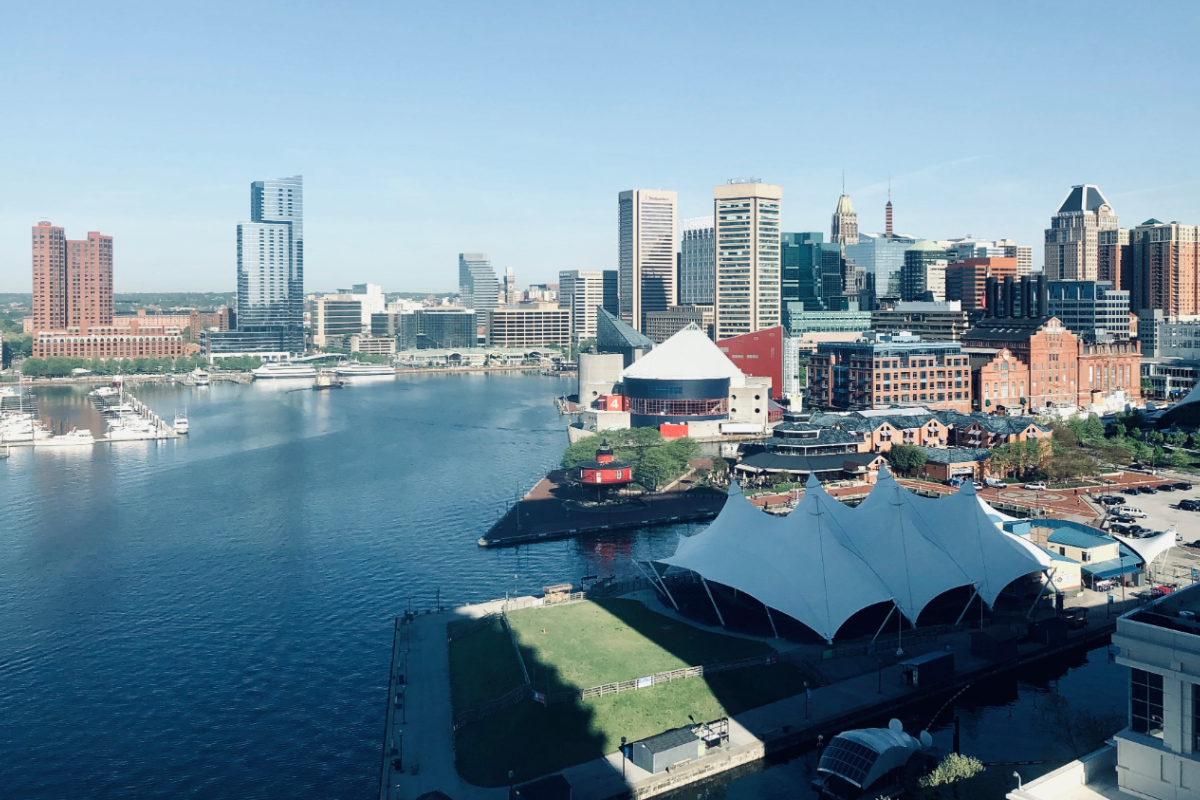
Finding a nice area of Baltimore depends on your lifestyle priorities, whether you value historic architecture, waterfront access, walkable dining districts, or quiet suburban-style streets. Top-rated neighborhoods such as Fells Point, Federal Hill, Canton, Mount Vernon, and Roland Park offer vibrant community safety, rich cultural amenities, and distinct housing styles across the city.
Defining What Makes a Neighborhood "Nice" in Baltimore
Baltimore is famously known as the "City of Neighborhoods," comprising over 200 distinct communities within its independent city borders. Because the urban landscape changes rapidly from block to block, evaluating a desirable area requires examining specific micro-location factors rather than broad geographic zones.
When residents and homebuyers search for a nice area in Baltimore, they typically prioritize a combination of low violent crime rates, active neighborhood associations, commercial vitality, well-maintained housing stock, and convenient transit connections.
Understanding how these elements intersect helps narrow down which part of the city aligns best with your everyday needs, budget, and lifestyle preferences.
Top Waterfront and Harbor Neighborhoods
Baltimore’s waterfront along the Patapsco River features some of the city's most vibrant and sought-after real estate. These neighborhoods combine maritime heritage with contemporary amenities, excellent walkability, and strong public safety records.
Fells Point: Historic Maritime Charm
Fells Point is one of Baltimore’s oldest continuously operating neighborhoods, established in the mid-18th century. Known for its cobblestone streets along Thames Street, historic brick rowhomes, and expansive harbor views, Fells Point attracts a mix of young professionals, remote workers, and long-time residents.
- Architecture: Colonial, Federal, and Victorian-era rowhomes dominate the landscape, alongside select modern mid-rise condominium developments along the water.
- Lifestyle and Amenities: Broadway Market serves as a central food hall, flanked by dozens of independent boutiques, coffee shops, seafood restaurants, and historic taverns like The Horse You Came In On.
- Walkability and Transit: Highly walkable with direct access to the Baltimore Water Taxi, connecting residents to the Inner Harbor, Harbor East, and Canton.
Federal Hill: Historic Skyline Views and Urban Energy
Positioned directly south of the Inner Harbor, Federal Hill sits atop a hill offering panoramic views of the city skyline. It is a favored choice for young adults, healthcare workers from nearby University of Maryland Medical Center, and commuters traveling via Interstate 95.
- Architecture: Restored 19th-century brick rowhomes, many featuring rooftop decks ("decking") that maximize outdoor living space and city views.
- Lifestyle and Amenities: Federal Hill Park offers expansive green space, picnic areas, and historic monuments. Cross Street Market provides a vibrant indoor hub for dining, while Light Street and Charles Street feature bustling corridors of dining and shopping.
- Accessibility: Excellent highway access to I-95 and Federal Hill’s proximity to Camden Station makes it attractive for MARC train commuters heading south toward Washington, D.C.
Canton: Waterfront Parks and Modernized Rowhome Living
Located east of Fells Point, Canton strikes a balance between historic charm and modern residential convenience. Centered around Canton Square, this neighborhood is popular among post-graduates, young families, and mid-career professionals.
- Architecture: Traditional two- and three-story formstone and red brick rowhomes, many featuring modern open-concept renovations, parking pads, and rooftop additions.
- Lifestyle and Amenities: Canton Waterfront Park provides open green lawns, boat launch access, and hosts community festivals. Canton Square is packed with neighborhood bars, casual dining spots, and local services.
- Commercial Convenience: Unlike some older historic districts, Canton benefits from nearby major retail plazas housing grocery stores, fitness centers, and day-to-day shopping.
Locust Point: A Quiet Peninsula Community
Tucked away on the peninsula past Federal Hill, Locust Point retains a tight-knit, residential neighborhood feel with a distinct industrial heritage. It surrounds historic Fort McHenry, the birthplace of the U.S. National Anthem.
- Architecture: Traditional working-class rowhomes alongside high-end industrial conversions, such as Silo Point—a converted grain elevator turned luxury high-rise condominium complex.
- Lifestyle and Amenities: Home to Under Armour’s corporate headquarters, Locust Point boasts quiet streets, neighborhood dog parks, local eateries, and easy access to the historical trails of Fort McHenry National Monument.
- Vibe: Highly residential, clean, and peaceful, making it popular with families and professionals seeking a quieter harbor lifestyle.
Cultural, Historic, and Arts Districts
For those who prioritize proximity to arts institutions, historic European-style plazas, and eclectic local culture, Baltimore’s central and north-central corridor offers outstanding neighborhood options.
[ North Baltimore ] Roland Park / Guilford / Mount Washington | v [ Midtown Arts ] Hampden / Mount Vernon | v [ Harbor Waterfront ] Federal Hill / Fells Point / Canton / Locust Point
Mount Vernon: The Cultural Capital of Baltimore
Mount Vernon is designated as a National Historic Landmark District and serves as the cultural heart of the city. Centered around the iconic Washington Monument at Mount Vernon Place, this area features grand historic architecture and world-class arts institutions.
- Architecture: 19th-century mansions, Beaux-Arts apartment buildings, historic brownstones, and converted boutique condos.
- Lifestyle and Cultural Hubs: Home to the Walters Art Museum, the Peabody Library of Johns Hopkins University, the Joseph Meyerhoff Symphony Hall, and the Center Stage theater company.
- Transit Connectivity: Exceptionally well-connected via the free Charm City Circulator (Purple Line), Penn Station (MARC and Amtrak trains), and the Baltimore Light Rail.
Hampden: Eclectic Culture and Local Enterprise
Located just north of Johns Hopkins University’s Homewood campus, Hampden is famous for its unique blend of mid-century Baltimore charm ("Hon" culture) and modern indie enterprise. Centered along W. 36th Street (known locally as "The Avenue"), Hampden attracts artists, university staff, students, and young families.
- Architecture: Brick and stone porch-front rowhomes, stone workers' cottages, and detached single-family dwellings.
- Lifestyle and Amenities: Independent bookstores, vintage clothing shops, artisanal ice cream parlors, craft breweries, and nationally recognized restaurants line The Avenue.
- Community Vibe: Vibrant, creative, and welcoming, with high walkability and proximity to Roosevelt Park and the Stony Run Trail network.
Leafy North Baltimore Enclaves (Suburban-Urban Mix)
If you prefer tree-lined streets, expansive yards, historic detached housing, and private driveways while remaining within city limits, North Baltimore holds several premier residential communities.
Roland Park: America’s First Planned Garden Suburb
Designed in the late 19th century with input from the Olmsted Brothers landscape architecture firm, Roland Park offers a distinctly suburban atmosphere inside the city border.
- Architecture: Grand Victorian, Tudor Revival, Shingle Style, and Colonial Revival detached homes set on large, forested lots.
- Lifestyle and Environment: Winding streets, canopy trees, private walking paths, and historic stone walls define the neighborhood. The Roland Park Shopping Center, built in 1896, claims title as one of the country's first strip shopping centers.
- Schools and Services: Served by top-rated public elementary schools and close to several of Baltimore’s premier independent private schools.
Guilford and Homeland: Architectural Elegance and Scenic Gardens
Adjoining Roland Park to the east, Guilford and Homeland are master-planned historic residential communities renowned for their manicured gardens and classical architecture.
- Guilford Features: Famous for Sherwood Gardens, a six-acre park that draws thousands of visitors each spring when over 80,000 tulips bloom. Housing includes grand brick mansions, Georgian estates, and custom stone residences.
- Homeland Features: Known for its quiet residential streets, scenic lakes, slate roofs, and historic stone homes, offering privacy and neighborhood stability.
Mount Washington: A Picturesque Village Setting
Located in the far northwestern corner of the city, Mount Washington feels like a historic New England village.
- Architecture: Victorian single-family homes, historic cottages, and modern condo complexes nestled into wooded hillsides.
- Amenities: The Mount Washington Village area features local boutiques, cozy taverns, and specialty food shops. The neighborhood includes a dedicated Baltimore Light Rail stop, offering simple transit into Downtown or north to Baltimore County.
Neighborhood Comparison Matrix
The following table summarizes key operational, spatial, and lifestyle metrics for top neighborhoods across Baltimore to help streamline your decision-making process.
| Neighborhood | Primary Housing Types | Walkability & Vibe | Commute & Transit Highlights | Ideal Resident Profile |
|---|---|---|---|---|
| Fells Point | Historic Rowhomes, Modern Condos | Very High; Historic, Waterfront, Lively | Water Taxi, Circulator, near I-95 | Professionals, Remote Workers, History Buffs |
| Federal Hill | Historic Rowhomes, Rooftop Decks | Very High; Energetic, Active Nightlife | Direct I-95 access, Camden MARC Station | Young Professionals, Healthcare Workers |
| Canton | Restored Rowhomes, Waterfront High-rises | High; Social, Park-focused, Commercial | Quick commute to I-95 & I-895 tunnels | Mid-career Professionals, Pet Owners |
| Locust Point | Traditional Rowhomes, Condo Conversions | High; Quiet Peninsula, Family-friendly | Convenient to I-95, Fort McHenry access | Families, Relocating Professionals |
| Mount Vernon | Grand Mansions, High-rise Apartments | Very High; Urban Cultural District | Penn Station (MARC/Amtrak), Light Rail | Artists, Commuters, Academic Professionals |
| Hampden | Porch-front Rowhomes, Cottages | High; Eclectic, Independent Retail | Light Rail (Woodberry), easy access to I-83 | Creatives, University Faculty, Students |
| Roland Park | Grand Detached Single-Family Homes | Moderate; Suburban, Scenic, Peaceful | Car-dependent; fast commute via I-83 | Families, Buyers seeking large lots |
Critical Factors to Consider Before Moving
Selecting the ideal neighborhood requires looking beyond aesthetics to analyze practical daily living logistics.
1. Transportation and Transit Options
- MARC Train Access: If commuting to Washington, D.C., proximity to Penn Station (Mount Vernon/Midtown) or Camden Station (Federal Hill/Downtown) is a major advantage.
- Interstate Access: Highways I-95 and I-895 run along the southern and eastern edges of the city (convenient for Canton, Federal Hill, Locust Point). Interstate 83 (the Jones Falls Expressway) cuts north-south, connecting Mount Vernon, Hampden, and Roland Park directly to Baltimore County.
- Micro-Mobility and Buses: The Charm City Circulator provides free transit along primary north-south and east-west routes, complementing the broader Maryland Transit Administration (MTA) bus and light rail networks.
2. Parking Logistics
Parking availability varies significantly depending on the neighborhood structure:
- In historic rowhome communities like Fells Point and Federal Hill, street parking can be tight during evening hours. Many residents apply for city Residential Permit Parking (RPP) decals.
- In Canton and Locust Point, many renovated homes feature concrete parking pads behind the house.
- In North Baltimore neighborhoods like Roland Park, Guilford, and Mount Washington, private driveways and multi-car garages are standard.
3. Property Taxes and Municipal Services
Baltimore City operates as an independent municipal entity separate from surrounding Baltimore County. Property tax rates in Baltimore City are higher than in neighboring counties. However, home prices per square foot in city neighborhoods often reflect this offset, offering significant architectural value compared to surrounding metropolitan areas.
Evaluating Safety and Local Resources
Safety standards fluctuate across any major metropolitan area. When evaluating specific streets and blocks in Baltimore, consider these practical steps:
- Review Local Crime Data: Utilize public safety resources like the Baltimore City Police Department crime mapping tools or the city's open data portal (Open Baltimore) to evaluate block-by-block statistics over a 12-month period.
- Contact Neighborhood Associations: Most established Baltimore communities have active resident associations (such as the Canton Community Association or the Federal Hill Civic Association). Attending a meeting or reviewing their meeting minutes provides clear insight into community priorities and safety initiatives.
- Visit at Different Times: Walk or drive through candidate streets during weekday morning rush hours, weekend afternoons, and late evenings to observe parking, noise levels, lighting, and general foot traffic.
Frequently Asked Questions
What is the safest area to live in Baltimore?
Residential neighborhoods in North Baltimore, such as Roland Park, Guilford, Homeland, and Mount Washington, consistently record some of the lowest crime rates in the city. Along the waterfront, Locust Point and Canton also rank among the safest, stable urban neighborhoods.
Which Baltimore neighborhoods are best for Washington, D.C. commuters?
Mount Vernon and Midtown are ideal due to their walking distance to Penn Station, where the MARC Penn Line reaches Washington Union Station in under an hour. Federal Hill is another top choice due to its direct access to the MARC Camden Line and quick highway access to Interstate 95 South.
Is Baltimore an affordable city compared to other East Coast hubs?
Yes. Compared to Washington, D.C., Philadelphia, New York, or Boston, Baltimore offers significantly lower median real estate prices and rental rates. Buyers can acquire historic architectural features, generous square footage, and waterfront proximity at a fraction of the cost found in neighboring East Coast markets.
Are there good suburban-feeling neighborhoods within Baltimore city limits?
Yes. Neighborhoods in North Baltimore like Roland Park, Homeland, and Mount Washington offer single-family detached homes, large wooded yards, quiet streets, and driveways, all while retaining access to city services and shorter downtown commutes.
What is the difference between Baltimore City and Baltimore County?
Baltimore City is an independent city completely separate from Baltimore County. They possess entirely distinct local governments, public school systems, tax structures, and police departments. Neighborhoods like Fells Point, Mount Vernon, and Roland Park are inside Baltimore City.
Practical Next Steps for Buyers and Renters
If you are planning a relocation or move within Baltimore, follow this step-by-step checklist:
- Establish Your Priorities: List your top three non-negotiables (e.g., dedicated parking, short commute to D.C., historic architecture, or high walkability).
- Spend Time on the Ground: Spend a weekend visiting distinct neighborhood hubs. Have lunch on The Avenue in Hampden, walk the promenade from Fells Point to Canton Waterfront Park, and visit Mount Vernon Place.
- Partner with a Local Real Estate Specialist: Work with a licensed real estate agent who specializes specifically in Baltimore City properties. City real estate involves unique factors like ground rent, historic tax credits (CHAP tax credits), and permit parking zones that require experienced local guidance.
- Explore Financing Incentives: Investigate Baltimore City buyer incentives, such as the Live Near Your Work program, Vacants to Value grants, or historic renovation tax credits, which can provide substantial financial assistance.