Navigating breakfast options in Spanish-speaking countries reveals a diverse tapestry of culinary traditions, ranging from the savory, protein-heavy plates of Central America to the lighter, pastry-focused morning meals of Spain. This guide provides a categorized list of essential breakfast foods, explaining their cultural context and preparation to help you understand what constitutes a typical morning meal across the Spanish-speaking world.
Understanding the Cultural Nuance of "Desayuno"
The concept of desayuno (breakfast) varies significantly depending on the geography, climate, and historical influences of a specific region. In many Spanish-speaking countries, breakfast is treated as either a functional, quick start to the day or a robust, social meal that anchors the morning. Unlike some Northern European or North American traditions that emphasize cold cereals or large buffets, Spanish-speaking cultures often prioritize fresh, localized ingredients such as maize (corn), plantains, tropical fruits, and artisanal breads.
When traveling or attempting to replicate these meals at home, it is important to distinguish between the "Continental" breakfast—often found in hotels catering to international tourists—and the traditional, local morning meal. The following sections break down these foods by category, offering insight into their regional prominence and preparation methods.
Bread and Pastries: The Foundation of Spanish Mornings
In Spain and parts of the Southern Cone (Argentina, Uruguay, Chile), the day often begins with a focus on high-quality baked goods. The tradition here is influenced by Mediterranean baking techniques, emphasizing simple, fresh, and often toasted elements.
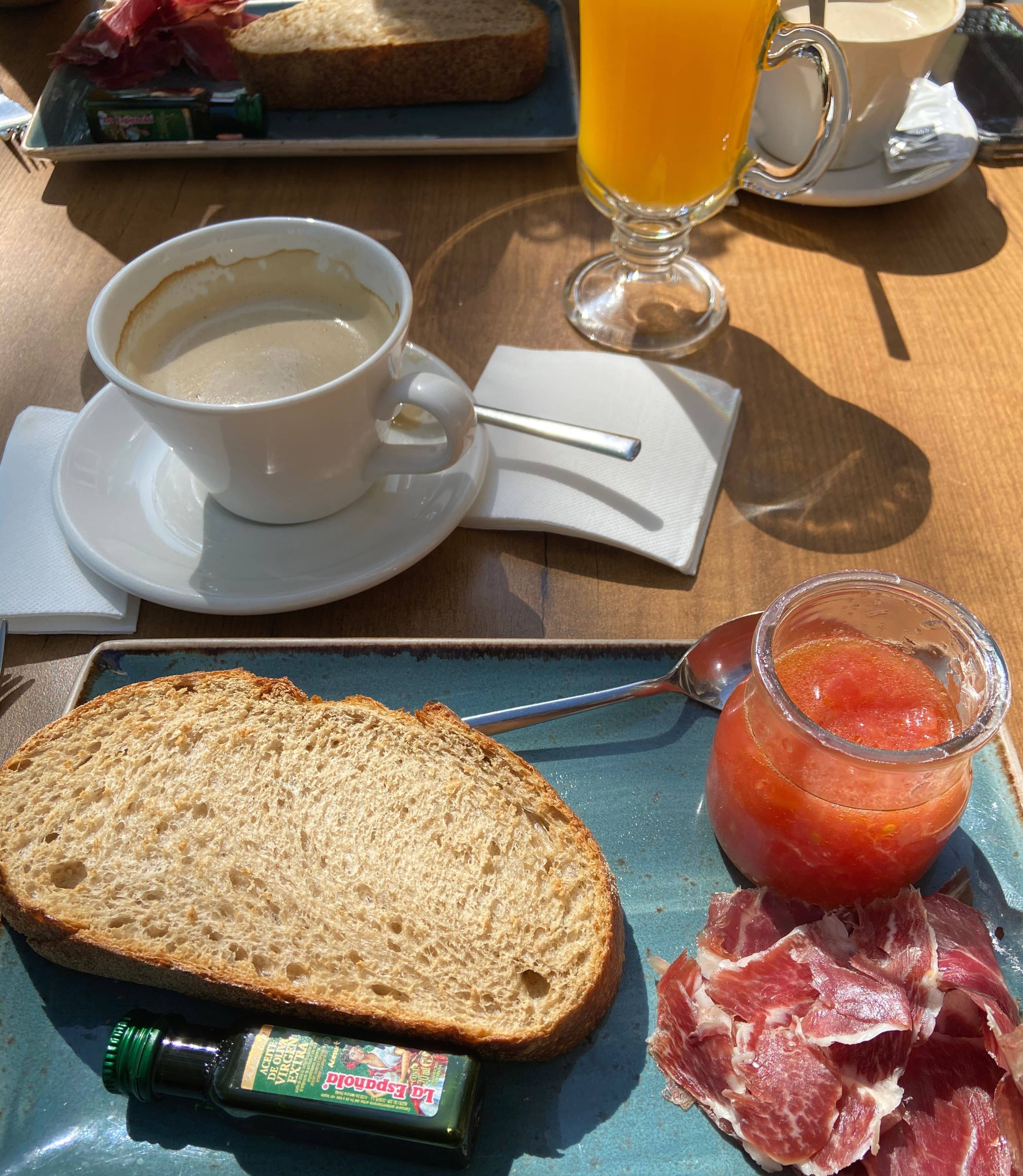
- Pan con Tomate (Tostada con tomate): Highly prevalent in Spain, this involves toasted bread (often a barra or baguette style) rubbed with fresh garlic and ripe tomato, then drizzled with high-quality extra virgin olive oil and a pinch of salt. It is a fundamental breakfast staple that highlights the quality of local produce.
- Churros con Chocolate: While often associated with festive occasions or late-night snacks, in many Spanish cities, churros (fried dough pastry) served with thick, hot dipping chocolate are a classic breakfast choice. They are meant to be eaten fresh while still hot and crispy.
- Medialunas: Found primarily in Argentina and Uruguay, these are crescent-shaped pastries similar to croissants. They are often glazed with a simple syrup (giving them a sweet, sticky finish) or served saladas (savory, without the glaze). They are the quintessential companion to a cup of café con leche.
Savory Staples: The Hearty Breakfasts of Latin America
Moving into Central and South America, breakfast transitions from light pastries to substantial, savory plates designed to provide energy for a full day of labor. These meals frequently feature legumes, proteins, and starch-heavy components.
- Gallo Pinto: A staple in Costa Rica and Nicaragua, gallo pinto is a mixture of rice and beans (typically black or red) sautéed with onions, peppers, and cilantro. It is often served alongside scrambled eggs, fried plantains, and sometimes a slice of local cheese or natilla (a form of sour cream).
- Arepas: Primarily in Colombia and Venezuela, arepas are round patties made from pre-cooked corn flour. They can be grilled, fried, or baked. For breakfast, they are often split open and stuffed with butter, cheese, or perico (eggs scrambled with tomatoes and onions).
- Chilaquiles: A Mexican breakfast favorite consisting of lightly fried corn tortilla pieces simmered in salsa (either green or red). They are typically topped with crema, crumbled queso fresco, raw onion rings, and sometimes shredded chicken or a fried egg. This dish is a perfect example of how leftovers are transformed into a complex, flavor-forward breakfast.
Tropical Fruits and Dairy Elements
In tropical regions, the breakfast menu is heavily dictated by the immediate availability of seasonal fruit. It is common for a breakfast to start with a plate of fresh produce, followed by heavier, cooked items.
- Fruta de la Estación: In countries like Colombia, Ecuador, and Panama, a breakfast plate almost always includes a selection of papaya, pineapple, mango, or melon. These are often served with a side of yogur or fresh cheese.
- Queso Fresco: Unlike aged European cheeses, the fresh, unaged cheeses of Latin America are a breakfast staple. They provide a cooling, salty contrast to savory beans or sweet plantains.
- Batidos/Licuados: Fresh fruit smoothies, known as licuados in Mexico and batidos in other regions, are a standard breakfast drink. They are often made with water or milk and can be fortified with grains like oats for extra sustenance.
Comparative Summary of Regional Breakfast Preferences
The following table provides a quick reference for the primary ingredients associated with regional breakfast styles.
| Region | Primary Starch | Key Protein | Typical Accompanying Drink |
|---|---|---|---|
| Spain | Toasted Bread | Olive Oil/Tomato | Café con Leche |
| Mexico | Corn Tortillas | Eggs/Salsa | Café de Olla |
| Central America | Rice & Beans | Eggs/Plantains | Coffee/Fruit Juice |
| Colombia/Venezuela | Corn Flour (Arepas) | Cheese/Eggs | Hot Chocolate |
| Southern Cone | Pastries (Medialunas) | Coffee/Dulce de Leche | Café con Leche |
The Role of Coffee: Beyond the Caffeine Kick
No discussion of breakfast in the Spanish-speaking world is complete without mentioning the role of coffee. It is rarely just a grab-and-go cup; it is a ritual. In Spain, café con leche (coffee with a significant portion of steamed milk) is the standard morning drink. In Mexico, café de olla—coffee brewed in an earthenware pot with cinnamon and piloncillo (unrefined cane sugar)—is a deeply traditional way to start the day.
In many Latin American countries, the coffee culture is integrated with agriculture. Producers often reserve their best beans for local consumption, meaning that the cup of coffee served at breakfast is frequently a reflection of the regional terroir.
Common Misconceptions
One frequent error for travelers is assuming that every Spanish-speaking country shares the same "breakfast menu." In reality, a breakfast menu in Madrid will share almost nothing with a breakfast menu in San José, Costa Rica. Furthermore, the timing of breakfast differs; while in some countries breakfast is eaten early, in others, there is a tendency to have a light desayuno followed by a mid-morning snack, or almuerzo, which serves as a secondary, heavier breakfast or early lunch.
Another misconception involves the perception of sugar. While pastries are common, the breakfast culture in Latin America is far more focused on savory ingredients like beans, corn, and eggs than the breakfast menus found in the United States or Canada, which are often heavily tilted toward syrups, pancakes, and sweet cereals.
How to Build a Traditional Breakfast Experience
If you are looking to assemble a traditional breakfast at home, follow these steps to ensure authenticity:
- Select a Region: Do not mix styles. If you choose a Mexican theme, look for corn-based staples; if you choose a Spanish theme, focus on high-quality bread and olive oil.
- Focus on Freshness: Use real ingredients. Avoid pre-packaged "breakfast mixes." The flavor profile of dishes like gallo pinto depends entirely on the freshness of the cilantro and the quality of the beans.
- Prioritize the Drink: Invest in a good brewing method for your coffee or prepare a fresh fruit licuado rather than using store-bought juice.
- Balance: Most traditional breakfasts balance a heavy starch with a salty protein (eggs, cheese, or beans) and a fresh element (fruit or tomato).
Frequently Asked Questions (FAQ)
1. What is the difference between a "continental" breakfast and a "traditional" breakfast in Spain? A continental breakfast in a hotel typically includes packaged pastries, jam, and mass-market coffee. A traditional Spanish breakfast focuses on fresh tostadas (toasted bread) with olive oil and tomato, often served in a local cafetería with fresh-pressed orange juice and high-quality espresso.
2. Are beans always served for breakfast in Latin America? Beans are a cornerstone of breakfast in Central American countries like Costa Rica, Nicaragua, and parts of Honduras. However, they are less common as a breakfast staple in places like Argentina or Chile, where the focus leans more toward breads and pastries.
3. What is the best protein to use if I am making Arepas at home? The most traditional protein filling for an arepa is perico, which consists of eggs scrambled with finely chopped white onions, tomatoes, and occasionally scallions. Adding a slice of salty, white queso fresco on the side is also highly recommended.
4. Is it common to have cold cereal for breakfast in Spanish-speaking countries? While modern supermarkets carry international cereal brands, they are typically viewed as a convenience food for children rather than a cultural staple. Most adults prefer prepared, cooked, or fresh items over boxed cold cereals.
5. How do I make my own "Café de Olla" at home? You need high-quality ground coffee, a cinnamon stick, and piloncillo. Heat water in a pot, add the cinnamon and sugar until dissolved, then add the coffee. Let it steep (do not boil the coffee grounds aggressively) and strain it through a cloth filter to achieve the classic texture and flavor.
Final Recommendation for Your Culinary Exploration
To truly appreciate the diversity of Spanish-language breakfast cultures, begin by selecting one specific country's tradition for a weekend morning. If you are starting, the tostada con tomate (Spain) is the easiest to replicate with high-quality ingredients, while the gallo pinto (Central America) offers a more complex, satisfying, and nutrition-dense experience. Regardless of the dish, focus on using fresh ingredients and treating the preparation as part of the breakfast ritual rather than a chore to be rushed.