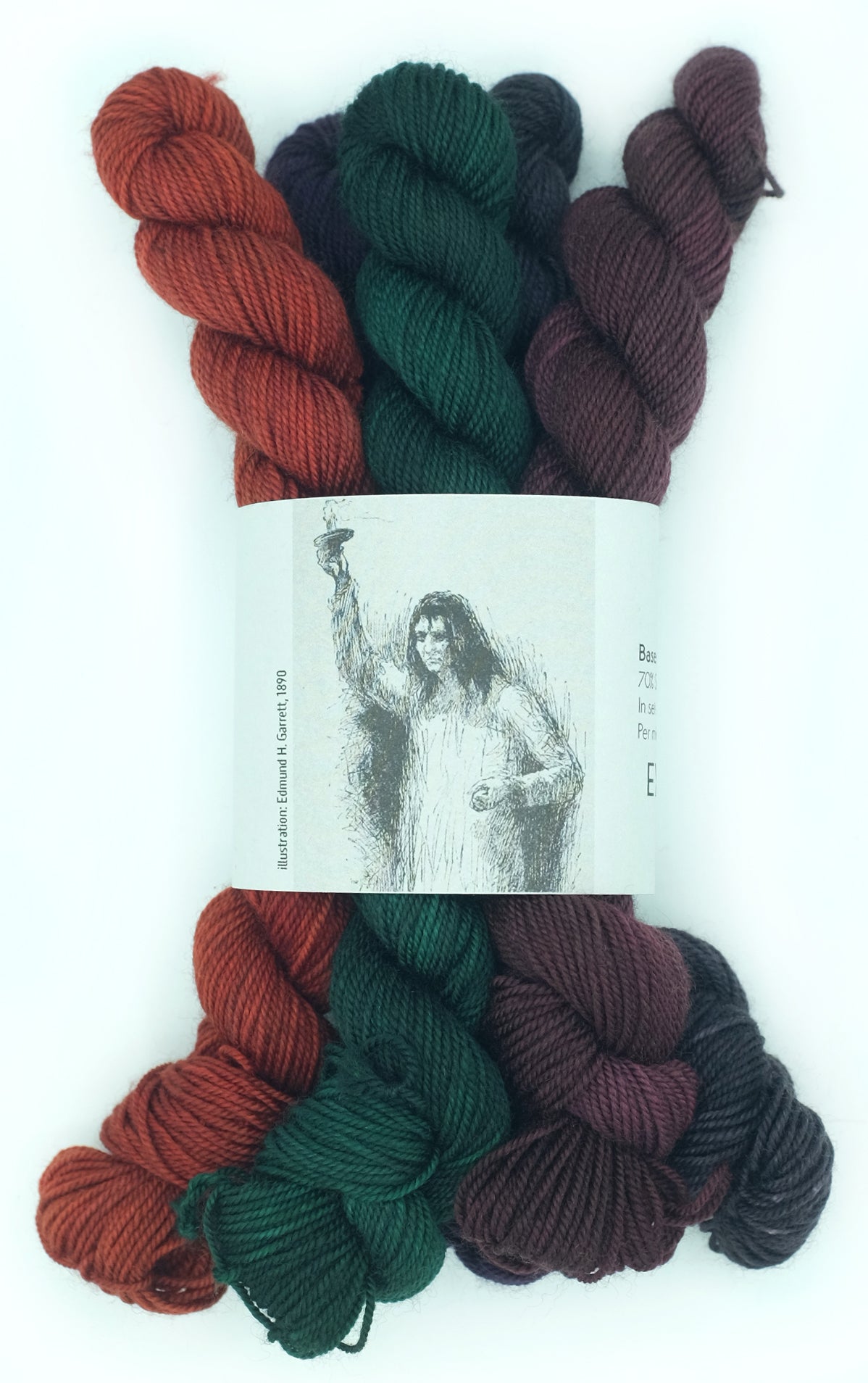
The term attic wife refers to a literary trope, a feminist cultural concept, and modern slang describing a spouse or romantic partner who is intentionally hidden away from public view, isolated, or kept secret. It originates from the classic 19th-century character Bertha Mason in Charlotte Brontë's novel Jane Eyre, who was locked in Thornfield Hall's attic by her husband, Edward Rochester.
Over the decades, the phrase has evolved beyond classic Victorian literature. Today, "attic wife" functions across three distinct domains: historical literary fiction, academic feminist criticism, and modern digital slang used to describe exclusionary relationship dynamics or narrative tropes in romance web comics and fiction. Understanding the context in which the term appears helps clarify whether it refers to a Victorian narrative device, a critique of patriarchal suppression, or a modern relationship red flag.
The Literary Origin: Bertha Mason in Jane Eyre
To understand the core meaning of an attic wife, one must examine its foundational literary source. In Charlotte Brontë's 1847 novel Jane Eyre, the main protagonist, Jane, discovers on her wedding day that her wealthy employer and suitor, Edward Rochester, is already legally married. Rochester's secret wife, Bertha Antoinetta Mason, is a Creole heiress from Jamaica who suffers from severe, violent mental illness.
Rather than institutionalizing her publicly or seeking an annulment—which was legally difficult and socially stigmatizing in Victorian England—Rochester confines Bertha to a windowless third-floor attic room at his country estate, Thornfield Hall. She is kept under the constant supervision of a hired nurse, Grace Poole, completely removed from polite society and denied freedom of movement.
- Victorian Social Stigma & Legal Constraints
- Concealment of Bertha Mason in Thornfield Attic
- Unraveling of Secret on Jane & Rochester's Wedding Day
Why Rochester Kept His Wife Hidden
In the context of the novel's 19th-century setting, Rochester's decision to hide Bertha stems from several overlapping factors:
- Social and Financial Reputation: Admitting to marriage with a woman deemed "insane" threatened Rochester's standing among the landed gentry.
- Victorian Marriage Laws: Under English common law during the mid-19th century (specifically the doctrine of coverture), a husband maintained complete legal authority over his wife's property and physical person, making private confinement legally possible without public oversight.
- Gothic Narrative Function: Within Gothic fiction, the hidden secret in the manor house serves as a physical embodiment of guilt, past sins, and unsaid truths that haunt the main characters.
Bertha Mason's role in the novel established the classic blueprint for the "hidden spouse" narrative device, laying the groundwork for decades of literary analysis and adaptation.
Feminist Literary Criticism: The Madwoman in the Attic
In 1979, literary scholars Sandra Gilbert and Susan Gubar published The Madwoman in the Attic: The Woman Writer and the Nineteenth-Century Literary Imagination. This seminal work transformed Bertha Mason from a secondary Gothic horror element into a critical symbol of female oppression under Victorian patriarchy.
Gilbert and Gubar argued that female authors in the 19th century faced severe societal constraints that restricted their creative expression. Male literary traditions predominantly categorized female characters into two rigid archetypes: the submissive, pure "angel in the house" or the dangerous, unruly "monstrous lunatic."
- 19th-Century Female Representation
- "Angel in the House" (Submissive, pure, compliant)
- "Madwoman in the Attic" (Raging, uncontained, hidden)
The Dual Nature of the Angel vs. the Monster
In Gilbert and Gubar’s analysis, Bertha Mason (the "attic wife") is not merely Rochester's obstacle; she represents the repressed rage and rebellion of Jane Eyre herself—and by extension, the suppressed voice of female authors writing in a patriarchal society.
While Jane presents a calm, self-controlled exterior to survive her harsh environment, Bertha expresses the violent, uncontained fury against patriarchal captivity that Jane is forced to hide. When Bertha escapes the attic to set fire to Rochester's bed or tear Jane’s wedding veil, she acts out the secret defiance that Jane cannot openly express without destroying her own societal standing.
Thus, in feminist theory, an attic wife symbolizes:
- Systemic Marginalization: The physical or emotional isolation of women whose voices, personalities, or mental health needs disrupt social norms.
- Subconscious Rage: The suppressed indignation of individuals forced to conform to restrictive gender roles.
- The Shadow Self: A psychological projection representing the wild, unmanageable aspects of identity that society demands be hidden away.
This theoretical framework was further expanded by West Indian author Jean Rhys in her 1866-set prequel novel Wide Sargasso Sea (published in 1966). Rhys re-examined Bertha's story from the perspective of the marginalized woman, giving her back her original name—Antoinette Cosway—and demonstrating how displacement, cultural hostility, and patriarchal dominance drove her to isolation.
"Attic Wife" as a Trope in Romance Fiction and Webtoons
In contemporary pop culture, particularly within dark romance, historical romance novels, and East Asian digital comics (Webtoons and Web novels), the phrase "attic wife" or "hidden wife" has evolved into a recognized narrative trope.
In these stories, the premise of a husband hiding his wife in an attic, secluded annex, or remote estate is adapted to suit modern dramatic storytelling.
Key Characteristics of the Trope in Modern Fiction
Modern serialized fiction frequently utilizes the "attic wife" setup to generate high tension, angst, and romantic conflict. Common variations of this narrative pattern include:
The Marriage of Convenience: A powerful nobleman or CEO marries a woman due to a contract, debt, or political alliance, but keeps her secluded in a separate wing of his home to avoid public association.
The Disgraced Heiress: A heroine is stripped of her social standing due to family scandal or false accusations, resulting in her husband hiding her away to protect his own position while secretly harboring affection for her.
The Supposedly Ill Spouse: A spouse is rumored to be chronically ill or mentally unfit, giving the husband a pretext to keep her isolated from rivals, political enemies, or overbearing family members.
Common Elements of the Fiction Trope
- Political Marriage (Kept off record)
- Rumored Illness (Pretext for isolation)
- Secret Protection (Hidden from rivals)
Unlike classic Victorian tragedy, contemporary romance web novels often use this setup as an opening obstacle. The plot typically centers on the heroine breaking out of her forced isolation, reclaiming her independence, and altering the power dynamic between herself and her husband.
Modern Slang and Metaphorical Relationship Dynamics
Outside of literary theory and fictional tropes, "attic wife" (alongside terms like "attic partner" or "pocket spouse") has entered modern relationship vocabulary as a descriptive metaphor. In contemporary slang, calling someone an "attic wife" or identifying an "attic relationship dynamic" describes an unhealthy partnership where one person intentionally hides their partner from their social, professional, or family life.
This metaphorical usage overlaps closely with the psychological concept known as stashing. Stashing occurs when a person date or marries someone long-term but completely conceals their existence from friends, relatives, and social media networks.
Indicators of an "Attic Wife" Dynamic in Real-Life Relationships
While real-world partners are rarely locked in physical attics, the psychological and social isolation remains analogous. Recognizing this dynamic involves identifying several behavioral patterns:
- Social Erasure: The partner is never invited to family gatherings, work events, or social outings with long-standing friends.
- Digital Invisibility: The partner is strictly excluded from photos posted on public social media platforms, and relationship statuses are listed as single.
- Compartmentalized Living: The relationship takes place almost exclusively behind closed doors, late at night, or in locations far removed from the primary partner's daily life.
- Gaslighting Regarding Exposure: When the isolated partner asks to meet family or attend public events, the hiding partner offers persistent excuses regarding "bad timing," "family drama," or "needing to keep work and life separate."
Psychological Impact of Relationship Isolation
Being subjected to an "attic wife" dynamic can severely harm a person's mental health. Chronic relationship concealment often leads to feelings of intense inadequacy, self-doubt, and anxiety. The hidden partner may wonder if they are unacceptable, ashamed of, or merely being used for emotional or physical convenience.
Therapists and relationship specialists emphasize that transparent communication and mutual social integration are core indicators of healthy long-term partnerships.
Comparative Analysis of "Attic Wife" Interpretations
Because the term "attic wife" spans literature, academic theory, digital entertainment, and interpersonal psychology, its precise definition depends entirely on context. The table below summarizes how the concept functions across these different domains:
| Domain / Context | Primary Subject | Function / Meaning | Key Themes | Historical / Cultural Anchor |
|---|---|---|---|---|
| Classic Victorian Literature | Bertha Mason (Jane Eyre) | A literal plot device where a husband confines his mentally ill wife to an attic room. | Guilt, societal shame, Gothic horror, legal control. | Charlotte Brontë (1847) |
| Feminist Literary Criticism | Female characters & 19th-century authors | A metaphorical representation of suppressed female agency and rage under patriarchy. | Subversion, dual identity, societal repression, female voice. | Gilbert & Gubar (1979); Jean Rhys (1966) |
| Romance Fiction & Webtoons | Heroine in serial fiction | A dramatic narrative trope involving a secret, hidden, or isolated marriage partner. | Angst, political intrigue, redemption, romantic reconciliation. | Contemporary Web Novels & Dark Romance |
| Modern Relationship Slang | An isolated partner in real life | A slang term describing a relationship where one partner is hidden ("stashing"). | Social erasure, emotional manipulation, toxicity, lack of commitment. | Modern dating culture & psychological commentary |
How to Contextualize the Term in Literature and Relationships
Given these distinct applications, interpreting the phrase "attic wife" requires identifying where it appears.
1. In Academic or Literary Analysis
If you encounter the term in an essay, literature class, or book review, it almost certainly refers to the literary trope established by Brontë or the critical framework introduced by Gilbert and Gubar. Here, the focus should be on how society, authors, or narrative structures deal with non-conforming women and hidden secrets.
2. In Pop Culture and Fiction Communities
If the term comes up on forums discussing web comics, light novels, or romance books, it describes a specific plot archetype. Readers evaluate how well the author navigates the tension between the controlling husband and the isolated heroine, and whether the heroine successfully escapes or changes her situation.
3. In Relationship Discussions
If the term is used in personal advice columns, dating forums, or relationship discussions, it serves as a descriptive warning sign. It highlights an unacknowledged or hidden partner who is being intentionally compartmentalized.
Frequently Asked Questions
Was Bertha Mason a real person?
No, Bertha Mason is a fictional character created by Charlotte Brontë for her 1847 novel Jane Eyre. However, Brontë's depiction was influenced by contemporary 19th-century Victorian attitudes, medical practices, and legal structures regarding mental health and marriage.
How does "Wide Sargasso Sea" change the "attic wife" narrative?
Jean Rhys's 1966 novel Wide Sargasso Sea retells Bertha Mason's story from her own perspective as Antoinette Cosway, a Creole heiress in Jamaica. The novel provides backstory and humanizes her, illustrating how cultural isolation, displacement, and financial exploitation by Rochester led to her eventual breakdown and imprisonment.
What is the difference between an "attic wife" dynamic and "stashing"?
"Stashing" is a general modern dating term for hiding a romantic partner from one's social circle or social media. "Attic wife" is a more dramatic, figurative metaphor often used when the secret relationship involves long-term commitment, cohabitation, or marriage, emphasizing severe isolation reminiscent of classic fiction.
Is the "attic wife" trope still used in modern romance books?
Yes, the trope remains popular in dark romance, historical romance, and serialized web fiction. Modern iterations often invert the original 19th-century Gothic tragedy, turning the isolated setting into a focal point for character growth, rebellion, and eventual emancipation.
What should you do if you feel like an "attic partner" in your relationship?
If you feel hidden or isolated by a partner, open a direct dialogue about your boundaries and expectations regarding social inclusion. If your partner continuously makes excuses to keep you hidden from family, friends, or public life, consulting a licensed couple's therapist or re-evaluating the sustainability of the relationship is recommended.
Summary and Next Steps
The term attic wife bridges literary history, feminist theory, storytelling tropes, and modern relationship dynamics. Whether referring to Charlotte Brontë's Bertha Mason, Gilbert and Gubar's critical framework on female suppression, or contemporary dating slang about hidden partners, the concept consistently revolves around the themes of secrecy, containment, and social visibility.
If you are analyzing the term for literary studies, focus on the power dynamics between Edward Rochester and Bertha Mason, as well as the feminist subtext established in 20th-century criticism. If you suspect you are experiencing an "attic wife" or "stashing" dynamic in your personal life, prioritize clear communication regarding social transparency and mutual respect with your partner.
EDITORIAL CATEGORY METADATA: