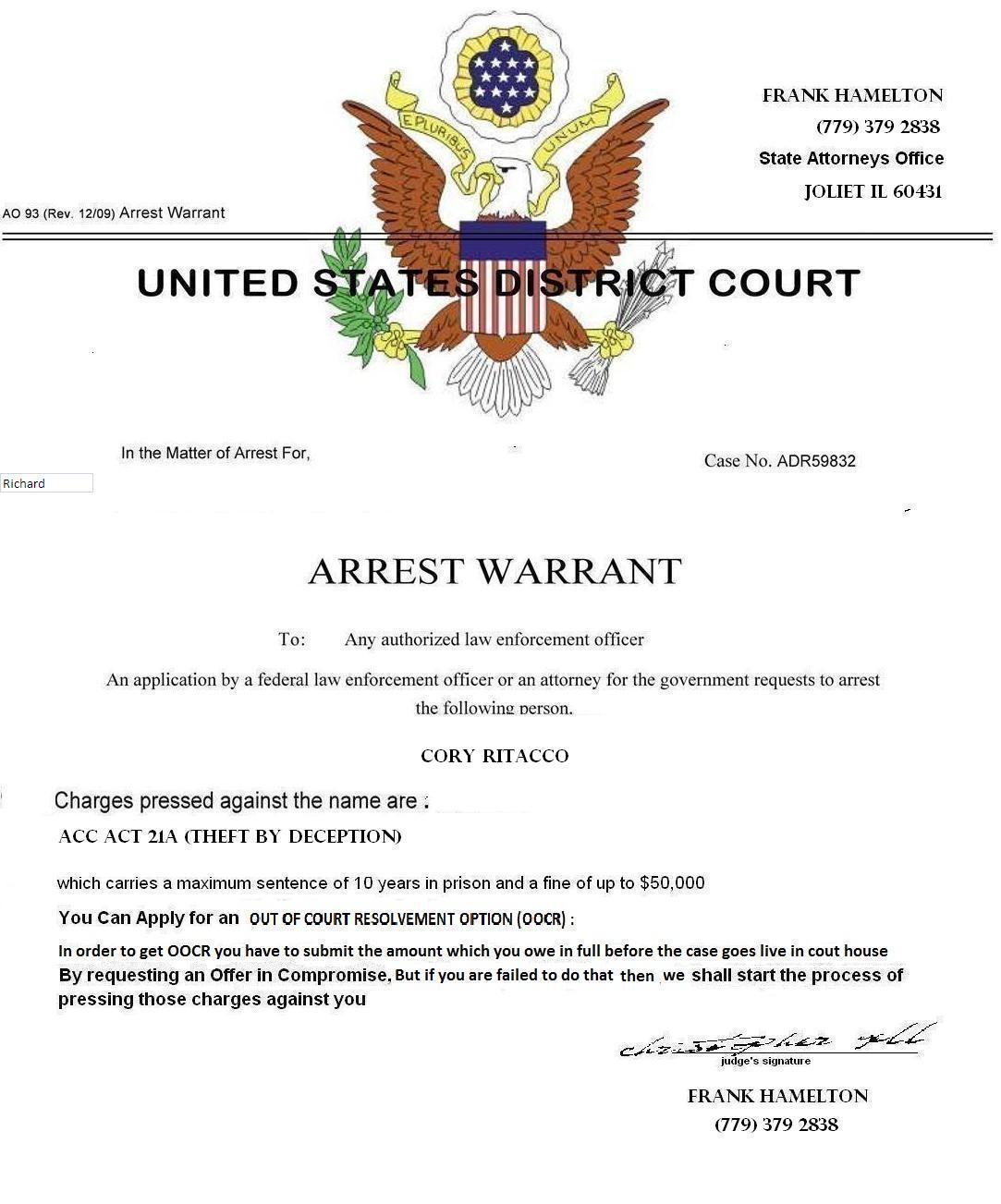
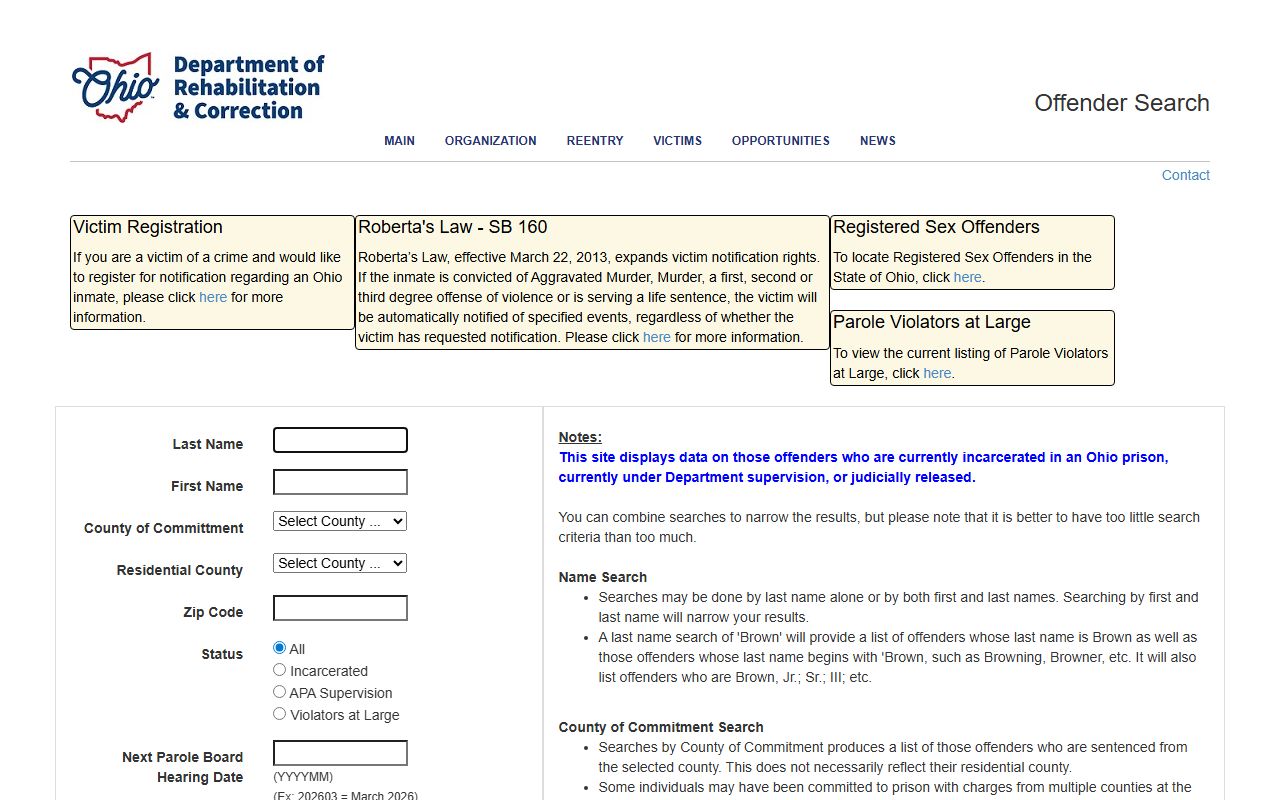
To conduct an arrest warrant search in Ohio, you must access the public records provided by the specific County Sheriff’s Office or the Clerk of Courts where the offense occurred. Most Ohio counties offer online searchable databases, while others require a formal public records request or an in-person inquiry.
In 2026, the intersection of public safety and digital transparency has made it easier than ever for residents of the Buckeye State to access criminal justice information. Whether you are performing due diligence for employment, checking your own status, or looking into a third party, understanding the nuances of the Ohio judicial system is essential for an accurate and legal search. An arrest warrant is a high-stakes legal document, and navigating the search process requires a clear understanding of jurisdictional boundaries and the difference between various legal instruments.
Understanding Warrants in the Ohio Judicial System
Before beginning a search, it is vital to distinguish between the different types of warrants issued under the Ohio Revised Code (ORC). A "warrant" is not a singular concept; it serves different functions depending on the stage of the legal process.
Arrest Warrants vs. Bench Warrants
An arrest warrant is typically issued by a judge or magistrate when law enforcement presents evidence establishing probable cause that a person has committed a crime. This often follows a criminal investigation or a grand jury indictment.
Conversely, a bench warrant (often referred to as a "capias" in Ohio courts) is issued directly from the "bench" by a judge. These are most commonly issued for failure to appear (FTA) for a scheduled court date, failure to pay court-ordered fines, or failure to comply with a subpoena. While both allow law enforcement to take an individual into custody, the origins of the warrant determine which court system holds the primary record.
The Role of the Ohio Revised Code
Under ORC Chapter 2933, the procedures for issuing and executing warrants are strictly defined. Warrants must contain the name of the accused (or a clear description), the offense charged, and the signature of a judicial officer. Because these are public records, they fall under the Ohio Public Records Act, ensuring that citizens have a right to access most warrant information unless it is part of an ongoing, sensitive undercover investigation.
How to Conduct an Arrest Warrant Search in Ohio
In Ohio, there is no single, centralized public website that lists every minor warrant for all 88 counties simultaneously for the general public. Instead, searches are localized. To be thorough, you must identify the county where the individual resides or where the alleged incident took place.
1. County Sheriff’s Office Databases
The County Sheriff is the primary executive officer of the court and is responsible for serving warrants. Most large Ohio counties—such as Franklin, Cuyahoga, Hamilton, and Summit—maintain "Active Warrant" lists on their official websites.
- Franklin County: The Sheriff’s Office provides a searchable database for active warrants.
- Cuyahoga County: Offers a "Warrant Unit" search tool specifically for felony warrants.
- Hamilton County: Provides a central database for both municipal and common pleas court warrants.
When using these portals, you typically need a first and last name. Some systems allow for partial name searches, which can be useful if the exact spelling is in question.
2. Clerk of Courts Records
While the Sheriff executes the warrant, the Clerk of Courts maintains the legal case file. If a warrant has been issued as part of a criminal case, the case docket will reflect this status. Ohio’s clerks are increasingly utilizing advanced e-filing and public access systems in 2026.
- Municipal Courts: Handle traffic violations and misdemeanors. If you are looking for a bench warrant regarding a speeding ticket or a minor scuffle, start with the local Municipal Court Clerk (e.g., Columbus Municipal Court).
- Common Pleas Courts: Handle felony cases. For serious crimes, the County Common Pleas Clerk is the appropriate source.
3. Ohio Bureau of Criminal Investigation (BCI)
For a more comprehensive look, an individual can request a background check through the Ohio BCI. While this is not a "warrant search" in the traditional sense, an active warrant will often appear on a formal criminal history report. This method requires fingerprinting and a fee, making it more common for employment verification than for a quick status check.
Comparing Search Methods in Ohio
The following table outlines the most common ways to search for warrant information in 2026, comparing their scope and accessibility.
| Search Method | Authority | Information Type | Access Level | Cost |
|---|---|---|---|---|
| Sheriff’s Online Portal | County Sheriff | Active Arrest Warrants | Public / Online | Free |
| Court Case Management | Clerk of Courts | Dockets, Bench Warrants | Public / Online | Free |
| In-Person Request | Local Police/Sheriff | All local warrants | Restricted / In-Person | Free / Low Fee |
| BCI Background Check | Ohio Attorney General | Full Criminal History | Fingerprint Required | $22 - $35 |
| Third-Party Sites | Private Aggregators | Multi-jurisdictional data | Online | Subscription |
The Legal Implications of an Active Warrant in Ohio
Discovering an active warrant is a serious matter that demands immediate attention. Under Ohio law, a warrant does not expire. Whether it was issued in 1996 or 2026, it remains active until the individual appears before a judge or the warrant is recalled.
The "Peaceful Surrender" Philosophy
Law enforcement agencies in Ohio generally prefer voluntary surrenders over forced arrests. A forced arrest—at a place of employment or during a traffic stop—can lead to additional complications, such as vehicle impoundment or increased bail amounts. In contrast, "Safe Surrender" programs periodically offered in cities like Cleveland or Cincinnati allow individuals with non-violent warrants to turn themselves in at a neutral location (often a church) with the promise of favorable consideration for their cooperation.
Impact on Employment and Housing
In 2026, background screening technology is highly integrated. An active warrant in Ohio will almost certainly flag a "fail" on most standard background checks for housing or employment. Because a warrant signifies an unresolved legal matter, many employers view it as a liability, even if the underlying charge hasn't resulted in a conviction yet.
What to Do if You Find a Warrant
If your search confirms an active warrant for your arrest, the "hide and hope" strategy is rarely effective and often exacerbates the legal penalties.
Seek Legal Counsel Immediately
The first step should always be to contact a licensed Ohio attorney. An attorney can often contact the court on your behalf to "set aside" or "quash" a bench warrant, especially if the reason was a simple misunderstanding, such as a missed court date due to a medical emergency.
Self-Surrender Coordination
If the warrant cannot be quashed, your attorney can coordinate a self-surrender. This allows you to arrange for bail in advance, potentially shortening the time you spend in custody and demonstrating to the judge that you are not a flight risk.
Avoiding "Private Investigator" Scams
Be wary of third-party websites that claim they can "clear" your warrant for a fee. Only a judge in the issuing Ohio court has the authority to vacate a warrant. Any service promising otherwise is likely fraudulent.
Privacy, Accuracy, and Data Limitations
It is important to acknowledge that online databases are not infallible. There is often a "data lag" between the moment a judge signs a warrant and the moment it appears on a public-facing website. Furthermore, clerical errors can occur, leading to "false positives" where a warrant appears for someone with a similar name.
Verifying the Information
Before taking drastic action based on an online search, verify the information through a secondary source. Cross-reference the Sheriff’s list with the Clerk of Courts' docket. If the docket shows the case is "Closed" or "Disposed," the warrant may have already been served or cleared but not yet removed from the Sheriff’s website.
Rights Under the Fair Credit Reporting Act (FCRA)
If a third-party background check company reports a warrant that is actually cleared or belongs to someone else, you have rights under the FCRA to dispute that information. Professional background check companies are required to ensure "maximum possible accuracy."
Frequently Asked Questions
Can I be arrested if I go to the police station to check for a warrant? Yes. If you have an active arrest warrant and you walk into a police station or a Sheriff's office, the officers are legally obligated to execute that warrant and take you into custody. If you suspect you have a warrant, it is safer to check online or have an attorney check for you.
Are all Ohio warrants public record? Most are, but there are exceptions. Warrants related to ongoing grand jury investigations or those that have been "sealed" by a judge for specific safety or investigative reasons may not appear in public searches until the warrant is served.
What is the difference between a "Capias" and a regular warrant? In many Ohio jurisdictions, "Capias" is simply the Latin term used for a bench warrant issued for failing to appear in court. Legally, they function the same way: they authorize law enforcement to bring you before the court.
Do warrants from other states show up in an Ohio warrant search? Generally, no. A search of the Franklin County Sheriff’s database will only show warrants issued within that jurisdiction. However, if an Ohio officer pulls you over, they will run your ID through the National Crime Information Center (NCIC), which shows warrants from all 50 states.
How much does it cost to clear a warrant in Ohio? There is no "flat fee" to clear a warrant. If the warrant was for non-payment of fines, you might clear it by paying the balance. If it was for failure to appear, you might have to post a bond, which can range from a few hundred to several thousand dollars depending on the severity of the charge.
Final Recommendations for Ohio Residents
Navigating the legal landscape in 2026 requires a proactive approach to personal records. If you believe there is a possibility of an active warrant in your name—perhaps due to an old unpaid ticket or a missed hearing—do not wait for a traffic stop to find out.
- Start Local: Check the Municipal and Common Pleas Clerk of Courts in the county where you lived or worked.
- Use Official Channels: Prioritize .gov or .org sites belonging to Ohio law enforcement and judicial branches.
- Document Everything: If you find that a warrant was issued in error or has already been resolved, obtain a "Certified Copy" of the disposition from the Clerk of Courts to keep in your personal records.
- Consult a Professional: When in doubt, a brief consultation with a criminal defense attorney can provide clarity and protection that a web search cannot.
Notice: This article provides general information and does not constitute legal advice. Laws and court procedures in Ohio are subject to change, and you should consult with a legal professional regarding your specific situation.