To join the United States Army in 2026, the absolute minimum age for enlistment is 17 years old, provided the applicant has explicit parental or legal guardian consent. Individuals who have reached the age of 18 may enlist independently without parental permission. In addition to meeting the age requirement, all applicants must possess a high school diploma or an equivalent credential, such as a GED, and meet specific physical, medical, and moral standards.
The decision to join the military is a significant life milestone that often occurs during the transition from adolescence to adulthood. Understanding the nuances of the army minimum age requirements is crucial for high school students, recent graduates, and parents who are navigating the recruitment process. While the baseline age is well-established, the path to enlistment involves several administrative, legal, and educational layers that determine when a young person can actually begin their service.
The Standard Minimum Age and Legal Consent
The United States Army operates under federal laws that dictate the eligibility of service members. As of 2026, the statutory minimum age for enlistment remains 17. However, reaching this age does not grant an individual the immediate right to sign an enlistment contract on their own.
Enlisting at Age 17
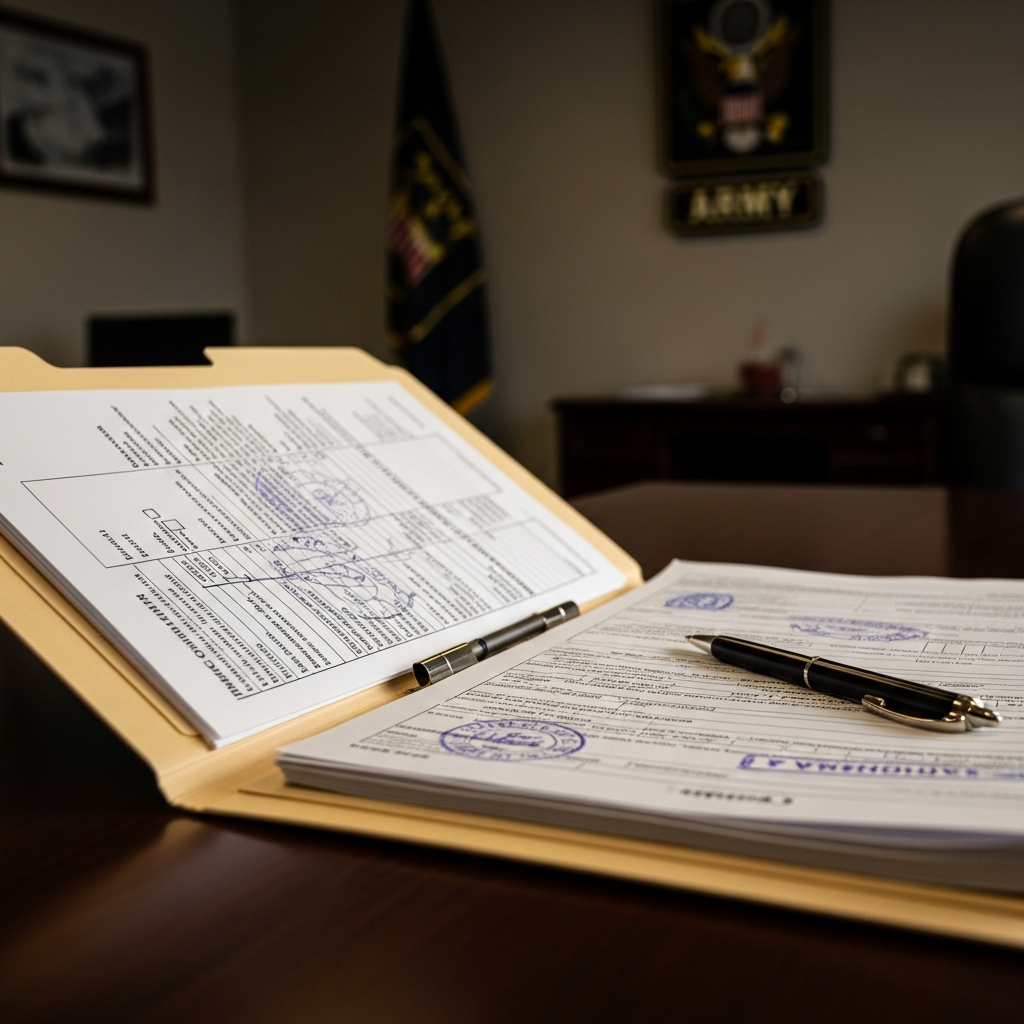
For a 17-year-old to join the Army, they are legally considered a minor in most jurisdictions regarding contractual obligations. Therefore, the Army requires DD Form 1966, which includes a section for parental or guardian consent. Both parents (if they share legal custody) or a legal guardian must sign the documentation in the presence of a recruiter or a notary. This consent covers the applicant's entry into the Delayed Entry Program (DEP) and their eventual shipment to Initial Entry Training (IET).
Enlisting at 17 is often done by high school juniors or seniors who wish to secure a specific Military Occupational Specialty (MOS) or take advantage of the Split Training Option. This program allows individuals (typically in the National Guard or Army Reserve) to attend Basic Combat Training (BCT) during the summer between their junior and senior years of high school, returning home to finish their diploma before attending Advanced Individual Training (AIT).
Enlisting at Age 18 and Beyond
Once an individual turns 18, they are recognized as a legal adult for the purposes of military enlistment. They no longer require parental signatures to join any branch of the Army, including Active Duty, the Army Reserve, or the Army National Guard. At this stage, the applicant is the sole signatory on their enlistment contract. Most recruits ship to basic training shortly after their 18th birthday or upon completion of high school.
Education and the Minimum Age Connection
Age is rarely viewed in isolation by Army recruiters. The Army prioritizes "Tier 1" applicants, which refers to those who have a high school diploma. While the minimum age is 17, the Army's policy generally dictates that a recruit cannot ship to Basic Combat Training until they have either graduated high school or obtained an equivalent credential.
High School Seniors and the Delayed Entry Program
Many 17-year-olds join the Army through the Delayed Entry Program (DEP). This allows a student to enlist while still attending their senior year of high school. Under the DEP, the individual is technically a member of the Individual Ready Reserve (IRR) and spends several months attending regular meetings with their recruiter, learning basic military customs, and improving their physical fitness. They do not officially "ship" to basic training until after their graduation date.
The Role of the GED
For those who are 17 or 18 but did not finish high school, the Army does accept the General Educational Development (GED) certificate. However, the Army often limits the number of GED holders it accepts annually. These applicants are categorized as "Tier 2." In many cases, a 17-year-old with a GED may be encouraged to earn at least 15 college credits to move into the Tier 1 category, which improves their enlistment priority and eligibility for certain bonuses.
Detailed Age Requirements by Army Component
The Army is divided into three primary components, and while the minimum age of 17 is universal across them, the application of this rule can vary based on the specific mission and training pipeline of each branch.
| Component | Minimum Age (with consent) | Minimum Age (independent) | Maximum Age (Standard) |
|---|---|---|---|
| Active Duty Army | 17 | 18 | 35 |
| Army Reserve | 17 | 18 | 35 |
| Army National Guard | 17 | 18 | 35 |
| Warrant Officer Flight Training | 18 | 18 | 33 |
| Officer Candidate School (OCS) | N/A (Requires Degree) | 19 | 32 |
Note: Maximum age limits are subject to change based on recruitment needs and may be extended via waivers for certain professional skills or prior service.
The Maximum Age Limit: The Other End of the Spectrum
While most discussions regarding the army minimum age focus on young recruits, it is equally important to understand the upper age limits. As of 2026, the standard maximum age to enlist in the Army for someone with no prior military service is 35. The recruit must be able to ship to Basic Combat Training before their 36th birthday.
Why Does the Army Have a Maximum Age?
The Army sets an upper age limit to ensure that soldiers are capable of completing a full 20-year career before reaching the mandatory retirement ages set by federal law. Additionally, the physical demands of Basic Combat Training and subsequent deployments are significant. Statistics provided by the U.S. Department of Defense historically indicate that younger bodies tend to recover faster from the high-impact stresses of infantry training and heavy-load bearing exercises.
Age Waivers for Older Recruits
In periods of high recruitment needs, the Army may grant age waivers for individuals up to age 39 or even 42, particularly if they possess highly sought-after skills (such as medical, linguistic, or advanced technical certifications). These waivers are handled on a case-by-case basis and require the applicant to pass a more stringent physical examination to ensure they can handle the rigors of service.
Physical and Medical Considerations at the Minimum Age
Joining the Army at 17 or 18 requires a level of physical maturity that is verified at the Military Entrance Processing Station (MEPS). Younger applicants are often in peak cardiovascular shape but may lack the muscular density of older recruits. Conversely, they are less likely to have chronic joint issues or long-term medical histories that can complicate enlistment.
The ASVAB and Age
All recruits, regardless of age, must take the Armed Services Vocational Aptitude Battery (ASVAB). While age does not directly affect the score, the educational level typically associated with 17- and 18-year-olds (being current students or recent graduates) often helps them perform well on the math and word knowledge sections. A minimum AFQT (Armed Forces Qualification Test) score of 31 is generally required for high school graduates to enlist in the Army.
Medical Fitness
At MEPS, a 17-year-old will undergo the same medical screening as a 35-year-old. This includes vision and hearing tests, blood work, and a physical range-of-motion evaluation. If a minor has a history of childhood asthma (after age 13) or ADHD medication use, they may require medical waivers, which can prolong the enlistment process regardless of their age.
The Psychological Readiness of Young Recruits
The Army takes the transition from civilian to soldier seriously, especially for those at the minimum age. The psychological shift from living at home with parents to the disciplined environment of a barracks is significant.
Recruiters and Drill Sergeants are trained to identify the needs of younger soldiers who may be experiencing their first extended time away from their support systems. The Army provides various resources, including chaplains and financial counselors, to help 17- and 18-year-olds navigate the responsibilities of earning a salary, managing benefits, and adhering to the Uniform Code of Military Justice (UCMJ).
Comparison with Other Military Branches
While the Army's minimum age is 17, it is helpful to see how this aligns with other branches of the U.S. Armed Forces. As of 2026, the 17-year-old threshold with parental consent is the standard across the Department of Defense.
- Marine Corps: Minimum age 17 with consent. The Marines are known for their rigorous physical standards, often attracting the youngest demographic of recruits.
- Navy: Minimum age 17 with consent. Like the Army, the Navy utilizes the Delayed Entry Program extensively for high school seniors.
- Air Force: Minimum age 17 with consent. The Air Force often has higher ASVAB requirements, which may influence the recruitment timeline for younger applicants.
- Coast Guard: Minimum age 17 with consent. The Coast Guard has very selective recruitment cycles, often making the process longer for 17-year-olds.
- Space Force: Minimum age 17 with consent. This branch focuses heavily on technical and STEM-related aptitudes.
Step-by-Step Guidance for 17-Year-Old Applicants
If you are 17 and interested in joining the Army, the following steps outline the typical progression toward enlistment:
- Research and Self-Reflection: Determine why you want to serve and what career fields (MOS) interest you. Visit the Official Army Recruiting Website to explore job options.
- Parental Discussion: Since you are under 18, your parents or guardians must be on board. Invite them to meet with a recruiter so they can ask questions about safety, education benefits, and the enlistment contract.
- Initial Recruiter Meeting: A recruiter will perform a pre-screening, asking about your health, law violations, and drug use. They will also verify your age with a birth certificate.
- Practice ASVAB: Take a practice test to see where your scores land. This helps determine which jobs you are eligible for.
- The MEPS Visit: You will go to a processing station for a full physical and the official ASVAB. If you pass, and your parental consent forms are in order, you will take the Oath of Enlistment.
- The Delayed Entry Program (DEP): You will likely spend the remainder of your senior year in the DEP, preparing for the transition.
- High School Graduation: You must provide proof of graduation (diploma or final transcripts) to your recruiter before you can ship to basic training.
- Shipping to Basic Combat Training (BCT): Once you turn 18 or graduate (and meet the ship date), you head to one of the Army's training centers, such as Fort Jackson or Fort Moore.
Common Mistakes and Challenges for Younger Recruits
Enlisting at the minimum age is not without its hurdles. One common mistake is neglecting physical fitness during the DEP. Some recruits assume that "Basic Training will get me in shape," but arriving in poor physical condition increases the risk of injury and "washing out" during the first few weeks.
Another challenge is the "Moral Waiver." Minor legal infractions that happen in youth—such as certain juvenile citations—must be disclosed. Even if a record is sealed, the military has access to federal databases. Failing to disclose this information can lead to a discharge for fraudulent enlistment, which has long-term negative consequences.
Frequently Asked Questions
Can I join the Army at 17 without my parents' permission if I am emancipated?
In some specific legal cases, an emancipated minor may be able to enlist without parental consent. However, this requires extensive legal documentation and approval from the Army's legal counsel (JAG). Most recruiters will still require some form of adult verification or court orders to proceed.
Does the Army pay 17-year-olds the same as older recruits?
Yes. Military pay is based on rank (grade) and years of service, not age. An 18-year-old Private (E-1) and a 30-year-old Private (E-1) receive the exact same base pay. Pay scales are updated annually by Congress. You can view the current rates on the Defense Finance and Accounting Service (DFAS) website.
What happens if I turn 18 while in the Delayed Entry Program?
If you enlist at 17 with parental consent and turn 18 while waiting to ship, you generally do not need to resign your contract. Your original contract remains valid. However, your legal status shifts, and you are now responsible for all subsequent paperwork as an adult.
Can I choose any job (MOS) at age 17?
Most MOS options are available to 17-year-olds, provided they meet the ASVAB and physical requirements. However, some specific roles—such as those requiring high-level security clearances or certain hazardous duties—might have a minimum age of 18 for the actual performance of the job, though you can often enlist for them at 17.
Is the minimum age different for the Army National Guard?
The minimum age for the Army National Guard is also 17 with parental consent. The National Guard is often a popular choice for 17-year-olds because of the Split Training Option, which allows them to begin their military journey without interrupting their high school education.
Final Recommendation for Prospective Recruits
The most practical next step for anyone nearing the army minimum age is to maintain a high GPA and a clean disciplinary record. The Army of 2026 values "Quality Soldiers"—those who are not only physically capable but also intellectually prepared for the complexities of modern warfare and technical support roles. If you are 16 or 17, focus on completing your high school diploma first. Contact a local recruiter to start the conversation, but ensure that your parents are involved early in the process to avoid administrative delays. Enlisting at 17 is a path toward early maturity and significant educational benefits, but it requires a disciplined approach to the legal and physical prerequisites.