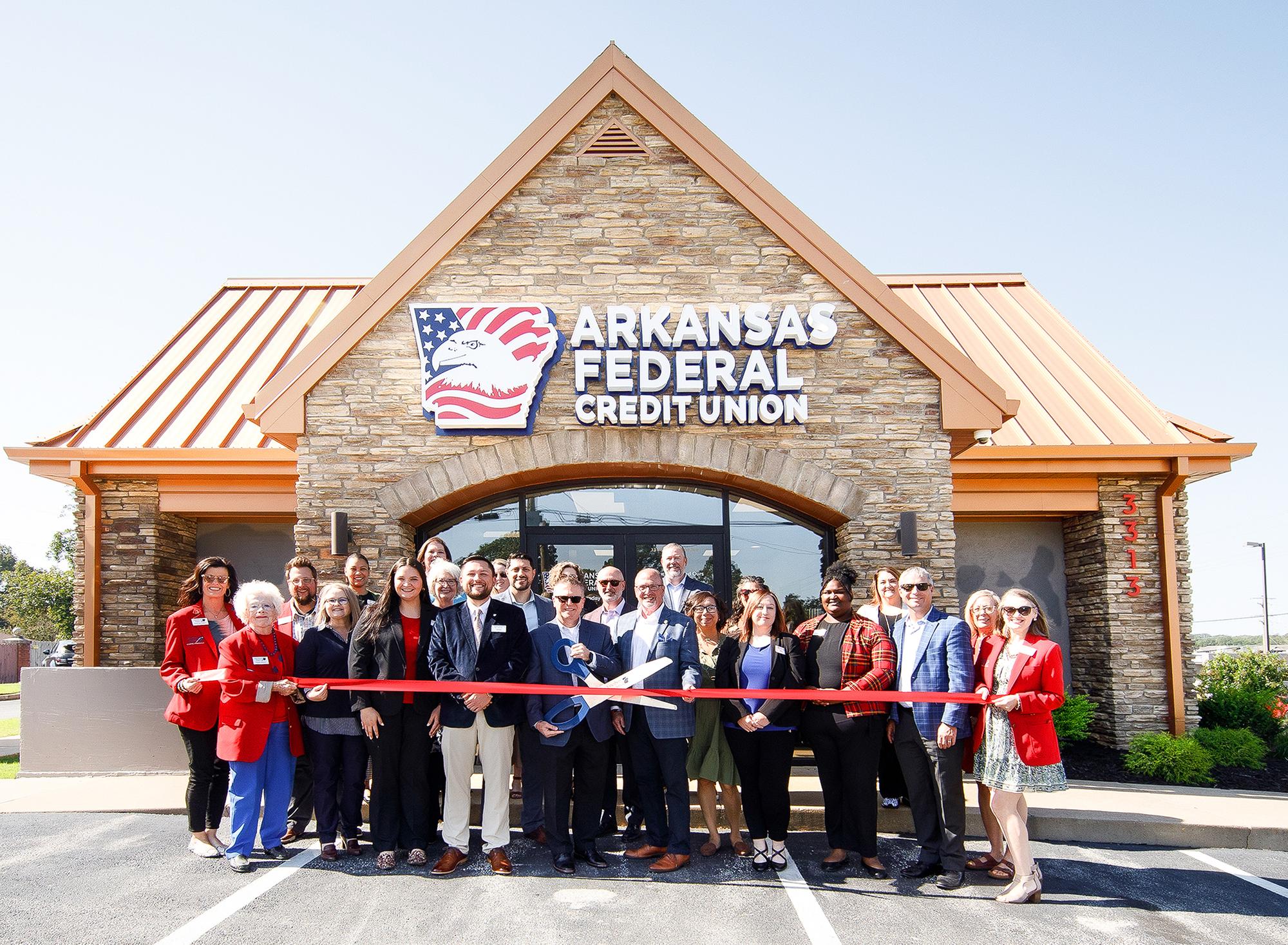
Arkansas Federal Credit Union (AFCU) offers a diverse range of mortgage products, including conventional fixed-rate loans, FHA, VA, USDA, and specialized land or construction loans. To obtain a mortgage, borrowers must establish membership eligibility, meet specific credit and income requirements, and navigate a multi-stage application process involving pre-approval, underwriting, and closing.
As one of the largest financial institutions in the state, Arkansas Federal Credit Union has established a significant presence in the mortgage market by 2026. For many residents, the transition from renting to owning—or the decision to refinance an existing property—begins with evaluating the localized benefits of a credit union over a national commercial bank. Credit unions are member-owned cooperatives, which often translates to more competitive interest rates and lower fees, as profits are returned to members rather than shareholders.
When considering an Arkansas Federal Credit Union mortgage, it is essential to understand that this is not a one-size-fits-all financial product. The institution serves a wide demographic, from first-time buyers in Little Rock to poultry farmers in rural areas and military personnel at the Little Rock Air Force Base. Each group has access to different loan vehicles tailored to their specific economic realities.
Membership Eligibility and the First Steps
Before a borrower can secure a mortgage through Arkansas Federal Credit Union, they must satisfy membership requirements. In 2026, membership remains restricted to specific groups, though the "field of membership" is broad enough that most Arkansans can find a pathway to join.
Eligibility is generally determined by three factors: employment, association, or geography. Employees of hundreds of "Partner Organizations" across the state are automatically eligible. Furthermore, individuals who live, work, worship, or attend school in various designated counties—such as Pulaski, Faulkner, Lonoke, and others—can join. If an individual does not meet these criteria, they can often gain eligibility by joining a supported non-profit association for a nominal fee.
Once membership is established with a small deposit into a savings (share) account, the mortgage process can officially begin. It is often recommended that prospective homeowners establish this relationship several months before house hunting to take advantage of internal financial counseling and credit-building tools offered by the credit union.
Primary Mortgage Loan Categories at Arkansas Federal
Arkansas Federal Credit Union categorizes its mortgage offerings based on the borrower’s financial profile and the intended use of the property. In 2026, the following loan types represent the core of their portfolio.
Conventional Fixed-Rate and Adjustable-Rate Mortgages
The conventional mortgage remains the standard for borrowers with stable income and good-to-excellent credit. Arkansas Federal offers fixed-rate terms typically ranging from 10 to 30 years. The primary advantage of the fixed-rate product is the predictability of the monthly principal and interest payment, which remains constant regardless of market fluctuations.
Adjustable-Rate Mortgages (ARMs) are also available and may be attractive in 2026 for borrowers who plan to sell or refinance within a few years. These loans offer a lower "teaser" rate for an initial period (e.g., 5, 7, or 10 years), after which the rate adjusts based on a specific financial index. AFCU typically applies caps to these adjustments to protect the borrower from extreme payment shocks.
FHA Loans for Flexible Qualification
For borrowers who may have a lower credit score or limited funds for a down payment, Federal Housing Administration (FHA) loans are a vital tool. Arkansas Federal participates in this government-backed program, allowing for down payments as low as 3.5%.
The credit union applies specific HUD guidelines to these loans, which are often more forgiving regarding debt-to-income (DTI) ratios than conventional loans. However, it is important to note that FHA loans require Mortgage Insurance Premiums (MIP) both at closing and as a monthly fee for the life of the loan (in most cases), which increases the overall cost of borrowing.
VA and USDA: No-Down-Payment Options
Arkansas has a significant military presence, and Arkansas Federal Credit Union is a major provider of VA loans. These are available to active-duty service members, veterans, and eligible surviving spouses. The primary benefit is the 100% financing option, meaning no down payment is required, and there is no private mortgage insurance (PMI) requirement.
Similarly, for those looking to purchase property in designated rural areas of Arkansas, the USDA Rural Development loan provides a 100% financing path. Given Arkansas's geography, many areas just outside major hubs like Northwest Arkansas or Conway qualify for these loans, which are intended to promote homeownership in less densely populated regions.
Jumbo Loans for High-Value Properties
In 2026, as property values in areas like Bentonville and West Little Rock continue to evolve, many homes exceed the "conforming loan limits" set by Fannie Mae and Freddie Mac. For these purchases, Arkansas Federal offers Jumbo loans. These require more stringent credit requirements, often a higher down payment (typically 10-20%), and significant cash reserves to ensure the borrower can handle the larger debt load.
Specialized Lending: Land and Construction Loans
A distinguishing feature of Arkansas Federal Credit Union compared to online-only lenders is their willingness to finance "unimproved" land and new construction.
Land and Lot Loans
Many Arkansans prefer to purchase a plot of land years before they intend to build. AFCU offers specific land loans with various term lengths. These loans usually require a higher down payment—often 20% to 30%—because land is considered a higher-risk collateral than a finished home. The credit union evaluates the land based on its accessibility, availability of utilities, and zoning.
Construction-to-Permanent Financing
For members ready to build, the construction-to-permanent loan is a "one-time close" solution. During the building phase, the borrower typically pays interest-only on the funds as they are drawn to pay contractors. Once the home receives a certificate of occupancy, the loan automatically converts into a traditional permanent mortgage. This saves the borrower from paying two sets of closing costs.
The Mortgage Application and Approval Process
The path to securing an Arkansas Federal Credit Union mortgage in 2026 is structured into several distinct phases. Understanding these steps can prevent delays and reduce the stress associated with home buying.
- Pre-Qualification vs. Pre-Approval: Pre-qualification is a preliminary estimate of what you can afford based on unverified data. Pre-approval, which AFCU encourages, is a more rigorous process where a loan officer reviews your tax returns, pay stubs, and credit report. A pre-approval letter from a local institution like AFCU carries significant weight with Arkansas real estate agents.
- The Formal Application: Once a property is under contract, the member submits a full application. This triggers a "Loan Estimate," a standardized document detailing the estimated interest rate, monthly payment, and total closing costs.
- Processing and Underwriting: This is the most technical phase. An underwriter reviews the entire file to ensure it meets both the credit union's internal standards and the requirements of the specific loan program (like FHA or Fannie Mae). They will verify employment, check the source of the down payment funds, and ensure no new debts have been taken out.
- Appraisal and Inspection: Arkansas Federal will order an appraisal to ensure the home's value justifies the loan amount. While the credit union does not always require a home inspection, it is highly recommended for the buyer's protection, especially in older Arkansas neighborhoods.
- Closing: The final step involves signing a mountain of paperwork, usually at a title company. This is when the down payment and closing costs are paid, and the deed is recorded.
Understanding Closing Costs and Fees
Borrowers should prepare for closing costs, which typically range from 2% to 5% of the home's purchase price. At Arkansas Federal, these costs are transparently disclosed.
| Fee Type | Estimated Range (2026) | Description |
|---|---|---|
| Origination Fee | 0.5% - 1% of loan amount | Covers the administrative costs of processing the loan. |
| Appraisal Fee | $500 - $800 | Paid to an independent professional to value the property. |
| Credit Report Fee | $30 - $75 | Cost to pull your multi-bureau credit history. |
| Title Insurance | Varies by price | Protects the lender and owner against future claims to the property. |
| Escrow Deposit | 2-6 months of taxes/ins. | Funds held to pay future property taxes and homeowners insurance. |
| Recording Fees | $50 - $150 | Paid to the county to update public land records. |
Why Choose a Credit Union for an Arkansas Mortgage?
The decision to use Arkansas Federal Credit Union over a national bank often comes down to the "servicing" of the loan. Many national lenders sell the servicing rights to their loans shortly after closing. This means you might pay your mortgage to a company you didn't choose, located in a different time zone.
AFCU often retains the servicing rights for its loans. If a member has a question about their escrow account or experiences financial hardship, they can walk into a branch in North Little Rock, Rogers, or Hot Springs and speak to a person who understands the local economy. Furthermore, credit unions are more likely to offer "portfolio loans"—specialized products they keep on their own books—allowing for more flexibility in underwriting for unique properties or non-traditional borrowers.
Common Pitfalls to Avoid
Even with a supportive lender like Arkansas Federal, borrowers can jeopardize their mortgage approval by making common mistakes during the "quiet period" (the time between application and closing).
- Opening New Credit: Do not apply for a new credit card or auto loan. This changes your debt-to-income ratio and can lead to a denial just days before closing.
- Large Undocumented Deposits: If you receive a cash gift for your down payment, it must be properly documented with a "gift letter." Large, unexplained deposits into your bank account can trigger red flags for underwriters.
- Changing Jobs: Consistency is key. Changing from a W-2 job to 1099 (contractor) status mid-process can restart the 2-year history requirement for self-employed income verification.
Frequently Asked Questions
What is the minimum credit score required for an Arkansas Federal mortgage?
In 2026, the minimum credit score generally depends on the loan type. Conventional loans typically require a score of 620 or higher for the best terms. FHA loans may allow for scores as low as 580, provided other aspects of the financial profile are strong. Higher scores (740+) usually unlock the most competitive interest rates.
How long does the mortgage process take at AFCU?
The average time from application to closing is 30 to 45 days. This timeline can be influenced by the speed of the appraisal, the complexity of the borrower's finances, and how quickly the borrower provides requested documentation. Using the credit union’s digital document upload portal can significantly speed up the process.
Can I get a mortgage if I am self-employed?
Yes. Arkansas Federal Credit Union works with self-employed borrowers. You will generally need to provide two years of personal and business tax returns to establish a stable income history. The credit union looks for a consistent or increasing trend in "net" income after business expenses.
Does Arkansas Federal offer assistance for first-time homebuyers?
Yes. AFCU often participates in state-level programs, such as those offered by the Arkansas Development Finance Authority (ADFA), which provide down payment and closing cost assistance to eligible buyers. They also offer internal low-down-payment programs designed specifically for those entering the market for the first time.
Are there any "no-closing-cost" mortgage options?
While every mortgage has costs, some programs allow these costs to be rolled into the loan balance or offset by a slightly higher interest rate (lender credits). It is important to calculate the long-term cost of a higher interest rate versus paying the closing costs upfront.
Practical Recommendation
For those planning to purchase a home in 2026, the first step should be to secure a verified pre-approval from Arkansas Federal Credit Union. This process requires submitting documentation early, but it provides a clear budget and strengthens any offer made in a competitive real estate market. Before applying, obtain a free copy of your credit report to ensure there are no errors that could negatively impact your interest rate. If your credit score is below 680, consider working with a credit union counselor to identify quick improvements, such as lowering credit card balances, which can result in thousands of dollars in savings over the life of a 30-year mortgage.