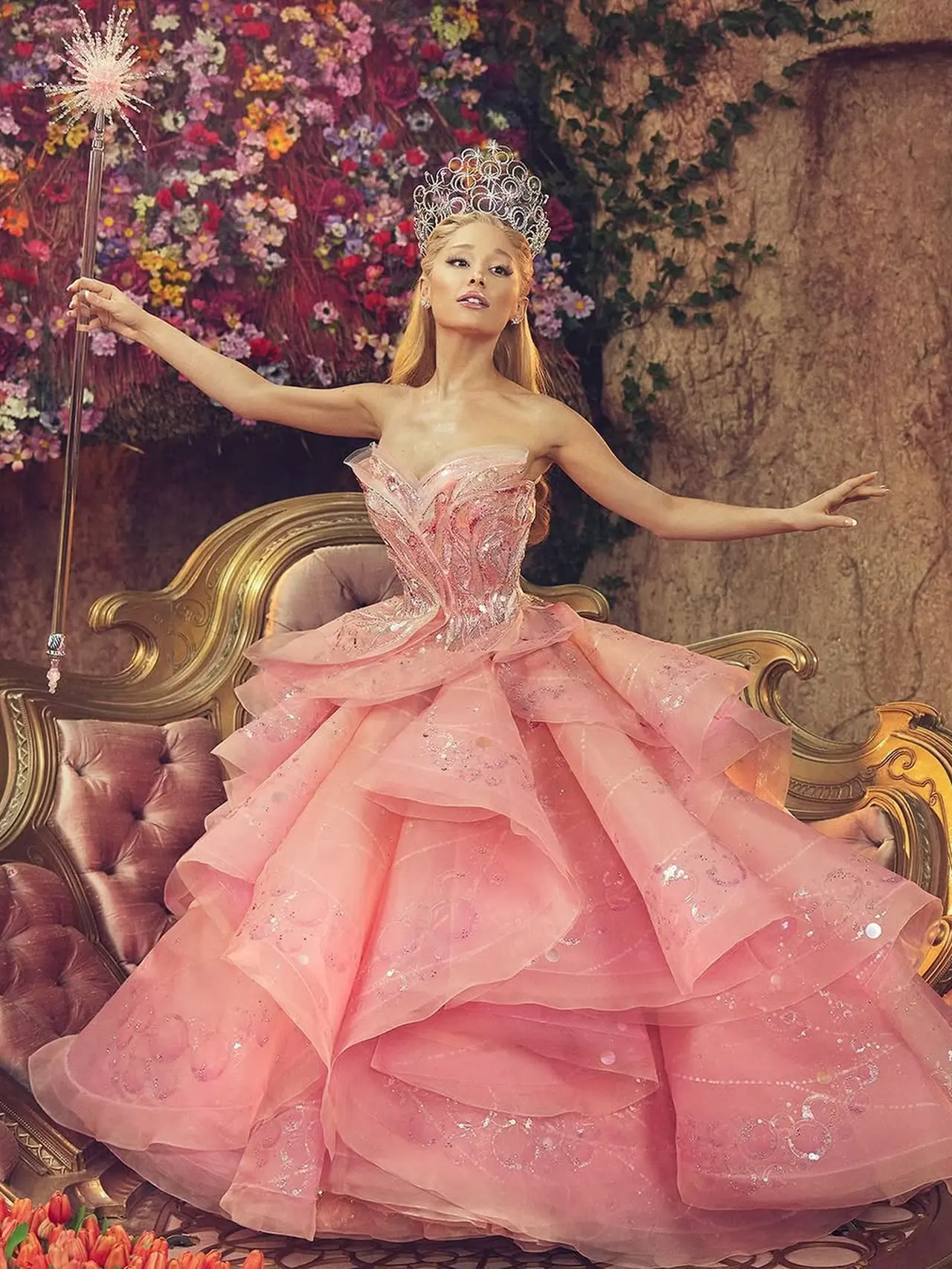
Arianna Grande’s choice of dresses during the promotional tour and production of the film adaptation of Wicked represents a sophisticated example of "method dressing," where a performer aligns their red-carpet and public appearance wardrobe directly with the character they portray. Playing Glinda the Good Witch, Grande systematically adopted soft pinks, tulle, custom haute couture, and archival silhouettes that mirrored her character's aesthetic arc, transforming standard cinematic publicity into a cohesive, immersive visual narrative.
The Phenomenon of Method Dressing in Modern Cinema
Method dressing has evolved from a rare red-carpet novelty into an essential component of major Hollywood promotional strategies. When an actor steps out for global premieres, press junkets, and late-night television appearances wearing garments that deliberately evoke their on-screen persona, they extend the fictional world of the film into the physical reality of the media cycle. This marketing technique relies on immediate visual association, capturing public attention and generating viral moments across social media platforms like TikTok and Instagram.
For Wicked, a multi-part cinematic adaptation of the iconic Broadway musical based on Gregory Maguire’s novel, the sartorial stakes were particularly high. The production pits two distinct visual worlds against each other: the stark, gothic black of Elphaba Thropp (played by Cynthia Erivo) and the effervescent, bubblegum-and-gold aesthetic of Glinda Upland. Grande’s commitment to channeling Glinda through her wardrobe required a careful balance of high-fashion curation, theatricality, and personal brand evolution.
The Evolution of Grande’s Public Aesthetic
Before stepping into the world of Oz, Arianna Grande’s signature style was characterized by a distinct pop-diva uniform: high ponytails, oversized hoodies, thigh-high boots, and minimalist 1990s and 2000s silhouettes. Transitioning into Glinda required a dramatic shift toward classic femininity, ethereal textures, and vintage Hollywood glamour. This change was not instantaneous; rather, it mirrored the multi-year production timeline of the films, allowing fans to witness a gradual transformation that blurred the line between the pop star and her character.
Stylists worked closely with major luxury fashion houses to source pieces that paid homage to the historical context of musical theater while satisfying the demands of contemporary haute couture. Every appearance—from CinemaCon presentations to the Met Gala and global premiere stops—became a calculated exercise in character branding.
Key Designers and Iconic Looks
To understand the cultural impact of Grande's Wicked wardrobe, it is necessary to examine the specific garments and design houses that defined her press tour. The sartorial narrative relied heavily on custom creations and archival pieces that echoed Glinda's journey from a privileged, superficial student at Shiz University to a complex figure in the land of Oz.
Custom Haute Couture and Archival Selections
The cornerstone of Grande's promotional style was custom couture designed to evoke notions of bubbles, magic, and pristine goodness. Designers leaned heavily into voluminous skirts, corseted bodices, and intricate floral appliques.
- Vivienne Westwood Custom Gowns: Combining British punk heritage with romantic corsetry, custom Westwood pieces provided a structural foundation for Grande's red-carpet appearances, introducing a subtle edge to an otherwise sweet persona.
- Ralph Lauren and Schiaparelli: Utilizing drapery and surrealist touches, these houses helped craft silhouettes that felt both otherworldly and grounded in classic tailoring.
- Archival Vintage Pieces: Sourcing vintage garments from historical collections allowed Grande to nod to mid-century ballgown architecture, reinforcing the timelessness of the Wicked narrative.
| Appearance Event | Primary Designer / House | Aesthetic Focus | Contextual Significance |
|---|---|---|---|
| CinemaCon Presentation | Oscar de la Renta | Pastel Pink, Floral Appliques | Marked the official public debut of the Glinda aesthetic, establishing a soft, approachable visual tone. |
| Global Premiere Tour | Vivienne Westwood / Custom | Voluminous Tulle, Corsetry | Emphasized the theatrical grandeur of the character, utilizing dramatic skirts reminiscent of floating bubbles. |
| Theatrical Fan Screenings | Vintage Archives | 1950s Ballgown Silhouettes | Connected the classic cinematic history of Oz with modern luxury fashion trends. |
The Intersection of Musical Theater and Cinematic Fashion
Translating a stage character into a cinematic universe requires distinct choices in fabric weight, structural integrity, and color grading. On stage, theatrical costumes must be legible to an audience seated rows away, often utilizing exaggerated textures and high-contrast dyes. In contrast, film captures micro-details—the weave of a fabric, the subtle shift of a pastel hue under studio lighting, and the movement of silk chiffon in real-world environments.
Grande’s wardrobe successfully bridged these two mediums. While her stage counterparts wore costumes designed for rapid backstage changes and rigorous choreography, Grande's press tour wardrobe translated those same theatrical cues into high-end ready-to-wear and bespoke couture. The use of monochromatic pink ensembles served a dual purpose: it unified her promotional appearances into a recognizable aesthetic and paid direct homage to the iconic costume design established by Susan Hilferty in the original Broadway production.
Furthermore, this sartorial alignment served as a masterclass in modern synergy. By maintaining character continuity off-screen, Grande and her co-star Cynthia Erivo created a dynamic visual tension during joint appearances—often referred to by fans as the "Glinda and Elphaba" color dichotomy. This visual binary fueled online engagement, turning fashion commentary into a primary driver of pre-release film awareness.
Common Misconceptions Regarding Method Dressing
As method dressing has grown in popularity, media outlets and social media commentators often misinterpret the mechanics behind these promotional wardrobes. Clarifying these elements provides a more accurate view of how celebrity styling operates within major studio contracts.
- Spontaneous Wardrobe Choices: Many assume actors independently select these themed outfits day-by-day. In reality, these looks are the result of months-long collaborative strategies involving directors, film studios, personal stylists, and major fashion houses.
- Exclusively Pink Palettes: While pink is synonymous with Glinda, Grande’s wardrobe intentionally incorporated soft yellows, whites, and iridescent silvers to reflect the character's nuanced development and iconic bubble dress imagery.
- Costume vs. Fashion: A common critique is that actors are simply wearing costumes in daily life. However, the clothing worn by Grande consists of genuine runway couture and historical archival fashion, modified to evoke a theme rather than function as a theatrical costume piece.
Frequently Asked Questions
What is method dressing, and how did Arianna Grande use it for Wicked?
Method dressing is a publicity strategy where an actor wears clothing inspired by their character during press tours and public appearances. Grande utilized this by wearing continuous variations of pink, tulle, and vintage couture that mirrored Glinda's aesthetic throughout the multi-year rollout of the film adaptation.
Which designers created Arianna Grande’s Wicked press tour wardrobe?
Grande collaborated with a range of luxury fashion houses, most notably Vivienne Westwood, Oscar de la Renta, Ralph Lauren, and Schiaparelli, alongside various archival vintage dealers to curate her red-carpet looks.
Did Arianna Grande wear pink exclusively during the Wicked promotion?
No. While bubblegum and pastel pinks dominated her primary looks, her wardrobe also featured soft yellows, iridescent whites, and floral patterns to represent different aspects of Glinda's character arc and iconic stage imagery.
How does cinematic method dressing impact film marketing?
Method dressing extends the fictional universe of a movie into the real-world media cycle. It generates organic social media engagement, provides viral fashion moments, and creates a visual narrative that builds anticipation for the film's release.
Was Grande’s wardrobe directly inspired by the original Broadway musical?
While the wardrobe drew inspiration from the overarching cultural iconography of Glinda—such as bubbles, wands, and pristine femininity—the specific silhouettes were adapted from modern haute couture runways rather than replicating the exact stage costumes designed by Susan Hilferty.
Conclusion and Strategic Takeaway
Arianna Grande’s adoption of the Glinda aesthetic during the promotional campaign for Wicked demonstrates the immense power of integrated fashion and cinematic marketing. By committing fully to method dressing, Grande did not merely promote a film; she inhabited its universe across every media platform. For industry professionals, brand strategists, and fashion enthusiasts alike, this campaign serves as a defining modern example of how thoughtful wardrobe curation can transform a traditional press tour into an unforgettable cultural moment.