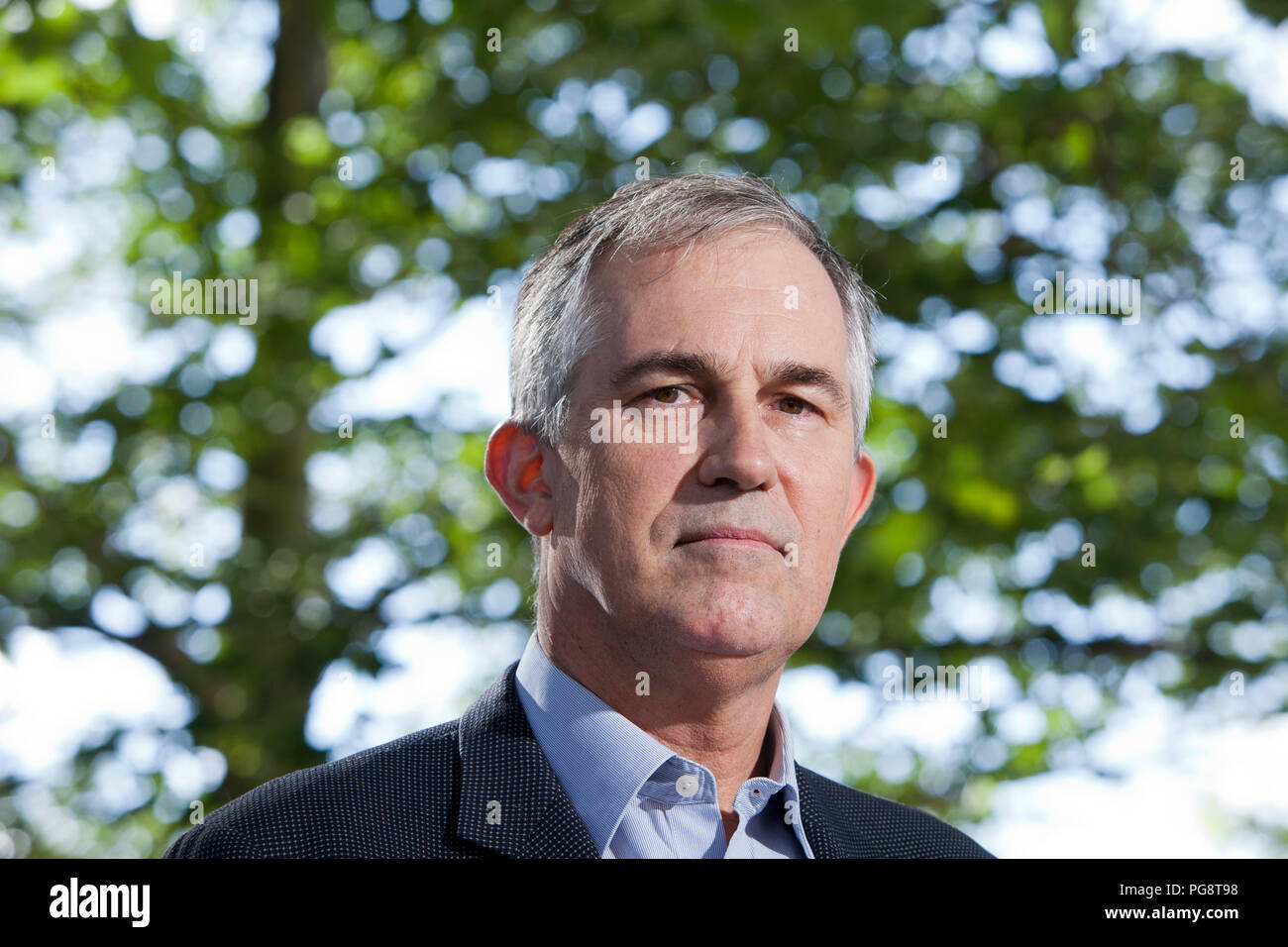
Anthony Carlson is a seasoned financial analyst and strategic market commentator known for providing deep-dive macroeconomic insights and actionable investment strategies. In 2026, his work focuses on navigating post-inflationary market cycles, the integration of artificial intelligence in portfolio management, and the shifting dynamics of global capital allocation for both institutional and private investors.
The role of a financial analyst in the mid-2020s has evolved from simple data interpretation to a sophisticated blend of quantitative analysis and narrative-driven market commentary. Anthony Carlson has carved out a niche by bridging the gap between complex fiscal policy and the practical needs of the modern investor. Whether through published reports, media appearances, or direct portfolio oversight, Carlson’s commentary serves as a roadmap for understanding the volatility and opportunities inherent in the 2026 economic landscape.
Professional Background and Career Trajectory
Anthony Carlson’s career is defined by a rigorous adherence to fundamental analysis combined with a keen eye for emerging market trends. Historically associated with high-level wealth management and independent advisory roles, his trajectory reflects a commitment to fiduciary responsibility and transparency.
In the early stages of his career, Carlson focused on equity research, honing the ability to dissect balance sheets and identify undervalued assets long before they gained mainstream traction. This foundational period was critical in developing the "bottom-up" analytical style that characterizes much of his early work. However, as global markets became increasingly interconnected, Carlson expanded his scope to include "top-down" macroeconomic forecasting.
By 2026, Carlson has established himself as a prominent voice in the financial sector, often sought after for his ability to translate the Federal Reserve's nuances and global geopolitical shifts into clear, strategic advice. His background typically involves certifications such as the Chartered Financial Analyst (CFA) designation, which remains the gold standard for technical competence and ethical integrity in the investment profession. You can verify the standards for such credentials through the CFA Institute.
Core Investment Philosophy and Analytical Framework
The hallmark of Anthony Carlson’s commentary is a disciplined investment philosophy that prioritizes long-term value over short-term speculation. While many commentators focus on the "noise" of daily price fluctuations, Carlson emphasizes the "signal"—the underlying economic drivers that dictate multi-year cycles.
The Balanced Approach to Risk
Carlson’s framework often revolves around the concept of "asymmetric risk-reward." He argues that successful investing is not about avoiding risk entirely but about ensuring that the potential upside significantly outweighs the downside. This involves:
- Diversification beyond traditional bounds: In 2026, this includes a mix of domestic equities, international emerging markets, and "alternative" assets like tokenized real estate or carbon credits.
- Margin of Safety: Maintaining a buffer between an asset's market price and its intrinsic value, a principle popularized by Benjamin Graham and refined by modern analysts like Carlson.
Quantitative vs. Qualitative Analysis
Carlson utilizes a dual-engine approach to market commentary. On the quantitative side, he employs sophisticated modeling to track interest rate sensitivities and corporate earnings growth. On the qualitative side, he evaluates management quality, brand equity, and the regulatory environment. This holistic view is what makes his market commentary particularly valuable in an era where algorithmic trading often overlooks human-centric business elements.
Key Themes in 2026 Market Commentary
As we navigate the fiscal year 2026, Anthony Carlson has identified several pivotal themes that are reshaping the financial world. His commentary frequently addresses these areas to help investors adjust their expectations and allocations.
The "Productivity Miracle" of AI Integration
By 2026, the initial hype surrounding Artificial Intelligence has transitioned into a period of tangible implementation. Carlson’s analysis often focuses on which sectors are successfully converting AI tools into improved margins. He notes that the "winners" are no longer just the chipmakers, but the traditional service and manufacturing firms that have optimized their supply chains and administrative overhead through automation.
Deglobalization and Regional Hubs
A recurring topic in Carlson’s market reports is the shift from a single global supply chain to regionalized "near-shoring" models. He provides detailed commentary on how this affects inflation and domestic labor markets. For investors, this means identifying companies that are resilient to geopolitical tensions between major economic blocs.
The Evolution of Fixed Income
With interest rates having stabilized after the volatility of the early 2020s, Carlson has been a vocal proponent of the "Return of Income" in fixed-income portfolios. He often discusses the merits of ladders and credit quality, advising investors on how to lock in yields that were unavailable for most of the previous decade. Information on current bond market regulations and protections can be found through the Securities and Exchange Commission (SEC).
Interpreting Market Commentary for Individual Investors
One of the primary challenges for retail investors is knowing how to use the information provided by analysts like Anthony Carlson. Commentary is not just "news"; it is a strategic interpretation of facts. To benefit from Carlson's insights, investors should follow a structured process.
- Identify the Time Horizon: Carlson’s insights are typically geared toward medium-to-long-term outcomes. Investors should avoid using his macroeconomic forecasts for day-trading purposes.
- Understand the Context: When Carlson discusses a "bearish" outlook on a specific sector, he is often referring to its relative performance compared to the broader market, not necessarily predicting a total collapse.
- Cross-Reference with Personal Goals: Market commentary is general. It must be filtered through an individual’s risk tolerance and liquidity needs.
The following table compares the two primary styles of analysis Carlson utilizes in his commentary to help investors understand the source of his recommendations:
| Feature | Technical Market Commentary | Fundamental Strategic Analysis |
|---|---|---|
| Primary Focus | Price action, volume, and momentum. | Earnings, debt ratios, and economic moats. |
| Data Sources | Historical charts and trading patterns. | Quarterly reports, SEC filings, and macro data. |
| Time Horizon | Short-to-medium term (Days/Weeks). | Long-term (Years/Decades). |
| Objective | Identifying optimal entry and exit points. | Determining the intrinsic value of an asset. |
| Carlson’s Usage | Used for tactical rebalancing. | Used for core portfolio construction. |
The Role of Media and Public Engagement
Anthony Carlson’s reach as a market commentator extends through various media channels. In 2026, the delivery of financial information has become more interactive. Carlson frequently engages with his audience through:
- Strategic White Papers: In-depth documents that explore specific economic phenomena, such as the impact of demographic shifts on consumer spending.
- Video Commentary: Short, impactful segments that break down weekly market moves, often seen on major financial news networks.
- Interactive Webinars: Allowing for real-time Q&A where Carlson addresses specific concerns regarding market volatility or legislative changes affecting taxes and investments.
This transparency is vital. In a market saturated with "influencers," a professional analyst like Carlson relies on verifiable data and a track record of accuracy. For those looking to verify the professional standing of any financial commentator, the Financial Industry Regulatory Authority (FINRA) provides the BrokerCheck tool, which is an essential resource for consumer protection.
Navigating Economic Uncertainty: The Carlson Methodology
Economic uncertainty is a permanent fixture of the financial markets. Anthony Carlson’s approach to commentary during periods of high volatility is grounded in "Stress Testing." He encourages investors to ask, "What happens to my portfolio if inflation stays at 4% for another year?" or "How does a 10% drop in the S&P 500 affect my retirement timeline?"
By focusing on these "what-if" scenarios, Carlson’s commentary moves from passive observation to active preparation. He emphasizes that the most dangerous phrase in investing is "this time it’s different." By drawing parallels to historical market cycles—while acknowledging unique modern factors like digital currency—he provides a sense of perspective that is often missing in high-frequency financial media.
Technical Depth: Understanding the "Neutral Rate" Commentary
A specific area where Carlson provides significant technical depth is the discussion of the "Neutral Rate of Interest" (R-star). This is the real interest rate that neither stimulates nor contracts the economy.
In his 2026 commentary, Carlson argues that the neutral rate has shifted higher due to increased government spending and the capital requirements of the green energy transition. For the average investor, this means that the "cheap money" era of 2010-2020 is unlikely to return. Carlson uses this technical concept to explain why equity valuations (P/E ratios) might remain lower than their historical peaks, requiring investors to be more selective in their stock picking.
Common Pitfalls in Following Market Analysis
Even with high-quality commentary from analysts like Anthony Carlson, investors can fall into certain traps. Carlson frequently warns against:
- Confirmation Bias: Only seeking out commentary that supports your existing view of the market.
- Recency Bias: Over-weighting the most recent market events while ignoring long-term historical averages.
- Over-Leveraging: Taking on too much debt to chase a "sure thing" mentioned in a market report.
By highlighting these psychological hurdles, Carlson adds a layer of behavioral finance to his technical analysis, making him a more comprehensive guide for the average person.
Frequently Asked Questions
Who is Anthony Carlson in the context of financial markets?
Anthony Carlson is a professional financial analyst and market commentator. He specializes in macroeconomic strategy, equity research, and portfolio management. His work is designed to help investors understand the broader economic forces at play and how they impact specific investment categories.
Where can I find Anthony Carlson’s market reports?
His reports are typically available through major financial news outlets, subscription-based investment newsletters, and professional wealth management platforms. Many of his insights are also summarized in video format on financial news networks like CNBC or Bloomberg, depending on his current media partnerships.
Does Anthony Carlson provide specific stock picks?
While he may discuss specific companies as examples of broader trends (such as a "leader in AI integration"), his primary role as a market commentator is to provide strategic overviews. Investors should use his commentary as a starting point for their own research or consult with a personal financial advisor before making specific trades.
Is his commentary suitable for beginning investors?
Yes, but with a caveat. Carlson often uses technical financial terminology (e.g., "yield curve inversion" or "quantitative tightening"). However, a core part of his skill set is the ability to explain these terms in a way that is accessible. Beginners can benefit from his focus on long-term discipline and risk management.
How does Anthony Carlson’s analysis differ from an "influencer"?
As a professional analyst, Carlson is typically bound by regulatory standards and professional ethics (such as those from the CFA Institute or SEC). Unlike unregulated social media influencers, his commentary is based on rigorous data analysis, historical context, and a documented methodology.
Practical Recommendation for Investors
To get the most value from the insights of a commentator like Anthony Carlson, you should integrate his macro views into a structured Investment Policy Statement (IPS). An IPS is a personal document that outlines your goals, risk tolerance, and asset allocation targets. When Carlson provides a new market outlook, compare his findings against your IPS. If his commentary suggests a fundamental shift in the economy (such as a permanent rise in interest rates), it may be time to sit down with a qualified professional to rebalance your portfolio.
Always remember that market commentary is a tool for informed decision-making, not a substitute for a comprehensive financial plan. Use the data provided by experts like Carlson to build a resilient, forward-looking investment strategy that can withstand the inevitable cycles of the global economy.