In America, mutual auto insurance refers to a specific corporate structure where the insurance company is owned entirely by its policyholders rather than by outside private investors or public shareholders. Prominent examples in 2026 include Amica Mutual, American Family Insurance, and State Farm. Unlike stock insurance companies, mutuals prioritize returning "surplus" capital to members through dividends or lower premiums, focusing on long-term stability rather than quarterly earnings reports.
The landscape of American auto insurance in 2026 is defined by a significant presence of these mutual organizations. While many consumers use the term "America Mutual" to refer generally to this sector or specifically to Amica Mutual Insurance, the concept governs some of the largest insurers in the United States. Understanding how these entities operate is essential for drivers looking for a balance between high-quality customer service and long-term financial value.
What Defines a Mutual Auto Insurance Company?
A mutual insurance company is a private entity owned by the people it insures. When you purchase a policy from a mutual insurer, you essentially become a part-owner of the company. This ownership stake is different from holding tradable stock; you cannot sell your "share," but you do have a voice in the company’s governance, typically through the right to vote for the board of directors.
The Profit Participation Model
In a standard stock insurance company (like Progressive or Allstate), profits are distributed to shareholders. In a mutual company, any profit—often called "surplus"—that isn't needed for claims reserves or operating expenses can be returned to the policyholders. This is usually executed in two ways:
- Policyholder Dividends: A portion of the premium is returned to the policyholder at the end of the policy term.
- Premium Reductions: The surplus is used to keep future rate increases lower than the industry average.
Historical Context and Evolution
The mutual model is one of the oldest in the United States, dating back to the 18th century. In 2026, the model remains robust because it aligns the interests of the insurer with the insured. Because there are no external shareholders demanding high quarterly returns, mutuals can afford to be more conservative with their investments and more focused on "claims satisfaction," which often leads to higher rankings in J.D. Power surveys.
Top Mutual Auto Insurance Providers in America
Several major carriers dominate the mutual landscape. While their underlying structure is similar, their regional availability and specific product offerings vary significantly.
Amica Mutual Insurance
Often what consumers mean when searching for "America Mutual," Amica is the oldest mutual insurer of automobiles in the U.S. Based in Rhode Island, it operates nationally and is frequently cited for its "Dividend Policies." Amica allows policyholders to choose between a traditional policy and a dividend-paying policy. In 2026, those with dividend policies may see a return of 5% to 20% of their annual premium, though this is not guaranteed and depends on the company's financial performance.
American Family Mutual Insurance
Primarily serving the Midwest, Northwest, and Southwest, American Family (AmFam) has evolved into a massive mutual holding company. They are known for a "bundle-first" approach, offering significant discounts for those who combine auto insurance with homeowners or life insurance. In 2026, AmFam has integrated advanced telematics into its core offerings, allowing "owners" (policyholders) to lower their rates based on real-time driving data.
State Farm
While it is so large that many forget its structure, State Farm is a mutual insurance company. It does not pay out dividends as frequently or as visibly as Amica, but it uses its mutual status to maintain a massive network of local agents. For drivers in 2026 who prefer a face-to-face relationship with an agent rather than a digital-only interface, State Farm represents the "scale" advantage of the mutual model.
Liberty Mutual
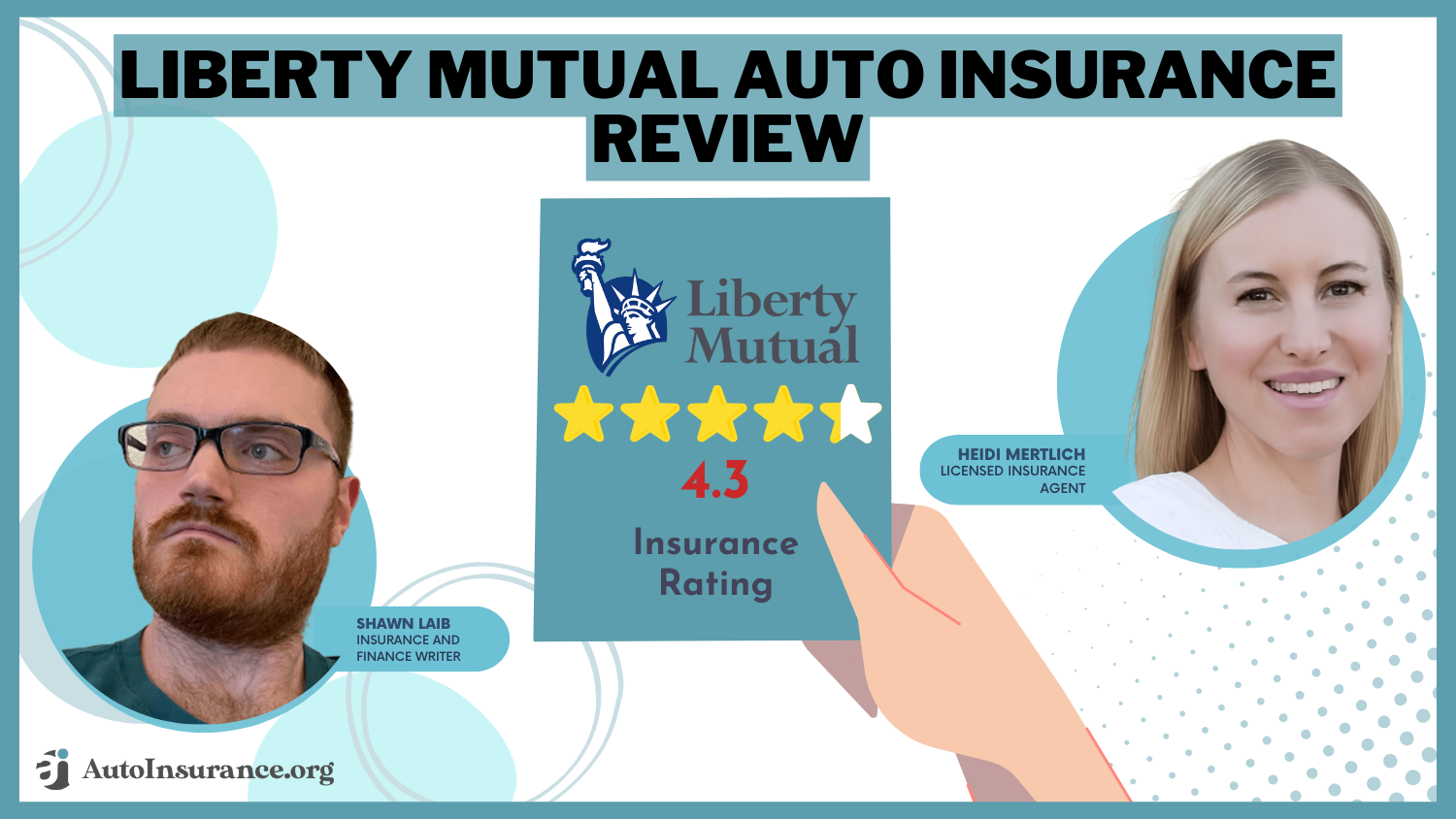
Liberty Mutual operates as a mutual holding company. This structure allows it to own stock-based subsidiaries while maintaining a mutual core. This hybrid approach has allowed them to expand globally while still offering the perceived stability of a member-owned organization to their American auto insurance customers.
Key Benefits of Choosing a Mutual Insurer in 2026
The decision to choose a mutual insurer over a stock insurer often comes down to the "Value vs. Price" calculation. In the current 2026 economic environment, where vehicle repair costs have escalated due to advanced sensor technology and EV battery complexities, the mutual model offers several distinct advantages.
Long-Term Rate Stability
Mutual companies are not pressured by Wall Street to show immediate growth. This often allows them to absorb a year of high catastrophe losses without immediately spiking premiums across the board. For the consumer, this translates to fewer "rate shocks" during renewal periods.
Superior Customer Service Ratings
Data from the National Association of Insurance Commissioners (NAIC) consistently shows that mutual insurers often have lower complaint ratios than their stock counterparts. This is largely attributed to the "membership" philosophy. When the customer is also the owner, the incentive to provide a smooth, fair claims process is higher.
Specialized Coverage Options
Mutuals like Amica often provide "Platinum" levels of coverage that include niche benefits like:
- Full Glass Coverage: Repairing or replacing windshields without a deductible.
- Identity Theft Tracking: Often included as a low-cost or free add-on for policyholders.
- New Car Replacement: If a car is totaled within the first year or a certain mileage, the insurer pays for a brand-new model of the same type.
Technical Specifications and Coverage Limits
When evaluating a policy from a mutual provider in 2026, it is important to look beyond the "Mutual" label and examine the specific technical limits. Insurance is a legal contract, and the mutual structure does not change the statutory requirements of the state.
| Feature | Standard Mutual Policy Offering (2026) | Purpose/Function |
|---|---|---|
| Liability (BI/PD) | 100/300/100 (Recommended) | Covers bodily injury and property damage to others. |
| Collision Coverage | Actual Cash Value (ACV) | Repairs your vehicle after an accident, minus deductible. |
| Comprehensive | "Other than Collision" | Covers theft, fire, vandalism, and weather damage. |
| Uninsured Motorist | Matches Liability Limits | Protects you if hit by a driver with no insurance. |
| Telematics Integration | Optional (App or Plug-in) | Adjusts premiums based on braking, speed, and mileage. |
| Dividend Eligibility | Varies by Policy Type | Determines if you receive a year-end profit share. |
Understanding Telematics in the Mutual Context
By 2026, almost all mutual insurers have adopted "Usage-Based Insurance" (UBI). For mutual companies, this technology is marketed as a way for the "community" of policyholders to lower the overall risk pool. If you drive safely, you aren't just saving yourself money; you are helping the mutual company maintain its surplus, which benefits all members.
Comparing Mutual vs. Stock Insurance Companies
| Attribute | Mutual Insurance Companies | Stock Insurance Companies |
|---|---|---|
| Ownership | Policyholders | Shareholders (Investors) |
| Primary Goal | Service and stability for members | Profit and dividends for investors |
| Capital Source | Retained earnings and premiums | Private investment and public markets |
| Governance | Board elected by policyholders | Board elected by shareholders |
| Dividend Recipient | The insured (you) | External investors |
How to Choose the Right Mutual Provider
Selecting a provider involves more than just finding the lowest quote. Because mutuals vary in their financial health and regional focus, consider the following steps in 2026:
- Check the AM Best Rating: This rating measures financial strength. Look for an "A" (Excellent) or "A++" (Superior) rating. This ensures the mutual company has the surplus to pay claims even in a major disaster.
- Evaluate the "Dividend History": If you are joining for the dividends, ask the agent for the company's 10-year dividend history. Note that past performance does not guarantee future dividends, but it shows the company’s commitment to the model.
- Analyze the Claims Process: Look for insurers that offer "Direct Repair Programs" (DRP) with local shops. This often streamlines the process for members.
- Consider Bundle Opportunities: Mutuals often offer the best value when you "membership-pool" all your risks (Auto, Home, Umbrella) with them.
Common Mistakes to Avoid
Assuming "Mutual" Always Means "Cheaper"
While mutuals return profits to members, their initial "sticker price" or premium can sometimes be higher than a discount stock insurer like GEICO. You must calculate the net cost (Premium minus potential Dividend) to see the true value.
Overlooking Regional Mutuals
While Amica and State Farm are national, many states have high-performing regional mutuals (e.g., Erie Insurance in the Mid-Atlantic). These often have even higher customer satisfaction scores because they understand the specific regional risks (like local weather patterns) better than national giants.
Ignoring Policy Specifics for 2026 Tech
Ensure your policy includes "OEM Parts" coverage if you drive a modern vehicle. Many standard policies allow for "Aftermarket" parts. In 2026, with the complexity of ADAS (Advanced Driver Assistance Systems), using original manufacturer parts is more critical than ever for safety and recalibration.
Frequently Asked Questions
Is Amica the same as "America Mutual"?
While "America Mutual" is a common search term, it usually refers to Amica Mutual Insurance. Amica is a specific company (the oldest mutual auto insurer in the US), whereas "mutual insurance" is a general business category.
Do I have to pay extra to be a "member" of a mutual?
No. Your membership is granted automatically when you purchase a qualifying insurance policy. There are no separate membership dues; your premium is your only direct cost.
Can a mutual insurance company go bankrupt?
Like any business, a mutual insurer can face financial distress. However, they are highly regulated by state insurance departments and are required to maintain significant "surplus" funds. If a mutual company fails, state guaranty funds typically step in to cover claims up to certain limits.
Are dividends from mutual insurance companies taxable?
In the United States, the IRS generally views dividends from mutual insurance companies as a "return of premium" rather than income. Therefore, they are typically not taxable. However, it is always advisable to consult with a tax professional for your specific situation.
Does every policyholder get a vote?
In most mutual structures, each policyholder has the right to vote for the board of directors. This usually happens at an annual meeting, and many companies allow for proxy voting via mail or digital portals in 2026.
Recommended Action
If you value customer service and long-term financial stability over the lowest possible entry price, you should request a quote from at least two mutual insurers: one national (like Amica) and one regional (like Erie or Auto-Owners). Compare their 2026 telematics programs and dividend histories to determine which "membership" provides the best protection for your specific driving profile.