Ally Financial does not offer a dedicated debt consolidation loan product. Instead, the institution provides personal banking services, high-yield savings accounts, and investment tools that consumers often use as part of a self-managed debt consolidation strategy. While some lenders market specific "debt consolidation loans," Ally’s approach relies on its suite of banking products to help customers reorganize their financial structure, manage cash flow, and reduce interest expenses through independent financial planning.
The Reality of Debt Consolidation at Ally
When searching for debt consolidation options, many consumers look for a single loan product designed to pay off multiple high-interest debts. It is important to clarify that Ally Financial currently focuses on consumer banking, auto finance, and investment services. The company does not provide a specific "Debt Consolidation Loan" product where the lender pays off your existing creditors directly.
However, "consolidation" is a financial strategy rather than just a specific loan product. Many customers use Ally’s digital banking ecosystem to facilitate their own debt management. By utilizing Ally’s high-yield savings accounts or leveraging their broader financial management platform, individuals often create a "DIY" consolidation environment. To understand how to achieve this, you must distinguish between a bank-provided consolidation loan and the strategic use of banking services to pay down debt.
Strategies for Using Ally Services to Manage Debt
Since Ally does not offer a consolidation loan to pay off other creditors, consumers often utilize the bank’s various financial tools to better manage their existing liabilities. This process requires a disciplined approach to budgeting and interest rate management.
High-Yield Savings as a Debt Management Buffer
One of the most effective ways to manage debt is to avoid accruing new, high-interest debt when unexpected expenses arise. Ally is widely known for its online savings accounts. By keeping an emergency fund in an Ally High-Yield Savings Account, you create a buffer that prevents you from needing to use credit cards when faced with a car repair, medical bill, or home maintenance cost. By preventing new debt, you stop the cycle of balance growth, allowing you to focus your income entirely on paying down existing balances.
Managing Cash Flow with Spending Buckets
Ally’s "Spending Buckets" and "Savings Buckets" tools allow users to organize their money visually. By assigning specific portions of your income to "Debt Repayment" within your Ally account, you can automate your progress. Treating your debt payoff as a fixed monthly "bill" rather than a flexible expense is a proven method for accelerating the timeline of becoming debt-free.
The Role of Auto Finance
For many, the debt they wish to consolidate includes vehicle-related expenses. Ally is a significant player in the automotive finance industry. If you currently have an auto loan with Ally, managing that specific debt is a key part of your overall financial picture. Understanding your Ally auto loan balance, interest rate, and payoff terms is essential when deciding how to allocate your extra monthly funds toward other, higher-interest credit card debts.
Debt Consolidation vs. Debt Refinancing: A Technical Distinction
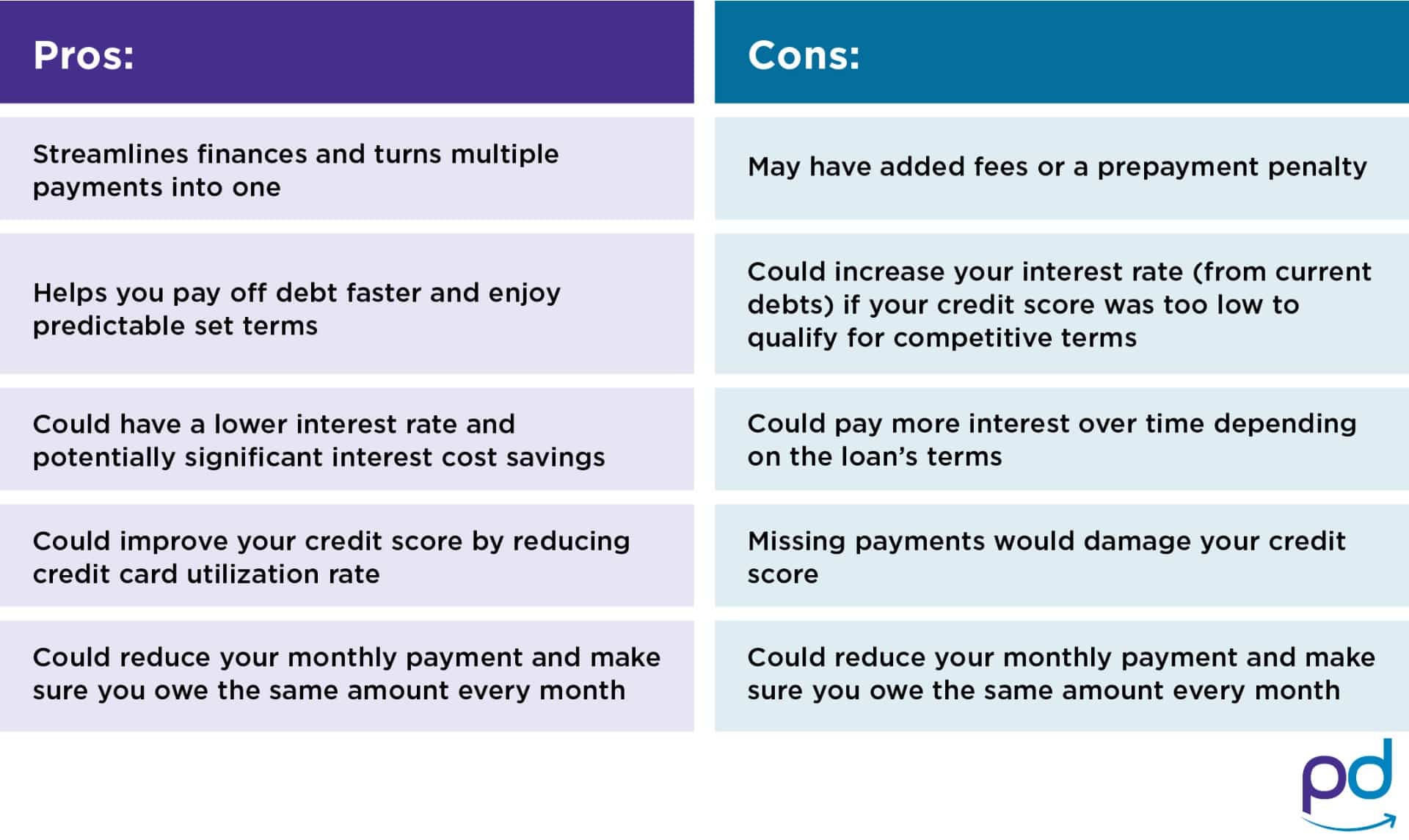
In the financial sector, these terms are often used interchangeably, but they carry different implications. A Debt Consolidation Loan typically combines multiple debts into one new loan, usually with a fixed monthly payment and a set payoff date. Refinancing usually refers to replacing an existing loan with a new one under different terms, often to secure a lower interest rate.
Because Ally does not offer a broad-market personal consolidation loan, users looking for this service must turn to other financial institutions that specifically list "Debt Consolidation" as a product offering. When comparing these products, it is vital to perform a rigorous analysis of the Annual Percentage Rate (APR).
Comparison of Debt Management Approaches
| Feature | Ally Financial Strategy (DIY) | Dedicated Consolidation Loan |
|---|---|---|
| Debt Payoff Mechanism | Manual payments to creditors | Lender pays creditors directly |
| Primary Tool | High-Yield Savings / Budgeting | Personal installment loan |
| Interest Savings | Via emergency fund/avoiding new debt | Via lower average interest rate |
| Credit Impact | Low to neutral | Moderate (hard inquiry on application) |
| Flexibility | High (you control the pace) | Fixed (structured repayment term) |
Prerequisites for Effective Debt Management
Before attempting to consolidate or refinance your debt through any institution, you must satisfy several foundational financial requirements. Regardless of whether you use a DIY approach with Ally or seek a formal consolidation loan elsewhere, the following steps are universal:
1. The Debt Inventory
List every debt you currently hold, including:
- Total remaining balance.
- The current interest rate (APR).
- Minimum monthly payment.
- The lender’s name and contact information.
2. Credit Score Assessment
In 2026, most lenders and financial platforms rely heavily on your FICO or VantageScore. Before applying for any new credit to consolidate debt, check your credit report. A higher score typically unlocks lower interest rates, which is the mathematical goal of any consolidation strategy. If your score is low, your focus should be on "snowballing" or "avalanche" repayment methods using your existing income rather than seeking new lines of credit.
3. Calculating the Break-Even Point
If you decide to seek a loan from another provider to consolidate your debts, calculate the "break-even" point. If the origination fees of the new loan outweigh the interest you would save over the term of the loan, the consolidation is not mathematically sound. Always compare the total cost of borrowing, not just the monthly payment amount.
Common Mistakes When Seeking Consolidation
Consumers often fall into traps when attempting to manage their debt. Understanding these pitfalls can prevent long-term financial damage.
- Replacing Debt with New Debt: The most significant error is consolidating credit card debt into a loan but failing to change spending habits. This leads to the new loan balance existing alongside new credit card balances, effectively doubling your debt burden.
- Focusing Only on Monthly Payments: Extending a loan term to lower the monthly payment often results in paying significantly more in total interest over time. Always aim to shorten the duration of the debt whenever possible.
- Ignoring Origination Fees: Many consolidation lenders charge "origination fees" ranging from 1% to 8% of the loan amount. Ensure these costs are factored into your total financial plan.
- The "Zero Interest" Trap: Some credit card balance transfer offers appear to be the perfect consolidation tool. However, if the balance is not paid in full before the promotional period ends, the interest rates often reset to a high "default" rate, which may exceed your original debt's interest.
Frequently Asked Questions (FAQ)
Does Ally offer personal loans for debt consolidation?
No, Ally Financial does not currently offer personal loans intended for debt consolidation. Their personal banking focus is centered on deposit products, investment tools, and automotive financing.
Can I use my Ally High-Yield Savings account to pay off debts?
Yes. Many individuals use their Ally savings accounts to accumulate a lump sum to pay off specific debts. This strategy helps avoid the interest costs associated with taking out a new loan to pay off existing creditors.
Is it better to consolidate or use the debt avalanche method?
Consolidation works best if you can secure an interest rate significantly lower than the weighted average of your current debts. The "avalanche method"—paying off the debt with the highest interest rate first while maintaining minimums on others—is a cost-effective strategy that requires no new credit applications.
How do I check my current Ally account status?
You can manage all your Ally financial services through the official Ally website or mobile application. Log in to your secure dashboard to view your balances, check your interest rates on existing auto loans, or monitor your savings growth.
Should I look for an external consolidation loan?
If you have high-interest revolving debt (like credit cards) that you cannot manage through budget optimization, an external personal loan might be an option. Ensure the new loan has a fixed rate, no prepayment penalties, and an APR lower than your current credit card rates.
Next Actions and Expert Recommendations
If you are currently managing debt and considering your options, start by conducting a comprehensive audit of your financial life. Because Ally does not offer a consolidation loan, you should treat your Ally accounts as the "operational hub" of your debt repayment plan.
- Automate your savings: Set up recurring transfers to an Ally High-Yield Savings Account. This builds a cash buffer that prevents the need for high-interest borrowing during emergencies.
- Optimize your budget: Use your transaction history in your banking portal to identify non-essential spending. Redirect those funds toward your highest-interest debt immediately.
- Evaluate external consolidation only if necessary: If your credit score is strong and you can secure an interest rate lower than your current debts, research reputable personal loan lenders that specialize in debt consolidation. Ensure the total cost of the loan, including fees, is strictly lower than your current interest trajectory.
- Monitor your progress: Use a dedicated spreadsheet or a tracking tool to watch your total debt balance decrease each month. Seeing the numbers drop is often the greatest motivator for maintaining the discipline required to become debt-free.