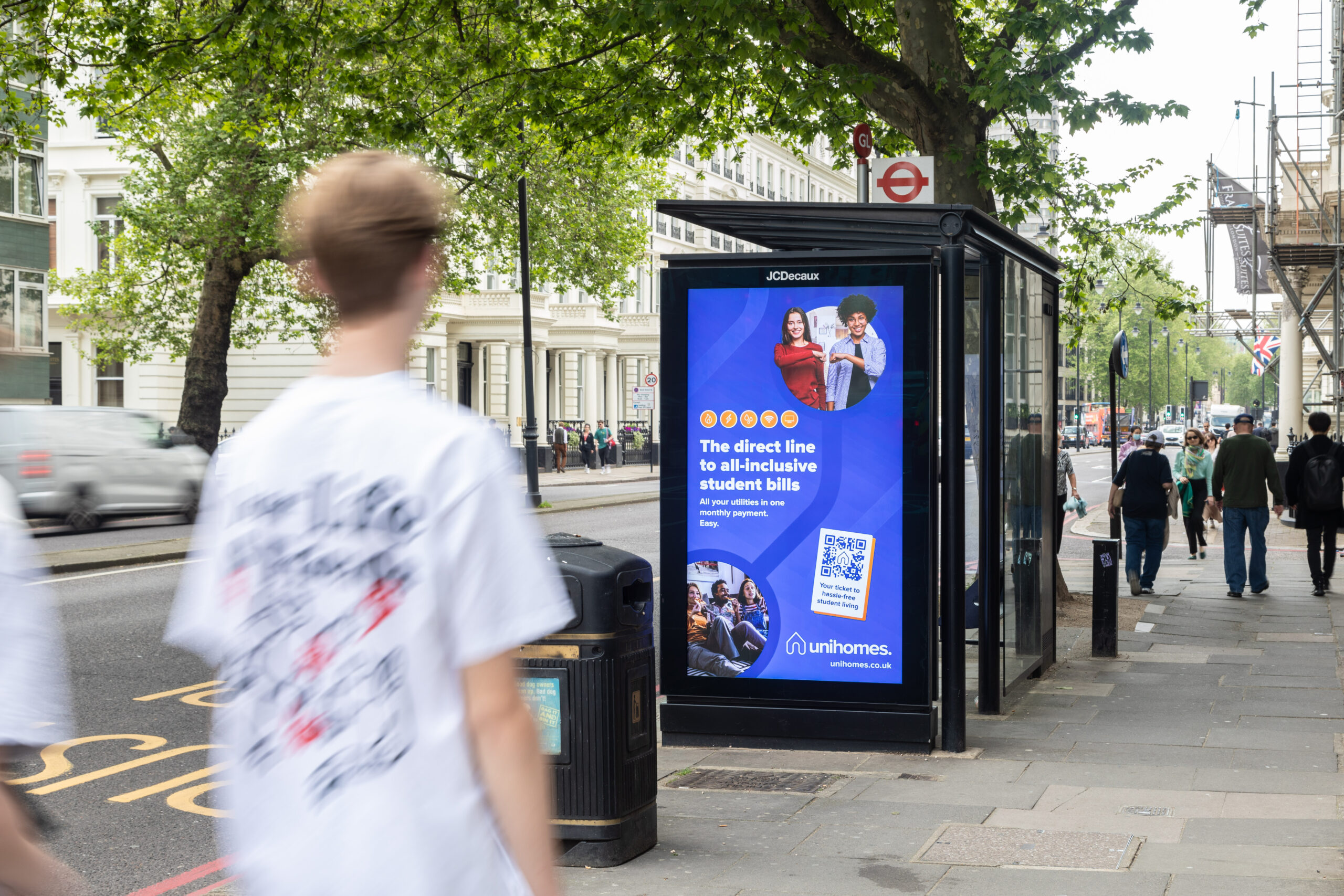
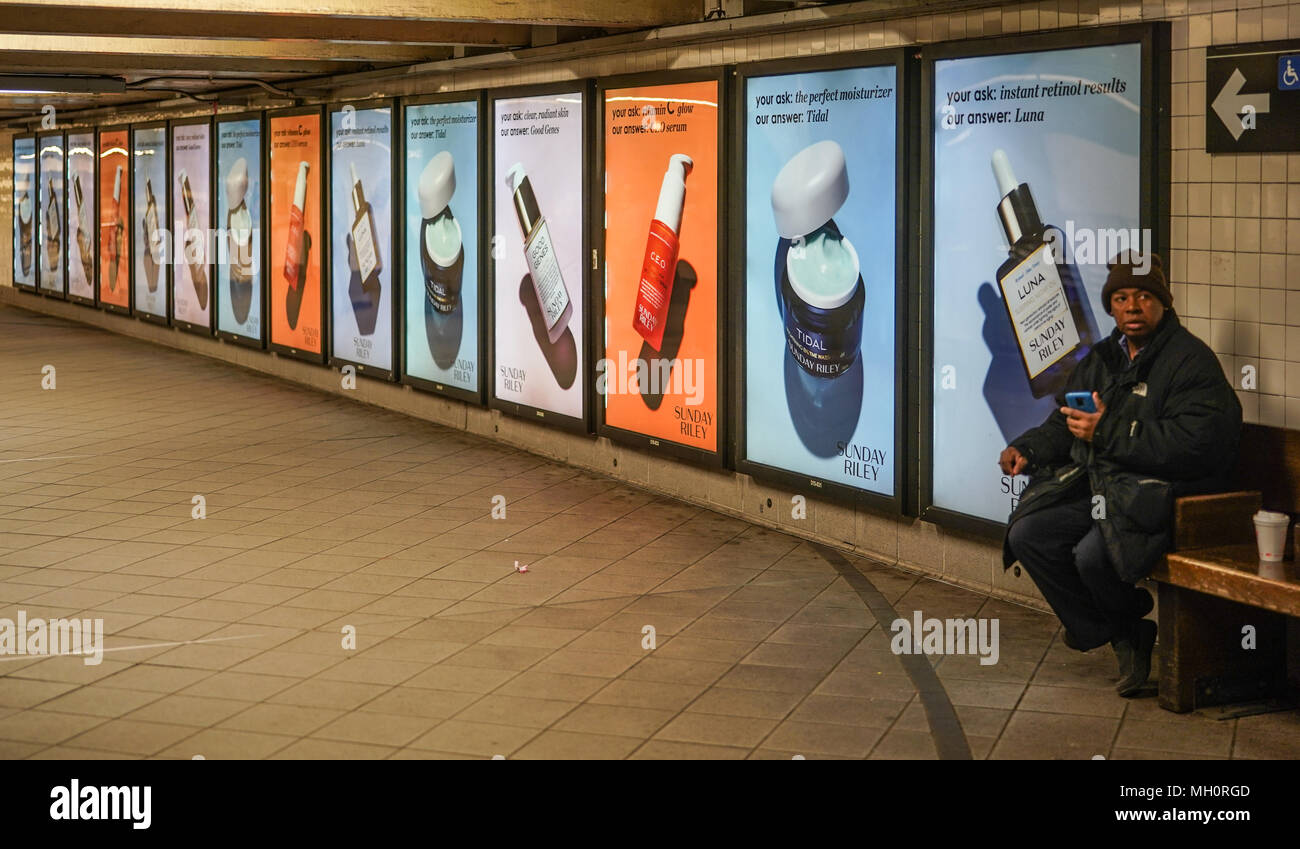
Allied advertising in the modern market is a collaborative strategic framework where two or more non-competing brands pool their marketing resources, audience data, and creative capital to achieve mutual growth. By 2026, this practice has evolved from simple cross-promotions into sophisticated, data-driven ecosystems that bypass traditional advertising fatigue and high customer acquisition costs.
The Conceptual Framework of Allied Advertising
The fundamental principle of allied advertising—often referred to as "collaborative marketing" or "ecosystem advertising"—is the creation of a value-added experience for a shared customer base. In the 2026 landscape, the modern market is no longer defined by siloed competition but by interconnected value chains. An alliance allows brands to leverage the trust and authority of a partner to enter new segments with reduced friction.
Unlike traditional affiliate marketing, which is often a one-way transactional relationship, allied advertising involves a deeper level of integration. It requires a shared vision of the customer journey. For example, a luxury electric vehicle manufacturer might ally with a high-end sustainable hotel chain. The alliance is not just about placing ads on each other's websites; it involves integrated booking experiences, shared loyalty rewards, and co-developed content that speaks to a specific lifestyle demographic.
This synergy works because it solves the "trust deficit" prevalent in digital channels. When a consumer sees a recommendation or a joint offering from two brands they already respect, the cognitive load required to verify the new product is significantly reduced. This "halo effect" is the primary engine behind the success of allied models in a market saturated with unverified digital noise.
Drivers of Collaborative Marketing in 2026
Several market forces have converged to make allied advertising a necessity rather than an experimental luxury. Understanding these drivers is essential for any brand attempting to navigate the current advertising environment.
The Depletion of Third-Party Signals
The final transition away from third-party cookies and the tightening of privacy regulations (such as updated iterations of GDPR and CCPA) have made first-party data the only reliable currency. Allied advertising allows brands to participate in "Data Clean Rooms"—secure environments where two companies can match their first-party data sets without sharing personally identifiable information (PII). This enables precise targeting and measurement that would be impossible to achieve in isolation.
Rising Customer Acquisition Costs (CAC)
As traditional auction-based platforms (social media and search) become more expensive and less efficient, brands have hit a "CAC ceiling." Allied advertising provides a way to acquire customers through "side-door" entry points. By tapping into a partner’s existing email list, app ecosystem, or physical locations, a brand can reach high-intent prospects at a fraction of the cost of a standard programmatic bid.
The Demand for Holistic Solutions
Modern consumers increasingly seek "solutions," not just "products." They do not want to buy a gym membership and then separately search for supplements and workout gear. They want a holistic fitness ecosystem. Allied advertising allows brands to package their offerings into these comprehensive solutions, making the purchase decision easier for the consumer and increasing the "stickiness" of both brands.
Technical Infrastructure and Data Clean Rooms
The backbone of modern allied advertising is the technical integration of data stacks. In 2026, this is primarily managed through Data Clean Rooms (DCRs). A DCR acts as a neutral ground where two brands can upload their encrypted first-party data. The software identifies overlapping customers or similar lookalike profiles without either brand ever seeing the other's raw data.
This technical setup allows for several high-level functions:
- Audience Overlap Analysis: Determining exactly how much of a partner's audience already interacts with your brand.
- Suppression Lists: Ensuring that an allied campaign does not waste budget on users who have already converted on both platforms.
- Joint Attribution: Tracking a customer’s journey as they move from a partner’s touchpoint to your conversion event, providing a clear picture of the alliance’s ROI.
The implementation of these technologies requires a robust API infrastructure and a commitment to "privacy-by-design." Brands must ensure that their terms of service explicitly allow for collaborative data processing, even if that processing is anonymized.
Core Models of Allied Advertising
There are several ways to structure an alliance in the modern market. The choice of model depends on the level of technical integration desired and the specific business goals of the parties involved.
1. Co-Branded Content and Campaigns
This is the most visible form of allied advertising. It involves the joint creation of media—videos, whitepapers, or social media series—that features both brands. The goal is to align brand identities. In 2026, this often takes the form of "Interactive Storytelling," where AI-driven content adapts to the user's preferences based on data signals from both allied partners.
2. Embedded Commerce and API Integration
This model moves beyond "advertising" and into "utility." For instance, a financial planning app might embed a direct "apply" button for a partner’s insurance product. This is powered by deep API integrations that allow for a seamless transition between services. The advertising is the "utility" itself; the service is promoted by being useful at the exact moment of need.
3. Retail Media Network (RMN) Alliances
Retailers have become the new media moguls. In an allied RMN model, a brand doesn’t just buy an ad on a retailer’s site; they enter into a strategic alliance where the retailer provides point-of-sale data to help the brand optimize its product development and supply chain, while the brand provides exclusive content or products for the retailer’s loyalty members.
4. Shared Loyalty Ecosystems
By 2026, loyalty programs have moved toward "interoperability." Allied advertising in this context means that points earned with a travel brand can be redeemed with a retail partner. The advertising happens within the loyalty app, where personalized offers are generated based on the combined spending habits of the user across the entire alliance network.
Strategic Comparison of Allied Models
| Model | Integration Complexity | Data Sharing Level | Primary KPI | Best For |
|---|---|---|---|---|
| Co-Branding | Low to Medium | Low | Brand Sentiment / Awareness | New market entry and identity shifts. |
| Embedded Commerce | High | Medium | Conversion Rate (CR) | Direct sales and transactional efficiency. |
| RMN Alliances | Medium | High | Return on Ad Spend (ROAS) | CPG brands and high-volume retailers. |
| Loyalty Ecosystems | Very High | Very High | Customer Lifetime Value (LTV) | Long-term retention and high-frequency brands. |
Implementation Roadmap: Executing an Allied Campaign
Successfully launching an allied advertising initiative requires a disciplined approach. Misalignment in the early stages can lead to brand dilution or legal complications.
Phase 1: Partner Identification and Vetting
The most critical step is finding a partner whose brand values and audience demographics complement your own. Use tools like the Association of National Advertisers (ANA) resources to benchmark potential partners. A "brand affinity audit" should be conducted to ensure that the partner's reputation is stable and their audience is genuinely engaged.
Phase 2: Defining the Value Exchange
An alliance must be equitable. It is not always a 50/50 split of costs; it can be an exchange of different types of capital. One brand might provide the massive audience (the "Channel Partner"), while the other provides the specialized content or product (the "Content Partner"). Clear documentation of who owns the generated leads and who is responsible for specific creative assets is mandatory.
Phase 3: Technical and Legal Alignment
This phase involves the setup of Data Clean Rooms and the drafting of "Data Processing Agreements" (DPAs). Legal teams must review the alliance to ensure compliance with the latest International Chamber of Commerce (ICC) Advertising and Marketing Communications Code. Technical teams must ensure that tracking pixels and attribution scripts are correctly configured to attribute credit across multiple domains.
Phase 4: Creative Synthesis
The creative execution must feel like a unified brand voice, not two separate ads mashed together. In 2026, many brands use "Neural Style Transfer" AI to blend their visual identities for allied campaigns, creating a unique "third identity" for the duration of the partnership.
Phase 5: Measurement and Iteration
Allied advertising requires a "Shared Dashboard." Both parties must have visibility into the campaign's performance. Metrics should go beyond clicks to include "Assisted Conversions" and "Cross-Platform Lift."
Risks and Mitigation Strategies
While allied advertising is powerful, it is not without risks. The most significant danger is "Brand Contagion." If one partner suffers a PR crisis, the other is often dragged down by association.
- Exit Clauses: Every alliance agreement must have a "morality clause" or an immediate termination trigger if a partner’s actions jeopardize the other’s brand equity.
- Data Leakage: Even with Data Clean Rooms, there is a risk of "inference attacks" where one party tries to de-anonymize the other's data. Using SOC2-certified platform providers is a non-negotiable requirement.
- Audience Fatigue: Over-messaging the same shared audience can lead to diminishing returns. Alliances should be time-bound or rotation-based to keep the offering fresh.
Measuring Success in a Collaborative Environment
Measuring an allied campaign is more complex than measuring a solo effort because the path to conversion is often non-linear. The industry has shifted toward Media Mix Modeling (MMM) that incorporates "Partner Signals."
Instead of just looking at "Last Click," modern marketers use "Incremental Lift Analysis." This involves comparing a test group that saw the allied ads against a control group that only saw solo ads. If the allied group shows a 15% higher conversion rate, that 15% is the "Alliance Lift."
Furthermore, brands should track Shared Customer Equity. This measures how many customers have become loyal to both brands as a result of the alliance. In the 2026 market, a customer who is locked into an ecosystem of three allied brands is significantly less likely to churn than a customer who only interacts with one.
FAQs about Allied Advertising
What is the difference between allied advertising and co-branding?
While co-branding is a part of allied advertising, the latter is a broader term. Co-branding usually refers to the creation of a physical product featuring two brand names (e.g., a credit card). Allied advertising encompasses the entire strategic ecosystem, including data sharing, digital cross-promotion, and shared media buying, even if a new physical product is never created.
How do small businesses participate in allied advertising?
Small businesses often participate through "Hyper-Local Alliances." For example, a local coffee shop and a boutique bookstore might share a digital loyalty card or run geo-fenced mobile ads that trigger when a customer is near both locations. The technical barrier is lower in 2026 due to the rise of "No-Code" data integration platforms designed for SMBs.
Is allied advertising compliant with the latest privacy laws?
Yes, provided it utilizes privacy-enhancing technologies (PETs) like differential privacy and secure multi-party computation. Allied advertising is actually seen as a solution to privacy restrictions because it relies on first-party relationships and explicit consent rather than invasive third-party tracking.
Can competitors engage in allied advertising?
In rare cases, competitors engage in "Coopetition." This usually happens at the industry level to address a common threat or to expand the total market size for a new category (e.g., two rival EV brands partnering on an ad campaign to promote national charging infrastructure). However, for most brands, allied advertising is most effective between non-competing, complementary businesses.
What are the typical costs associated with these alliances?
Costs vary wildly. Some alliances are "Cost-Neutral," where brands simply swap equivalent media value. Others involve a "Revenue Share" model where the partner who hosts the ad takes a percentage of the sales. Technical costs for Data Clean Room access typically range from $2,000 to $10,000 per month depending on data volume.
Practical Recommendations for 2026
To succeed with allied advertising in the current year, brands should prioritize interoperability over proprietary silos. If you are a mid-market brand, start by identifying three non-competing companies that share your customer "psychographics"—the values and interests of your users—rather than just their demographics.
Initiate a small-scale "Data Pilot" using an anonymized matching service to see the actual overlap. If the overlap is between 10% and 30%, you have a prime opportunity to "cross-pollinate" the remaining 70% of each other's audiences. Move quickly to establish a clear "Value Exchange" and ensure your legal framework is ready for the technical integration. In the modern market, the brands that win are those that understand they are part of a larger consumer ecosystem, not just a standalone product.