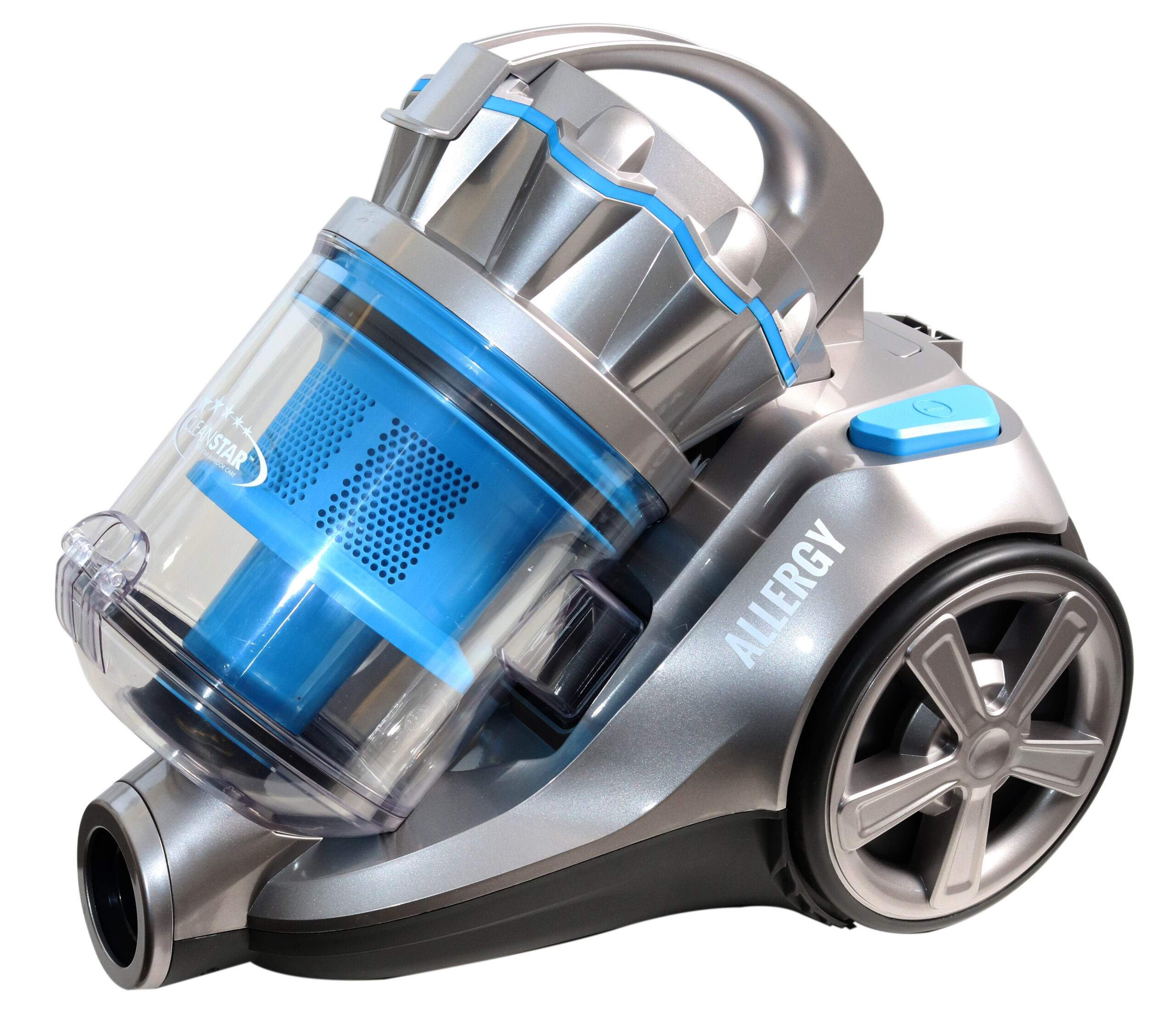
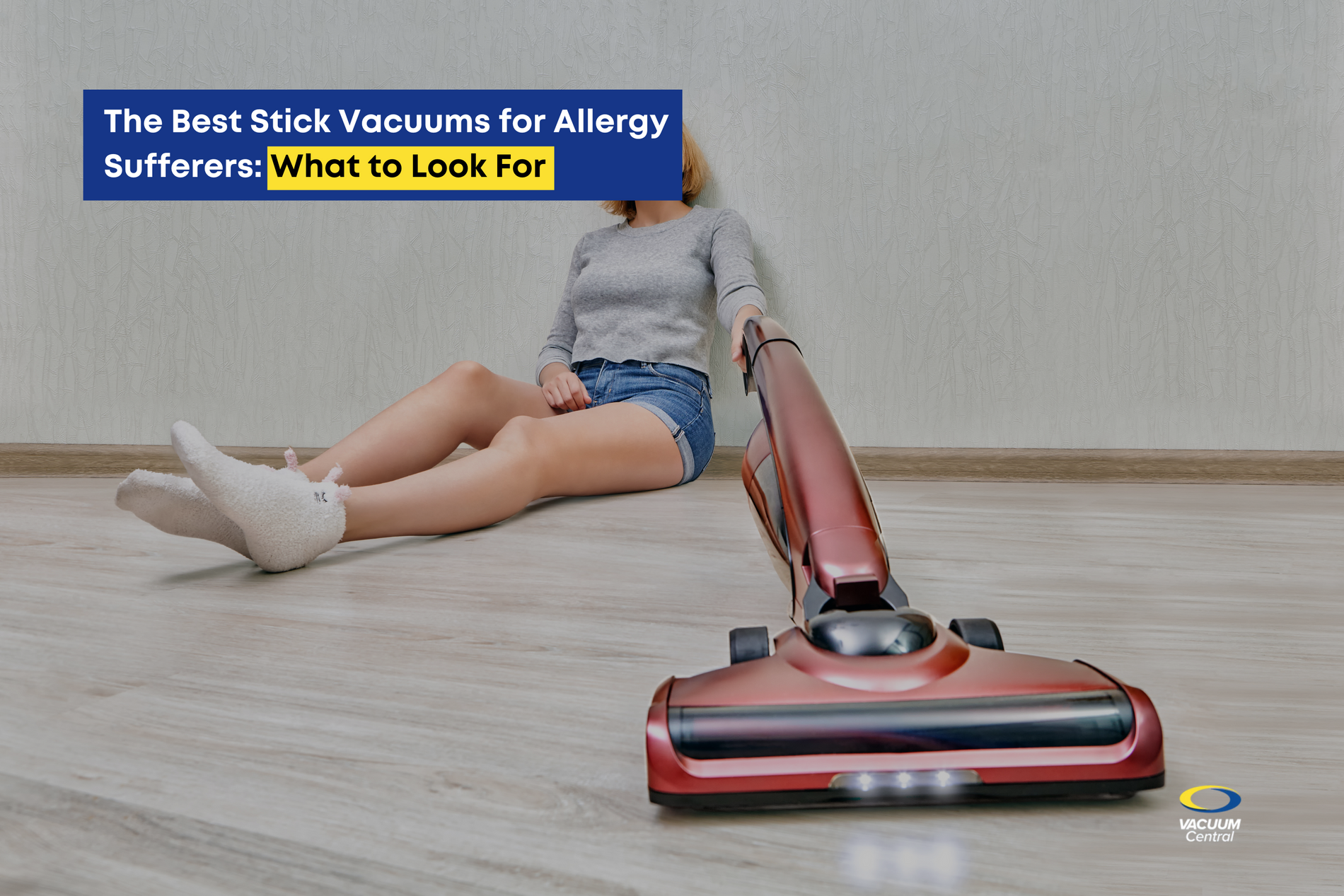
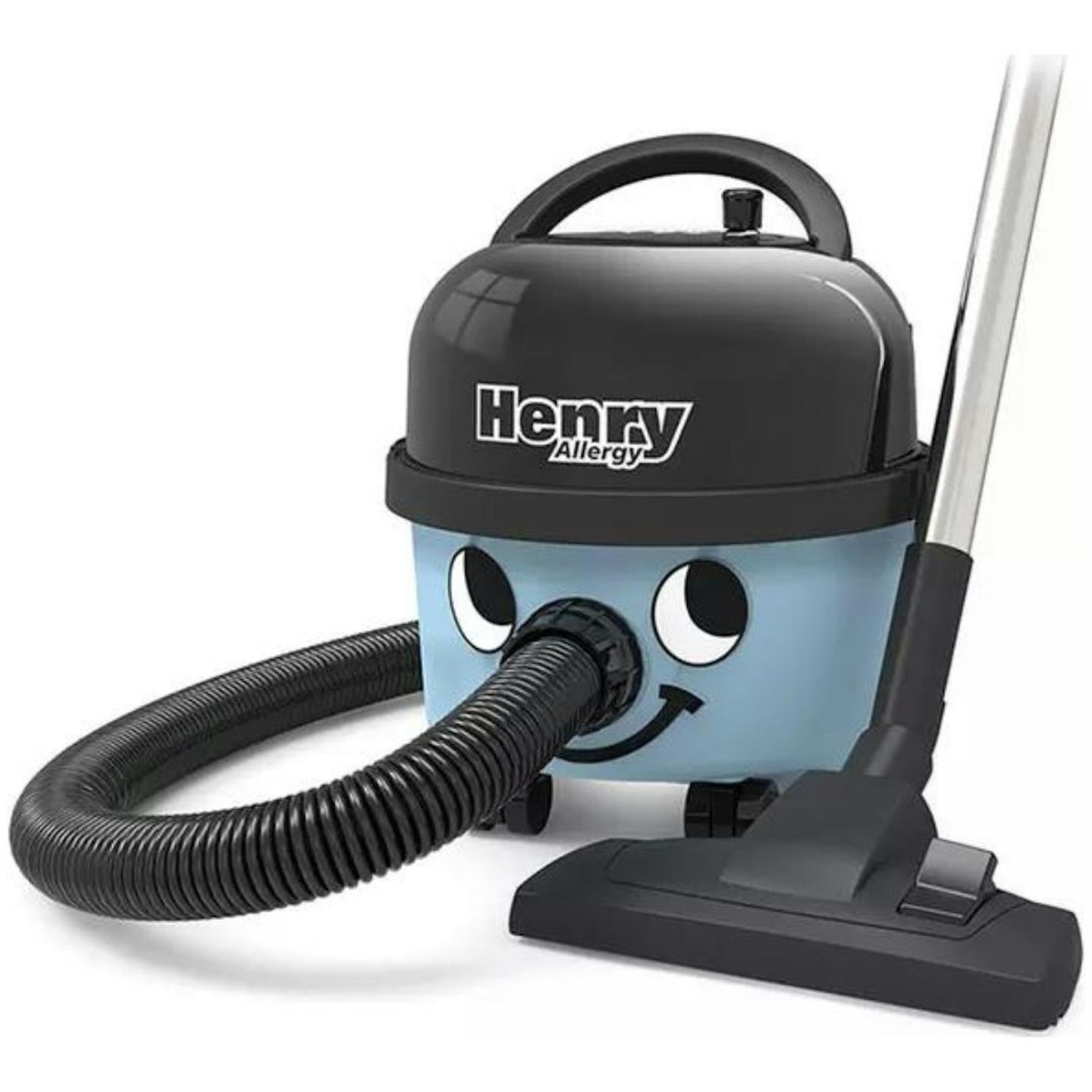
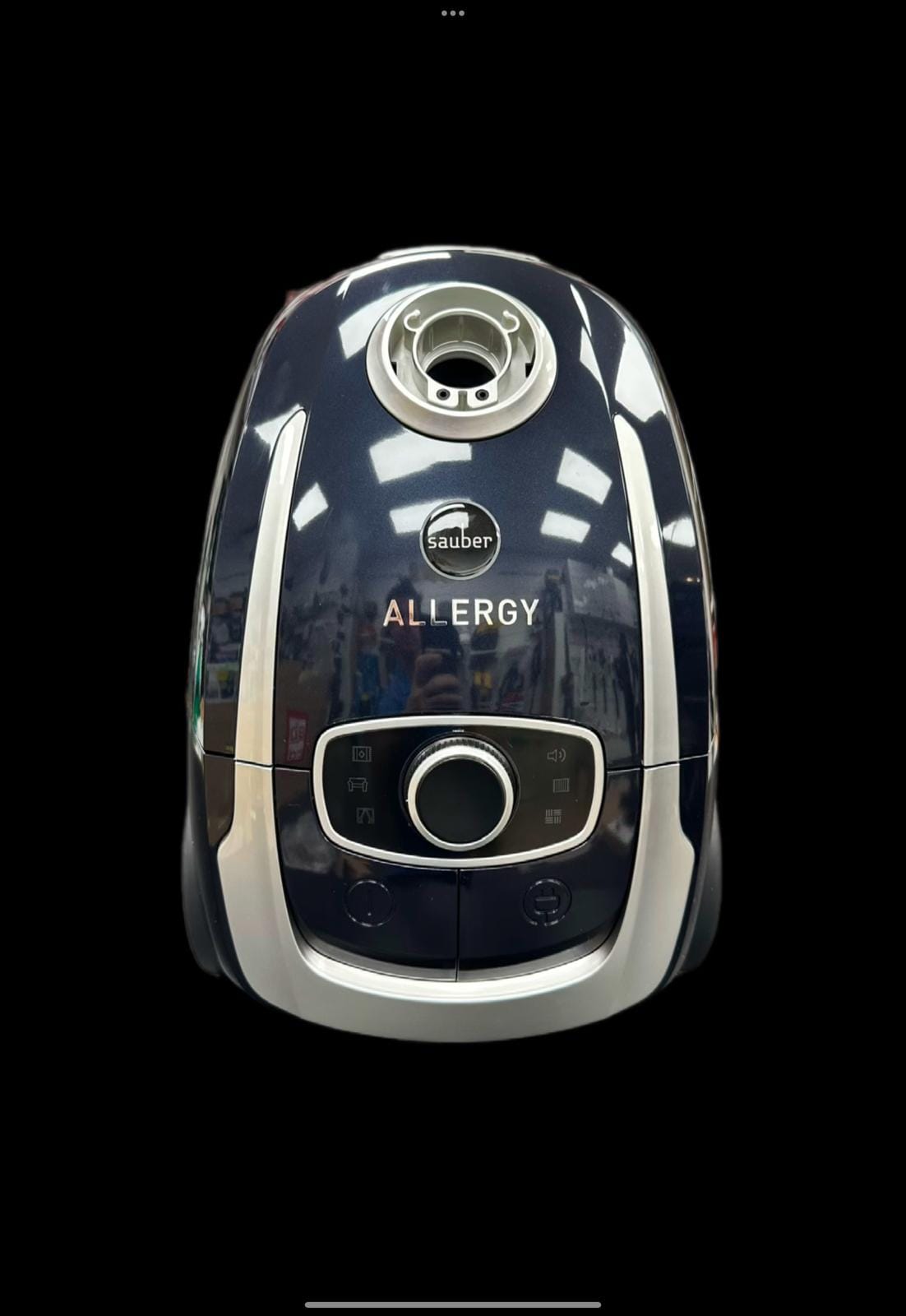
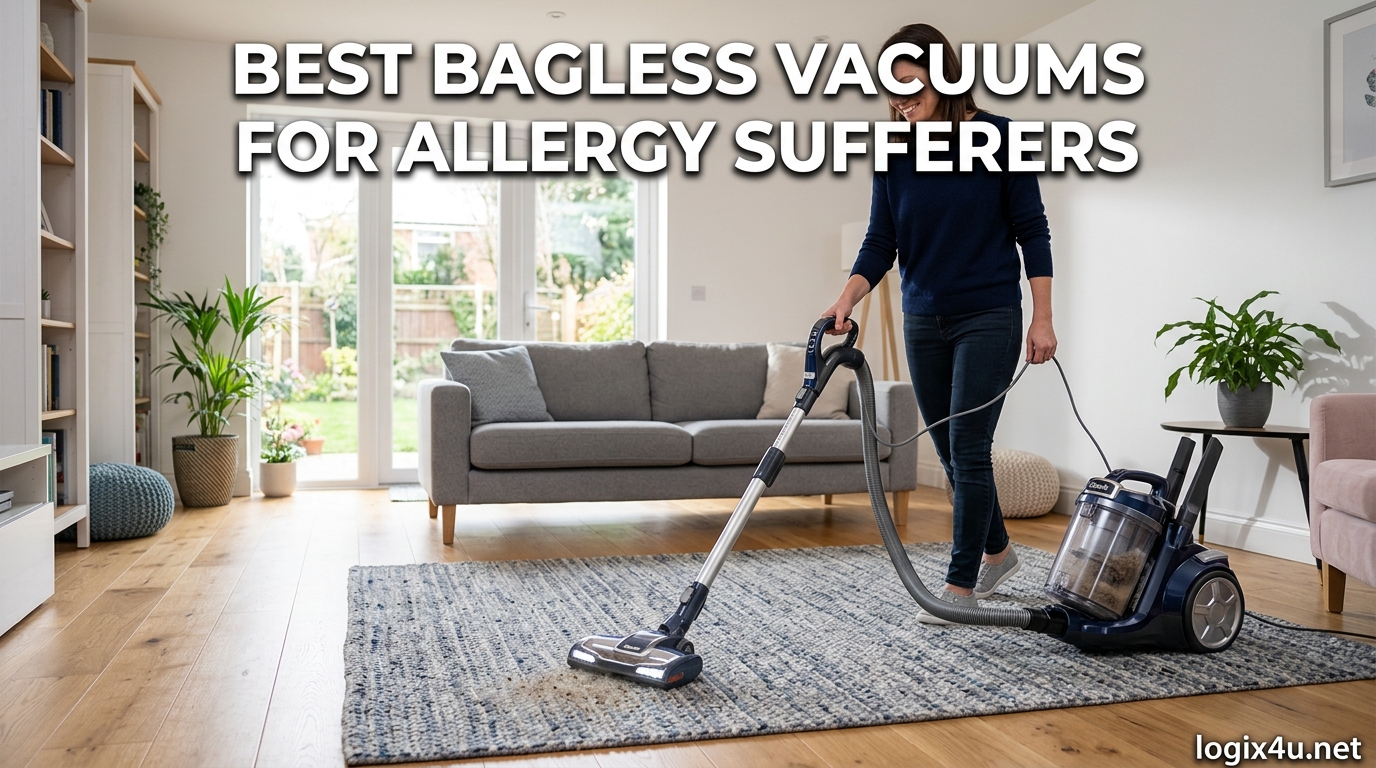
An allergy vacuum is a specialized cleaning device featuring high-efficiency particulate air (HEPA) filtration and a fully sealed system to trap 99.97% of microscopic allergens. Unlike standard vacuums, these machines prevent fine dust, pet dander, and pollen from exhausting back into your living space, significantly improving respiratory health for allergy and asthma sufferers.
The Science of HEPA Filtration: Beyond the Marketing
The primary component of any vacuum designed for allergy sufferers is the High-Efficiency Particulate Air (HEPA) filter. By 2026 standards, HEPA filtration is no longer just a luxury feature but a technical requirement for effective allergen management. To be classified as a true HEPA filter, the media must be able to remove at least 99.97% of particles that have a size of 0.3 microns.
The "0.3-micron" figure is not arbitrary. It represents the Most Penetrating Particle Size (MPPS). Particles larger than 0.3 microns are easily trapped by the filter fibers through interception and impaction, while particles significantly smaller are caught through Brownian motion. The 0.3-micron particles are the hardest to capture, making them the gold standard for testing filter efficiency. In an allergy-prone household, this includes common triggers like:
- Dust Mite Feces: These range from 10 to 40 microns but can break down into smaller fragments.
- Pet Dander: Dried saliva and skin flakes that can be as small as 0.5 microns.
- Pollen: Typically 10 to 100 microns, making them easy for HEPA but difficult for standard mesh filters.
- Mold Spores: Generally 3 to 12 microns.
When shopping in 2026, you will encounter terms like "HEPA-type," "HEPA-like," or "99% filtration." These are marketing terms that often indicate the vacuum does not meet the rigorous HEPA standard. A true allergy vacuum will explicitly state it uses a certified HEPA filter, often following the EN 1822 or ISO 29463 standards, which are the international benchmarks for high-efficiency filters.
Why a "Sealed System" is Non-Negotiable
A HEPA filter is essentially useless if the vacuum cleaner body is not airtight. This is known as a "Sealed System" or "Whole-Machine Filtration." Many budget-friendly vacuums feature a HEPA filter at the final exhaust point, but because the internal housings and gaskets are poorly constructed, air leaks out of the sides of the machine before it ever reaches the filter.
For a person with severe allergies, this "leakage" is dangerous. As the vacuum creates suction, it kicks up dust from the floor. If that dust escapes through the cracks in the motor housing, it is redistributed into the air at eye and nose level, often worsening symptoms during the cleaning process.
A high-quality allergy vacuum utilizes rubber gaskets and O-rings at every connection point—where the hose meets the body, around the filter housing, and at the dust bin interface. When evaluating a machine, look for manufacturers that provide "Whole-Machine HEPA Filtration" certifications. This ensures that every cubic centimeter of air that enters the nozzle must pass through the HEPA media before exiting the device.
Bagged vs. Bagless: The Allergy Sufferer’s Dilemma
One of the most debated topics in vacuum technology is whether a bagged or bagless design is superior for health. In 2026, while bagless technology has advanced significantly with "cyclonic separation" (which spins heavy debris out of the air stream to prevent filter clogging), bagged vacuums remain the clinical preference for allergy management.
The Benefits of Bagged Vacuums
Bagged vacuums act as an extra layer of filtration. Modern multi-layer synthetic bags (often called "HEPA bags") are made of spun-bond material that traps fine dust. The most critical advantage, however, is the disposal process. Most high-end bagged systems feature a self-sealing mechanism. When you open the vacuum to change the bag, a shutter closes the opening, ensuring that no "dust puff" escapes into your face. This makes them the safest choice for those who experience immediate reactions to dust clouds.
The Evolution of Bagless Systems
Bagless vacuums, popularized by brands like Dyson and Shark, offer the convenience of no recurring costs. However, emptying a bagless bin is a high-exposure event. Even with "hygienic ejectors" designed to push dirt out, fine dust particles inevitably become airborne. If you choose a bagless model for allergy management, it is recommended to empty the canister outdoors or deep inside a trash bag to minimize inhalation.
Comparing Vacuum Architectures for Allergy Management
The physical form of the vacuum affects how thoroughly you can remove allergens from different surfaces. Below is a comparison of the primary architectures available in 2026.
| Vacuum Type | Filtration Level | Dust Capacity | Best Use Case | Maintenance Level |
|---|---|---|---|---|
| Upright | High (Often Sealed) | Large | Deep carpets and large homes | Moderate; requires belt/brush checks. |
| Canister | Very High (Best Seals) | Medium | Hard floors and upholstery | Moderate; involves bag changes. |
| Cordless Stick | High (Advanced HEPA) | Small | Quick cleanups and high-reach | High; filters need frequent washing. |
| Robot | Variable (Small HEPA) | Very Small | Daily maintenance of pet hair | High; bins must be emptied daily. |
Upright Vacuums: The Deep Clean Standard
Upright vacuums are preferred for homes with wall-to-wall carpeting. Their weight allows the brush roll to penetrate deep into carpet fibers, where dust mites and dander settle. For allergy sufferers, an upright with an adjustable brush height is essential to ensure maximum airflow regardless of carpet pile.
Canister Vacuums: The Professionals' Choice
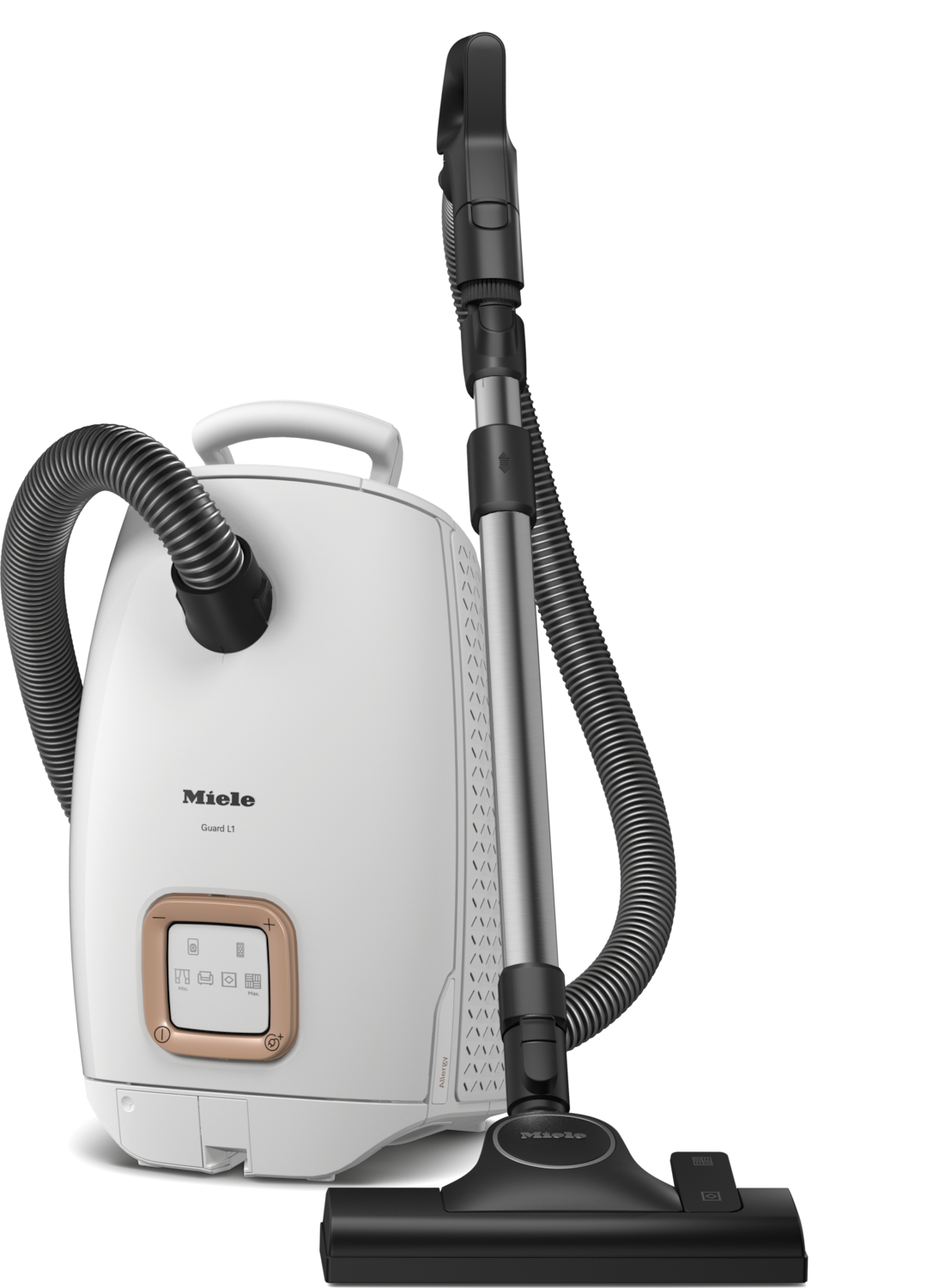
Canister vacuums, such as those from Miele or Sebo, are often cited as the gold standard for allergy relief. Because the motor and dust bag are housed in a separate unit from the floor head, manufacturers can focus on creating an incredibly tight seal. They are also superior for cleaning "above-floor" surfaces like curtains and ceiling fans, where allergens often accumulate undisturbed.
The Rise of 2026 Cordless HEPA Technology
By 2026, battery technology has matured to the point where cordless stick vacuums can provide the same "Air Watts" of suction as corded models. For allergy sufferers, this is a game-changer because it allows for more frequent "point cleaning." The faster you can clean up a spill or a pet’s favorite lounging spot, the less time allergens have to embed themselves in the environment. However, ensure the stick vacuum has a post-motor HEPA filter; many lower-end cordless models skip this to save battery life.
Essential Features and Attachments for Allergen Removal
Beyond the filter, certain features significantly impact a vacuum's effectiveness in an allergy-heavy household.
- Tangle-Free Brush Rolls: Pet hair is a major carrier of dander. If your brush roll is constantly tangled with hair, suction drops and the vacuum stops effectively removing dander. Modern "anti-tangle" or "conical" brush rolls prevent this buildup.
- LED or Laser Dust Detection: In 2026, many high-end vacuums use green lasers or high-contrast LEDs to illuminate microscopic dust on hard floors. This visual feedback ensures you don't miss patches of pollen or fine dust that are invisible to the naked eye.
- Motorized Upholstery Tools: Allergens don't just stay on the floor. They live in sofas and mattresses. A small motorized tool (mini-power head) is much more effective at vibrating dust out of fabric than a simple suction attachment.
- Variable Suction Control: When cleaning delicate items like curtains or lampshades—common dust collectors—you need to lower the suction to avoid damaging the fabric while still drawing out the particles.
Maintenance Protocols for Maximum Filtration Efficiency
Buying an allergy vacuum is only the first step; maintaining its filtration integrity is crucial. A clogged filter or a full bag reduces the "Cubic Feet per Minute" (CFM) of airflow. Lower airflow means the vacuum cannot pull heavy allergens from the base of the carpet.
- Pre-Motor Filters: These should be washed or replaced every 3 to 6 months. They protect the motor from large debris. If these are dirty, the motor runs hot and can actually begin to smell, as tiny particles are "baked" by the heat.
- HEPA Filters: If the HEPA filter is "washable," ensure it is 100% dry before re-inserting (usually 24-48 hours). However, many experts recommend non-washable HEPA filters for allergy sufferers, as washing can sometimes create micro-tears in the delicate fiberglass mesh, compromising the 99.97% rating.
- Brush Roll Hygiene: Clean the brush roll regularly. Even "tangle-free" models can accumulate a film of dust and dander that can be redistributed during the next use.
Common Pitfalls and Misconceptions
One common mistake is assuming that high suction power (measured in Watts or Air Watts) automatically means better allergen removal. Suction is only one half of the equation; airflow is the other. A vacuum can have high suction but poor airflow if the filters are too dense or the air path is obstructed. For allergy removal, you need a balance.
Another misconception is that "UV Light" vacuums are a cure-all. While UVC light can kill dust mites and bacteria, the exposure time required to be effective is usually much longer than the second or two the vacuum head spends over a specific spot. Focus on the filtration and suction quality rather than secondary "sanitizing" gimmicks.
Finally, remember that the Environmental Protection Agency (EPA) emphasizes that vacuuming is just one part of an indoor air quality strategy. Even the best HEPA vacuum will kick up some localized dust. If you have severe asthma, consider wearing a high-quality mask (N95 or better) while vacuuming, or have a non-allergic family member perform the task.
Frequently Asked Questions
Can I add a HEPA filter to my regular vacuum?
No, you generally cannot "upgrade" a standard vacuum to a HEPA vacuum simply by swapping the filter. Standard vacuums lack the airtight seals required to force air through the dense HEPA material. If you put a HEPA filter in a non-sealed machine, the backpressure will likely cause even more dust to leak out of the motor housing or bypass the filter entirely.
How often should an allergy sufferer vacuum?
For those with significant allergies, vacuuming high-traffic areas 2 to 3 times per week is recommended. Bedrooms should be vacuumed at least twice a week, as humans spend a third of their lives there, shedding skin cells that feed dust mites. In 2026, many users employ a robot vacuum for daily maintenance and a deep-cleaning upright or canister once a week.
Are "water filtration" vacuums good for allergies?
Water-based vacuums use a basin of water to trap dust. While they eliminate the "puff of dust" when emptying, they are generally less effective at trapping the smallest sub-micron particles compared to a certified HEPA filter. Furthermore, the standing water can become a breeding ground for mold if the machine is not meticulously cleaned and dried after every single use.
Does the "Asthma & Allergy Friendly" certification matter?
Yes. The Asthma and Allergy Foundation of America (AAFA) provides a certification program that tests vacuums specifically for allergen "burping" and filtration efficiency. Products with this seal have undergone independent laboratory testing to verify they maintain low allergen counts in the air during and after use.
Do HEPA vacuums help with pet odors?
While HEPA filters trap the particles that carry odors (like dander), they do not trap gases or volatile organic compounds (VOCs). To eliminate odors, look for a vacuum that includes an activated carbon filter in addition to the HEPA filter. The carbon layer adsorbs the gas molecules that cause unpleasant smells.
Final Recommendation for 2026 Buyers
When choosing an allergy vacuum in 2026, prioritize a bagged canister or upright model with a certified sealed HEPA system. While cordless sticks are excellent for convenience, a corded machine typically offers the sustained airflow needed for deep allergen extraction. Always verify that the manufacturer provides a "Whole-Machine Filtration" guarantee and check for the AAFA certification seal. For the best results, replace your HEPA filters at the exact intervals recommended by the manufacturer to ensure your home remains a safe haven from respiratory triggers.