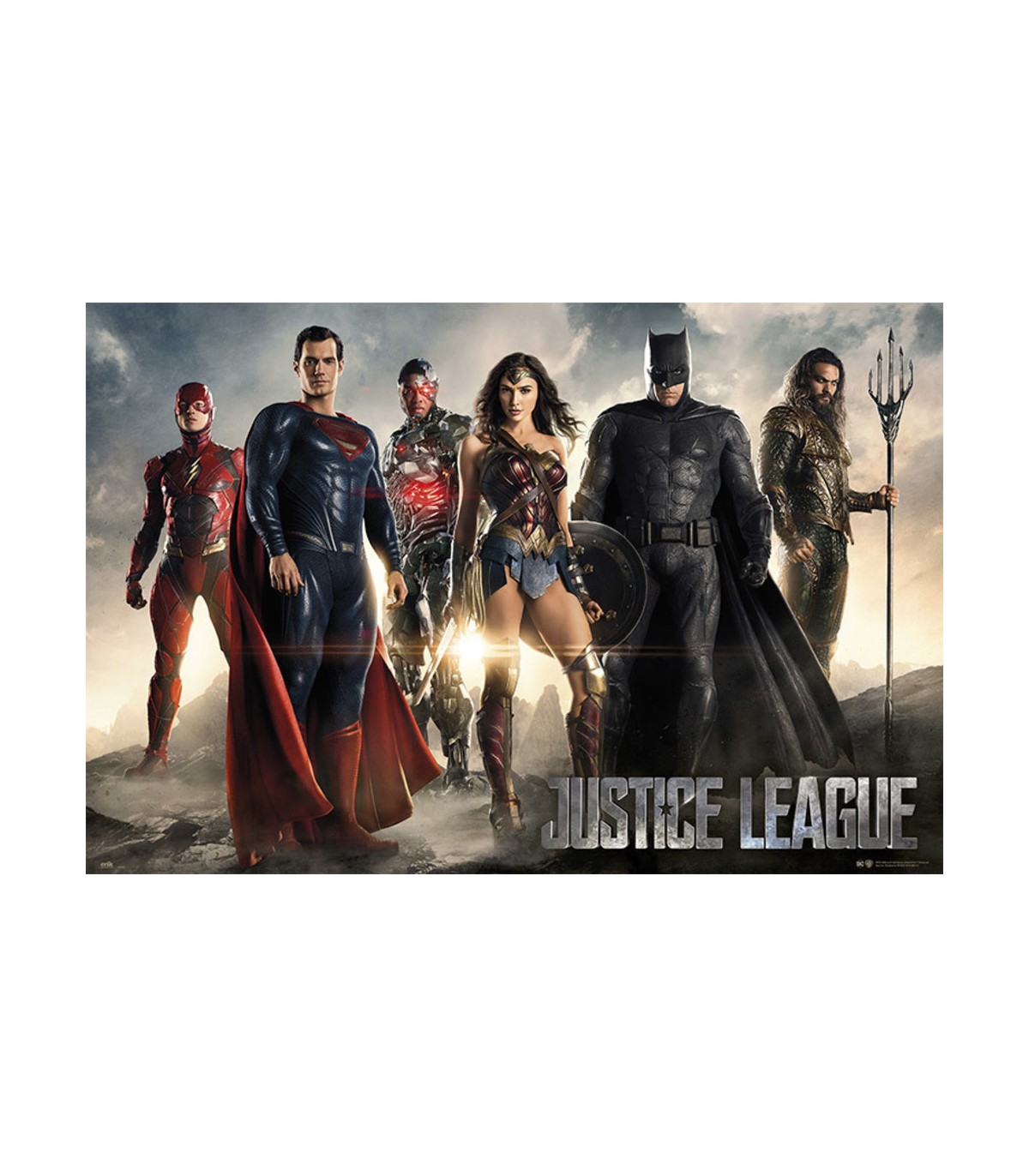
Understanding the landscape of Justice League movies requires navigating a complex web of live-action blockbusters, interconnected animated universes, and standalone "Elseworlds" tales. As of 2026, the franchise is defined by three primary pillars: the divisive but visually distinct live-action DC Extended Universe (DCEU), the long-running DC Animated Movie Universe (DCAMU), and the recently concluded Tomorrowverse saga.
The Justice League has evolved significantly from its 1960 comic book origins, transitioning through various media formats. To properly explain these movies, one must categorize them by their narrative "continuity"—the specific timeline or universe in which the story takes place. Whether you are catching up on the legendary Snyder Cut or diving into the multi-film animated arcs like Crisis on Infinite Earths, this guide breaks down every iteration of the world’s greatest superhero team on film.
The Live-Action Divide: The DCEU and The Snyder Cut
The live-action history of the Justice League is perhaps the most documented and debated era in superhero cinema. It is characterized by a singular story told through two vastly different lens: the 2017 theatrical release and the 2021 director's cut.
Justice League (2017) – The Theatrical Version
Directed initially by Zack Snyder but completed by Joss Whedon, the 2017 theatrical release was intended to be a lighter, more "Marvel-esque" take on the characters. Following a family tragedy, Snyder stepped away from the project, and the studio brought in Whedon to oversee significant rewrites and reshoots.
The plot follows Bruce Wayne (Batman) and Diana Prince (Wonder Woman) as they recruit Barry Allen (The Flash), Arthur Curry (Aquaman), and Victor Stone (Cyborg) to defend Earth against Steppenwolf and his army of Parademons. The film culminates in the resurrection of Superman. However, the theatrical version was criticized for its inconsistent tone, simplified CGI, and the removal of significant character backstories—particularly for Cyborg and the Flash.
Zack Snyder's Justice League (2021)
Following a massive fan-led campaign, Warner Bros. released "The Snyder Cut" on HBO Max. This four-hour epic restored Snyder’s original vision, presented in a 4:3 aspect ratio. This version is fundamentally different from the 2017 release in several ways:
- Character Depth: Victor Stone (Cyborg) is restored as the "heart of the movie," with his origin and relationship with his father taking center stage.
- The Villain: While Steppenwolf remains the primary physical threat, the film introduces Darkseid, the ruler of Apokolips, as the overarching mastermind.
- The "Knightmare" Sequence: The film includes an expanded epilogue featuring a post-apocalyptic future where Batman leads a resistance against a corrupted Superman.
- Tone and Visuals: The score by Junkie XL replaces Danny Elfman’s more traditional themes, and the color palette is darker and more desaturated, reflecting Snyder’s "deconstructive" approach to heroism.
The DC Animated Movie Universe (DCAMU): 2014–2020
For many fans, the definitive Justice League experience isn't found in live-action, but in the DC Animated Movie Universe (DCAMU). This was a series of 16 interconnected films heavily inspired by DC’s "The New 52" comic book relaunch.
Establishing the Team: Justice League: War (2014)
The DCAMU officially began with Justice League: War. This film reimagines the team's first meeting as they repel an invasion by Darkseid. It established the core roster: Superman, Batman, Wonder Woman, The Flash, Green Lantern (Hal Jordan), Cyborg, and Shazam. Unlike earlier adaptations, this universe emphasized a younger, more brash version of the heroes who were initially distrustful of one another.
Expanding the Lore: Throne of Atlantis and Justice League vs. Teen Titans
The DCAMU continued to flesh out the world through specialized team-ups. Justice League: Throne of Atlantis (2015) focused on Arthur Curry discovering his heritage and taking his place as the King of Atlantis. Later, Justice League vs. Teen Titans (2016) introduced the concept of the supernatural, pitting the League against the demonic forces of Trigon. This era was known for its high-stakes action and a continuous narrative thread that rewarded long-term viewers.
The Conclusion: Justice League Dark: Apokolips War (2020)
The DCAMU came to a brutal and definitive end with Apokolips War. In this film, Darkseid successfully conquers Earth, killing or maiming the majority of the Justice League. The survivors must stage a final, desperate gambit to reset the timeline. The film is famous for its "Rated R" violence and its willingness to kill off major icons, leading directly into a "soft reboot" of the animated universe.
The Tomorrowverse: 2020–2024
Following the reset in Apokolips War, DC launched the Tomorrowverse, characterized by a distinct art style reminiscent of mid-century modernism and a more methodical pace of storytelling.
Justice League: Warworld (2023)
The Tomorrowverse’s primary Justice League entry, Warworld, is a genre-bending film. It starts as three separate stories—a Western featuring Wonder Woman, a Conan-style fantasy with Batman, and a 1950s noir with Superman—before revealing they are all trapped in a psychic simulation by Mongul on the planet Warworld. This film served as a precursor to the multiversal stakes that would follow.
The Crisis on Infinite Earths Trilogy (2024)
As of our current perspective in 2026, the Tomorrowverse reached its zenith with a three-part adaptation of Crisis on Infinite Earths. This trilogy served as a grand finale not just for the Tomorrowverse, but as a love letter to all previous DC animated iterations.
- Part One: Focused on Barry Allen traveling through time to stop the Anti-Monitor’s wave of antimatter.
- Part Two: Explored the gathering of heroes from multiple Earths, including those from the 1990s animated series.
- Part Three: Concluded the story by merging the remaining universes into a singular, cohesive reality, effectively ending the Tomorrowverse era to make way for new storytelling initiatives.
Standalone and "Elseworlds" Justice League Movies
Not every Justice League movie fits into a neat timeline. Several of the most acclaimed films are standalone features that explore unique themes or alternate histories.
- Justice League: The New Frontier (2008): Set in the 1950s, this film bridges the gap between the Golden Age and Silver Age of comics. It deals with the Red Scare, civil rights, and the Cold War, framing the formation of the League as a symbol of hope for a new era.
- Justice League: Crisis on Two Earths (2010): This film introduces the Crime Syndicate, an evil version of the Justice League from a parallel universe. It is highly regarded for its philosophical clash between Batman and his nihilistic counterpart, Owlman.
- Justice League: Doom (2012): Based on the "Tower of Babel" comic arc, this movie explores what happens when Batman’s contingency plans to neutralize his teammates are stolen and used by Vandal Savage. It is a deep dive into the themes of trust and paranoia within the team.
- Justice League: Gods and Monsters (2015): A radical departure from tradition, this "Elseworlds" story features a son of Zod as Superman, Kirk Langstrom (Man-Bat) as Batman, and Bekka of the New Gods as Wonder Woman. It is a darker, more violent take on the "Trinity" concept.
Summary Comparison of Justice League Movie Continuities
| Continuity / Universe | Years Active | Key Characteristics | Recommended Starting Film |
|---|---|---|---|
| DCEU (Live Action) | 2017–2021 | High-budget, visual spectacle, "Snyderverse" mythology. | Zack Snyder's Justice League |
| DCAMU (New 52) | 2014–2020 | Interconnected, action-heavy, based on New 52 comics. | Justice League: War |
| Tomorrowverse | 2020–2024 | Stylized art, multiversal themes, slow-burn mystery. | Superman: Man of Tomorrow |
| DCAU (Legacy) | 2001–2006 | Connected to the 90s Batman/Superman shows. | Justice League: Secret Origins |
| Standalone / Elseworlds | Ongoing | Experimental styles, unique "What If" scenarios. | The New Frontier |
The Role of The Flashpoint Paradox
No explanation of Justice League movies is complete without mentioning Justice League: The Flashpoint Paradox (2013). While it is a standalone story about Barry Allen traveling back in time to save his mother, it serves as the narrative bridge between the old standalone era and the DCAMU.
In Flashpoint, the timeline is fractured, resulting in a world where Aquaman and Wonder Woman are at war, and Thomas Wayne is Batman. The movie's ending features Barry Allen running through time to "fix" the universe, which directly creates the "New 52" timeline seen in Justice League: War. For viewers who want to see how the animated universes connect, Flashpoint is the essential "zero hour."
The Creative Evolution of the Team
Over the decades, the portrayal of the Justice League has shifted to reflect the era of production.
- The Heroic Ideal (2000s): Films like The New Frontier and the Justice League animated series focused on the League as an infallible moral compass.
- The Gritty Deconstruction (2010s): Influenced by the success of the Dark Knight trilogy and the New 52 comics, movies became more violent and focused on the burden of godhood.
- The Multiversal Era (2020s): Following the trend of "legacy" media, the Crisis on Infinite Earths trilogy and the Snyder Cut expansion focused on the concept of infinite versions of these heroes, emphasizing that the League is an eternal concept that transcends any single timeline.
Frequently Asked Questions
Is the Justice League movie part of the Batman movies?
Yes and no. In the live-action DCEU, Ben Affleck’s Batman appears in Batman v Superman: Dawn of Justice (2016) before leading the team in Justice League. However, the 2022 film The Batman (starring Robert Pattinson) and its subsequent sequels are part of a separate universe (DC Elseworlds) and do not feature the Justice League as of 2026.
Which version of Justice League should I watch first?
For live-action, it is highly recommended to watch Zack Snyder's Justice League (2021). Even though it is longer, it provides the necessary character motivations and world-building that the theatrical cut lacks. For animation, start with Justice League: The Flashpoint Paradox to understand the transition into the modern interconnected movies.
What is the "Tomorrowverse"?
The Tomorrowverse is the name given to the animated continuity that began after Apokolips War. It includes films like Superman: Man of Tomorrow, Batman: The Long Halloween, and Justice League: Warworld. It is known for its "thick-line" art style and concluded in 2024 with the Crisis on Infinite Earths trilogy.
Are the Justice League animated movies for kids?
While some entries like Justice League vs. The Fatal Five are accessible to younger audiences, many of the DCAMU films (like Apokolips War) and the Snyder Cut are rated R or TV-MA. They often feature graphic violence, adult language, and complex political themes. Always check the rating before viewing with children.
Will there be a new Justice League movie in the DCU?
As of 2026, James Gunn's new DC Universe (DCU) is in full swing. Following the release of Superman (2025), plans for a new Justice League film have been teased, though it will feature a completely new cast and a different continuity than the previous Zack Snyder films.
Practical Recommendation for Viewers
If you are new to the franchise, the best way to experience these movies is by Continuity Tracking. Do not try to watch every Justice League movie in release order, as the jumps between different universes will be confusing.
- Start with the "Snyder Trilogy": Man of Steel, Batman v Superman (Ultimate Edition), and Zack Snyder's Justice League.
- Then, dive into the DCAMU: Begin with The Flashpoint Paradox and follow the 16-film arc ending with Apokolips War.
- Finish with the Tomorrowverse: Watch the Crisis on Infinite Earths trilogy to see how the animated multiverse was eventually streamlined.
By categorizing your viewing experience by these "blocks," you will gain a much deeper appreciation for how the Justice League has been reinvented for different generations of fans.