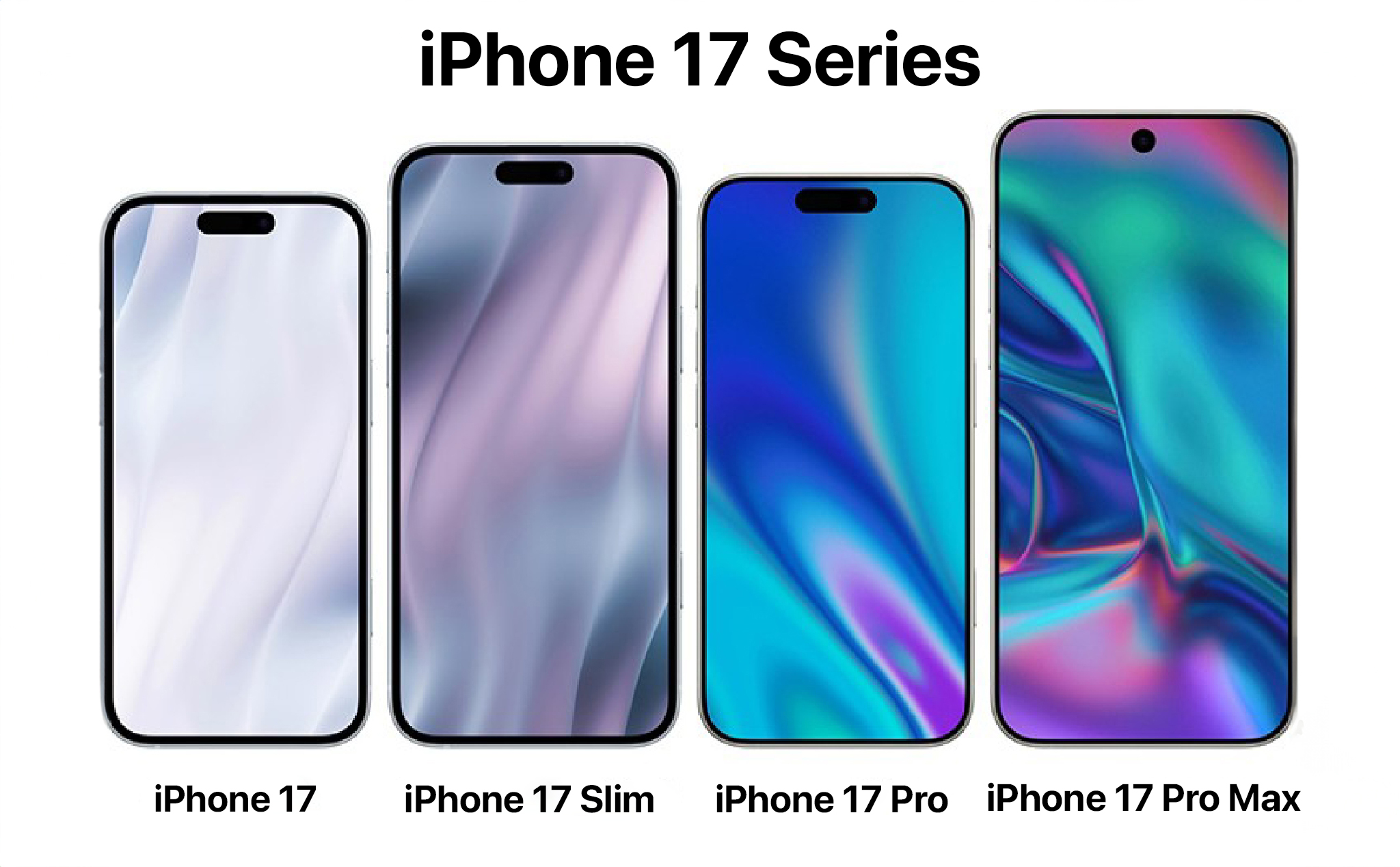
The iPhone series represents a continuous evolution in mobile computing, shifting from the original multi-touch smartphone introduced in 2007 to the sophisticated, AI-integrated handsets of 2026. Understanding the full lineup requires categorizing these devices by their architectural shifts, design languages, and the progressive integration of proprietary silicon, which has defined the user experience across nearly two decades of mobile innovation.
The Foundation: The Early Generation (2007–2010)
The inaugural iPhone, often retroactively dubbed the "iPhone 2G," fundamentally altered the mobile landscape by replacing physical keyboards with a capacitive multi-touch interface. This era established the primary tenets of the brand: a sealed ecosystem, a focus on high-fidelity display technology, and the later introduction of the App Store in 2008 with the iPhone 3G.
The iPhone 3GS, released in 2009, marked the beginning of the "S" suffix tradition, indicating internal performance enhancements while maintaining the external industrial design of its predecessor. The era concluded with the iPhone 4, which introduced the Retina display and a glass-and-stainless-steel sandwich design, setting a new benchmark for device build quality that prioritized aesthetics alongside functionality.
The Refinement Phase: 4S to 6s (2011–2015)
This period focused on hardware stability and the expansion of the screen size ecosystem. The iPhone 4S brought Siri to the mainstream, while the iPhone 5 transitioned the series to the Lightning connector and an aluminum-heavy chassis, moving away from the fragile glass back of the 4 series.
The most significant shift occurred with the iPhone 6 and 6 Plus, which represented Apple’s strategic pivot to larger form factors. This transition addressed a long-standing consumer demand for more screen real estate. The 6s series followed, cementing 3D Touch as a primary navigational input, showcasing the company’s intent to explore haptic feedback as a core element of the user interface.
The Edge-to-Edge Era: iPhone X and Beyond (2017–2020)
In 2017, the launch of the iPhone X marked the most dramatic departure from the original design language. By removing the physical Home button, Apple moved to an edge-to-edge OLED display and introduced Face ID, utilizing a complex array of infrared sensors in the "notch."
During this phase, the lineup began to bifurcate more aggressively. The iPhone 11 and 12 series solidified the distinction between standard and "Pro" models, with the latter focusing on advanced camera arrays, ProRAW imaging, and stainless steel framing. The introduction of the iPhone SE (second and third generations) concurrently served a critical role in the market, providing the latest A-series processors in legacy-style bodies, appealing to price-conscious users and those preferring smaller hardware.
The Modern Standards: Pro Motion and Computational Photography (2021–2026)
As of 2026, the current iPhone ecosystem is defined by three pillars: high-refresh-rate ProMotion displays, advanced computational photography, and integration with local artificial intelligence models. The hardware has matured into a predictable yearly release cycle characterized by:
- The Pro Models: These handsets serve as the testing ground for the latest camera technology, titanium chassis materials, and the most powerful binned silicon from the A-series lineup.
- The Standard Models: These devices carry forward the high-performance chips from the previous year’s Pro models, offering a balance of battery life and everyday capability.
- The Compact/Specialty Editions: Focused on specific user demographics, such as users seeking durability, extended battery life in a smaller frame, or a lower entry price point into the ecosystem.
Evolution of Hardware Specifications
The following table summarizes the key technological transitions that have defined the major shifts across the iPhone generations.
| Series Era | Primary Input/Design | Display Technology | Processor Class | Key Advancement |
|---|---|---|---|---|
| Early | Multi-touch / Plastic | LCD | 32-bit ARM | App Store ecosystem |
| Refinement | Lightning Port / Aluminum | Retina LCD | A5–A9 | Siri and Touch ID |
| Transitional | Edge-to-Edge / Notch | OLED | A11–A13 | Face ID & Neural Engine |
| Modern | Dynamic Island / Titanium | ProMotion OLED | A17–A19 | AI & Photonic Engine |
Navigating Component Longevity and Support
A critical aspect of owning any iPhone series model is the duration of software support. Apple typically provides iOS updates for five to seven years after a device's release date. In 2026, users of older devices like the iPhone 13 or 14 series can still access the latest features of iOS 20, though hardware-constrained features—specifically those requiring advanced Neural Engines or high-bandwidth camera controllers—are often restricted to the latest models.
Troubleshooting Battery and Performance
As devices age, the primary technical limitation is battery chemical health. Apple’s internal battery management system (BMS) intelligently limits the maximum processing speed (throttling) when battery health drops significantly to prevent unexpected shutdowns. For users holding onto older series:
- Monitor Battery Health: Navigate to Settings > Battery > Battery Health to check the peak performance capability.
- Optimize Charging: Use "Optimized Battery Charging" to limit the time the device spends at 100% charge, which slows chemical degradation.
- Repair Paths: Apple’s Self Service Repair program now allows users to order genuine parts, providing a route to extend the life of devices that are out of official warranty.
Comparing the Tiers: How to Choose
When selecting an iPhone in 2026, the choice rests on the balance between professional creative needs and daily utility. The Pro-series remains the definitive choice for users who prioritize RAW photo editing, high-frame-rate video recording (ProRes), and the highest possible sustained performance for gaming or productivity apps.
Conversely, the base-model iPhones have reached a point of saturation where the hardware is more than sufficient for 95% of the average user base. The decision to upgrade is no longer about the ability to run applications—which rarely differ in performance across the last three generations—but about battery efficiency and camera versatility.
Frequently Asked Questions
Which iPhone series offers the longest battery life?
In 2026, the "Plus" and "Pro Max" models historically provide the longest battery life due to their physical footprint, which allows for larger internal battery capacities. These models are engineered to power demanding displays and high-performance chips for extended periods, often exceeding 24 hours of mixed usage.
Are older iPhone series still safe to use in 2026?
Yes, as long as they receive security updates. Apple continues to provide "Rapid Security Responses" to older devices that are no longer eligible for full OS version upgrades. However, if a device is completely past its support window, it lacks the latest patches against emerging vulnerabilities and should be used with caution for sensitive financial or personal activities.
Can I use a charger from an older iPhone on a newer model?
Yes. Apple maintained backwards compatibility for charging protocols. While the internal power management has evolved to support faster charging (Power Delivery), older 5W or 20W chargers will charge newer iPhones safely, albeit at significantly slower speeds than the current generation’s maximum wattage.
Does the "S" suffix indicate a significant upgrade?
Historically, "S" models focus on internal refinements rather than chassis redesigns. They often introduce new sensors, faster processors, or refined software features that utilize the existing hardware base. They are generally considered "mid-cycle" improvements rather than ground-up revisions.
How do I identify which iPhone series I own?
You can identify your specific model by going to Settings > General > About. The "Model Name" will be listed there. Alternatively, you can search the model number (found in the same menu) on Apple’s official "Identify your iPhone model" support page to see its exact release year and technical specifications.
Final Recommendation
When managing or upgrading your device, prioritize the A-series processor generation over the aesthetic design. For most users, any model from the last three years provides sufficient processing power for modern iOS features. If you are a power user, focus on the RAM capacity and camera sensor generation of the Pro series. If you are seeking a reliable daily driver, the standard or Plus models of the most recent generation offer the best intersection of price, longevity, and modern hardware capabilities.