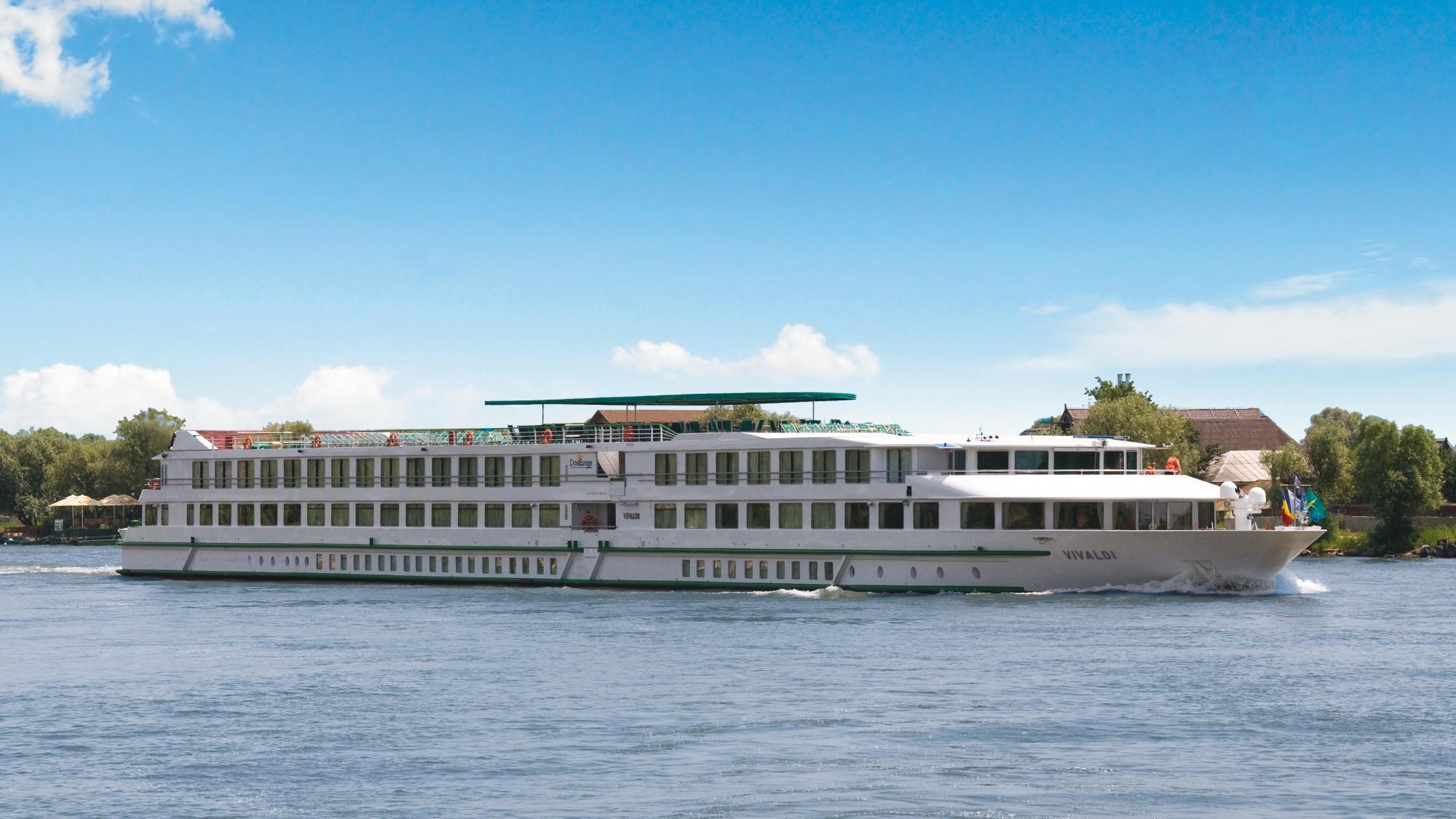
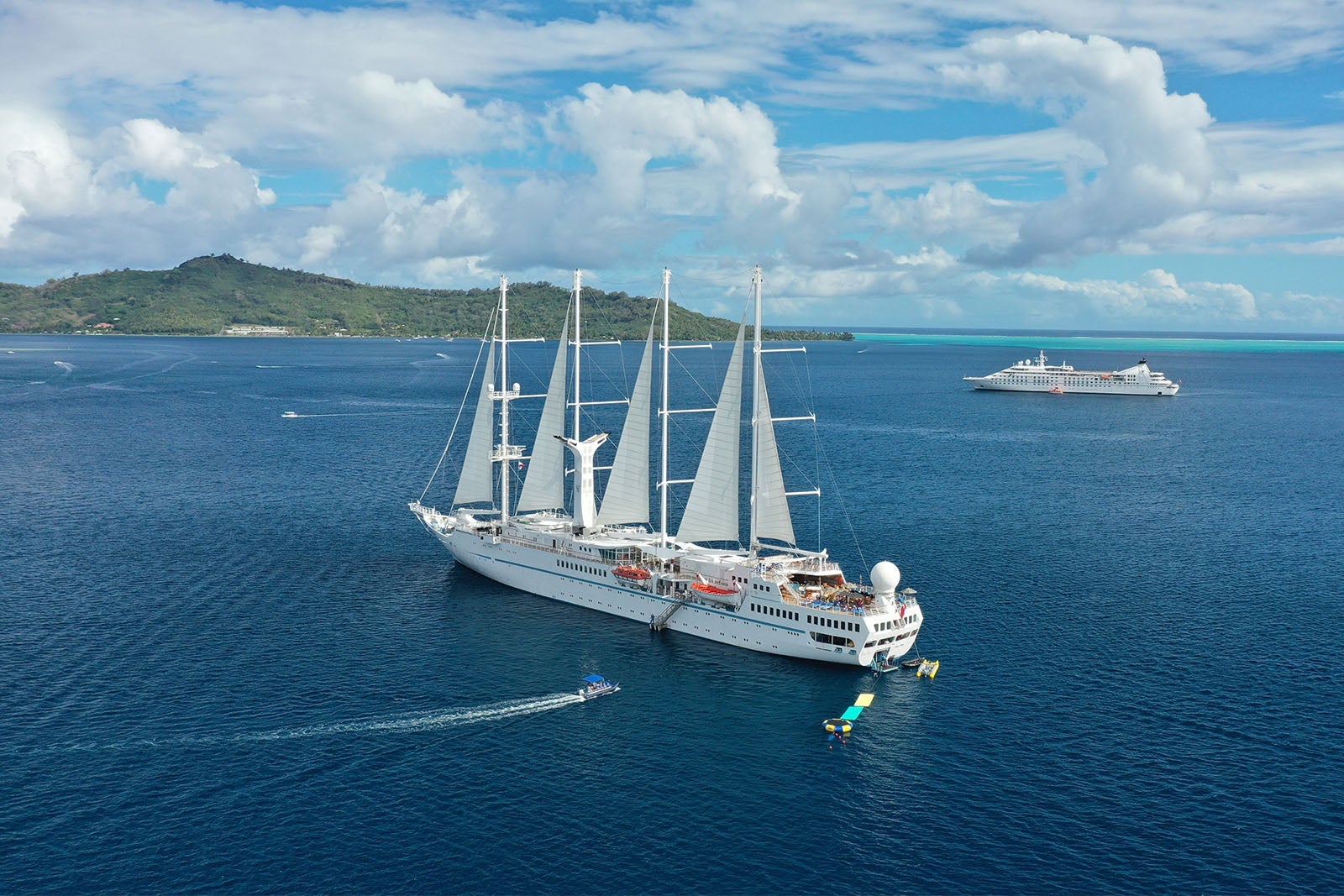
All-inclusive European cruise packages typically bundle your stateroom, standard meals, a beverage package, Wi-Fi, and crew gratuities into a single upfront price. While you gain financial predictability and logistical simplicity, you often lose the ability to pay only for what you use, frequently subsidizing amenities like premium alcohol or excursions that may not fit your specific travel style.
In the 2026 cruise market, the term "all-inclusive" has become increasingly nuanced. As the industry shifts toward more personalized "fare-branding," understanding exactly what is included in your European itinerary is essential for calculating the true return on investment. Whether you are navigating the historic ports of the Mediterranean or the scenic waterways of the Rhine, the value of these packages depends heavily on your consumption habits and your desire for autonomy.
Defining the All-Inclusive Tiers in 2026
To understand what you get and what you lose, you must first identify which "tier" of all-inclusive service you are purchasing. The European market is currently divided into three primary categories:
1. The Add-On Bundle (Mainstream Lines)
Mainstream lines like Royal Caribbean, Norwegian Cruise Line (NCL), and MSC Cruises often market "all-in" promotions. These are not true all-inclusive fares but rather "unbundled" fares with an added package. You typically get a basic beverage package, a limited Wi-Fi credit, and perhaps one or two specialty dining meals. You lose the "everything-is-covered" feeling, as many premium experiences still carry an extra charge.
2. The Premium Inclusive (Upper-Midscale)
Lines such as Celebrity Cruises (with their "All Included" rates) or Virgin Voyages (which includes Wi-Fi, tips, and fitness classes as standard) sit in this middle ground. These packages are more comprehensive but often exclude shore excursions and top-shelf liquor unless you upgrade to a "Zenith" or "Star" level tier.
3. The Ultra-Luxury All-Inclusive
On lines like Regent Seven Seas, Silversea, and Explora Journeys, the definition of "all-inclusive" is at its peak. You get business-class flights (often), private transfers, unlimited shore excursions, premium spirits, and even laundry services. What you lose here is primarily the lower price point, as you are paying a significant premium for the convenience of never reaching for your wallet.
What You Get: The Benefits of a Bundled European Voyage
The primary driver for choosing an all-inclusive package is the removal of "bill shock" at the end of the cruise. In 2026, with fluctuating exchange rates between the US Dollar, Euro, and British Pound, locking in a price in your home currency provides a significant hedge against economic volatility.
Financial Predictability and Budgeting
When you book an all-inclusive package, the "per diem" cost is fixed. For a 10-night Mediterranean cruise, knowing that your $5,000 covers everything from your morning espresso in Naples to your late-night cocktail in Ibiza allows for a more relaxed psychological state. You avoid the mental gymnastics of calculating whether a $15 glass of wine fits into your daily budget.
Seamless Logistics: Flights and Transfers
Many European all-inclusive packages, particularly "Fly-Cruise" deals, include round-trip airfare and ground transfers. In 2026, European air travel remains complex due to slot constraints at major hubs like London Heathrow and Paris Charles de Gaulle. By including these in the package, the cruise line assumes responsibility for getting you to the ship. If your flight is delayed, the cruise line’s "protection" policy usually ensures they will get you to the next port at no additional cost.
Connectivity and Gratuities
Daily service charges (gratuities) can add $16 to $25 per person, per day, to a standard cruise fare. Over a 14-day Baltic cruise, this is a hidden cost of nearly $700 for a couple. All-inclusive packages bake these costs into the fare. Furthermore, with the industry-wide adoption of high-speed satellite internet (such as Starlink), Wi-Fi is now a staple of these bundles, allowing you to stay connected without worrying about data caps or hourly rates.
What You Lose: The Trade-offs of the All-Inclusive Model
The "loss" in an all-inclusive package is rarely about the quality of service; it is about the loss of value and customization. If your lifestyle does not align with the package’s offerings, you are essentially donating money to the cruise line.
The "Drink-to-Break-Even" Trap
The most common inclusion is a beverage package. However, if you are not a moderate-to-heavy drinker, you lose money. On many lines, the beverage component of an all-inclusive fare is valued at $60–$100 per day. To break even, you would need to consume 6–8 cocktails daily. For travelers who prefer exploring local wine bars in Bordeaux or craft breweries in Tallinn, paying for an onboard drink package is a wasted expense.
Limited Choice in Shore Excursions
Some all-inclusive lines include "free" shore excursions. While this sounds like a gain, you often lose the ability to have a bespoke experience. Included excursions are typically large-group bus tours (40+ people) focused on high-level highlights. If you are a seasoned traveler who prefers a private guide in Rome or a small-group culinary tour in Mykonos, you will find yourself paying extra for a "choice" excursion, effectively paying twice for the same day’s activity.
The Speciality Dining Exclusion
Even on "all-inclusive" ships, the most desirable dining venues—such as the high-end steakhouse or the exclusive sushi bar—often remain at a surcharge. You get the buffet and the main dining room, but you lose out on the ship’s best culinary offerings unless you pay an additional "cover charge." This creates a tiered experience on board that can detract from the feeling of inclusivity.
Lack of Local Immersion
Europe is a continent defined by its world-class gastronomy. By paying for an all-inclusive meal and drink package on the ship, you are financially incentivized to return to the vessel for lunch and dinner. This means you lose the opportunity to dine at a trattoria in Sicily or a bistro in Marseille. The "loss" here is the cultural depth of your European vacation.
Comparing All-Inclusive Package Values (2026 Estimates)
The following table compares what is typically included across different cruise segments for a standard 7-night European itinerary.
| Feature | Mainstream (Bundled) | Premium (Inclusive) | Ultra-Luxury (Fully) |
|---|---|---|---|
| Alcoholic Beverages | Basic brands only | Premium brands included | All brands (inc. Champagne) |
| Wi-Fi Access | 1 Device (Limited speed) | Multi-device (High speed) | Unlimited (High speed) |
| Gratuities | Often included in "plus" | Almost always included | Always included |
| Shore Excursions | Not included | Credit offered ($50-$100) | Unlimited included |
| Specialty Dining | 1–2 meals included | Surcharges apply | All venues included |
| Airfare/Transfers | Extra charge | Optional add-on | Often included (Business) |
| Laundry Service | Per-item charge | Suite guests only | Unlimited included |
Regulatory and Technical Considerations for 2026
When evaluating all-inclusive packages in 2026, travelers must account for new European regulations that impact the total cost of travel. These are often not included in the "all-inclusive" headline price.
- ETIAS Requirements: The European Travel Information and Authorisation System (ETIAS) is fully operational in 2026. This is a mandatory pre-travel authorization for visa-exempt visitors. Most cruise lines do not include the ETIAS fee or the application process in their packages.
- Port Taxes and Environmental Levies: Cities like Venice, Amsterdam, and Santorini have implemented strict "day-tripper" taxes and environmental levies. While these are usually folded into the port fees of your cruise fare, check the fine print of "all-inclusive" deals to ensure these surcharges haven't been carved out as "additional government fees."
- EU Consumer Protection: If you book your package as a "linked travel arrangement" through a European-based agent, you may have higher levels of insolvency protection under the EU Package Travel Directive.
Common Mistakes When Booking All-Inclusive
1. Overestimating Alcohol Consumption
Many travelers opt for all-inclusive because they enjoy wine with dinner. However, if you only have two glasses of wine a day, it is almost always cheaper to pay a la carte. In 2026, many European sailings feature overnight stays in ports like Barcelona or Lisbon. If you are off the ship for 12–18 hours, you are not using the drink package you paid for.
2. Ignoring the Wi-Fi Tier
Standard all-inclusive Wi-Fi often only supports basic messaging and browsing. If you need to stream video or participate in work calls while sailing the Norwegian Fjords, you may find the "included" Wi-Fi insufficient. You "get" connectivity, but you "lose" the bandwidth necessary for modern technical needs, forcing a paid upgrade anyway.
3. Assuming "All" Means "All"
The most frequent disappointment occurs when guests realize that "all-inclusive" shore excursions are subject to availability. By the time you book, the most popular tours (e.g., the skip-the-line tour of the Alhambra) may be full. You lose the experience you wanted because you relied on the "free" inventory rather than booking a private alternative in advance.
Frequently Asked Questions
Is the beverage package in an all-inclusive deal worth it if I don't drink alcohol?
Generally, no. While these packages include soda, specialty coffees, and bottled water, the "value" is heavily weighted toward alcoholic beverages. Most cruise lines offer a separate, cheaper non-alcoholic package. By choosing the full all-inclusive deal, you are paying a premium for a product you won't use.
Are shore excursions always included in European all-inclusive cruises?
No. Shore excursions are typically only included in "Ultra-Luxury" lines (like Regent) or "River Cruises" (like Viking). Mainstream and Premium lines usually exclude them or offer a small per-cabin credit that rarely covers the full cost of a high-quality tour in cities like Florence or St. Petersburg.
Does all-inclusive include medical insurance for the trip?
Rarely. While some luxury lines include basic "evacuation" coverage, standard all-inclusive packages do not include comprehensive travel insurance. Given the complexity of healthcare in various European jurisdictions, you should always purchase a separate policy that covers trip cancellation and medical emergencies.
Can I opt out of parts of the all-inclusive package?
On most "bundled" fares (like NCL’s "Free at Sea"), you can technically decline certain parts, but the price rarely drops. These are "take-it-or-leave-it" structures designed for mass-market efficiency. If you want a truly a la carte experience, you should book a "Base" or "Sail" fare and add only what you need.
Are gratuities really included, or will I be expected to tip more?
On ships where gratuities are included, the crew is paid a higher base wage, and the daily service charge is covered. You are not expected to tip extra. However, for exceptional service (such as a dedicated butler or a specific waiter), a small cash tip is still a common practice in the 2026 cruising culture, though entirely voluntary.
Final Recommendation
To determine if an all-inclusive European cruise package is right for you, perform a "per-item" audit of your last vacation. If you consistently spend more than $150 per day on drinks, Wi-Fi, and tips, the all-inclusive model will save you money and provide a more relaxing experience. However, if you are a light drinker who values local culinary exploration and private, specialized tours, you will find better value in an unbundled fare. For the best of both worlds in 2026, look for "Premium" lines that offer mid-tier inclusions but allow you to customize your shore-side experience.