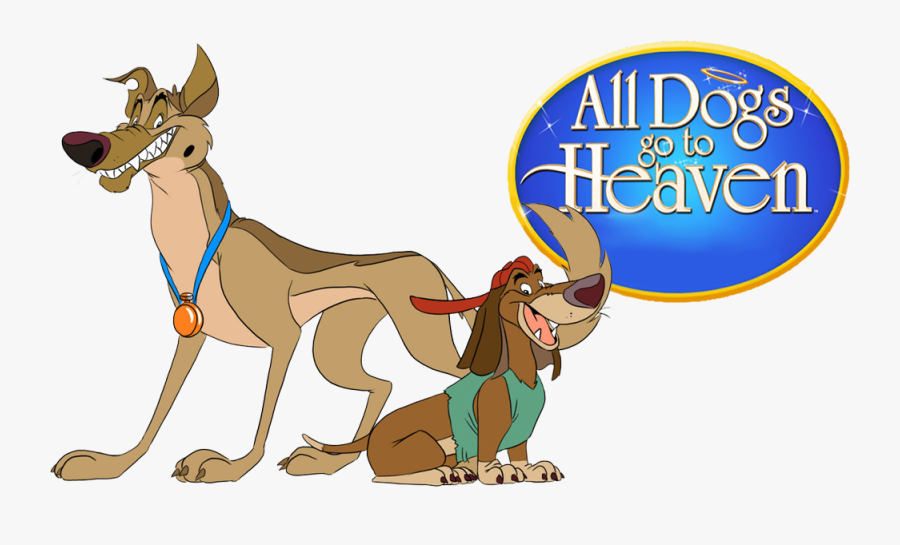
The iconic "pink dog" in the 1989 animated classic All Dogs Go to Heaven is a character named Killer. Despite his intimidating name, he is a small, neurotic, and highly stylized Schnauzer who serves as the bumbling sidekick to the film’s primary antagonist, the villainous gambler Carface Carruthers.
For decades, fans of Don Bluth’s animation have been captivated by the vivid, neon-adjacent color palette of the late 80s, and no character embodies this more than the magenta-hued henchman with the oversized spectacles. Killer is not just a background extra; he is a pivotal element of the film's comedic relief and a fascinating case study in character design and voice acting. As of 2026, looking back at the nearly four-decade legacy of the franchise, Killer remains one of the most recognizable figures in the Bluth library.
Who is the Pink Dog? An In-Depth Profile of Killer
Killer is introduced as the nervous, high-strung technical expert and general lackey for Carface Carruthers. While the film is populated with various breeds—from the German Shepherd protagonist Charlie B. Barkin to the Dachshund Itchy Itchiford—Killer stands out due to his impossible coloration and frantic energy.
Physical Characteristics and Design
Killer is a miniature Schnauzer, though his design is a far cry from the breed’s standard appearance in the real world. In the hands of Don Bluth and his animation team, Killer was transformed into a caricature defined by:
- Vibrant Pink Fur: His coat is a bright magenta or hot pink, a choice that contrasts sharply with the muddy, dark, and gritty tones of the New Orleans underworld depicted in the film.
- Oversized Glasses: He wears thick, round spectacles that frequently slip down his snout, emphasizing his vulnerability and "nerdy" archetype.
- Skinny Frame: Compared to the barrel-chested Carface, Killer is spindly and fragile, visually representing the power dynamic between the two.
The choice of pink was likely an artistic decision to make the character pop against the dark backgrounds. During the production in the late 1980s, the animation studio was known for using bold, non-literal colors to evoke emotion rather than realism. Killer’s color suggests he is less "dog-like" and more of a "cartoonish" invention, making his frantic antics feel more at home in a dark musical fantasy.
Personality and Temperament
Killer is defined by his chronic anxiety. He is a "yes-dog," living in constant fear of Carface's temper. Unlike his boss, who is driven by greed and malice, Killer’s motivations are primarily rooted in self-preservation. He handles the technical aspects of Carface’s operations, from operating the "death ray" to managing the betting slips. His voice—provided by the legendary Charles Nelson Reilly—is high-pitched, stuttering, and filled with a frantic musicality that makes even his villainous deeds seem more like the mistakes of a confused child.
The Voice Behind the Pink Dog: Charles Nelson Reilly
It is impossible to discuss Killer without acknowledging the performance of Charles Nelson Reilly. A titan of the American stage and a frequent guest on mid-century game shows like Match Game, Reilly brought a unique, idiosyncratic energy to the role.
In the late 1980s, Don Bluth often encouraged his voice actors to ad-lib and interact during recording sessions. The chemistry between Charles Nelson Reilly and Vic Tayback (who voiced Carface) was palpable. Reilly’s ability to transition from a nervous squeak to a full-blown frantic scream gave Killer a three-dimensional personality that could have easily been a flat, one-note henchman.
Reilly's performance was so successful that he returned to voice the character in the 1996 sequel, All Dogs Go to Heaven 2, the television series (1996–1999), and the direct-to-video holiday special, An All Dogs Christmas Carol (1998). Even as the animation style shifted and the franchise's tone became lighter for television audiences, Reilly’s voice remained the anchor for the character’s identity.
Analyzing Killer’s Role in the Franchise
Killer’s arc is one of the more interesting "villain" trajectories in animated history. While he participates in kidnapping the orphan girl Anne-Marie and helping Carface cheat the other dogs, he is rarely seen as truly evil.
The Dynamics of Fear and Loyalty
Killer’s relationship with Carface is built on a foundation of abuse. Carface frequently threatens Killer with physical violence, often calling him names or throwing him across the room. This dynamic creates a sense of sympathy for the "pink dog" among the audience. By the end of the first film, when Carface meets his watery demise (temporarily, before his return from the afterlife), Killer is left as a survivor who essentially retreats from his life of crime.
Evolution in the Television Series
In the All Dogs Go to Heaven TV series, Killer's role shifted significantly. He became more of a "neutral" character or a bumbling nuisance rather than a threat. The series explored more of his background and allowed him to interact with Charlie and Itchy in ways that weren't strictly antagonistic. This transition solidified his status as a fan-favorite character, often more beloved than the actual villains he served.
Animation Style and the "Bluth Aesthetic"
Don Bluth, a former Disney animator who left to start his own studio, was known for a style that was more detailed, dark, and "sketchy" than the clean lines of the Disney Renaissance. Killer is a prime example of the Bluth aesthetic.
The animation in All Dogs Go to Heaven utilizes a lot of "stretch and squash" principles, and Killer is the most elastic character in the cast. When he is scared, his eyes bulge, his glasses fly off his face, and his entire body contorts. This high-energy animation was labor-intensive, requiring more frames than standard television animation of the era, which is why the original 1989 film still looks remarkably fluid in 2026.
| Feature | Description in 1989 Film | Evolution in TV Series (1996-1999) |
|---|---|---|
| Color | Intense Magenta/Hot Pink | Slightly muted Pink/Lavender |
| Role | Direct Henchman/Technician | Bumbling Comedic Sidekick |
| Voice | Charles Nelson Reilly (Iconic) | Charles Nelson Reilly (Consistent) |
| Personality | Truly terrified of Carface | More annoyed/frustrated by Carface |
| Key Accessory | Thick-rimmed glasses | Glasses (design simplified) |
Why "All Dogs Go to Heaven Pink Dog" is a Popular Search
The reason many people search for "the pink dog" rather than "Killer" is a testament to the character's visual impact. In the world of animation, color is a powerful mnemonic device. Just as people might search for "the blue genie" from Aladdin or "the orange cat" from Garfield, the "pink dog" is a visual shorthand for a character that made a lasting impression on a generation of children.
The search often arises from:
- Nostalgia: Adults who grew up in the late 80s and early 90s remembering the striking visual of a pink dog but forgetting his name.
- Character Identification: New viewers or parents watching the film with their children in 2026 wanting to know what breed he is.
- Meme Culture: Killer’s exaggerated expressions have made him a frequent subject of reaction GIFs and internet memes.
The Significance of the Schnauzer Breed Choice
Identifying Killer as a Schnauzer adds a layer of irony to his character. Standard Schnauzers are historically known as "guard dogs" or "ratters"—brave, alert, and spirited dogs. By making Killer a Schnauzer who is a coward and a subservient henchman, Bluth subverted the breed's typical characteristics for comedic effect.
Furthermore, the "mustache" and "eyebrows" that are characteristic of Schnauzers were used by the animators to enhance Killer's facial expressions. His "mustache" (the fur around his snout) often wiggles when he is nervous, and his "eyebrows" (the tufts of fur above his glasses) are used to convey deep worry or surprise.
The Cultural Impact of Killer
While Charlie B. Barkin and Anne-Marie are the emotional heart of the story, Killer represents the chaotic, creative energy that defined independent animation in the 1980s. At a time when Disney was moving toward a very specific "princess" formula, Don Bluth was creating gritty, atmospheric films with bizarre, colorful characters like Killer.
Killer also serves as a bridge between the era of classic character acting and modern voice-over. Charles Nelson Reilly’s performance paved the way for other character actors to bring their specific, often "eccentric" personalities into the world of animation, rather than just doing a "funny voice."
Frequently Asked Questions
What kind of dog is Killer?
Killer is officially a miniature Schnauzer. While his pink fur and exaggerated features are not realistic, his facial structure—specifically the prominent snout fur and ear shape—is modeled after the Schnauzer breed.
Why is the dog in All Dogs Go to Heaven pink?
The pink color was an artistic choice by Don Bluth and his team. In the late 1980s, animation often used non-naturalistic colors to make characters stand out and to reflect the "neon" aesthetic of the decade. It also emphasizes Killer’s role as a cartoonish, non-threatening comedic foil.
Is Killer a villain or a hero?
Killer is technically a secondary antagonist (a villain). He assists Carface in several crimes. However, he is portrayed as a victim of Carface's bullying, and by the end of the franchise's run, he is seen as a more sympathetic, bumbling character rather than a malicious one.
Does Killer die in the movie?
No, Killer does not die in the 1989 film. While Carface is dragged to the afterlife (and later returns), Killer survives the destruction of the casino and the final confrontation, allowing him to return in the sequels and the television series.
Who voiced the pink dog?
Killer was voiced by Charles Nelson Reilly across almost all media, including the original film, the sequel, and the TV show. His unique, high-pitched voice became the character's defining trait.
Final Thoughts and Recommendations
If you are looking to revisit the story of the "pink dog," the best place to start is the original 1989 film, All Dogs Go to Heaven. While the franchise expanded into sequels and a television series, the character of Killer is at his most visually and narratively interesting in the original Don Bluth production.
For those interested in the technical side of animation, pay close attention to how Killer moves. He is a masterclass in using "nervous energy" to drive a character's physicality. Whether you call him the "pink dog" or "Killer," he remains a vivid reminder of a time when animation was bold, experimental, and unafraid to be a little bit weird.