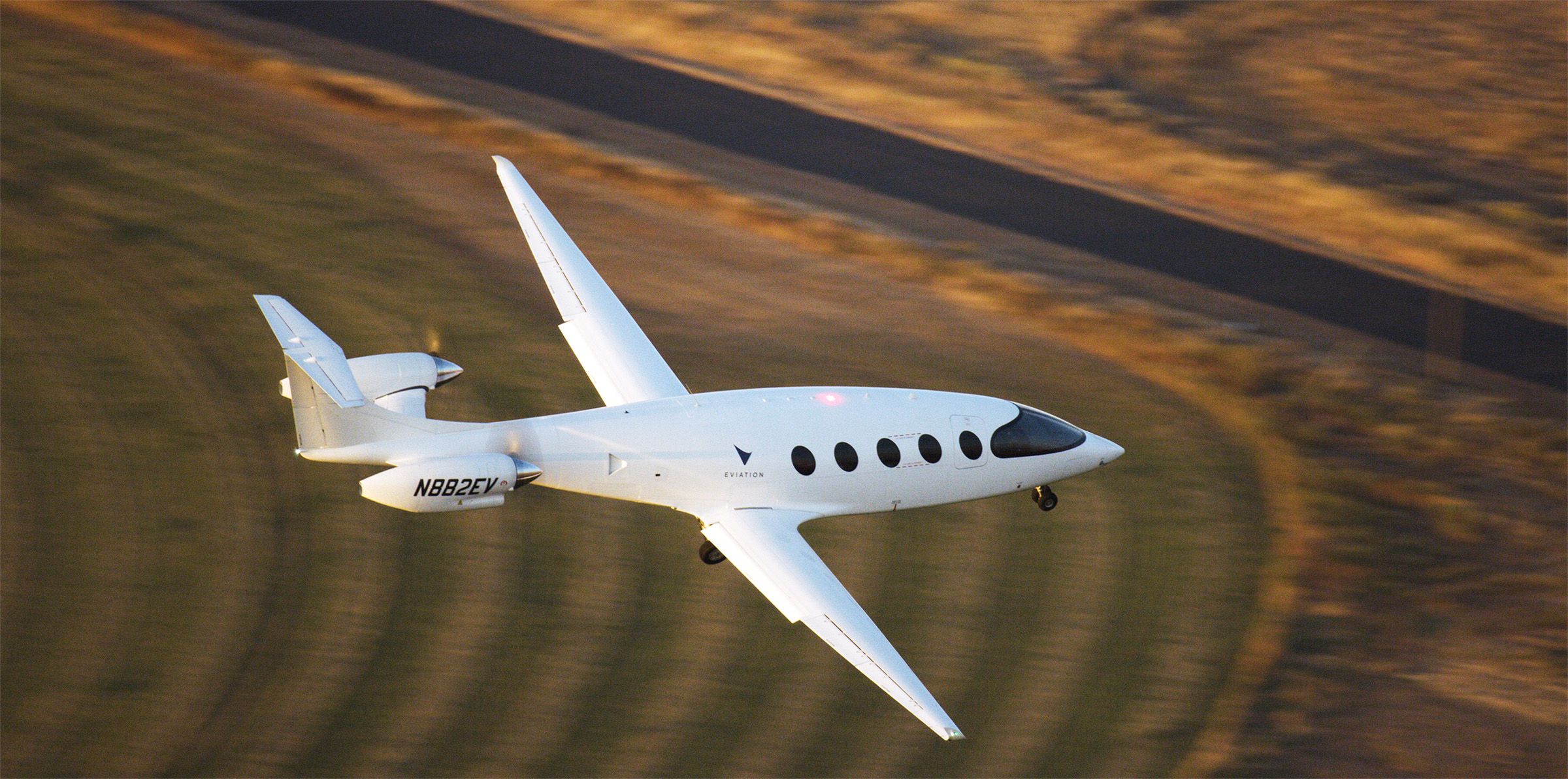
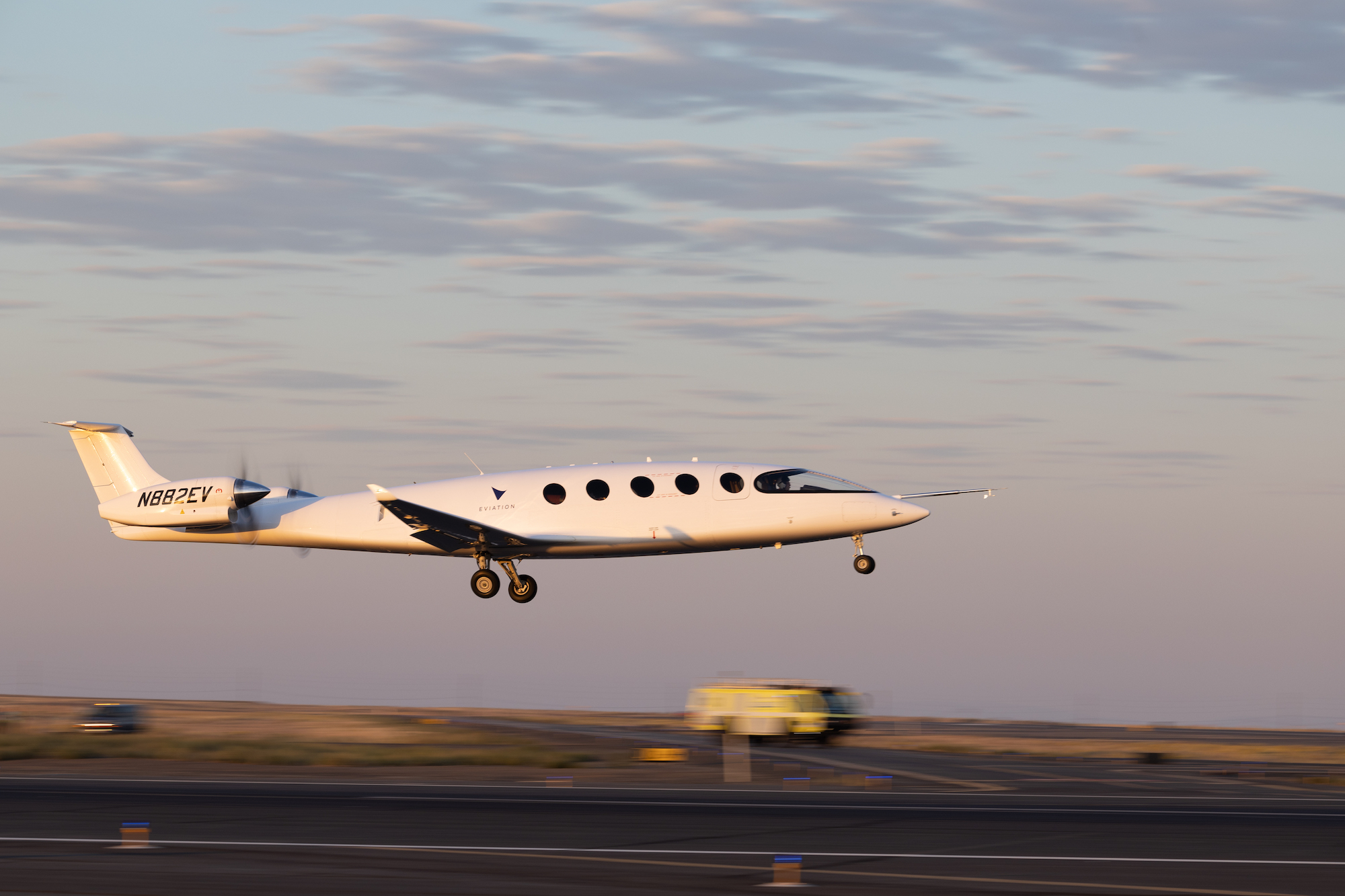
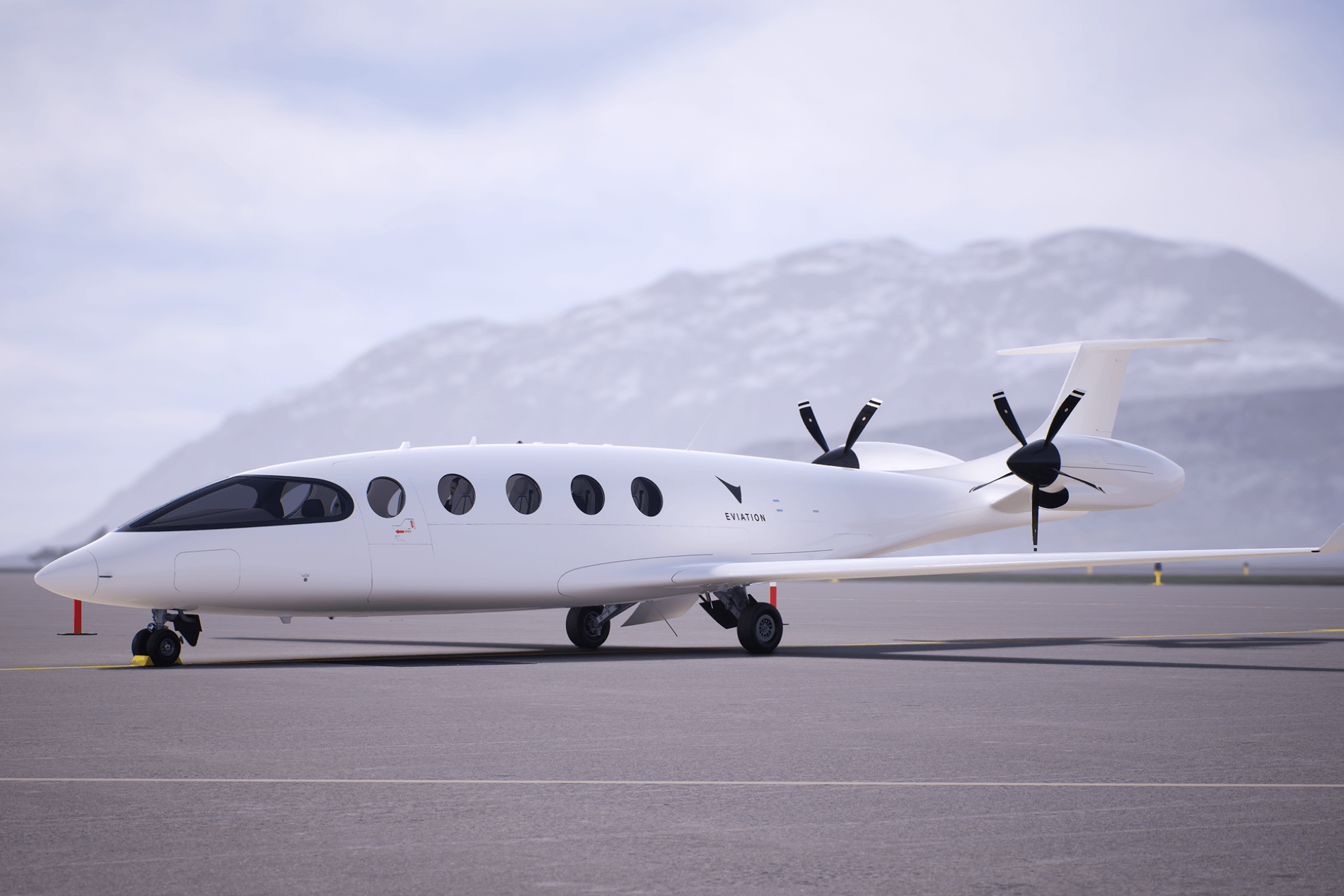
The Eviation Alice represents the world’s first fully electric commuter aircraft, currently spearheading a transformation in regional air travel through its integration into the Detroit innovation ecosystem. By 2026, Alice has transitioned from a flight-testing prototype into a central figure in Michigan’s "Advanced Air Mobility" (AAM) strategy, leveraging the region's automotive supply chain and battery expertise.
The Evolution of the Eviation Alice: Status and Specifications in 2026
As of 2026, the Eviation Alice has moved significantly beyond its historic first flight, which took place in September 2022 at Grant County International Airport in Washington. In the current landscape, the aircraft is deep into its Federal Aviation Administration (FAA) Part 23 certification process. This stage is critical for the aircraft’s entry into commercial service, as it involves rigorous testing of the airframe’s durability, the reliability of its electric propulsion systems, and the safety of its high-density battery packs.
The Alice is designed to serve the "middle-mile" market—short-haul flights ranging from 150 to 440 nautical miles. While the initial prototype targets were ambitious, the 2026 production-ready version focuses on a balanced range of approximately 250 nautical miles, optimized for regional hops between cities like Detroit, Chicago, and Indianapolis.
Technical Architecture and Propulsion
The heart of the Alice is its twin magni650 electric propulsion units, developed by magniX. These motors are celebrated for their high power-to-weight ratio and redundant design, which significantly reduces the risk of total power loss compared to traditional internal combustion engines. Unlike turboprop engines, which have hundreds of moving parts subject to friction and heat degradation, the electric motors in the Alice have only a handful of moving components. This simplicity translates to a projected 40% to 70% reduction in maintenance and operating costs per flight hour.
The airframe itself is a marvel of composite engineering. To maximize the efficiency of an electric battery—which has a lower energy density than jet fuel—the aircraft must be incredibly light and aerodynamic. The Alice utilizes a clean-sheet design, meaning it was built from the ground up for electric power rather than being a converted traditional airframe. Its distinctive T-tail and sleek, wide fuselage provide high lift-to-drag ratios, essential for maintaining cruise speeds of 260 knots (approximately 300 mph).
Why Detroit? The Synergy of Automotive and Aerospace Innovation
The connection between the Alice electric plane and Detroit is not accidental. By 2026, Detroit has successfully rebranded itself from the "Motor City" to the "Global Hub of Mobility." This shift has created a unique environment where the aerospace and automotive industries converge, particularly in the realm of electrification.
Leveraging the Automotive Supply Chain
The primary challenge for electric aviation remains battery technology. Detroit’s massive investment in electric vehicle (EV) battery plants—driven by giants like Ford and General Motors—has created a localized expertise in cell chemistry and thermal management. For Eviation, the Detroit innovation corridor provides access to a specialized workforce that understands how to manage large-scale lithium-ion battery arrays.
In 2026, the collaboration between aerospace startups and Detroit-based Tier 1 suppliers is focused on three main areas:
- Thermal Management Systems: Keeping batteries cool during the high-power demand of takeoff and warm enough during high-altitude cruise is a challenge Detroit engineers have solved for long-range EVs.
- Lightweight Materials: The transition to carbon fiber and advanced alloys in high-end automotive manufacturing has direct applications in reducing the Alice’s empty weight.
- Advanced Manufacturing: Detroit’s proficiency in high-volume, high-precision assembly is being utilized to move Alice from low-rate initial production to scaled manufacturing.
The Michigan Central Innovation District
A significant portion of the innovation surrounding electric flight in the region occurs within the Michigan Central district in Corktown, Detroit. This area serves as an open-platform testbed for mobility solutions. While the Alice does not take off from downtown streets, the software powering its autonomous flight-assistance systems and its ground-based charging infrastructure is being refined in these Detroit labs. The focus here is on "intermodal connectivity"—ensuring that a passenger landing in an Alice electric plane at a regional airport can seamlessly transition to an autonomous shuttle or electric rideshare service.
Advanced Air Mobility (AAM) and Regional Impact
In 2026, Michigan has established itself as a leader in Advanced Air Mobility. The state’s "AAM Strategy" integrates electric aircraft like the Alice into the broader transportation grid. For the Detroit region, this means utilizing secondary airports—such as Coleman A. Young International (DET) or Willow Run (YIP)—as hubs for zero-emission regional travel.
Environmental and Acoustic Benefits
The Alice is approximately 30 decibels quieter than a comparable turboprop aircraft. In a city like Detroit, where airports are often nestled near residential or commercial zones, this noise reduction is a game-changer. It allows for more frequent flight operations without violating local noise ordinances, potentially enabling late-night or early-morning cargo deliveries that were previously restricted.
From a carbon perspective, the Alice is a "zero-exhaust" aircraft. When charged using Michigan’s increasingly green power grid—which has seen a significant uptick in wind and solar contributions by 2026—the carbon footprint of a regional flight from Detroit to Traverse City is reduced by nearly 90% compared to a traditional fossil-fuel-powered plane.
Comparison: Eviation Alice vs. Industry Standards (2026 Data)
To understand the competitive landscape, it is helpful to compare the Eviation Alice with traditional regional aircraft and other emerging electric competitors.
| Feature | Eviation Alice (Commuter) | Beechcraft King Air 260 | Heart Aerospace ES-30 |
|---|---|---|---|
| Power Source | 100% Electric (Battery) | Jet-A (Turboprop) | Hybrid-Electric |
| Passenger Capacity | 9 Passengers | 7-9 Passengers | 30 Passengers |
| Max Range | ~250 nm (Current Battery Tech) | 1,720 nm | 110 nm (Electric) / 430 nm (Hybrid) |
| Cruise Speed | 260 Knots | 310 Knots | 215 Knots |
| Operational Cost | $200 - $400 per hour | $1,200 - $1,800 per hour | $600 - $900 per hour |
| Noise Profile | Extremely Low (<70 dB) | Moderate (85-95 dB) | Low (75-80 dB) |
Note: Operational costs are estimates based on 2026 energy prices and maintenance schedules for electric vs. internal combustion systems.
Challenges Facing Electric Aviation in Detroit
Despite the significant momentum in 2026, the "Alice in Detroit" initiative faces several hurdles that require ongoing innovation and policy support.
Grid Infrastructure and Fast Charging
An electric aircraft requires a massive amount of power to recharge quickly enough for high-utilization commercial service. A single Alice recharging its batteries is equivalent to several dozen electric cars charging simultaneously. Detroit’s regional airports must upgrade their electrical substations and install specialized megawatt-level charging stations. The innovation here involves stationary battery storage systems—often using "second-life" EV batteries—to buffer the grid from these massive power draws.
Certification and Regulatory Hurdles
The FAA’s certification process for electric aircraft is rigorous. In 2026, Eviation continues to work through "Special Conditions" for its battery systems, particularly regarding thermal runaway prevention. While Detroit’s automotive safety standards are world-class, the aerospace industry requires a much higher "margin of safety," where failure is not an option. Bridging these two engineering cultures is an ongoing task for the innovation teams in Michigan.
Payload vs. Range Constraints
The "energy density" of batteries remains the primary bottleneck. While jet fuel is incredibly energy-dense, batteries are heavy. In 2026, the Alice is a 9-passenger aircraft. To scale up to larger planes that could replace regional jets, Detroit’s material science labs are frantically working on solid-state batteries or silicon-anode technologies that could double the energy capacity without increasing weight.
The Human Element: Talent and Workforce Development
Detroit's contribution to the Alice project is perhaps most visible in its human capital. The University of Michigan and Wayne State University have introduced specialized curricula in "Electric Propulsion Systems" and "Aerospace Structures." This creates a pipeline of engineers who are bilingual in both automotive and aerospace languages.
Furthermore, the "Detroit Regional Aerotropolis"—a development corporation focused on the area between Detroit Metropolitan Airport (DTW) and Willow Run—is actively recruiting aerospace startups. By offering tax incentives for companies that relocate R&D facilities to Michigan, the state is ensuring that the technical breakthroughs required for the Alice are born in the Detroit region.
Future Outlook: Beyond 2026
The trajectory for the Eviation Alice indicates that the late 2020s will see the first widespread commercial routes. Industry analysts in Detroit predict that by 2028, a "Golden Triangle" of electric flight could exist between Detroit, Cleveland, and Chicago. These routes are long enough to be tedious by car but short enough that a traditional jet is inefficient.
The innovation occurring now in Detroit is not just about building a single plane; it is about building the entire ecosystem—the motors, the batteries, the charging ports, and the regulatory framework—that will allow electric aviation to become a standard mode of transport for the next generation.
Frequently Asked Questions
Is the Eviation Alice already flying passengers in 2026?
As of 2026, the Alice is primarily in the advanced flight-testing and certification phase. While several regional airlines (such as Cape Air and GlobalX) have placed firm orders, scheduled commercial passenger service is expected to begin shortly after final FAA certification, projected for late 2027 or early 2028.
How does Detroit specifically contribute to the Alice’s technology?
Detroit contributes primarily through its advanced battery manufacturing and power electronics expertise. Local suppliers who previously worked on high-performance electric vehicles are now designing the thermal management systems and high-torque electric motors that the Alice requires for safe and efficient flight.
Can the Alice fly in cold climates like Michigan winters?
Yes. One of the key areas of innovation in the Detroit-based testing labs is battery performance in extreme cold. By using advanced thermal insulation and pre-conditioning systems (similar to those used in Detroit-made EVs), the Alice can maintain its range and safety margins even in sub-zero Michigan temperatures.
What is the cost of a ticket on an electric plane?
While ticket prices will be set by the airlines, the Alice’s significantly lower operating costs—up to 70% lower than traditional planes—suggest that regional flights could eventually be priced competitively with bus or train travel, potentially offering "commuter" pricing for 200-mile trips.
Is the plane autonomous, or does it have a pilot?
The Eviation Alice is designed to be flown by a single pilot, although it is equipped with highly advanced flight-assistance software. This "reduced crew" capability is made possible by the simplified controls of an electric propulsion system, which requires far less monitoring than a traditional fuel system.
Practical Next Steps for Stakeholders
For local business leaders and policy makers in the Detroit area, the immediate priority is infrastructure readiness. This includes the installation of high-capacity electrical charging at regional airports and the continued support of the Michigan Central innovation district. For investors and students, the focus should remain on the intersection of power electronics and lightweight composite manufacturing, as these are the two pillars upon which the future of the Eviation Alice and the broader electric aviation industry rest.