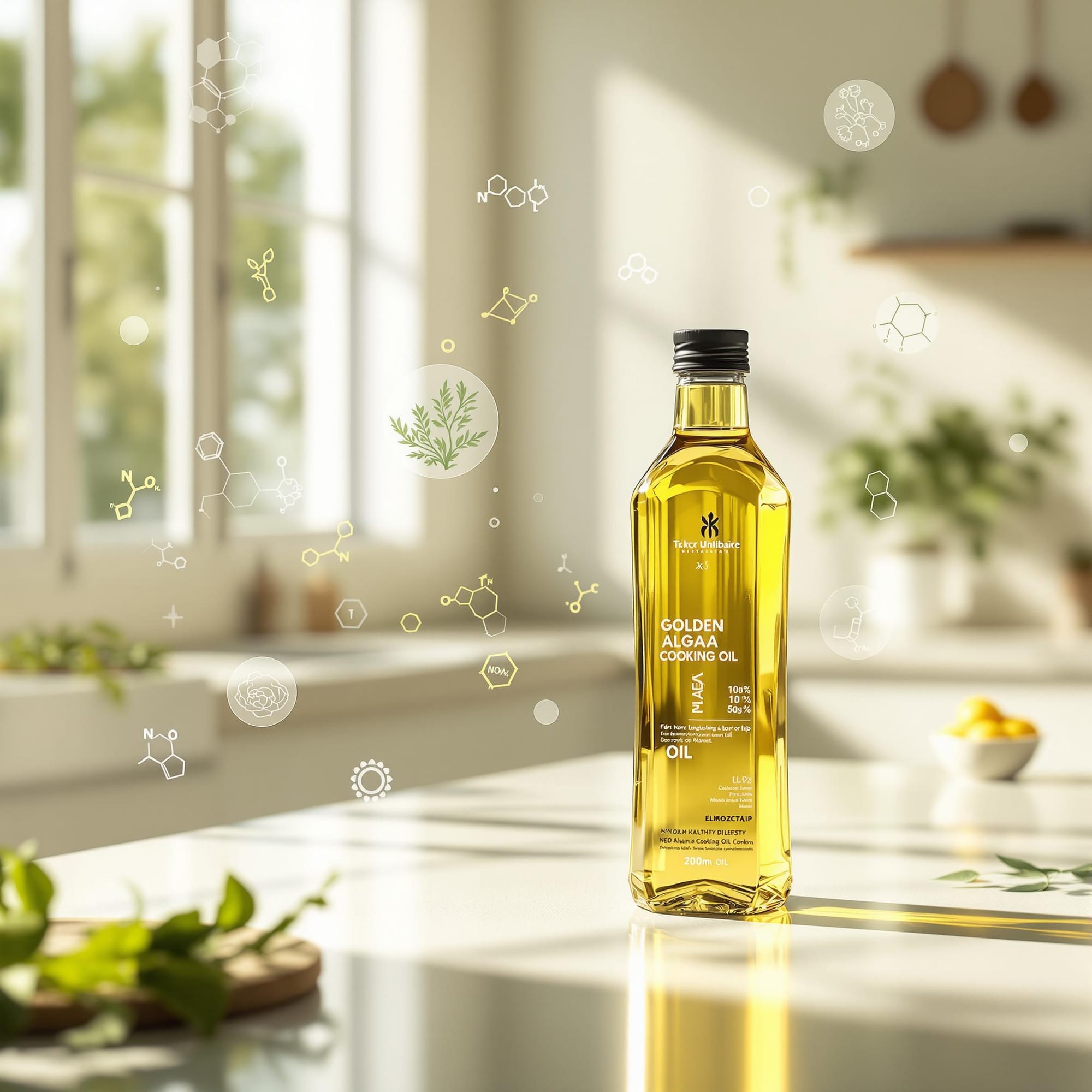
Algae cooking oil is highly beneficial for high-heat cooking and heart-healthy diets due to its exceptionally high monounsaturated fat content and neutral flavor profile. While it excels in stability and sustainability, its specific health benefits are most pronounced when used as a replacement for saturated fats or in high-temperature applications where other oils oxidize.
Understanding Algae Cooking Oil: A 2026 Perspective
As of 2026, algae oil has transitioned from a niche health food curiosity to a staple in many kitchens focused on precision nutrition and environmental sustainability. Unlike traditional vegetable oils derived from seeds or fruits, algae oil is produced through the controlled fermentation of specific microalgae strains. This process typically involves feeding sugar to algae in large, stainless steel tanks, where they convert the carbohydrates into high-quality fats.
The primary appeal of this oil lies in its molecular structure. Most culinary algae oils are engineered—through natural selection of strains rather than genetic modification in many cases—to be extraordinarily high in monounsaturated fats (MUFAs). This distinguishes it from "algal oil" supplements, which are often concentrated sources of DHA and EPA omega-3 fatty acids. While cooking-grade algae oil contains some omega-3s, its chief utility is as a stable, neutral-tasting cooking medium.
The "specific uses" referred to in health discussions usually center on two factors: the oil's high smoke point and its ability to act as a direct substitute for less stable fats like butter or traditional "vegetable" (soy/corn) oil blends. Understanding when and why to reach for algae oil requires a look at its unique chemical composition.
The Nutritional Profile: Why It Is Considered "Healthy"
To evaluate the health claims of algae oil, one must look at the lipid profile. Most premium algae cooking oils contain approximately 90% monounsaturated fat. For comparison, extra virgin olive oil (EVOO) typically contains between 70% and 75% MUFAs.
High Monounsaturated Fat Content
Monounsaturated fats, specifically oleic acid, are widely recognized by organizations like the American Heart Association for their role in supporting cardiovascular health. When used to replace saturated fats (found in butter, lard, and palm oil) or trans fats, MUFAs can help lower LDL (bad) cholesterol levels while maintaining or even increasing HDL (good) cholesterol. Because algae oil is one of the most concentrated sources of MUFAs available in the modern food supply, it is a powerful tool for those managing lipid profiles.
Low Saturated and Polyunsaturated Fat
Algae oil is remarkably low in saturated fat, often containing less than 4% per serving. Furthermore, it is relatively low in polyunsaturated fats (PUFAs). While PUFAs are essential, high levels of certain PUFAs (like Omega-6) in the presence of high heat can lead to the formation of polar compounds and oxidative stress. By keeping PUFA levels low, algae oil remains more stable during storage and cooking.
Absence of Common Allergens and Contaminants
Because it is grown in controlled fermentation tanks rather than open fields, algae oil is free from the pesticide residues often found in large-scale soy or canola operations. It is also naturally free from gluten, soy, and nuts, making it a safe choice for households with complex allergy requirements.
The Role of the Smoke Point in Kitchen Safety
The healthiness of a cooking oil is not determined solely by its nutrients in the bottle, but by how those nutrients behave when exposed to heat. The smoke point is the temperature at which an oil begins to break down, producing visible smoke and toxic fumes (such as acrolein) and forming harmful free radicals.
Algae oil possesses one of the highest smoke points of any plant-based oil, typically around 485°F (250°C). This is significantly higher than extra virgin olive oil (approx. 375°F) and even exceeds avocado oil in some refined forms.
Why This Matters for Your Health
When you sear a steak or roast vegetables at high temperatures, using an oil with a low smoke point can lead to "thermal degradation." This process changes the chemical structure of the oil, creating inflammatory compounds. Because algae oil can withstand high heat without breaking its molecular bonds, it remains chemically stable during stir-frying, searing, and high-heat roasting. This stability ensures that the "healthy" fats you started with don't turn into unhealthy, oxidized byproducts before they reach your plate.
Comparing Algae Oil to Traditional Cooking Fats
To help decide when algae oil is the superior choice, the following table compares its properties with other common culinary fats.
| Oil Type | Smoke Point | Monounsaturated Fat % | Saturated Fat % | Primary Flavor Profile |
|---|---|---|---|---|
| Algae Oil | 485°F (250°C) | ~90% | ~4% | Neutral / None |
| Avocado Oil | 520°F (270°C) | ~70% | ~12% | Mild / Nutty |
| Extra Virgin Olive Oil | 375°F (190°C) | ~73% | ~14% | Strong / Peppery |
| Canola Oil | 400°F (204°C) | ~63% | ~7% | Neutral |
| Butter | 350°F (177°C) | ~26% | ~68% | Rich / Creamy |
| Coconut Oil | 350°F (177°C) | ~6% | ~82% | Sweet / Tropical |
Note: Percentages are averages and may vary by brand and processing method.
Optimal Uses: When Algae Oil Is the Best Choice
While algae oil is versatile, its high cost compared to bulk vegetable oils means it is often used strategically. Here are the specific use cases where its health and culinary benefits are most apparent.
1. High-Heat Searing and Wok Cooking
Because of its 485°F smoke point, algae oil is ideal for techniques that require intense heat. When cooking in a wok or searing proteins, the oil stays clear and fluid, preventing the "burnt" taste associated with degraded fats. This protects the flavor of the food and the health of the cook.
2. Baking and Delicate Pastries
In baking, the flavor of the fat can often overpower the final product. Butter is traditional, but for those seeking a vegan or heart-healthy alternative, algae oil's neutral profile is a significant advantage over olive or coconut oil. It allows the flavors of vanilla, citrus, or chocolate to shine through without adding an "oily" or "vegetal" aftertaste.
3. Homemade Emulsions (Mayonnaise and Dressings)
Making mayonnaise at home with extra virgin olive oil can sometimes result in a bitter finish due to the polyphenols reacting with the high-speed blades of a blender. Algae oil is perfect for emulsions; it creates a creamy, stable texture with a completely clean flavor profile, making it a healthier base for aiolis and herb-heavy dressings.
4. Air Frying
Air fryers use high-speed hot air to crisp food, often reaching temperatures between 400°F and 450°F. Many people mistakenly use aerosol sprays or oils with lower smoke points, which can leave a gummy, oxidized residue on the food and the appliance. Algae oil's stability makes it one of the safest choices for air fryer applications.
Sustainability and Environmental Impact
In 2026, the health of the planet is increasingly linked to the health of the individual. Algae oil is widely considered the most sustainable cooking oil on the market for several reasons:
- Land Efficiency: Algae can be grown in vertical tanks on non-arable land, meaning it does not compete with food crops or contribute to deforestation (a major issue with palm and soybean oil).
- Water Conservation: The closed-loop fermentation systems used to produce algae oil require significantly less water per gallon of oil produced than olives, nuts, or seeds.
- Carbon Footprint: Microalgae are incredibly efficient at capturing CO2. Even the industrial fermentation process has a lower carbon footprint than the heavy machinery and international shipping logistics required for many traditional oils.
By choosing algae oil, consumers are often supporting a food system that reduces the environmental stressors linked to global health issues.
Limitations and Potential Drawbacks
Despite its benefits, algae oil is not a "magic bullet" and has specific limitations that consumers should be aware of.
Lack of Flavor Diversity
If you are making a traditional Mediterranean salad, algae oil will not provide the rich, peppery, or grassy notes that a high-quality extra virgin olive oil offers. In dishes where the oil is meant to be a seasoning, algae oil can feel "flat." It is a functional fat, not a flavoring fat.
Cost and Availability
In 2026, while more available than in previous years, algae oil remains more expensive than canola or sunflower oil. For deep-frying large quantities of food, the cost may be prohibitive for the average household.
Processing Questions
While the fermentation process is generally clean, it is still a "processed" food in the sense that it is created in a lab-like environment rather than being pressed directly from a fruit. For "whole-food" purists, this industrial origin may be a deterrent, although the resulting chemical profile is objectively clean.
Nutrient Density vs. Olive Oil
While algae oil has more MUFAs, extra virgin olive oil contains specific antioxidants called polyphenols (such as oleocanthal) which have unique anti-inflammatory properties. Algae oil, being a refined product of fermentation, does not typically contain these specific plant-based phytonutrients unless they are added back in after processing.
FAQs About Algae Cooking Oil
Is algae oil better for you than olive oil?
It depends on the use. For high-heat cooking (over 375°F), algae oil is safer because it won't oxidize. For cold uses like salad dressings, extra virgin olive oil is often superior due to its high antioxidant (polyphenol) content and flavor.
Does algae oil taste like seaweed?
No. Culinary algae oil produced through fermentation has a completely neutral flavor, similar to highly refined grapeseed or canola oil. It does not have any "fishy" or "ocean-like" taste because it is derived from different strains than the algae used for omega-3 supplements.
Can I use algae oil for deep frying?
Yes, it is technically excellent for deep frying due to its stability and high smoke point. However, because of its premium price point, it is more commonly used for sautéing, searing, or baking rather than submerging large quantities of food.
Is algae oil genetically modified (GMO)?
Most leading brands of algae oil are non-GMO. They use specific strains of microalgae that naturally produce high levels of oil, which are then optimized through traditional selection and fermentation techniques. Always check the label for "Non-GMO Project Verified" status if this is a concern.
How should I store algae oil to keep it healthy?
Like all fats, algae oil can eventually go rancid if exposed to light, heat, and oxygen. Store it in a cool, dark cupboard. Because it is low in polyunsaturated fats, it actually has a longer shelf life than many other vegetable oils, but it should still be used within 6-12 months of opening.
Final Recommendation: How to Integrate Algae Oil
If you are looking to optimize your kitchen for health in 2026, treat algae oil as your primary high-heat workhorse. Use it for any application involving a stove, oven, or air fryer where temperatures exceed 350°F. This preserves the integrity of your food and prevents the ingestion of oxidized fats.
For the best nutritional balance, keep a bottle of Extra Virgin Olive Oil for cold applications (dressings, finishing drizzles) to get your antioxidants, and use Algae Oil for the heavy lifting of cooking. This dual-oil strategy maximizes both the heart-healthy benefits of monounsaturated fats and the protective benefits of stable, high-smoke-point cooking.