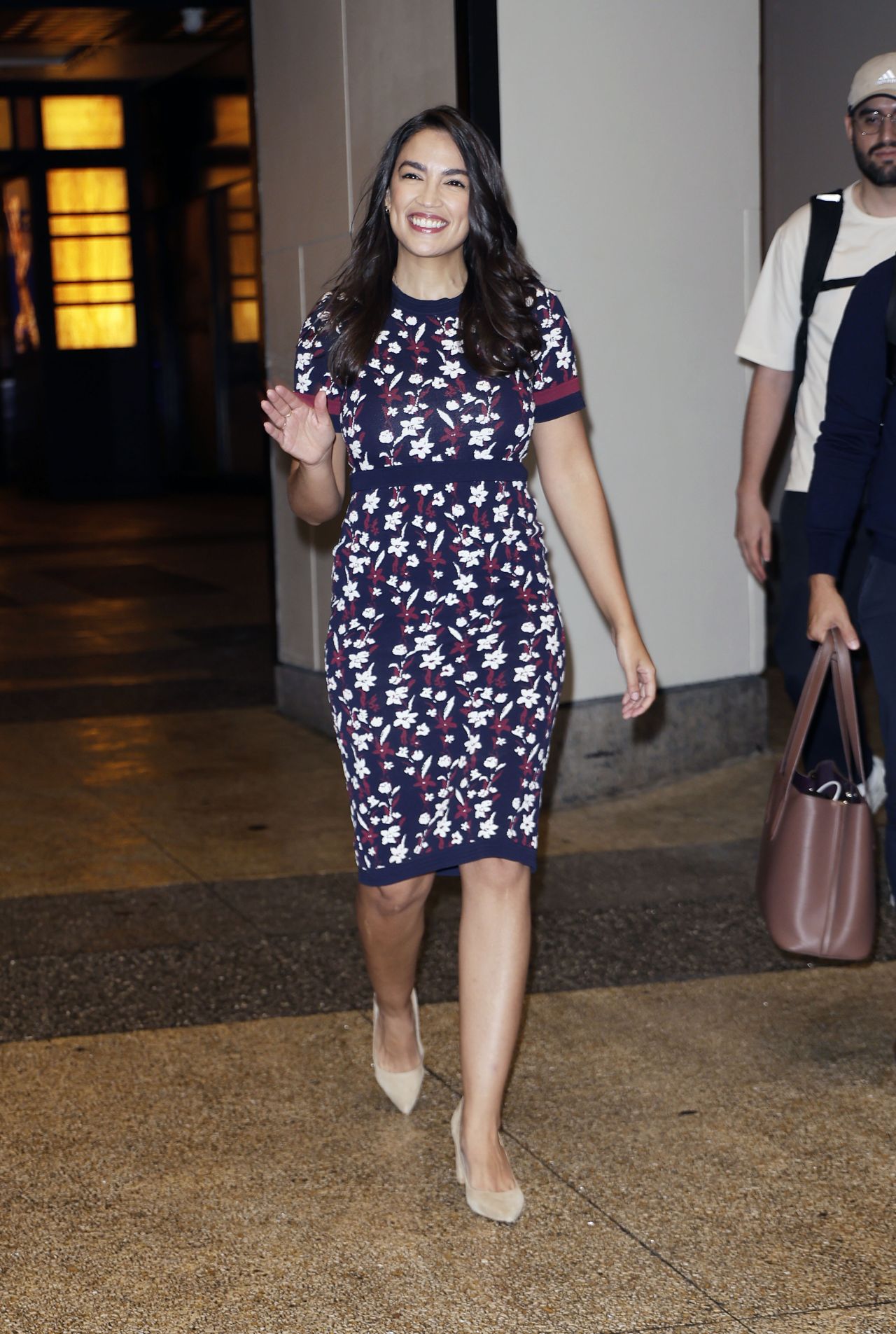
New York's 14th Congressional District, currently represented by Alexandria Ocasio-Cortez, is a diverse urban constituency spanning portions of the Bronx and Queens. As of 2026, it remains a focal point of American progressive politics, characterized by a unique mix of working-class neighborhoods, immigrant communities, and rapidly changing industrial waterfronts.
Geographic Boundaries and Neighborhood Composition
New York’s 14th Congressional District (NY-14) is an geographically non-contiguous district that bridges the East River, linking the northeastern section of the Bronx with the northwestern section of Queens. This layout makes it one of the most culturally and economically vibrant areas in the United States, though it also presents unique logistical challenges for constituent services.
The Queens Neighborhoods
In the borough of Queens, the district encompasses a dense corridor of neighborhoods known for their linguistic and ethnic diversity. Astoria, located in the western portion of the district, has historically been a hub for Greek and Egyptian communities but has increasingly become a center for young professionals and the arts. Further east, the district includes East Elmhurst and Jackson Heights, areas renowned for having one of the highest concentrations of languages spoken anywhere in the world.
Woodside and Sunnyside (partially) also fall within or border the district's influence, providing a mix of residential apartments and bustling commercial strips. These areas are characterized by "pre-war" architecture and a heavy reliance on the 7-train subway line, often referred to as the "International Express." The Queens portion of the district also houses LaGuardia Airport, a major economic driver and source of infrastructure debate regarding noise pollution and transit access.
The Bronx Neighborhoods
Crossing into the Bronx, NY-14 covers a broad swath of the eastern and central parts of the borough. This includes Parkchester, a planned community known for its distinct terracotta-adorned buildings and middle-class residential feel. To the east, the district extends to Pelham Bay and Country Club, which offer a more suburban-style atmosphere with detached single-family homes and proximity to Pelham Bay Park—the largest public park in New York City.
The district also includes City Island, a small, nautical-themed community that feels more like a New England fishing village than a part of the Bronx. Other notable areas include Morris Park, historically an Italian-American enclave that is becoming increasingly diverse, and Throggs Neck, which sits at the base of the Throggs Neck Bridge. The inclusion of these neighborhoods ensures that the representative of NY-14 must balance the needs of high-density urban renters with those of coastal and suburban homeowners.
Demographic and Socioeconomic Landscape
The 14th District is one of the most ethnically diverse districts in the nation. As of the most recent data heading into 2026, the population remains majority-minority, with a significant Hispanic and Latino plurality. This demographic reality is a cornerstone of the district's identity and heavily influences the local political discourse.
- Ethnicity and Language: Approximately 50% or more of the district identifies as Hispanic or Latino, with large populations of Puerto Rican, Dominican, Ecuadorian, and Mexican descent. There is also a substantial Asian community, particularly in Jackson Heights and Elmhurst, and a long-standing Black community in the Bronx portions of the district.
- Economic Status: The district is predominantly working-class. While parts of Astoria have seen significant gentrification and rising property values, many residents in the Bronx and Central Queens continue to face challenges related to the cost of living. The median household income tends to be lower than the New York State average, though it varies significantly between neighborhoods like City Island and the high-density apartments of Corona.
- Immigration: A high percentage of residents are foreign-born. This makes issues such as immigration reform, DACA (Deferred Action for Childhood Arrivals), and access to municipal services for non-citizens central to the district’s legislative priorities.
Political History: From Joe Crowley to Alexandria Ocasio-Cortez
The political identity of NY-14 shifted dramatically in 2018, an event that continues to define the district's national profile in 2026. For decades, the district (and its predecessors) was represented by Joe Crowley, a high-ranking member of the House Democratic Leadership and Chairman of the Queens County Democratic Party.
In the 2018 Democratic primary, Alexandria Ocasio-Cortez, then a community organizer and political newcomer, defeated Crowley in a historic upset. Her victory was attributed to a massive grassroots mobilization effort and a platform focused on democratic socialism, the Green New Deal, and Medicare for All. Since then, the district has become a "safe seat" for progressives, with Ocasio-Cortez winning subsequent re-elections by wide margins.
The district’s politics are deeply rooted in labor movements and community activism. While the "establishment" Democratic party still holds influence in certain Bronx pockets, the overall trajectory of the district has moved toward the left of the American political spectrum. This shift has made NY-14 a laboratory for progressive policy ideas that are often later debated on the national stage.
Impact of Recent Redistricting (2022-2024)
Redistricting is a critical factor in understanding the current shape of NY-14 in 2026. Following the 2020 Census, New York underwent a chaotic redistricting process.
- The 2022 Shift: Initially, the New York State Legislature drew maps that were later struck down by the courts. A "special master" then drew new lines that altered NY-14, making it slightly more compact but maintaining its dual-borough nature.
- The 2024 Adjustments: Following further legal challenges, the maps were adjusted again for the 2024 election cycle. These changes were relatively minor for NY-14 compared to other districts but served to solidify certain neighborhood boundaries in the Bronx.
- Stability in 2026: Entering the 2026 midterm cycle, the boundaries are now well-established. The district remains a stronghold for the Democratic party, with a Cook PVI (Partisan Voting Index) rating that makes it one of the most Democratic-leaning districts in the country.
Core Issues Facing NY-14 Residents
The representative of NY-14 must address a complex array of local and national issues. Because the district is so diverse, "local" issues can range from maritime regulations in City Island to airport noise in East Elmhurst.
Housing Affordability and Tenant Rights
Perhaps the most pressing issue in the district is the housing crisis. With skyrocketing rents in Astoria and Woodside, many long-term residents face displacement.
- Rent Control: There is significant support within the district for expanded rent stabilization and "Good Cause" eviction protections.
- Public Housing: The district contains several NYCHA (New York City Housing Authority) developments. Improving the living conditions, maintenance, and safety of these buildings is a perennial concern for constituents in the Bronx and Queens.
Transportation and Infrastructure
NY-14 is a transit-dependent district. Residents rely heavily on the MTA (Metropolitan Transportation Authority) subway and bus systems.
- The 7 and N/W Lines: Reliability on these lines is a major focus, as they are the lifelines for commuters traveling into Manhattan.
- Interborough Express (IBX): As of 2026, the development of the Interborough Express—a proposed light rail or bus rapid transit project connecting Brooklyn and Queens—is a major point of interest for NY-14, as it would improve North-South connectivity.
- LaGuardia Airport: Balancing the economic benefits of the airport with the environmental and noise impacts on the surrounding residential neighborhoods remains a delicate task.
Environmental Justice and Public Health
The "Asthma Alley" phenomenon—areas with high rates of respiratory issues due to proximity to power plants and heavy truck traffic—is a major concern in Astoria and the South Bronx border regions.
- Green New Deal: The district serves as a primary advocate for transitioning old "peaker" power plants to renewable energy storage facilities.
- Public Health Access: Ensuring that the diverse immigrant population has access to affordable healthcare, regardless of documentation status, is a signature policy goal within the district.
Comparing NY-14 with Adjacent Districts
To understand the specific character of NY-14, it is helpful to see how it compares to its neighbors in the Bronx and Queens.
| Feature | NY-14 (Ocasio-Cortez) | NY-15 (Ritchie Torres) | NY-13 (Adriano Espaillat) |
|---|---|---|---|
| Primary Boroughs | Bronx / Queens | Bronx | Manhattan / Bronx |
| Key Neighborhoods | Astoria, Parkchester, Jackson Heights | Central Bronx, Mott Haven | Harlem, Washington Heights |
| Demographic Lean | Majority Hispanic/Latino | Majority Hispanic & Black | Majority Hispanic/Latino |
| Economic Profile | Working-class to Middle-class | Lowest median income in U.S. | Working-class to Middle-class |
| Major Landmarks | LaGuardia Airport, Pelham Bay Park | Bronx Zoo, Yankee Stadium | Apollo Theater, Columbia University |
| Primary Concerns | Gentrification, Air Quality | Poverty, Public Housing | Immigration, Small Business |
How to Engage with District Representation
For residents or interested parties in 2026, engaging with the 14th District’s congressional office involves several standard procedures. The office typically maintains two constituent service locations: one in the Bronx and one in Queens.
- Constituent Services: These offices handle "casework," which includes helping residents navigate federal agencies such as the Social Security Administration, the VA, or USCIS (Immigration).
- Town Halls: Rep. Ocasio-Cortez is known for holding frequent town halls, both in-person and virtually. These sessions allow residents to ask questions directly and provide feedback on legislative priorities.
- Voter Registration: To vote for the representative of NY-14, individuals must be registered to vote at an address within the district boundaries. In New York, voter registration can be managed through the New York State Board of Elections.
- Community Boards: Much of the local advocacy that informs the Congressional office happens at the Community Board level (e.g., Queens Community Board 1 or Bronx Community Board 10). Participating in these boards is a primary way for residents to influence local land use and transit policy.
Frequently Asked Questions
Which neighborhoods are in New York's 14th District?
The district includes neighborhoods in both the Bronx and Queens. In Queens, it covers Astoria, College Point, Corona, East Elmhurst, Elmhurst, Jackson Heights, and Woodside. In the Bronx, it covers City Island, Country Club, Morris Park, Parkchester, Pelham Bay, Schuylerville, and Throggs Neck.
How did redistricting change the 14th District?
Following the 2020 Census and subsequent legal battles in 2022 and 2024, the district boundaries were refined. While it lost some territory in the central Bronx, it maintained its core identity as a bridge between the Bronx and Queens, ensuring it remains a diverse, working-class stronghold.
Who is the current representative of NY-14?
As of 2026, Alexandria Ocasio-Cortez represents the district. She was first elected in 2018 and has since been a prominent voice for the progressive wing of the Democratic Party, focusing on environmental policy, economic inequality, and civil rights.
Is NY-14 a safe Democratic seat?
Yes. NY-14 is one of the most consistently Democratic districts in the United States. In general elections, the Democratic candidate typically wins with over 70% of the vote. The most competitive contests for this seat usually occur during the Democratic primary rather than the general election.
What are the main economic drivers in the district?
The district’s economy is supported by LaGuardia Airport, a massive healthcare sector (including hospitals like Elmhurst Hospital), and thousands of small businesses and restaurants in the Queens corridor. The maritime industry in City Island and the retail hubs in Parkchester also contribute significantly to the local economy.
Practical Recommendation for Residents
If you live in New York's 14th Congressional District, the most effective way to influence policy is to join your local Community Board or a Precinct Council. Because NY-14 is a national focal point, the representative's office is often flooded with national inquiries; however, local residents have priority for casework and local advocacy. Ensure you are registered to vote at your current address by the October deadline for the 2026 midterms to participate in the upcoming election cycle. For immediate assistance with federal agencies, contact the district office directly through the official House.gov portal to open a constituent case file.