Alcohol, in its various chemical forms, serves as one of the most versatile and essential classes of compounds in modern society. While frequently associated with beverages, alcohols—specifically ethanol, methanol, and isopropyl alcohol—are critical chemical intermediaries, powerful solvents, effective sanitizing agents, and indispensable components in manufacturing, healthcare, and laboratory research.
Defining the Scope: Ethanol, Methanol, and Isopropyl Alcohol
In chemical terms, an alcohol is any organic compound in which a hydroxyl group (-OH) is bound to a saturated carbon atom. For practical applications, however, three specific types dominate the landscape:
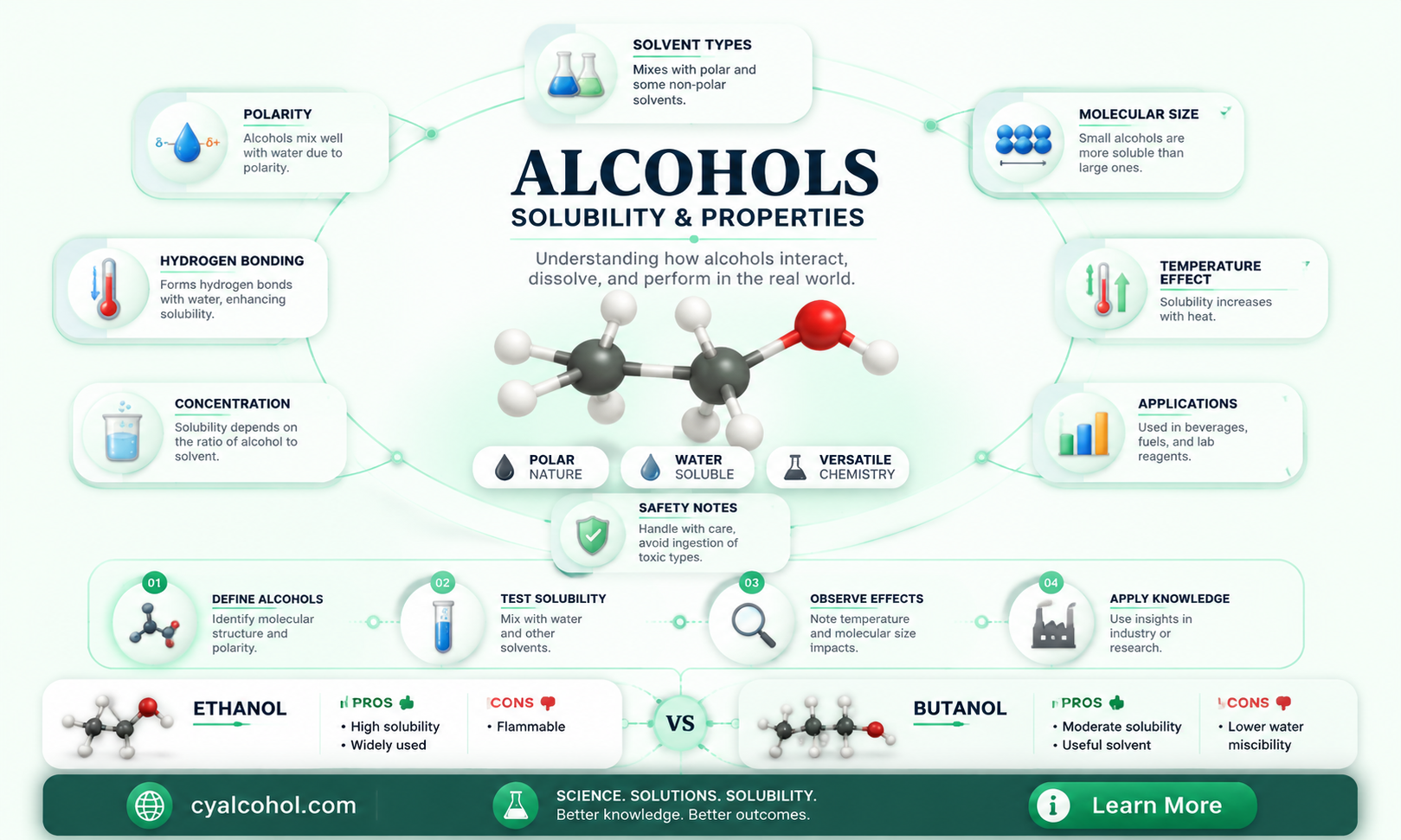
- Ethanol (Ethyl Alcohol): This is the most common alcohol, produced via the fermentation of sugars or through the hydration of ethylene. It is used as a solvent, a fuel additive, and the active ingredient in personal care products.
- Isopropyl Alcohol (Isopropanol): Primarily recognized as the base for rubbing alcohol, this compound is prized for its rapid evaporation rate and ability to dissolve a wide array of non-polar substances.
- Methanol (Methyl Alcohol): The simplest alcohol, methanol is highly toxic if ingested but serves as a vital industrial feedstock for producing formaldehyde, acetic acid, and various plastics.
Understanding these distinctions is the first step in selecting the correct alcohol for a specific application, as their toxicity profiles and chemical behaviors differ significantly.
Industrial and Chemical Manufacturing Applications
The industrial utility of alcohol is foundational to the production of thousands of consumer and commercial goods. Because alcohols act as both reagents and solvents, they are used throughout global supply chains.
Solvents and Thinners
Alcohols are polar solvents, meaning they are exceptionally effective at dissolving substances that water cannot, such as oils, resins, fats, and gums. In the coatings industry, ethanol and isopropanol are standard ingredients in paints, varnishes, and printing inks. Their ability to evaporate cleanly without leaving a residue makes them ideal for precision industrial cleaning, particularly in the production of electronic components where surface purity is mandatory.
Chemical Synthesis
Methanol is a critical building block in the chemical industry. It is converted into formaldehyde, which is subsequently used to manufacture resins for construction materials like plywood, particleboard, and insulation. Furthermore, ethanol is a precursor in the production of ethyl acetate, a common solvent used in pharmaceuticals and food processing.
Fuel and Energy
Ethanol is widely utilized as a fuel oxygenate. When blended with gasoline, it increases the octane rating of the fuel and promotes more complete combustion, which can reduce certain tailpipe emissions. In 2026, many jurisdictions mandate or incentivize the use of ethanol-blended fuels to manage air quality and reduce reliance on purely petroleum-based energy sources.
Healthcare, Sanitation, and Clinical Utility
The antimicrobial properties of alcohols make them indispensable in clinical and domestic hygiene. Their mechanism of action involves the denaturation of proteins and the dissolution of lipid membranes in microorganisms, effectively destroying bacteria, fungi, and many enveloped viruses.
Antiseptics and Disinfectants
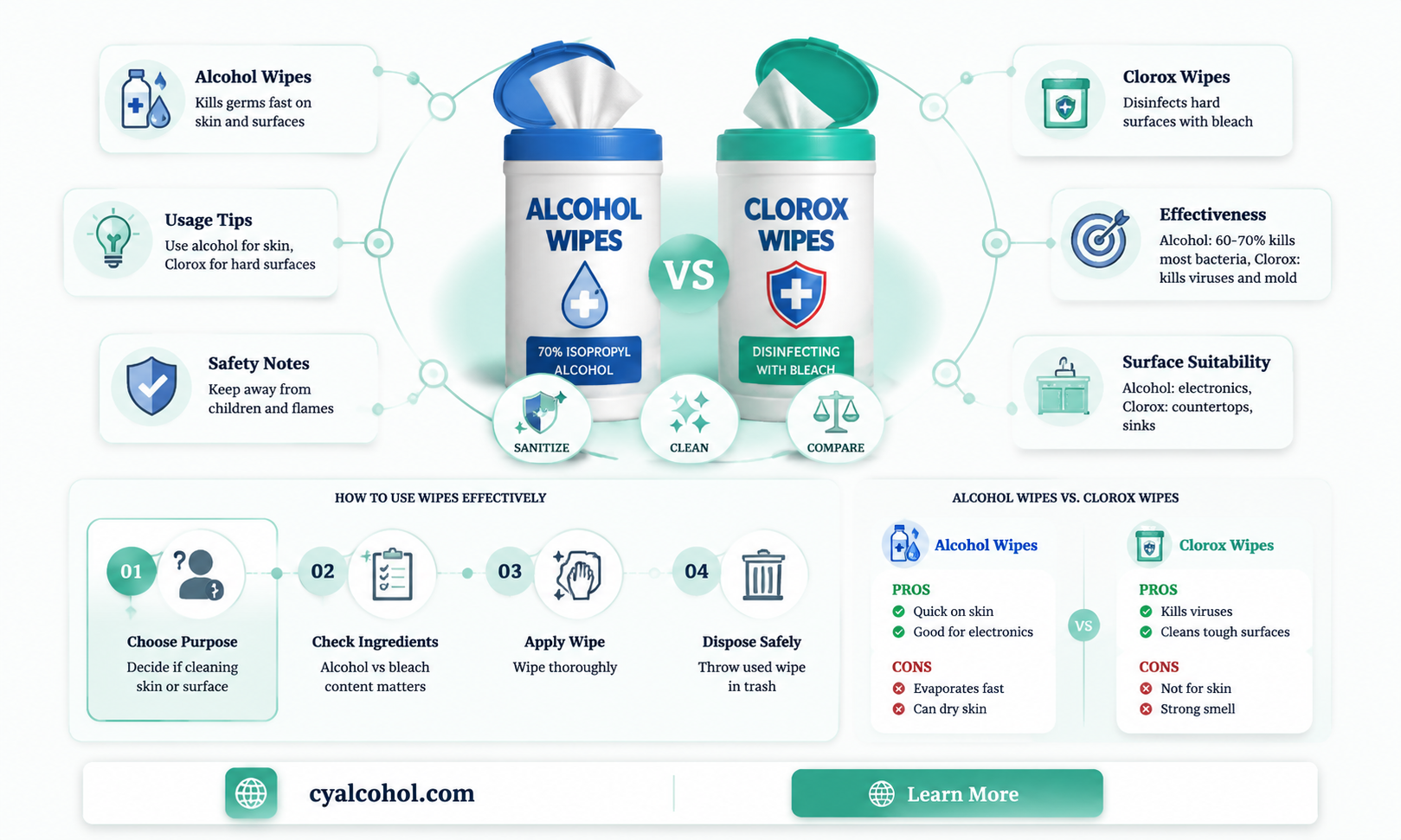
Isopropyl alcohol and ethanol are the primary active ingredients in hand sanitizers and skin antiseptics. A concentration between 60% and 90% by volume is widely considered the "sweet spot" for efficacy. Concentrations higher than 90% often evaporate too quickly to denature proteins effectively, while concentrations below 60% lack the potency required to neutralize a broad spectrum of pathogens.
Medical Preparations
Beyond surface sterilization, alcohols serve as vehicles for medications. Because they can facilitate the absorption of drugs through the skin, they are common excipients in topical gels, liniments, and transdermal patches. They also serve as a medium for tinctures, where plant-based or chemical compounds are extracted and preserved in an alcohol base.
Household and Maintenance Applications
The same chemical properties that make alcohols useful in laboratories also make them highly effective for household maintenance.
- Glass and Surface Cleaning: Because isopropyl alcohol cuts through grease and evaporates without streaking, it is the active component in many glass cleaners and mirror sprays.
- De-icing: Due to their low freezing points, alcohols—particularly methanol and ethanol—are used in windshield de-icing fluids to prevent ice buildup on automotive glass during sub-zero temperatures.
- Adhesive Removal: Alcohol is an effective solvent for breaking down the bonds of many pressure-sensitive adhesives, making it a go-to solution for removing labels, sticker residue, or leftover tape marks from hard surfaces.
Technical Comparison of Common Alcohols
Selecting the correct alcohol depends on the specific requirements of the task, including evaporation speed, toxicity, and solvent power.
| Alcohol Type | Primary Use Case | Evaporation Rate | Toxicity Level |
|---|---|---|---|
| Ethanol | Solvent, Fuel, Medical | Moderate | Moderate (Ingestion-based) |
| Isopropyl | Antiseptic, Electronics | Fast | Moderate (Topical use only) |
| Methanol | Industrial Feedstock | Fast | High (Fatal if ingested) |
| Denatured | Industrial Cleaning | Variable | High (Toxic additives) |
Safety, Handling, and Regulatory Considerations
While alcohol is ubiquitous, it carries distinct hazards. Safety protocols are not merely recommendations; they are necessary to prevent injury and environmental contamination.
Flammability
All common industrial alcohols are highly flammable. They should never be used near open flames, sparks, or high-heat sources. In industrial settings, fire suppression systems and grounded containers are standard requirements to mitigate the risk of static discharge igniting vapors.
Toxicity and Proper Use
It is critical to distinguish between alcohols meant for medical use and those meant for industrial applications. Denatured alcohol—ethanol to which toxic substances like methanol or pyridine have been added—is intended strictly for industrial or solvent use to avoid excise taxes associated with beverage-grade alcohol. Ingesting denatured alcohol or methanol can lead to permanent organ damage or death.
Storage Requirements
Alcohols should be stored in tightly sealed containers in well-ventilated areas. Prolonged exposure to air can lead to evaporation and potential moisture absorption (hygroscopy), which may diminish the chemical effectiveness of the product for certain solvent-based tasks. Always check the Safety Data Sheet (SDS) provided by the manufacturer for specific storage temperature and ventilation requirements.
Troubleshooting Common Issues
Even with correct application, users may encounter performance hurdles.
- Residue Problems: If alcohol leaves a film on a surface, the product may be impure or contaminated with trace oils from the container. Use high-purity (ACS reagent grade) alcohol if the application requires zero residue, such as cleaning optics or sensitive sensors.
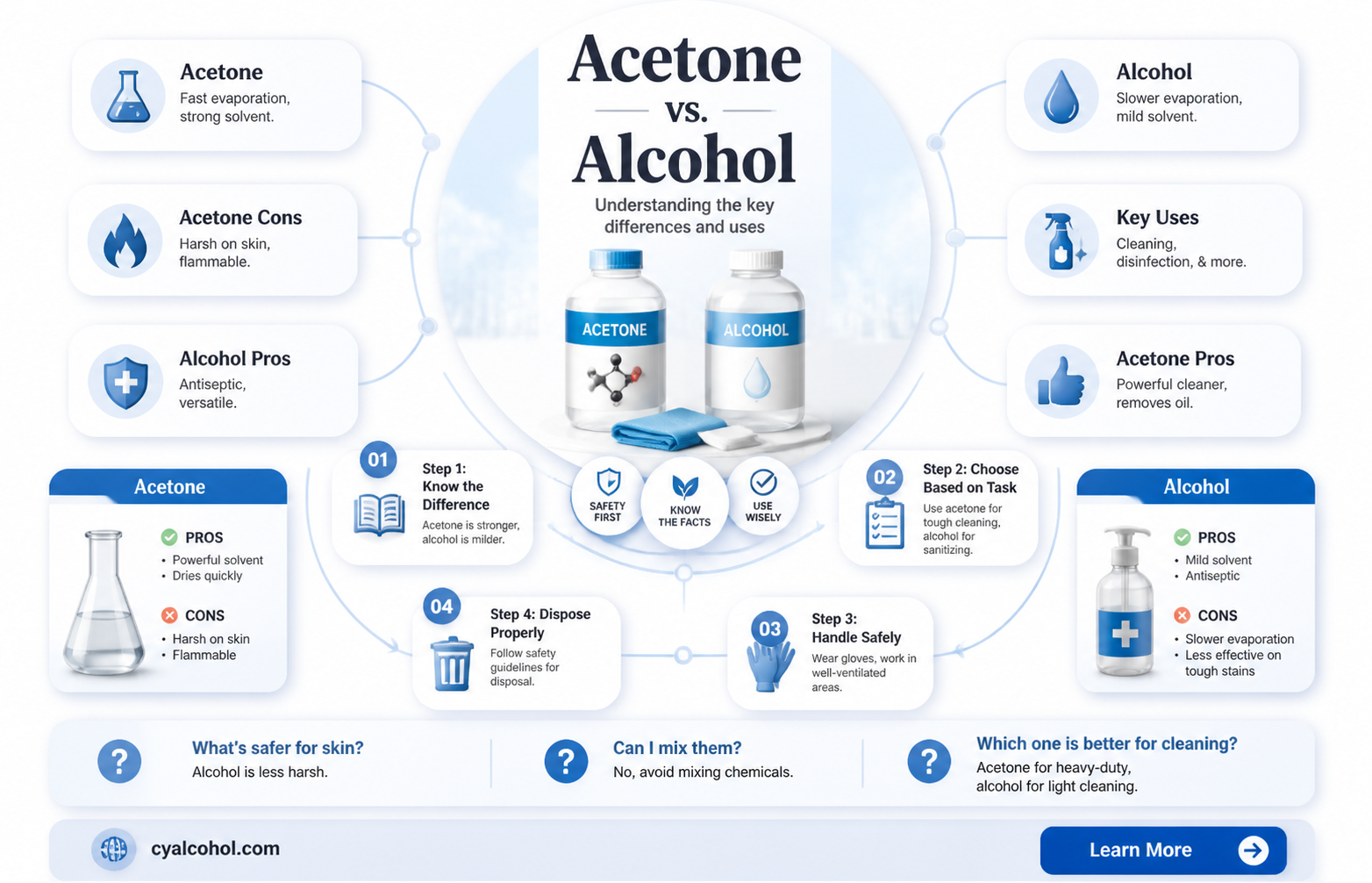
- Surface Damage: Alcohols can dissolve certain plastics (like acrylic or polycarbonate) and strip certain lacquers. Always perform a spot test on an inconspicuous area before applying alcohol to a finished or synthetic surface.
- Ineffectiveness against Spores: It is important to note that while alcohol is excellent for killing bacteria and viruses, it is generally ineffective against bacterial spores. In environments where spores are a concern, such as surgical suites or specialized laboratory settings, alcohol must be paired with other sterilization methods, such as heat (autoclaving) or hydrogen peroxide vapor.
Frequently Asked Questions
Is there a difference between "rubbing alcohol" and "surgical spirit"?
Rubbing alcohol typically refers to isopropyl alcohol, while surgical spirit is often a formulation based on ethanol with small amounts of methanol and methyl salicylate (oil of wintergreen). While both are used for skin antisepsis, they are not interchangeable for every application, particularly where chemical purity is required for electronics or plastics.
Can I mix different types of alcohols?
Mixing alcohols is chemically possible, but generally not recommended unless you are creating a specific solvent blend. Mixing them makes it impossible to rely on the evaporation rates or flash points of the individual components, which can introduce safety risks or unpredictable chemical reactions in sensitive processes.
Does the percentage on the label really matter?
Yes. For antimicrobial applications, the water content in a 70% solution is essential to facilitate the diffusion of the alcohol into the microbial cell. A 100% alcohol solution may harden the outer membrane of a pathogen, preventing the alcohol from fully penetrating and killing the organism.
How should I dispose of large quantities of waste alcohol?
Waste alcohol is classified as hazardous waste due to its flammability. It should never be poured down the drain. Contact your local municipal waste management facility or an industrial hazardous waste service for instructions on proper disposal containers and pickup schedules.
Is alcohol safe to use on all electronic components?
Generally, high-purity (99%) isopropyl alcohol is the standard for cleaning circuit boards and contacts. However, avoid using it on screens with anti-glare coatings or certain rubberized device housings, as it can strip protective layers or cause long-term material degradation.
Recommendation for Practical Application
For most household, medical, and general cleaning tasks, a 70% isopropyl alcohol solution is the most versatile choice. It provides the optimal balance of antimicrobial efficacy, solvent power, and surface safety. Before use, ensure adequate ventilation, keep the product away from ignition sources, and always verify that the substrate being cleaned is compatible with alcohol exposure. If you are involved in industrial manufacturing or specialized laboratory work, always consult the specific technical data sheets for the required purity grade and handling procedures tailored to your equipment.