The hidden risks of alcohol in Japanese university settings involve a complex intersection of genetic susceptibility (ALDH2 deficiency), a legal age gap where 18-year-old "adults" cannot legally drink until 20, and a persistent culture of forced binge drinking (ikki-nomi). These factors contribute to acute alcohol poisoning, long-term health complications, and severe academic or legal repercussions that often go unrecognized until a crisis occurs.
Understanding Alcohol Literacy (ALC) in the Japanese Context
In the landscape of Japanese higher education, the term "ALC" refers to Alcohol Literacy, a specialized curriculum and awareness framework designed to mitigate the high-risk drinking behaviors prevalent on campuses. As of 2026, this framework has become a cornerstone of student orientation programs across Japan’s top national and private universities. The objective is not merely to preach abstinence but to equip students with a scientific understanding of how alcohol interacts with the Japanese physiology and the specific social structures of university life.
The Japanese university environment presents a unique set of challenges. For many students, entering university is their first experience of total independence. However, this independence is met with a cultural tradition of nomikai (drinking parties) and shinkan (welcoming events for new students). Without proper alcohol literacy, students often enter these situations unaware of their own biological limits or the legal frameworks governing their behavior.
The "hidden" nature of these risks stems from the fact that alcohol-related harm is often seen as a "rite of passage" rather than a preventable health and safety issue. By focusing on ALC, institutions aim to peel back these layers of cultural acceptance to reveal the underlying dangers of excessive consumption in a collegiate setting.
The Biological Vulnerability: ALDH2 Deficiency and the "Asian Flush"
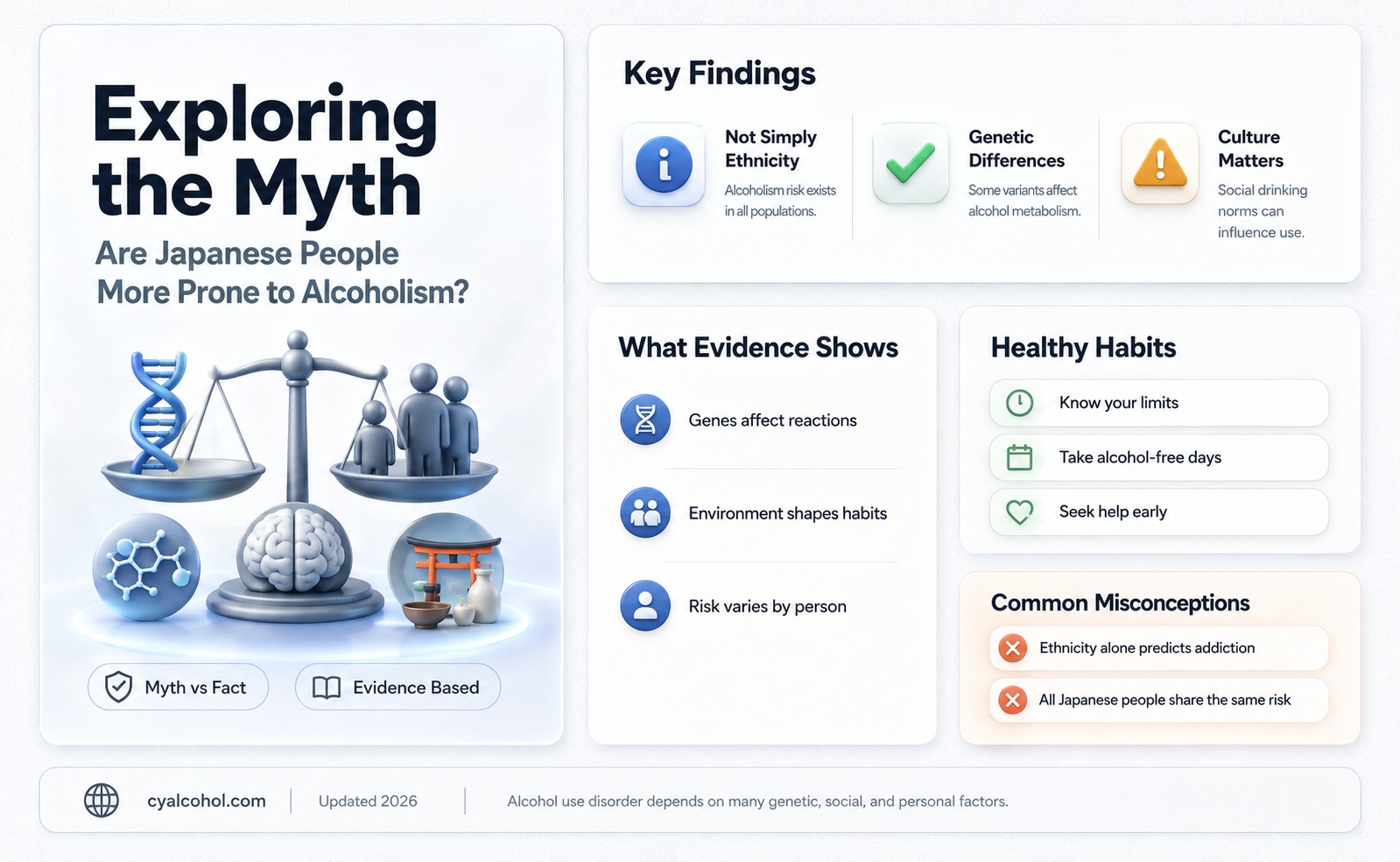
One of the most critical components of Japanese Alcohol Literacy is the education regarding the ALDH2 gene. A significant portion of the Japanese population—approximately 40% to 50%—possesses a genetic variation that results in an inactive or less active form of the enzyme aldehyde dehydrogenase 2. This enzyme is responsible for breaking down acetaldehyde, a toxic byproduct of alcohol metabolism.
When students with this deficiency consume alcohol, acetaldehyde builds up in the bloodstream, leading to the "Asian Flush" or "Alcohol Flush Reaction." While often dismissed as a cosmetic issue, the hidden risks are profound:
- Immediate Toxicity: Acetaldehyde is a known carcinogen and is significantly more toxic than alcohol itself. High levels cause rapid heart rate, nausea, and headaches.
- Increased Cancer Risk: Research consistently shows that individuals with ALDH2 deficiency who drink moderately to heavily have a dramatically higher risk of esophageal and head and neck cancers compared to those with active enzymes.
- Acute Poisoning: Because these individuals cannot process the toxins efficiently, they can reach dangerous levels of blood toxicity even when consuming amounts that their peers might consider "normal."
In a university setting, peer pressure often forces "flushers" to keep drinking to prove their "toughness" or social compliance. ALC programs in 2026 emphasize that the flush is not a sign of "getting used to it" but a biological warning signal that the body is being poisoned.
The Legal Paradox: Adulthood at 18, Drinking at 20
A major source of confusion and hidden risk in Japanese universities arises from the 2022 legal change that lowered the age of adulthood from 20 to 18. While 18-year-olds are now legally considered adults—capable of signing contracts and getting married without parental consent—the legal drinking and smoking age remains 20.
As we look at the campus climate in 2026, this two-year gap has created a "grey zone" that is frequently exploited or misunderstood.
The Risks of the Age Gap
- Social Isolation: Students who enter university at 18 or 19 may feel excluded from the social life of their "circles" (student clubs) where drinking is the primary bonding activity.
- Legal Consequences for Seniors: Third- and fourth-year students who are 20 or older often face severe legal and disciplinary action if they provide alcohol to their younger "kohai" (juniors). Under Japanese law, the "Law for Prohibiting Underage Drinking" holds the provider and the supervising organization responsible.
- Academic Discipline: Universities have significantly tightened their internal codes of conduct. An 18-year-old caught drinking can face suspension or even expulsion, which can permanently derail a career path in Japan’s rigid hiring ecosystem.
ALC programs focus heavily on navigating this gap, teaching students how to decline drinks without losing social standing and reminding older students of their legal liability.
The Culture of Ikki-nomi and Forced Binge Drinking
Perhaps the most visible yet "hidden" risk is ikki-nomi, the practice of chugging an entire drink in one go, usually accompanied by rhythmic chanting from peers. Despite decades of awareness campaigns, ikki-nomi remains a persistent threat during shinkan (new student welcome) seasons.
The Mechanics of Danger
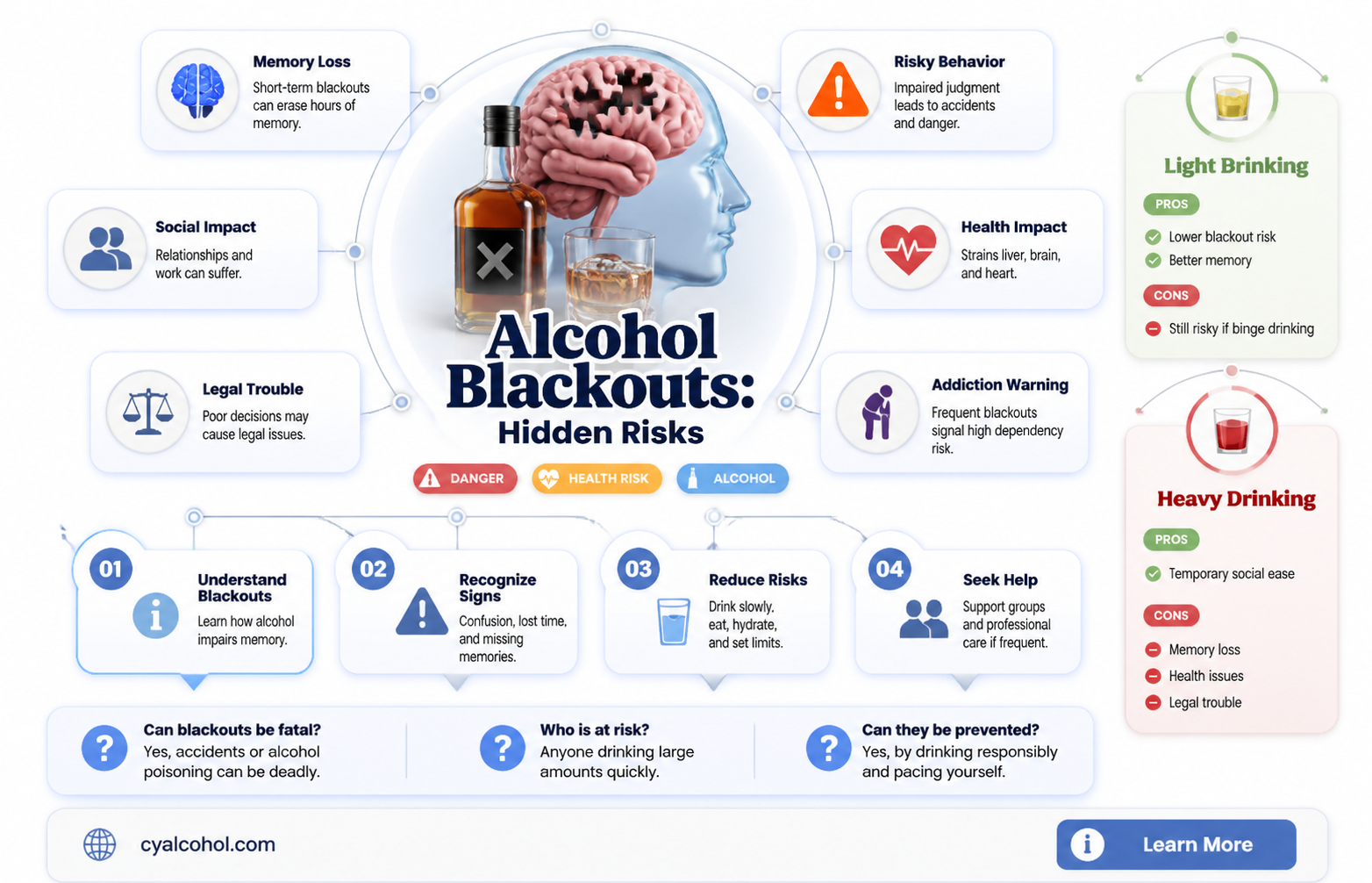
- Rapid Blood Alcohol Spikes: When alcohol is consumed at the speed of ikki-nomi, the liver cannot possibly keep up. This leads to a rapid spike in blood alcohol concentration (BAC), which can suppress the respiratory system and lead to sudden death from acute alcohol poisoning.
- Aspiration and Choking: An intoxicated student who loses consciousness is at high risk of choking on their own vomit—a common cause of death in university drinking incidents.
- The "Bystander Effect": In many tragic cases, students see a peer pass out and assume they are "just sleeping it off." The hidden risk here is the lack of medical knowledge; students may be afraid to call an ambulance for fear of getting into trouble, resulting in fatal delays in medical care.
Modern ALC training specifically includes "emergency response" modules, teaching students how to place an unconscious person in the recovery position and when to call 119 (Japan’s emergency services) without hesitation.
Academic and Professional Repercussions
Beyond the immediate health risks, the hidden impact of alcohol on a student's future is substantial. In the 2026 Japanese job market, reputation and a clean record are paramount.
Long-term "Hidden" Impacts
- Grade Attrition: Alcohol use is strongly correlated with missed classes and declining GPA. In Japan’s competitive "Job Hunting" (Shu-katsu) environment, a low GPA can disqualify students from top-tier corporate roles.
- Digital Footprint: In the age of social media, photos or videos of intoxicated behavior at university parties can resurface during background checks conducted by recruiters.
- Financial Burden: The cost of regular drinking sessions can lead to significant debt or the need for excessive part-time work (arubaito), which further detracts from study time.
| Risk Category | Immediate Consequence | Hidden/Long-term Risk |
|---|---|---|
| Biological | Flush reaction, nausea | Increased risk of esophageal cancer (ALDH2 deficiency) |
| Legal | University reprimand | Criminal record for providers; expulsion |
| Social | Ikki-nomi (chugging) | Sudden death via acute alcohol poisoning |
| Academic | Hangover, missed lectures | Career disqualification due to poor GPA/Record |
| Financial | Cost of drinks | Debt and exhaustion from excessive arubaito |
Alcohol Literacy (ALC) Requirements and Best Practices
To combat these risks, universities have institutionalized ALC. For a student or a parent in 2026, understanding these requirements is essential for a safe university experience.
Mandatory Orientation Modules
Most universities now require new students to complete an online ALC course before they can join official campus clubs. These modules cover:
- The Patch Test: A simple skin test to determine if a student has the ALDH2 deficiency. This physical evidence helps students provide a scientific excuse to decline drinks.
- The "Standard Drink" Concept: Teaching students how to calculate the actual alcohol content in different beverages (Sake vs. Beer vs. Strong Zero).
- Refusal Skills: Role-playing scenarios on how to say "no" to seniors (senpai) while maintaining the hierarchical harmony (wa).
Institutional Responsibility
Universities now designate "Alcohol-Free" zones and strictly monitor club activities. If a club is found to be encouraging ikki-nomi, the university may dissolve the organization immediately. This shift toward institutional accountability has made the environment safer, but the "hidden" risk remains in off-campus, private gatherings where university oversight is absent.
Common Mistakes and How to Avoid Them
Even with ALC training, students often fall into common traps. Recognizing these is the first step toward prevention.
- Mistake 1: Relying on "Tolerance" Myths. Many believe they can "train" their liver to handle more alcohol. While the brain can become desensitized to the feeling of being drunk, the liver and the ALDH2 enzyme cannot be "trained." The internal damage continues regardless of how the person "feels."
- Mistake 2: Mixing Alcohol with "Strong" Energy Drinks. A popular trend involves mixing high-caffeine energy drinks with alcohol. This masks the sedative effects of alcohol, making the student feel more sober than they are, which leads to dangerously high consumption levels.
- Mistake 3: Fearing the 119 Call. Students often fear that calling an ambulance will result in police intervention and the end of their academic career. Most universities and emergency services prioritize life over discipline in medical emergencies.
Recommendations for Students and Parents
To navigate the university years safely in the 2026 context, the following actions are recommended:
- Conduct a Patch Test: Determine your genetic predisposition to alcohol intolerance early. Knowing you have the "flush" gene is a powerful tool for self-protection.
- Establish "Dry" Social Circles: Seek out clubs and associations that prioritize activities other than drinking. Many modern Japanese "circles" now focus on "Zero-Alcohol" social events.
- Know the Recovery Position: If you are at a gathering where people are drinking, know how to identify the signs of alcohol poisoning (cold/clammy skin, irregular breathing, inability to wake up) and how to keep someone safe until help arrives.
- Understand the Law: Respect the age-20 limit. The risks of a criminal record or expulsion far outweigh the temporary social gain of fitting in at a party.
FAQ
Q1: Can I drink at 18 if I have already graduated high school and am working or in university? No. While the age of adulthood in Japan was lowered to 18 in April 2022, the legal drinking age remains strictly 20. This is to protect the physical and brain development of young adults and to prevent the health risks associated with early-onset alcohol consumption.
Q2: What should I do if a senior (senpai) is forcing me to drink? In 2026, most universities have "Harassment Consultation Offices." Forced drinking is considered a form of "Alcohol Harassment" (Al-hara). You should decline based on health reasons (using the patch test results as an excuse) and report any persistent pressure to the university authorities.
Q3: Is the "Asian Flush" actually dangerous? Yes. It is a biological indicator that your body cannot effectively break down acetaldehyde, a toxic and carcinogenic substance. Consuming alcohol when you have this reaction significantly increases your risk of various cancers and acute poisoning.
Q4: How can I tell if someone has acute alcohol poisoning? Look for the "Three C's": Cold skin, Cyanosis (blue-tinted skin or lips), and Coma (unresponsiveness). Also, watch for slow or irregular breathing. If any of these are present, call emergency services immediately.
Q5: Are "Strong Zero" or high-alcohol canned chu-his more dangerous? Yes. These beverages often have a high alcohol content (9% or more) and are flavored with artificial sweeteners that mask the taste of alcohol. This makes it very easy to consume a large amount of ethanol in a very short time, leading to rapid intoxication.
The hidden risks of alcohol in Japanese universities are a mixture of biology, law, and culture. By prioritizing Alcohol Literacy (ALC), students can enjoy their university years without compromising their health, their legal standing, or their future careers. The transition to adulthood at 18 should be marked by increased responsibility and awareness, especially regarding the substances we choose to consume.