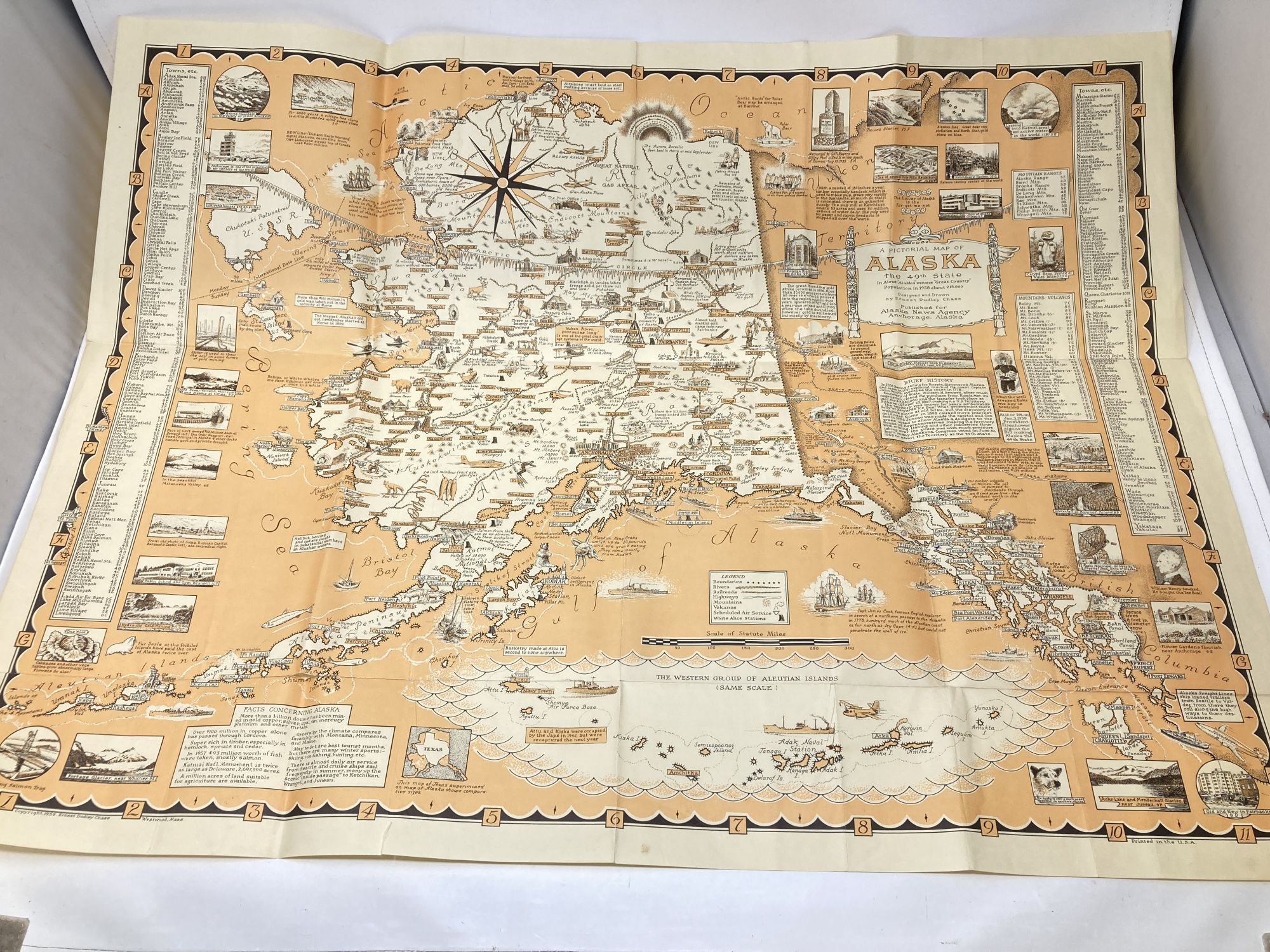
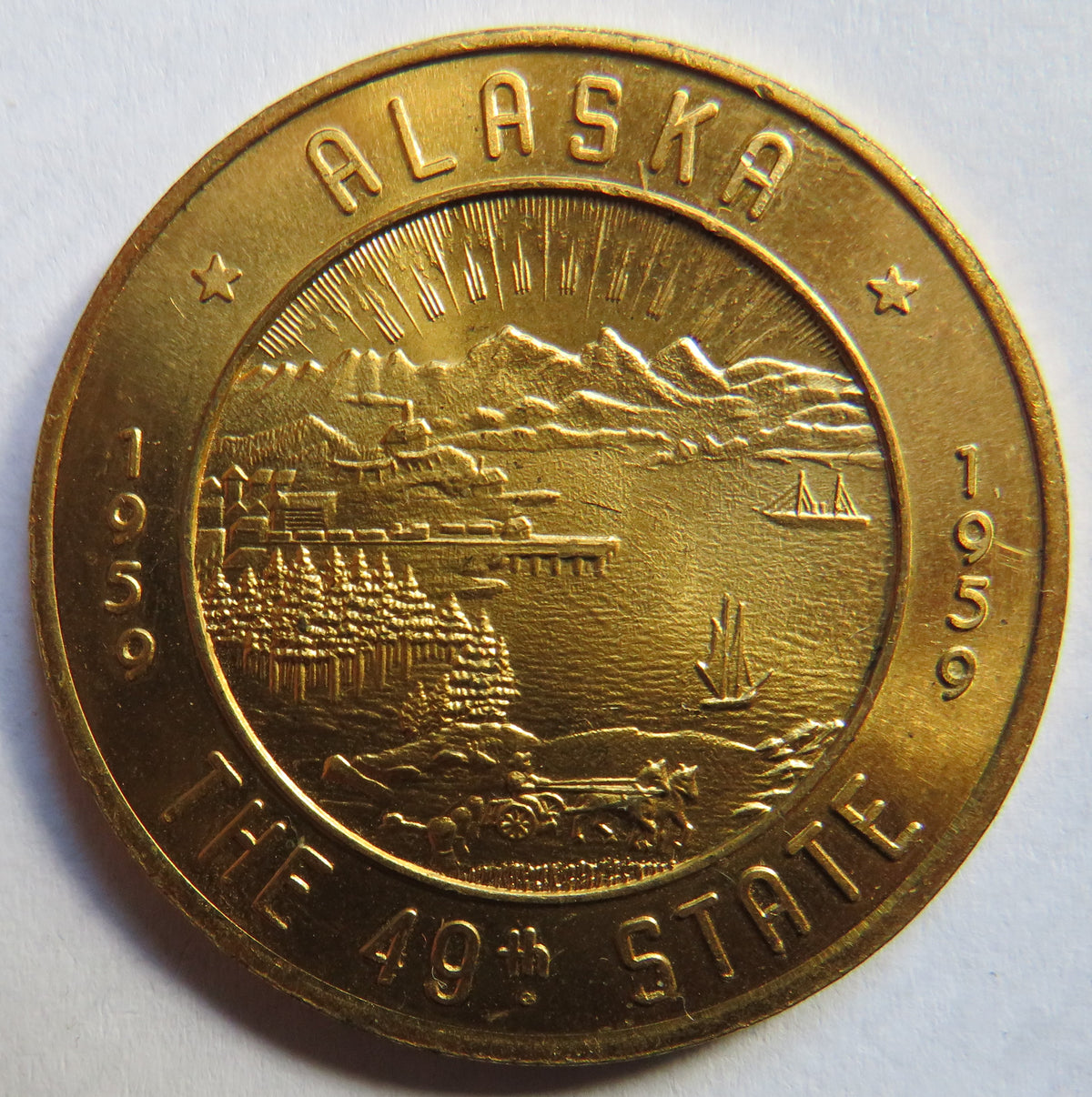
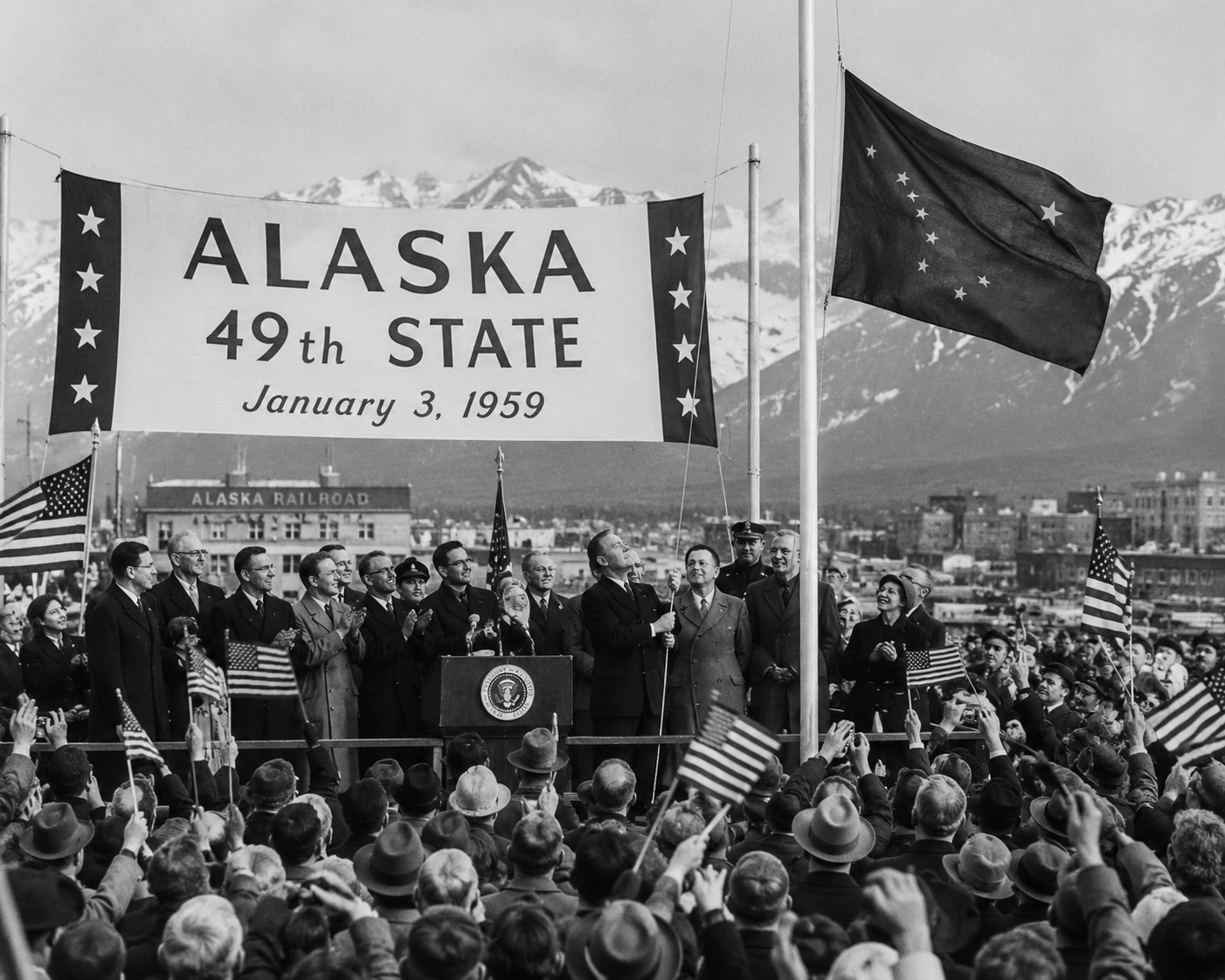
Alaska officially became the 49th state of the United States on January 3, 1959, when President Dwight D. Eisenhower signed the proclamation admitting the territory into the Union. This milestone marked the culmination of decades of advocacy for self-governance, shifting the region from a federally administered district to a full-fledged member of the American political system.
The Long Road to Territorial Status
The journey to statehood for Alaska did not begin overnight. It was the result of a long, complex transition following the 1867 purchase of the territory from the Russian Empire. For many years, the United States treated Alaska primarily as a resource extraction zone rather than a region intended for full political integration.
During the late 19th and early 20th centuries, the federal government maintained a hands-off approach, known as the "Department of Alaska" era, which provided little in the way of civil government. It was not until the passage of the Second Organic Act in 1912 that Alaska was formally organized as an incorporated territory. Even then, the region possessed limited legislative power, and its residents had no voting representation in the U.S. Congress, despite their significant contributions to national industries like fishing, mining, and eventually, defense.
Political Advocacy and the Push for Equality
By the mid-20th century, the disparity between the burdens placed on Alaskans and the rights they possessed became increasingly intolerable to the local population. Residents paid federal taxes and were subject to federal laws, yet they lacked the ability to elect their own governor or influence the national laws that dictated their future.
The movement for statehood gained momentum in the aftermath of World War II. The territory’s strategic importance during the conflict, due to its proximity to the Soviet Union, highlighted the necessity of closer integration with the mainland. Advocates argued that Alaskans were capable of self-governance and that full representation was the only way to ensure the region's economic and political interests were protected.
The struggle was not without opposition. Many powerful interests, particularly in the lower 48 states, feared that a new state with vast natural resources would disrupt existing industrial monopolies. Additionally, there were concerns about the logistical challenges of governing a territory so physically distant from Washington, D.C. Despite these hurdles, a tireless grassroots campaign, led by figures like Ernest Gruening and Bob Bartlett, successfully lobbied the U.S. Congress throughout the 1950s.
The Legislative Milestone: The Alaska Statehood Act
The breakthrough occurred with the passing of the Alaska Statehood Act, which was cleared by Congress in the summer of 1958. This legislation required a referendum in Alaska to ensure that the residents supported the transition. In a landslide vote held later that year, Alaskans overwhelmingly approved the proposal to join the Union.
The final administrative steps were swift. On January 3, 1959, President Eisenhower issued Proclamation 3269, finalizing the entry of Alaska into the United States. This act fundamentally changed the structure of American governance, adding vast land area and significant geopolitical weight to the nation. With statehood, Alaskans gained the right to elect two U.S. Senators and one member of the House of Representatives, finally securing a voice in the halls of federal power.
Impact of Statehood on Development and Sovereignty
Statehood granted Alaska control over its internal affairs, including the management of its public lands and natural resources. This newfound sovereignty became a defining feature of the state’s identity. The transition also allowed for the establishment of a state constitution, which was drafted prior to the official proclamation and remains one of the most progressive documents of its kind in the United States.
The economic landscape shifted as well. Statehood provided the legal framework necessary for future developments, including the discovery and management of massive oil reserves on the North Slope. Without the authority granted by statehood, the subsequent economic prosperity that transformed the state in the late 20th century might have been managed entirely by federal entities, potentially altering the distribution of wealth and resources for the local population.
Comparing Territorial Status to Statehood
| Feature | Territorial Status (Pre-1959) | Statehood (Post-1959) |
|---|---|---|
| Governance | Appointed Governor | Elected Governor |
| Federal Representation | Non-voting Delegate | Two Senators, One Representative |
| Resource Control | Primarily Federal | State-managed (subject to laws) |
| Legal Standing | Subject to Congressional Act | Sovereignty via Constitution |
| Taxation | Federal taxes paid without voice | Federal taxes paid with representation |
Challenges and Governance in the Modern Era
While statehood solved many of the issues regarding representation, it introduced new challenges. Managing such a massive, geographically isolated territory requires significant infrastructure investment. The costs of maintaining roads, public safety, and social services over vast distances remain a unique budgetary consideration for the Alaskan government.
Moreover, the federal government still retains significant land ownership in Alaska, often leading to complex jurisdictional issues regarding hunting, fishing, and mineral rights. These tensions are a direct legacy of the compromise reached during the statehood process, where federal interests were balanced against the aspirations of the local settlers and Indigenous populations.
Frequently Asked Questions
Why did Alaska want to become a state?
Alaskans sought statehood primarily to gain political equality. As a territory, they were taxed without federal representation and lacked the authority to manage their own land and resources effectively. Statehood promised self-governance and a direct voice in U.S. legislative processes.
How was the transition to statehood managed?
The transition involved a multi-year process of drafting a state constitution, holding a public referendum for local approval, and the subsequent signing of a formal proclamation by the U.S. President. This ensured the move was legally binding and supported by the citizenry.
Who were the key figures behind the statehood movement?
Ernest Gruening and Bob Bartlett are widely recognized as the primary architects of the movement. Gruening, who served as a territorial governor, and Bartlett, who served as a long-term delegate to Congress, worked relentlessly to build bipartisan support in Washington, D.C.
Did the Indigenous population support statehood?
The impact of statehood on Alaska Native populations was complicated. While statehood provided political structure, it also brought new debates regarding land claims that were not fully addressed until the Alaska Native Claims Settlement Act of 1971, which was a necessary follow-up to the statehood process.
How has the 1959 status defined Alaska today?
Being the 49th state has shaped Alaska’s unique cultural and political identity. It fostered a culture of fierce independence and self-reliance, while simultaneously integrating the state into the broader American economy, particularly through defense and resource development.
Moving Forward: The Legacy of January 3, 1959
The incorporation of Alaska into the United States remains a singular event in American history. It demonstrated the flexibility of the U.S. Constitution and the nation's capacity to absorb geographically distinct regions into the federal fold. As of 2026, the state continues to navigate the balance between its massive natural wealth and the environmental stewardship required of its status. For those interested in the history of American expansion, the story of Alaska’s statehood serves as an essential case study in the evolution of political rights and the complexities of territorial governance. To understand the current political climate of the state, one must look back at the original agreements made during the 1959 transition, as they continue to influence the legal and fiscal realities faced by Alaskans today.