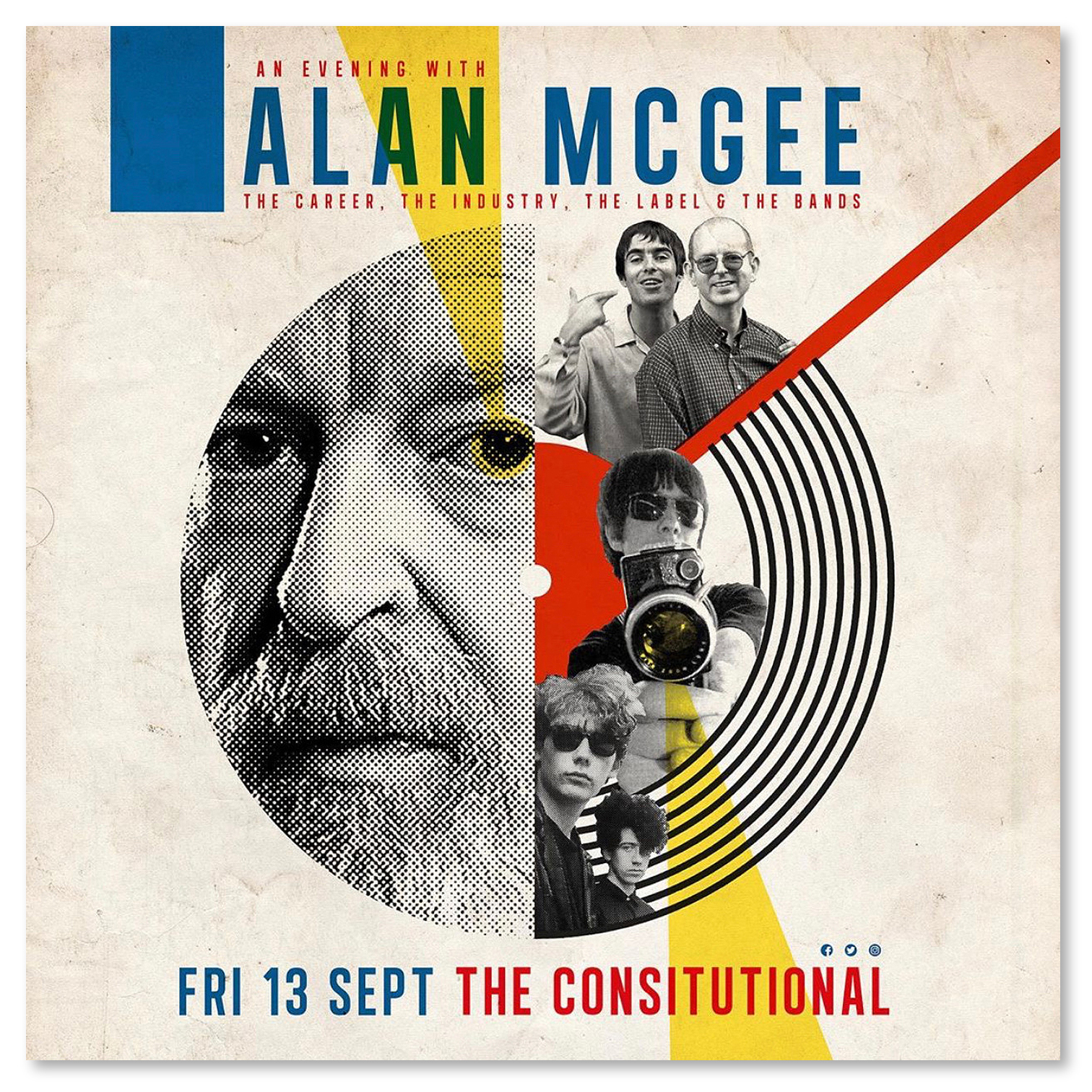
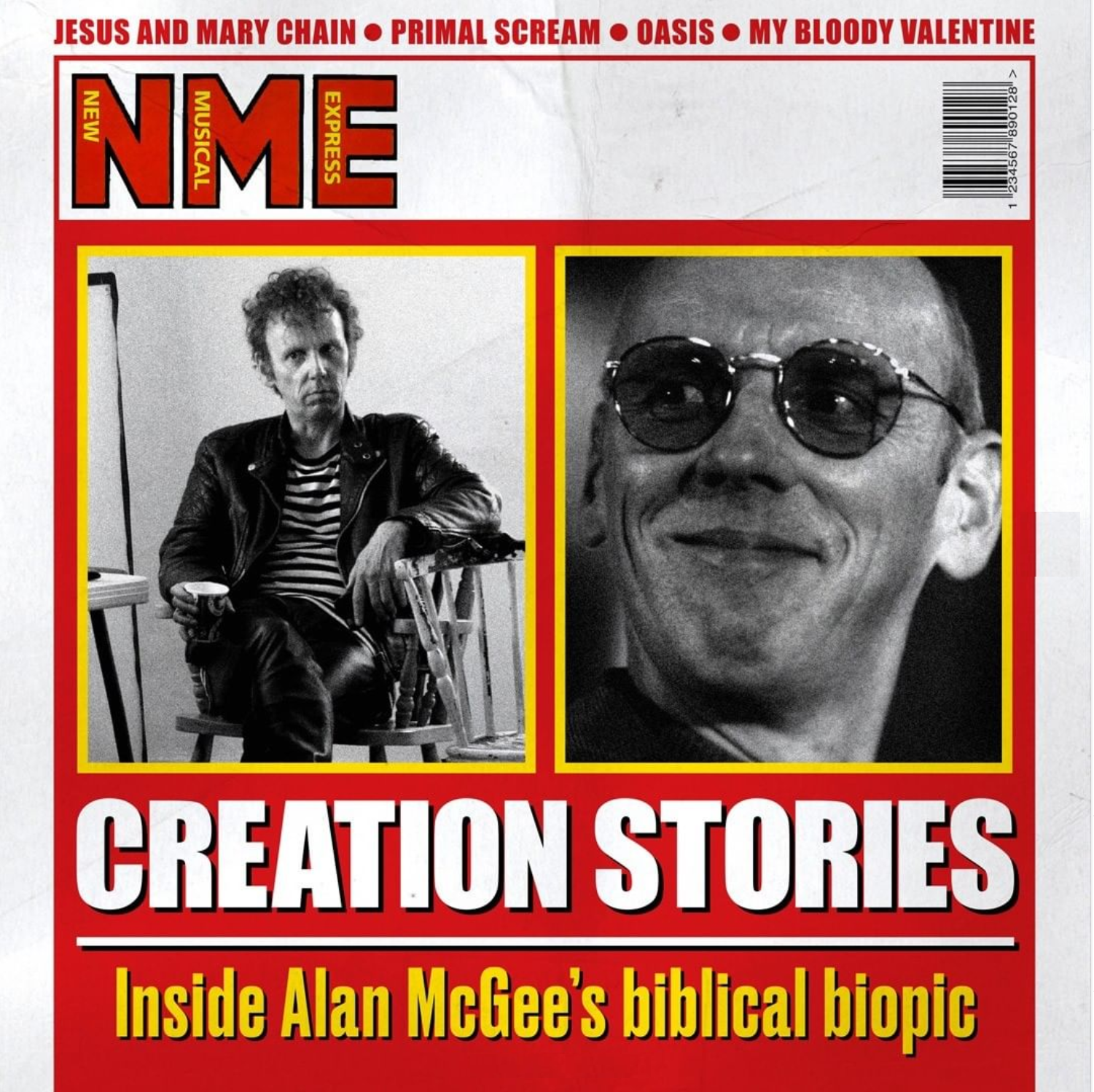
Alan McGee is the visionary co-founder of Creation Records, a label that redefined the global music landscape by championing independent spirits like Oasis, Primal Scream, and My Bloody Valentine. As a pioneer of the "indie" ethos, McGee bridged the gap between underground counter-culture and mainstream commercial dominance, forever altering music history.
For over four decades, the name Alan McGee has been synonymous with a specific brand of chaotic, high-stakes talent scouting that prioritizes cultural impact over safe financial forecasting. While many industry executives rely on data analytics and social media metrics in 2026, McGee’s legacy remains rooted in the "gut feeling"—the rare ability to spot a star in a dingy club before they have even recorded a single note. This article explores his journey from a Glasgow rail worker to the architect of Britpop and his ongoing influence on the independent music sector.
From Glasgow to the Living Room: The Genesis of Creation
Alan McGee’s entry into the music industry was not fueled by corporate ambition but by a desperate love for the punk and post-punk movements of the late 1970s. Born in Glasgow in 1960, McGee relocated to London in the early 1980s, where he quickly became a fixture of the city’s burgeoning alternative scene.
In 1983, along with Dick Green and Joe Foster, McGee founded Creation Records. The name was a tribute to the 1960s beat band The Creation, signaling McGee's reverence for the past even as he sought to dismantle the musical status quo. However, the label was more than just a business; it was an extension of his club night, "The Living Room," held in a small venue above a pub in Paddington.
The early years of Creation were characterized by a "do-it-yourself" (DIY) approach that was as much a financial necessity as it was a philosophical choice. Operating on shoestring budgets and bank loans, McGee began signing acts that mainstream labels deemed too abrasive or unmarketable. The first major breakthrough came with The Jesus and Mary Chain. Their debut single, "Upside Down," became a definitive moment for the label, blending 1960s pop melodies with layers of punishing white noise. This aesthetic—beautiful melodies hidden beneath chaos—would become a hallmark of the Creation sound.
The Shoegaze Era and the Burden of Perfection
By the late 1980s, McGee had established Creation as the premier home for British guitar music. He was instrumental in fostering the "shoegaze" movement, a genre defined by ethereal vocals and massive, textured guitar walls. The most significant act of this era was My Bloody Valentine, led by the meticulous Kevin Shields.
The production of My Bloody Valentine's seminal album, Loveless (1991), is legendary in music history for nearly bankrupting the label. McGee’s relationship with Shields was tested as the recording process stretched over two years, across nineteen different studios, costing hundreds of thousands of pounds. While the financial strain was immense, the result was a masterpiece that remains a touchstone for experimental rock.
McGee’s willingness to sustain such a loss for the sake of art solidified his reputation as a "pioneer." Unlike major label executives who might have dropped the band after six months of delays, McGee understood that some cultural shifts require time and an irrational level of commitment. This period demonstrated the dual nature of the indie pioneer: the need to be a savvy businessman while maintaining the heart of a fanatical collector.
Screamadelica: The Acid House Revolution
As the 1990s began, the UK music scene was undergoing a massive transformation fueled by the rise of rave culture and ecstasy. While many indie labels remained stuck in traditional guitar formats, McGee and his close friend Bobby Gillespie of Primal Scream recognized the potential of merging indie-rock with dance music.
The release of Screamadelica in 1991 was a watershed moment. Produced by Andrew Weatherall, the album discarded the band’s previous garage-rock sound in favor of gospel, house, and psychedelic dub. It won the first-ever Mercury Music Prize and proved that an independent label could lead a major cultural shift. For McGee, Screamadelica was a personal victory, validating his belief that the best music happens when different subcultures collide.
The Discovery of Oasis and the Conquest of Pop
The defining chapter of Alan McGee’s career began on a Tuesday night in May 1993 at King Tut’s Wah Wah Hut in Glasgow. McGee was there to see another band on his roster, but he arrived early and caught an unbilled opening act: Oasis.
The story has become a central part of rock lore: McGee saw the Gallagher brothers, recognized their raw arrogance and melodic power, and offered them a contract on the spot. By signing Oasis, McGee transitioned from an underground tastemaker to a global power player.
The Sony Partnership
The success of Oasis necessitated a shift in how Creation operated. The sheer scale of the demand for Definitely Maybe (1994) and (What's the Story) Morning Glory? (1995) required the infrastructure of a major corporation. In 1992, McGee had sold a 49% stake in Creation to Sony Music. While some purists viewed this as "selling out," McGee argued it was the only way to ensure his artists could compete on a global stage without the label collapsing under the weight of its own success.
Under McGee’s guidance, Oasis became the biggest band in the world, culminating in the Knebworth concerts of 1996, where they played to 250,000 people over two nights. This era, often termed "Britpop," saw McGee at the center of the "Cool Britannia" movement, famously attending a reception at 10 Downing Street hosted by Prime Minister Tony Blair.
| Key Band | Era | Notable Contribution | Legacy Impact |
|---|---|---|---|
| The Jesus and Mary Chain | 1984–1985 | Upside Down | Pioneered the noise-pop aesthetic. |
| My Bloody Valentine | 1988–1991 | Loveless | Defined the shoegaze genre. |
| Primal Scream | 1991 | Screamadelica | Bridged the gap between indie and dance music. |
| Oasis | 1993–1999 | Definitely Maybe | Orchestrated the global Britpop explosion. |
| The Libertines | 2002–2004 | Management / Rough Trade | Revived raw garage rock in the early 2000s. |
Post-Creation: Poptones and Management
By late 1999, McGee felt the "Creation" journey had reached its logical conclusion. The label was officially shuttered in 2000, but McGee did not remain idle. He launched Poptones shortly thereafter, a new label intended to return to the scrappy, independent roots of his early career. Poptones found success with The Hives, a Swedish garage-rock band that became part of the "new rock revolution" of the early 2000s.
However, McGee’s focus began to shift from label ownership to artist management. His most notable success in this field was his work with The Libertines. He navigated the volatile relationship between Pete Doherty and Carl Barât, helping the band achieve mainstream success while maintaining their chaotic, poetic identity. In 2026, McGee’s management firm continues to represent artists who embody that same "difficult but brilliant" spirit, proving that his skill lies in managing personalities as much as music.
The Modern Era: Creation23 and It's Creation Baby
Despite various "retirements" from the record business, McGee’s passion for the 7-inch vinyl format and new talent led to the founding of Creation23 in 2018 and later "It’s Creation Baby." These labels are a rejection of the algorithmic nature of the modern music industry. McGee has frequently voiced his disdain for the way streaming services prioritize background music over "cultural events."
His current ventures focus on limited-edition physical releases and supporting artists who have a strong live presence. For McGee, the soul of the industry is still found in a small room with a loud PA system. He continues to sign bands not because they have a million TikTok followers, but because they have "it"—that intangible quality that separates a musician from a star.
The McGee Philosophy: A&R in 2026
In the current landscape of 2026, where Artificial Intelligence is increasingly used to predict hits, Alan McGee remains a vocal advocate for human intuition. His philosophy can be summarized in three core principles:
- Aesthetics over Analytics: A band's look, attitude, and message are just as important as their chord progressions.
- The Art of the Risk: If a project doesn't feel like it might fail spectacularly, it probably isn't worth doing.
- Loyalty to the Vision: Once you believe in an artist, you support them through the creative "wilderness" periods.
McGee's career serves as a blueprint for how to navigate the tension between art and commerce. He proved that an independent label could not only survive but also dictate the terms of the mainstream.
Frequently Asked Questions
Why is Alan McGee called an indie label pioneer?
He is considered a pioneer because he established the blueprint for how an independent label could achieve massive commercial success without sacrificing its alternative identity. Through Creation Records, he championed genres like shoegaze and Britpop that major labels initially ignored, eventually forcing the mainstream to adapt to his vision.
What happened to Creation Records?
Creation Records was dissolved in 1999 and officially closed in 2000. McGee felt that the label had become too corporate and "part of the system" after its massive success with Oasis. He wanted to return to his roots, which led to the formation of Poptones and later Creation23.
How did Alan McGee discover Oasis?
McGee discovered Oasis by chance in 1993 at King Tut’s Wah Wah Hut in Glasgow. The band had reportedly forced their way onto the bill. McGee was so impressed by their presence and the songs he heard (including "Rock 'n' Roll Star") that he offered them a record deal immediately after their set.
Is Alan McGee still involved in the music industry in 2026?
Yes, in 2026, McGee remains active as an artist manager and as the head of boutique labels like "It's Creation Baby." He continues to mentor new artists and is a frequent commentator on the state of the music industry, particularly advocating for the preservation of independent venues and physical media.
What is Alan McGee's relationship with the Gallagher brothers today?
McGee has maintained a professional and personal relationship with both Noel and Liam Gallagher over the decades. While the brothers famously feuded for years, McGee has often acted as a neutral party, consistently praising both for their individual contributions to music history. His role in their 2025/2026 reunion discussions was widely cited as that of a veteran advisor.
How did McGee's battle with addiction affect his career?
McGee was famously involved in the heavy-partying lifestyle of the 1990s "Cool Britannia" era. However, he underwent a significant lifestyle change in the mid-90s, choosing sobriety. He has often stated that getting sober allowed him to handle the massive business pressures of Oasis's peak years and extended his career in an industry that often burns out its leaders.
Practical Next Action for Aspiring Music Entrepreneurs
For those looking to follow in the footsteps of an indie pioneer, the most important lesson from Alan McGee is to curate a scene, not just a roster.
If you are starting a label or a management firm in 2026, your first step should be to identify a local or digital subculture that is currently being ignored by major platforms. Don't look for what is popular; look for what is "missing." Invest in the community surrounding the music—the venues, the visual artists, and the fanbases—to create a brand that stands for something beyond just a collection of songs. Like McGee’s "Living Room," your venture should be a home for a specific spirit that cannot be replicated by an algorithm.