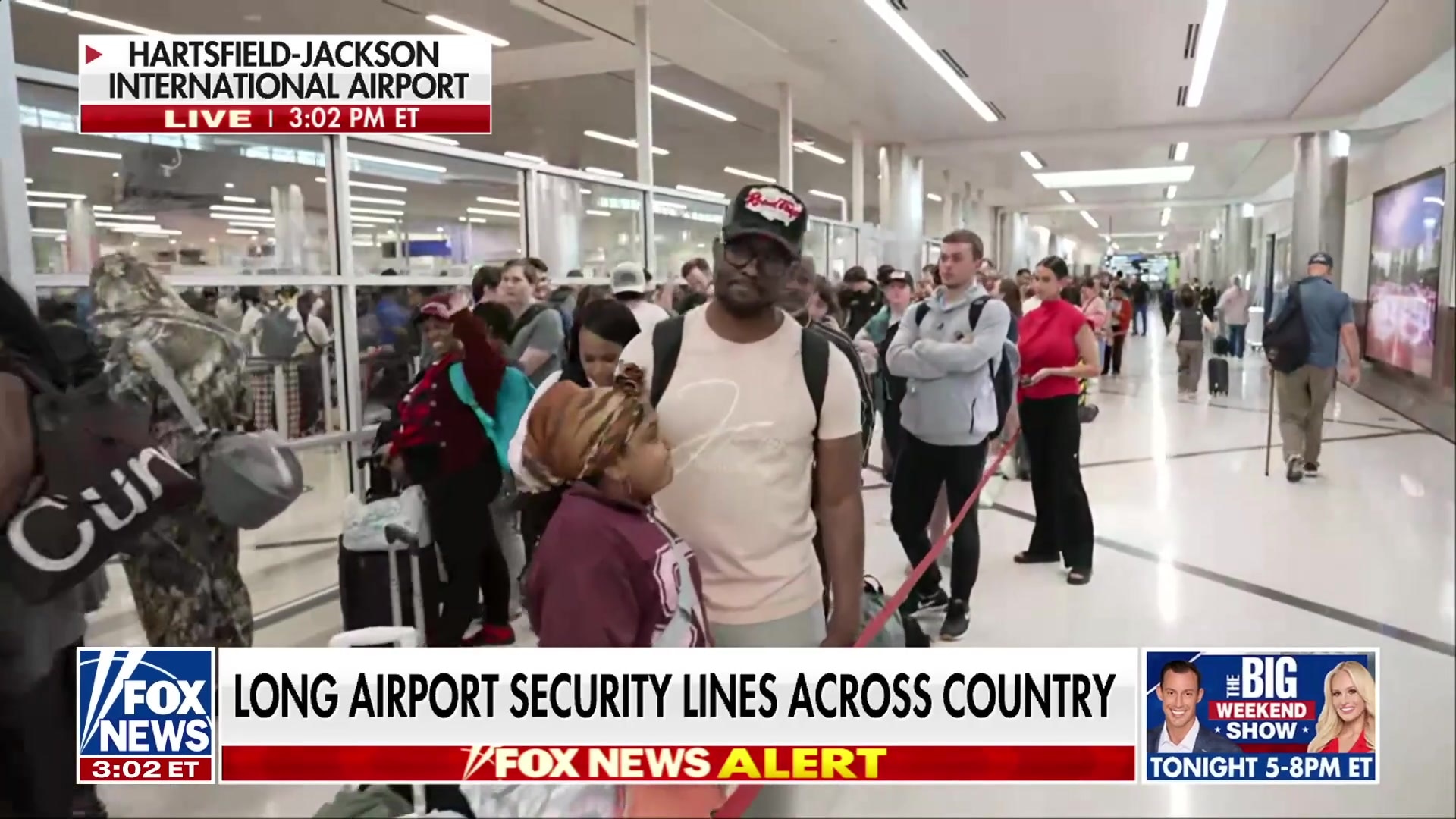
While entire airports rarely shut down completely due to the Transportation Security Administration (TSA), specific terminals and checkpoints frequently face temporary closures or "ground stops" due to security breaches, staffing shortages, or equipment failures. These disruptions occur when the integrity of the "sterile area" is compromised, necessitating a full evacuation and rescreening of all passengers to ensure aviation safety.
In 2026, air travel remains a cornerstone of global infrastructure, yet the complexities of security screening continue to be a primary bottleneck. When we speak of "airport closures due to TSA," we are usually describing a cascading series of operational halts. These events are rarely the result of a single factor but are instead the culmination of security protocols meeting real-world variables like human error, technical glitches, or federal funding cycles. Understanding why these closures happen, how they are managed, and what your rights are as a passenger is essential for navigating the modern aviation landscape.
The Anatomy of a TSA-Induced Security Breach
The most common reason for a terminal-wide closure is a security breach. In TSA parlance, the area past the security checkpoint is known as the sterile area. This zone is strictly controlled; every person, bag, and item within it must have been vetted. If an unscreened individual enters this zone—whether by walking backward through an exit lane or bypassing a checkpoint—the area is considered "compromised."
The "Dump and Scrub" Protocol
When a breach is confirmed, TSA officials often initiate what is colloquially known as a "dump and scrub." This involves:
- Evacuation: Every passenger currently in the terminal or sterile area must exit back to the "landside" (pre-security) part of the airport.
- Sweeping the Terminal: Law enforcement and TSA K9 units sweep the entire area to ensure no prohibited items were left behind or handed off by the unscreened individual.
- Total Rescreening: Every evacuated passenger must go back through the security line.
This process can take anywhere from two to six hours depending on the size of the terminal. In major hubs like Hartsfield-Jackson Atlanta International (ATL) or Chicago O’Hare (ORD), a single breach can delay hundreds of flights and impact tens of thousands of travelers across the country.
Prohibited Items and Explosive Detection
Closures also occur when a screening officer identifies a potential explosive or an undeclared firearm that appears suspicious during X-ray imaging. If the item cannot be immediately cleared, the immediate vicinity of the checkpoint is cordoned off. In high-risk scenarios, the entire ticketing lobby and checkpoint area are evacuated until a bomb disposal unit can verify the threat level. While these are usually "false positives" or "accidental inclusions" by passengers, the protocol mandates a full halt of operations.
Staffing Shortages and Federal Funding Impacts
The stability of TSA operations is deeply tied to federal budgeting and labor relations. As we look at the landscape in 2026, the agency continues to manage the balance between high passenger volumes and a fluctuating workforce.
Government Shutdowns and "Sick-Outs"
Historically, during periods of federal budget lapses (government shutdowns), TSA officers have been required to work without immediate pay. This has led to "sick-outs," where a significant percentage of the workforce calls out of shifts. When staffing levels drop below a critical threshold, airports are forced to close specific checkpoints.
In extreme cases, smaller regional airports may experience full operational closures because they lack the "reserve" staff to cover missing shifts. Larger airports respond by consolidating security into one or two "mega-checkpoints," resulting in wait times that can exceed three or four hours, effectively "closing" the airport to anyone who didn't arrive half a day early.
The TSA Modernization Act and Pay Equity
By 2026, the effects of long-term pay equity initiatives have stabilized the workforce compared to the early 2020s. However, localized staffing shortages still occur in high-cost-of-living areas. If a specific airport cannot maintain the federally mandated ratio of officers to open lanes, they may close terminals to arriving passengers, diverting traffic to other entrances or even other nearby airports.
Technical Failures and Systemic Outages
Modern security relies on a sophisticated digital and physical infrastructure. When these systems fail, the TSA cannot legally process passengers, leading to immediate checkpoint closures.
Biometric and CAT System Failures
The TSA heavily utilizes Credential Authentication Technology (CAT) and biometric face-matching systems. These units verify a passenger’s identity and flight status in real-time by communicating with secure databases. If the network goes down:
- Officers must revert to manual ID checking.
- The processing rate drops by 60-70%.
- If the system outage is widespread, the TSA may suspend screening entirely until secure communication is restored to prevent potential "bad actors" from exploiting the manual process.
CT Scanner Downtime
The transition to Computed Tomography (CT) scanners for carry-on luggage has improved detection but introduced new points of failure. These machines are complex and require specific environmental conditions (temperature and power stability). A localized power surge or a mechanical failure in a terminal's main screening bank can lead to a closure of that terminal’s security access point.
Comparison of TSA-Related Disruptions
The following table outlines the different types of TSA-related events that lead to closures and their typical impact on the traveler.
| Cause of Closure | Scope of Impact | Typical Duration | Resolution Process |
|---|---|---|---|
| Security Breach | Terminal-wide | 2 – 6 Hours | Evacuation and total rescreening of all passengers. |
| Prohibited Item Found | Checkpoint-specific | 1 – 3 Hours | Localized evacuation; Bomb Squad/LEO intervention. |
| Staffing Shortage | Airport-wide (reduced capacity) | Days/Weeks | Consolidation of checkpoints; long wait times. |
| Network/IT Outage | Nationwide or Regional | 1 – 4 Hours | Manual ID verification or temporary ground stop. |
| Equipment Failure | Individual Lane/Checkpoint | 30 mins – 2 Hours | Redirection of passengers to alternate lanes. |
Operational Impacts on Airlines and Passengers
When the TSA closes a checkpoint or terminal, the impact radiates outward through the National Airspace System (NAS). Airlines are often the most visible victims of these closures, but they have limited power to intervene in federal security protocols.
Ground Stops and Flow Control
If a major terminal is evacuated, the Federal Aviation Administration (FAA) may issue a Ground Stop for flights heading to that airport. This is done because the airport cannot process arriving passengers if the gates are full of planes that cannot depart due to their outbound passengers being stuck outside security. This creates a "logjam" that can affect flights thousands of miles away.
Passenger Rights and "Acts of Government"
It is a common misconception that airlines must provide hotel vouchers or compensation for TSA-related delays. In the eyes of the law and most airline Contracts of Carriage, a TSA closure is considered an "extraordinary circumstance" or an "act of government."
- Compensation: Airlines are generally not required to pay for meals or hotels if the TSA is the cause of the delay.
- Rebooking: Most airlines will rebook you on the next available flight for free, but they are not obligated to provide "Rule 240" style cash payouts or vouchers.
- Travel Insurance: This is often the only way to recover costs for missed non-refundable hotel stays or tours caused by a TSA-induced terminal closure.
Navigating a TSA-Related Closure: Practical Steps
If you find yourself at an airport experiencing a TSA-related closure or terminal evacuation, your immediate actions can determine whether you reach your destination or spend the night in the lobby.
- Monitor Official Channels Immediately: Do not rely on rumors from other passengers. Check the TSA’s official social media accounts or the airport’s verified website. Many airports now provide real-time updates via mobile apps.
- Exit the Sterile Area if Instructed: If an evacuation is ordered, follow directions immediately. Delaying to grab a meal or finish a phone call could lead to you being caught in a larger crowd later or, in extreme cases, being detained for questioning.
- Check for "Global" Checkpoints: In many large airports, terminals are connected airside. If Checkpoint A is closed due to a localized equipment failure, Checkpoint B may still be open. Ask a "Wayfinder" or airport ambassador if there is another way to reach your gate through a different security entrance.
- Leverage Trusted Traveler Programs: During a "rescreening" event after a breach, TSA PreCheck lanes are often prioritized to clear the backlog faster. If you have PreCheck or CLEAR, ensure you are in the correct line, as the standard lines will move significantly slower during a recovery period.
- Communicate with Your Airline: Once you realize you will miss your flight due to the closure, use the airline’s app or a gate agent (if you are already airside) to start the rebooking process. Do not wait until the security line is cleared, as thousands of others will be trying to rebook at the same time.
The Future of TSA Operations and Risk Mitigation
As we move through 2026, the TSA is implementing several initiatives aimed at reducing the frequency of full-terminal closures. One such initiative is the "One-Stop Security" model, which seeks to use advanced imaging and AI to identify breaches before they require a full evacuation.
Furthermore, "Digital Identity" integration allows for faster processing at the "exit" side of the checkpoint. By using high-resolution cameras at exit lanes, the TSA can now identify the exact individual who walked the wrong way, potentially allowing for a "targeted" search rather than a full terminal dump. However, these technologies are still being phased in, and the traditional "evacuate and rescreen" remains the gold standard for safety.
Frequently Asked Questions
Can the TSA close an entire airport?
While the TSA has the authority to suspend all screening operations, a "full airport closure" is usually a joint decision between the TSA, the Airport Authority, and the FAA. It typically only happens in the event of a major security threat, a massive systemic power failure, or a significant natural disaster. Usually, only specific terminals or checkpoints are closed.
Does TSA PreCheck help if a terminal is evacuated?
Yes and no. If the entire terminal is evacuated, you still have to go back through security like everyone else. However, once the "scrub" is complete and the lines reopen, the TSA usually re-establishes the PreCheck lanes. Because PreCheck passengers are already vetted, these lines often move much faster, helping you get back to your gate sooner than those in general screening.
What happens to my luggage if the TSA closes the checkpoint while I'm in line?
If you have already placed your bags on the belt, TSA officers will typically secure the machinery. If a full evacuation is ordered, you may be asked to leave your bags or, if time permits, take them with you. If you have already checked your bags at the ticket counter, they will remain in the baggage handling system or on the aircraft. Checked baggage screening is separate from passenger screening and usually continues unless the entire airport is locked down.
Am I entitled to a refund if a TSA closure causes me to miss my flight?
Under most Department of Transportation (DOT) guidelines and airline policies in 2026, you are entitled to a refund only if the airline cancels the flight and you choose not to travel. If the flight operates but you miss it because you were stuck in a TSA line or evacuation, the airline is generally not required to refund your ticket, though they will usually rebook you on the next available flight.
How do I find out if a TSA checkpoint is closed before I get to the airport?
The best resource is the "MyTSA" app, which provides crowdsourced and official wait times and status updates for checkpoints nationwide. Additionally, many major airports (like DFW, LAX, and JFK) provide real-time checkpoint status on their homepages.
Final Recommendation
To minimize the risk of being caught in a TSA-related closure, always arrive at the airport at least three hours before a domestic flight and four hours before an international flight. If a disruption occurs, prioritize using your airline’s mobile app for rebooking rather than waiting in physical lines at the airport. Lastly, consider maintaining an active TSA PreCheck or Global Entry membership, as these programs provide significant advantages when security checkpoints are struggling with high volume or recovering from a temporary halt.