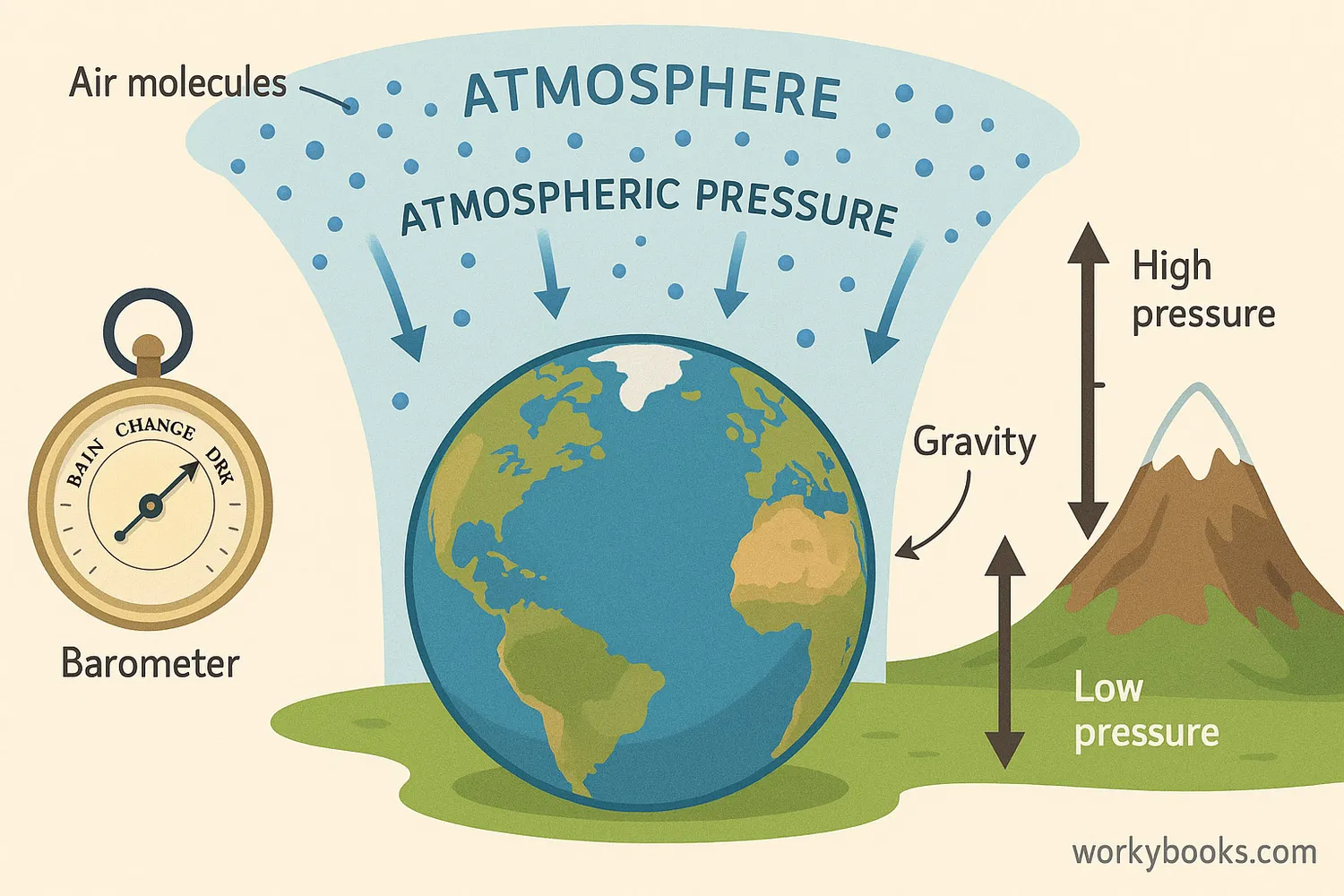
In scientific terms, air pressure—also known as atmospheric pressure—is the force exerted by the weight of air molecules on a specific surface area. Gravity pulls these molecules toward Earth, creating a column of air that presses down on everything. It is measured in units like Pascals or atmospheres and varies with altitude and temperature.
The concept of air pressure is foundational to our understanding of the physical world. While we often perceive the air around us as weightless or empty, it is actually a dense fluid composed of gases that possess mass and exert significant force. In 2026, air pressure remains a critical variable in fields ranging from meteorology and aviation to medical science and industrial engineering. Understanding what air pressure means in science requires looking at the molecular interactions, the historical discoveries that defined the field, and the mathematical laws that govern how gases behave under different conditions.
The Physical Basis of Air Pressure
To understand air pressure, one must first recognize that air is matter. It consists of nitrogen, oxygen, argon, and carbon dioxide, along with trace gases and water vapor. Because these molecules have mass, they are subject to Earth’s gravitational pull.
The Weight of the Atmosphere
Imagine a square column of air extending from the surface of the Earth all the way to the "edge" of the atmosphere (roughly 100 kilometers up). At sea level, this column of air weighs approximately 14.7 pounds for every square inch of surface area. This means that a standard human being is constantly supporting several tons of air. We do not feel crushed because the internal pressure of our bodies (our blood and tissues) pushes outward with equal force, maintaining an equilibrium.
Kinetic Molecular Theory
At the microscopic level, air pressure is the result of billions of gas molecules colliding with surfaces. According to the Kinetic Molecular Theory, gas particles are in constant, random motion. When they strike a container wall or a human body, they exert a tiny force. The sum of these billions of collisions over a specific area results in what we measure as pressure. If you increase the speed of the molecules (by heating them) or increase the number of molecules in a space (by compressing them), the frequency and force of these collisions increase, leading to higher pressure.
Measuring Air Pressure: Instruments and Units
The scientific measurement of air pressure has evolved significantly since the 17th century. Precise measurement is essential for predicting weather patterns and ensuring the safety of aircraft.
The Evolution of the Barometer
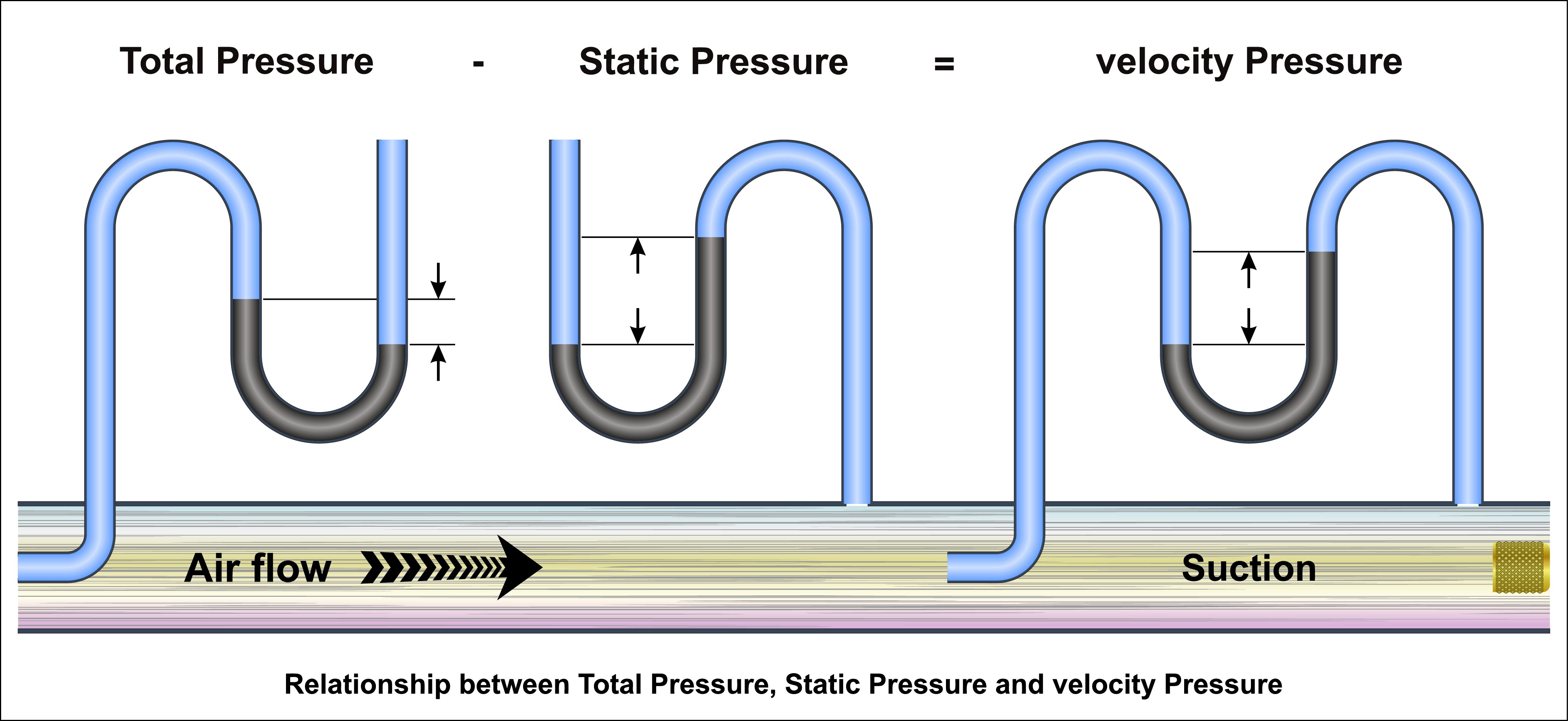
The barometer is the primary instrument used to measure atmospheric pressure.
- Mercury Barometer: Invented by Evangelista Torricelli in 1643, this device uses a glass tube inverted in a dish of mercury. The weight of the air pushes down on the mercury in the dish, forcing the liquid up the tube. At sea level, the mercury typically rises to a height of 760 millimeters (29.92 inches).
- Aneroid Barometer: This more common modern version uses a small, flexible metal box called an aneroid cell. The box is partially evacuated of air. As outside pressure changes, the box expands or contracts, moving a needle on a dial.
- Digital Sensors: In 2026, most scientific and consumer devices use MEMS (Micro-Electro-Mechanical Systems) pressure sensors. These silicon-based chips measure changes in electrical resistance or capacitance as a diaphragm deforms under pressure, providing high-precision data for smartphones and weather stations.
Standard Units of Measurement
Scientists use several different units to describe pressure depending on the context of the research.
| Unit Name | Symbol | Description | Common Use |
|---|---|---|---|
| Pascal | Pa | The SI unit (1 Newton per square meter). | Physics and engineering research. |
| Atmosphere | atm | Average pressure at sea level (101,325 Pa). | General science and chemistry. |
| Millimeters of Mercury | mmHg | The height of a mercury column. | Medicine (blood pressure) and meteorology. |
| Millibar | mb / hPa | One-thousandth of a bar (100 Pa). | Weather maps and meteorology. |
| Pounds per Square Inch | psi | Force in pounds over one square inch. | Industrial tire pressure and hydraulics. |
The Relationship Between Altitude and Pressure
One of the most important concepts in atmospheric science is the vertical gradient of air pressure. Pressure is not uniform across the globe; it decreases as you move higher into the atmosphere.
The Density Gradient
Gravity keeps the majority of air molecules close to the Earth's surface. Approximately 50% of the atmosphere’s mass is located below an altitude of 5.6 kilometers (about 18,000 feet). As you ascend a mountain or fly in a plane, there are fewer air molecules above you, meaning the weight of the air column is reduced. Consequently, the air becomes "thinner" and the pressure drops.
Practical Implications of Altitude Changes
This drop in pressure has significant biological and mechanical effects. For example, water boils at a lower temperature at high altitudes because there is less atmospheric pressure holding the liquid molecules together. In aviation, pilots must use altimeters—which are essentially sensitive barometers—to determine their height based on the surrounding air pressure. Because air pressure also changes with the weather, pilots must constantly calibrate these instruments to a local reference pressure.
Gas Laws: The Mathematics of Pressure
In science, air pressure is rarely studied in isolation. It is part of a complex relationship between volume, temperature, and the amount of gas present. These relationships are defined by the fundamental Gas Laws.
Boyle’s Law
Boyle’s Law states that for a fixed amount of gas at a constant temperature, pressure and volume are inversely proportional ($P \propto 1/V$). If you squeeze a balloon, reducing its volume, the pressure inside increases because the gas molecules have less space to move and hit the walls more frequently.
Charles’s Law and Gay-Lussac’s Law
These laws describe the impact of temperature. Charles’s Law shows that volume increases with temperature, while Gay-Lussac’s Law shows that pressure increases with temperature ($P \propto T$) if the volume is kept constant. This is why a pressurized canister (like a spray paint can) can explode if left in a fire; the rising heat increases the molecular motion until the internal pressure exceeds the strength of the container.
The Ideal Gas Law
Scientists combine these variables into the Ideal Gas Law: $PV = nRT$.
- P is pressure.
- V is volume.
- n is the amount of substance (moles).
- R is the ideal gas constant.
- T is absolute temperature.
- This equation allows scientists to predict how the atmosphere will react to changes in solar heating or moving air masses.
Air Pressure and Global Weather Systems
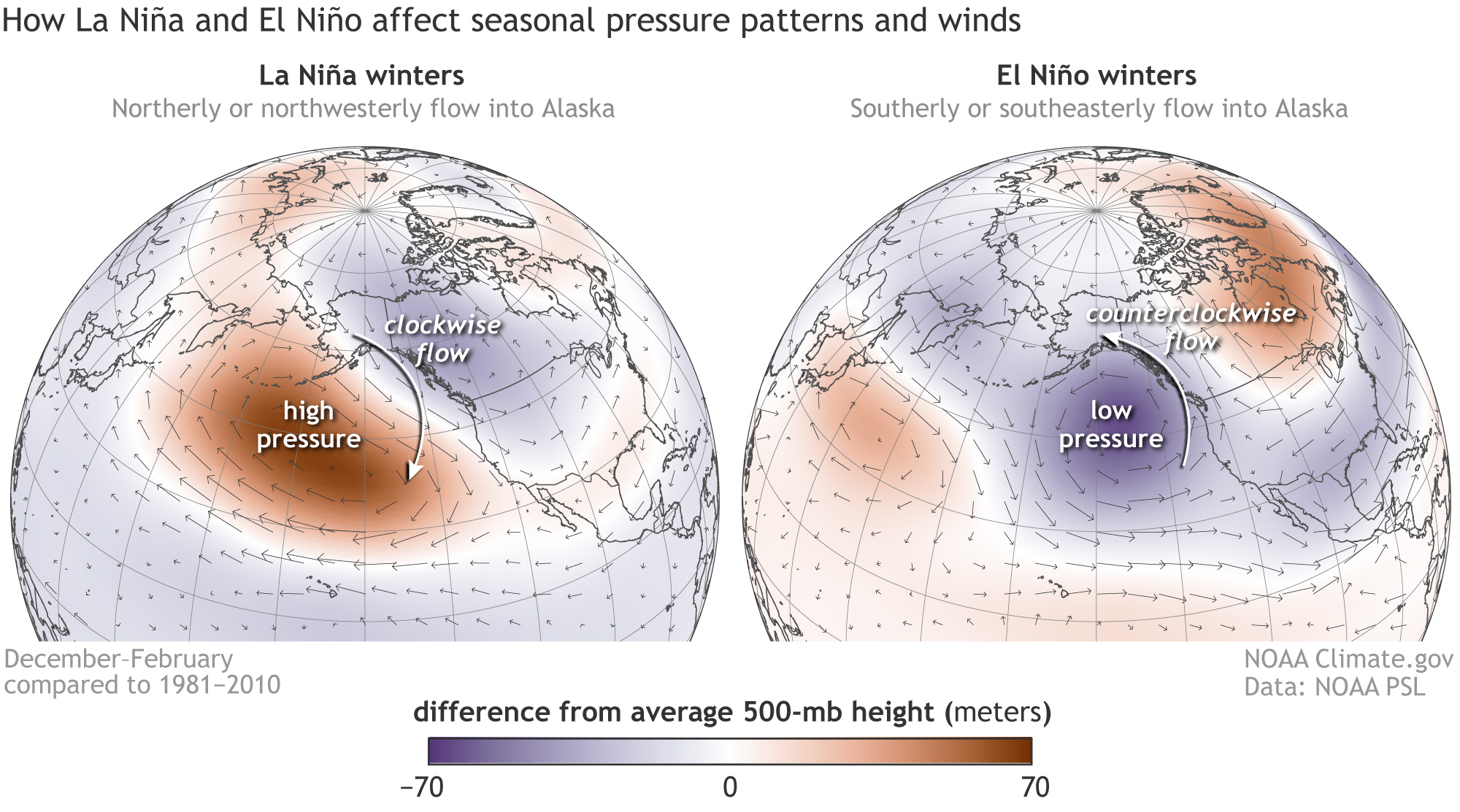
In meteorology, air pressure is the engine that drives weather. Differences in pressure between two geographic areas create wind.
High-Pressure Systems (Anticyclones)
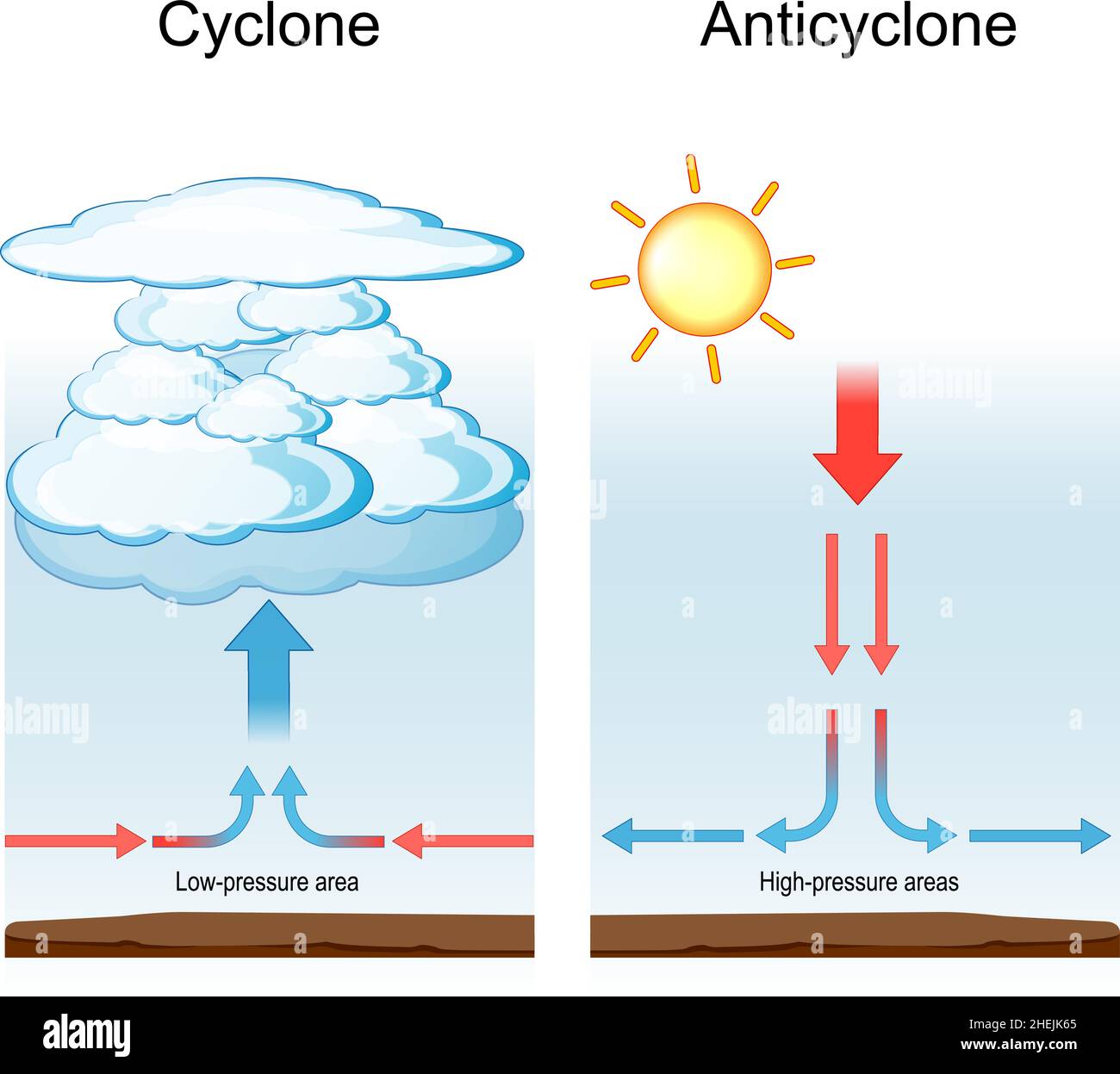
A high-pressure system occurs where air is cooling and sinking toward the surface. As the air sinks, it warms up and inhibits the formation of clouds. Therefore, high pressure is usually associated with clear skies, calm weather, and stable atmospheric conditions.
Low-Pressure Systems (Cyclones)
Conversely, low pressure occurs where air is warming and rising. As the air rises, it cools, and water vapor condenses into clouds and precipitation. Low-pressure systems are the hallmarks of storms, rain, and wind. The "pressure gradient"—the speed at which pressure changes over a distance—determines wind speed. A steep pressure gradient results in high-velocity winds, such as those found in hurricanes or tornadoes.
Biological Impacts: How Pressure Affects the Human Body
Human physiology is deeply intertwined with atmospheric pressure. Our respiratory systems and cardiovascular health rely on the maintenance of specific pressure differentials.
The Mechanics of Breathing
Breathing is a biological application of Boyle’s Law. When you inhale, your diaphragm moves down and your rib cage expands, increasing the volume of your chest cavity. This increase in volume lowers the air pressure inside your lungs compared to the outside atmosphere. Air naturally flows from the higher-pressure environment outside into the lower-pressure environment inside your lungs. Exhaling reverses this process.
Pressure and Dissolved Gases
Pressure also dictates how much gas can dissolve in our blood. Scuba divers must be wary of "the bends" (decompression sickness). At depth, the high water pressure forces more nitrogen into the bloodstream. If the diver ascends too quickly, the surrounding pressure drops rapidly, and the nitrogen forms bubbles in the blood, similar to the carbonation in a soda bottle when the cap is removed.
High-Altitude Adaptation
At high altitudes, the lower partial pressure of oxygen makes it harder for the lungs to transfer oxygen into the blood. This leads to altitude sickness. Over time, the body can adapt by producing more red blood cells to carry oxygen more efficiently, a process often utilized by elite athletes through "altitude training."
Modern Applications and Industrial Science
In 2026, air pressure technology is more integrated into daily life than ever before. From the vacuum cleaners in our homes to the high-tech seals in space stations, managing pressure is a key engineering challenge.
- Pneumatics: Many industrial robots and assembly lines use compressed air (high pressure) to move mechanical parts. Pneumatic systems are preferred in many environments because they are clean and do not pose a spark risk like electrical systems.
- Suction and Vacuums: A vacuum is not a "force" that pulls; rather, it is an area of significantly lower pressure. A suction cup works because the air is pushed out from under it, and the higher atmospheric pressure on the outside holds it firmly against the surface.
- Aviation and Space: Spacecraft must maintain a pressurized internal environment (usually 1 atm) to keep astronauts alive in the vacuum of space. The structural integrity of these vessels depends on their ability to withstand the massive pressure difference between the interior and the exterior void.
Frequently Asked Questions
Why does my "ears pop" when I travel up a mountain?
This happens because the air pressure inside your middle ear is momentarily higher than the decreasing pressure of the outside atmosphere. The "pop" is the sound of the Eustachian tube opening to equalize the pressure between your inner ear and the environment.
What is "Standard Pressure" in a laboratory?
In scientific experiments, Standard Temperature and Pressure (STP) is used as a reference point. As of current 2026 standards, standard pressure is defined by the IUPAC as 100,000 Pascals (1 bar), though 101,325 Pa (1 atm) is still frequently used in older literature and specific chemical engineering contexts.
Can air pressure affect my physical health?
Yes. Many people with joint pain or migraines report increased symptoms when barometric pressure drops (usually before a storm). While the exact mechanism is still being studied, it is believed that lower external pressure allows tissues to expand slightly, which can irritate sensitive nerves or joints.
How does a vacuum cleaner use air pressure?
A vacuum cleaner uses a motor to spin a fan, which blows air out of the exhaust and creates a low-pressure zone inside the machine. Because the air pressure inside the vacuum is lower than the room's air pressure, the outside air rushes in to fill the gap, carrying dust and debris with it.
Is air pressure the same as wind?
No, but they are related. Air pressure is the weight of the air, while wind is the movement of air. Air moves from areas of high pressure to areas of low pressure. Think of it like a balloon: if you inflate it (high pressure) and let go of the neck, the air rushes out toward the lower pressure of the room, creating "wind."
Practical Recommendation for Further Observation
To see the effects of air pressure yourself, you can monitor a local barometer or a weather app that provides "Station Pressure" readings. Note the correlation between a falling barometer and the arrival of clouds or rain. For students or hobbyists, building a simple water barometer using a clear bottle and a straw can provide a visual representation of how the atmosphere pushes down on fluids, changing the water level as weather systems move through your area.