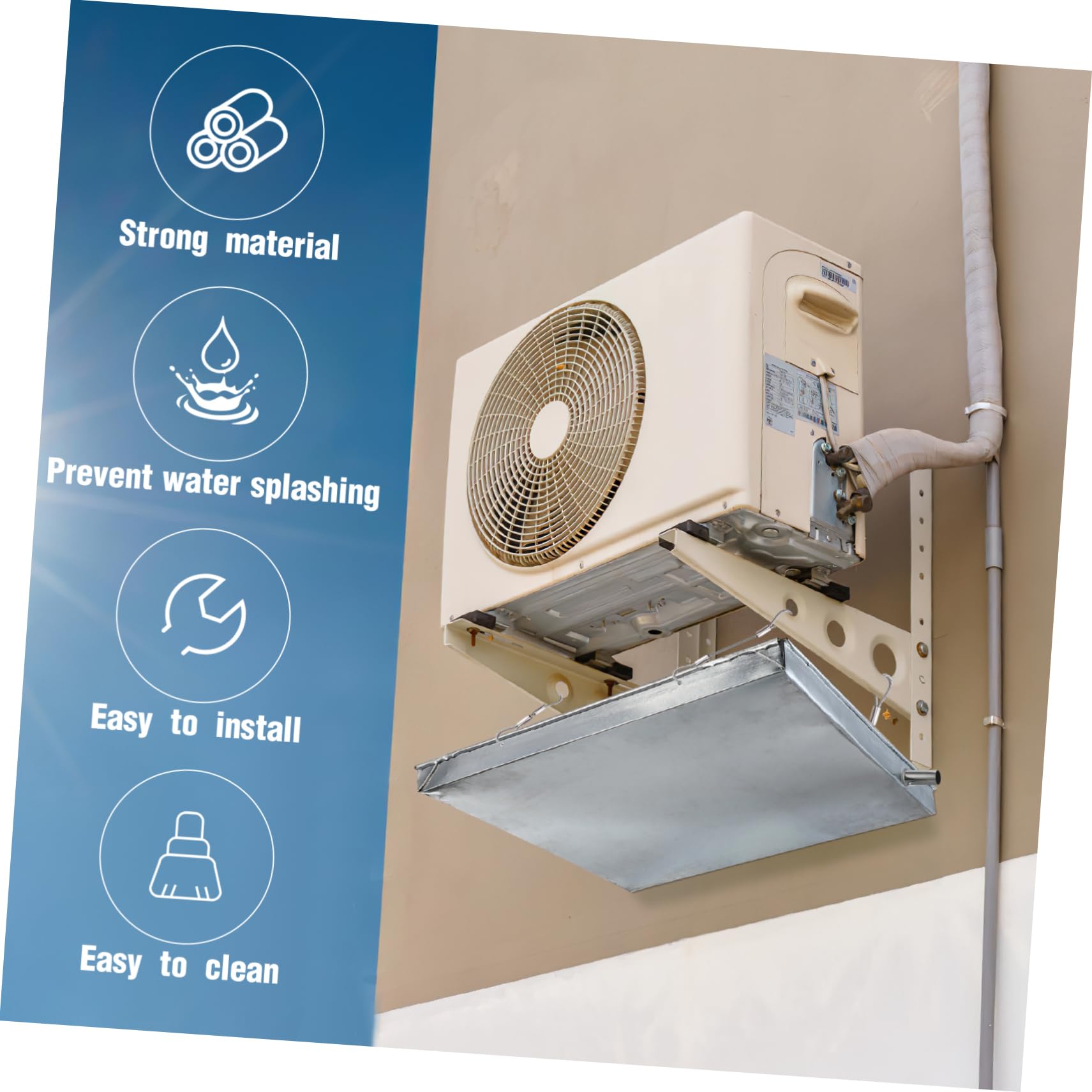
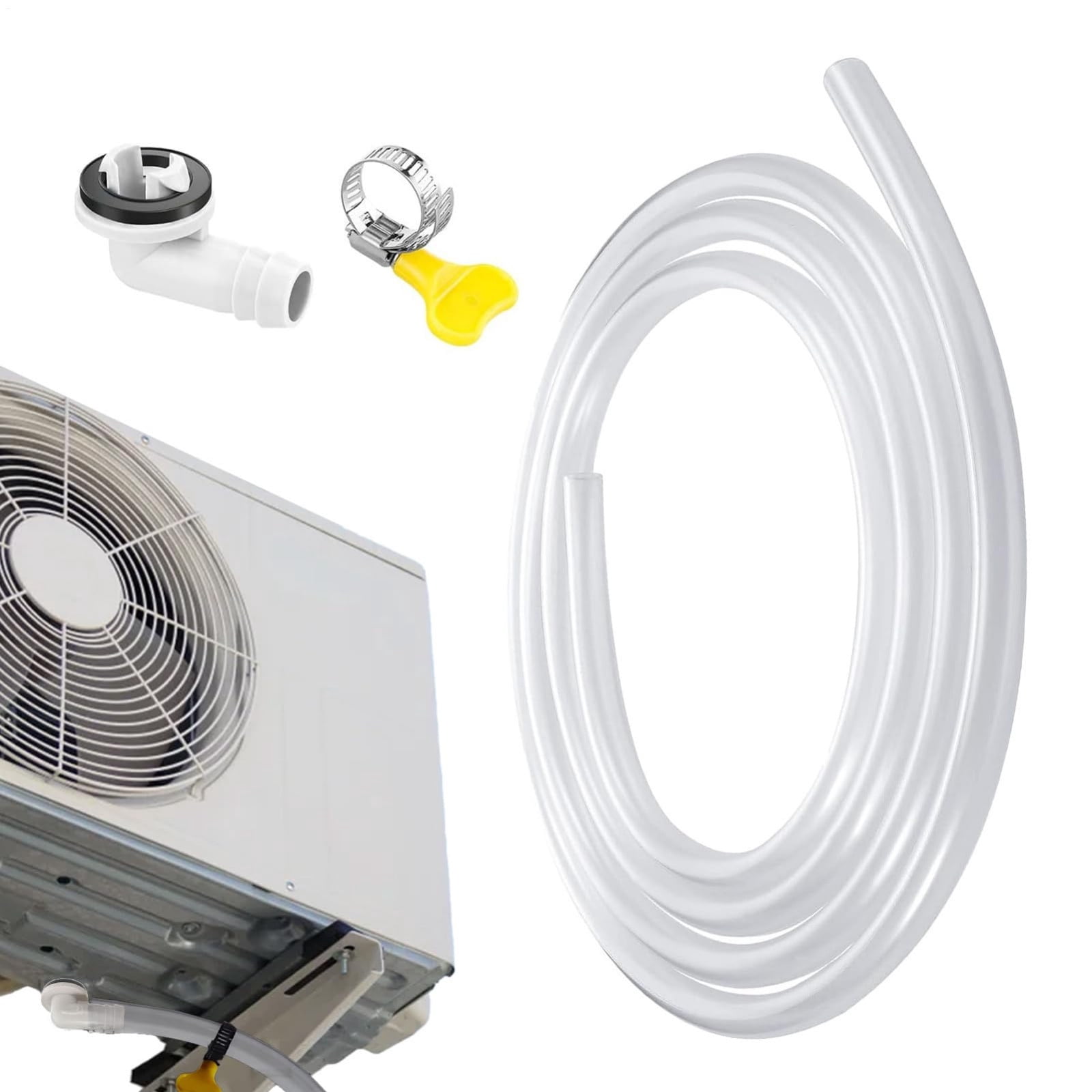
Air conditioner water condensate is the moisture that naturally forms when warm, humid indoor air passes over an air conditioner's cold evaporator coils, turning water vapor into liquid that must be safely collected and drained away to prevent property damage and system malfunctions.
Managing air conditioner water condensate is a critical aspect of residential and commercial property maintenance. While most homeowners focus on temperature control, filters, and refrigerant levels, the physical byproduct of cooling—water—requires careful management to prevent water damage, mold growth, and system failures. Understanding how condensate forms, how it is collected and transported, and how to maintain the drainage infrastructure ensures optimal cooling efficiency and structural safety for buildings in 2026.
The Science of Condensation: What Is AC Water Condensate?
To understand air conditioner water condensate, one must examine the fundamental thermodynamic principles governing cooling systems. Air conditioning units do not simply cool air; they also condition it by removing moisture. This dual action is achieved through the process of psychrometrics, specifically the interaction between temperature, relative humidity, and dew point.
The Physics of Cooling and Dehumidification
Warm air can hold significantly more water vapor than cold air. When an air conditioning system draws in warm, humid indoor air via the return ducts, it forces that air across the evaporator coils. Inside these coils circulates a cold refrigerant, typically chilled to temperatures well below the dew point of the incoming air.
As the warm air makes contact with the cold surface of the evaporator coil, thermal energy is transferred from the air to the refrigerant. This rapid cooling drops the temperature of the air below its dew point. According to the psychrometric laws of phase change, when air reaches its dew point, water vapor loses enough thermal energy to transition from a gas back into a liquid state. This physical transformation is known as condensation.
Factors Influencing Condensation Volume
The amount of water an air conditioner produces varies dramatically depending on environmental and operational factors:
- Indoor Relative Humidity: Higher ambient humidity levels mean more moisture is suspended in the air, resulting in a higher volume of condensate production.
- System Capacity: Larger cooling systems (measured in tons of refrigeration) process greater volumes of air per hour, inherently generating more condensate than smaller residential units.
- Run Time: Systems operating continuously during peak summer heat waves produce a steady, high volume of water compared to systems that cycle on and off infrequently.
- Thermostat Settings: Setting the thermostat to lower temperatures keeps the evaporator coils cold for longer periods, increasing moisture extraction.
Under normal operating conditions, a standard residential air conditioner can produce anywhere from 5 to 20 gallons of water per day. Failing to account for this massive volume can lead to catastrophic indoor flooding and structural deterioration.
Components of a Condensate Management System
A standard HVAC installation incorporates a dedicated condensate management system designed to capture, channel, and expel the water safely away from the building. Understanding these components helps in troubleshooting and routine maintenance.
The Condensate Drain Pan
The primary line of defense against uncontrolled water movement is the condensate drain pan (often called the evaporator coil pan or secondary drain pan). Located directly beneath the indoor evaporator coil unit, this shallow tray catches the droplets as they roll off the fins of the coil.
Drain pans are typically constructed from rust-resistant materials such as heavy-duty plastics, stainless steel, or galvanized metal treated with corrosion-resistant coatings. Over time, however, these pans can degrade, crack, or develop pinhole leaks due to continuous exposure to standing water and acidic dust accumulation.
Drainage Piping and P-Traps
From the drain pan, water flows by gravity into the condensate drain line—a network of PVC or CPVC piping that routes the water out of the building. A crucial element within this piping run is the P-trap.
The P-trap functions identically to the plumbing trap beneath a household sink. Because the air handler operates under negative pressure (when the blower fan pulls air across the coil), an unsealed drain line would allow the fan to draw air backward through the pipe, preventing water from draining and creating a gurgling noise. The standing water in the P-trap creates an airtight seal that allows water to flow out while blocking air from entering the drainage system.
Condensate Pumps
In many architectural layouts—such as basements, attics, or commercial high-rises—gravity drainage is impossible because the air handler is positioned below or far away from the building's exterior or main plumbing stack. In these scenarios, a condensate pump is required.
A condensate pump consists of a small reservoir tank, a float switch, and a motorized pump assembly. As water fills the reservoir, the float rises. When it reaches a specific threshold, it triggers the pump motor, which forces the water upward and outward through flexible vinyl tubing to a designated discharge point outdoors or into a utility drain.
Common Condensate Management Methods
| Method | Best Suited For | Primary Advantage | Main Vulnerability |
|---|---|---|---|
| Gravity Drain | Basements, ground-level utility rooms | No mechanical parts; highly reliable | Requires constant downward slope |
| Condensate Pump | Attics, interior closets, basements | Flexible routing; overcomes elevation | Mechanical failure; requires power |
| Dry Well / French Drain | Standalone outdoor installations | Keeps foundations clear of standing water | Soil saturation over time |
| Plumbing Stack Tie-in | Urban apartments, commercial spaces | Disposes water directly into sewer system | Potential sewer gas intrusion if unvented |
Risks and Consequences of Poor Condensate Management
Neglecting the management of air conditioner condensate can lead to severe structural, financial, and health consequences. Because water is continuously generated during cooling cycles, any disruption in the drainage path immediately creates a hazard.
Water Damage and Structural Decay
The most immediate risk of a compromised condensate system is water damage. When a primary drain line clogs or a drain pan rusts through, water overflows into the surrounding building structure.
In attic installations, overflowing water routinely saturates ceiling drywall, insulation, and wooden structural framing, causing ceilings to collapse and promoting extensive rot. In basement or utility closet installations, pooling water can ruin flooring, warp baseboards, and undermine foundation integrity.
Indoor Air Quality and Mold Proliferation
Dark, damp environments are ideal breeding grounds for mold, mildew, and bacteria. Organic debris such as dust, pollen, and skin cells frequently accumulate inside the wet environment of the condensate drain pan and piping.
When algae or mold colonies clog the drain line, standing water stagnates. Mold spores can then be drawn into the HVAC ductwork and distributed throughout the living space, triggering allergic reactions, asthma attacks, and other respiratory complications for building occupants.
Statutory and Insurance Implications
Property insurance policies routinely exclude damage caused by long-term, preventable maintenance failures, such as neglected HVAC leaks. If an overflowing condensate line causes extensive damage because it was not serviced or inspected, the property owner may absorb the financial loss entirely. Furthermore, commercial building codes strictly regulate where condensate can be discharged, often prohibiting wastewater from draining onto public walkways or neighboring properties.
Routine Maintenance and Troubleshooting
Proper maintenance mitigates the risks associated with condensate management. Homeowners and facility managers can execute several preventative measures to ensure free-flowing drainage.
Cleaning and Clearing Drain Lines
Algae, slime, and mineral deposits are the primary culprits behind clogged condensate lines. Regular cleaning prevents blockages before they cause overflows.
- Locate the Access Point: Identify the T-shaped vent or cleanout port on the primary condensate drain line near the indoor unit.
- Remove the Cap: Open the cleanout cap carefully to avoid damaging brittle PVC fittings.
- Flush the Line: Pour a cup of distilled white vinegar or an approved algaecide down the line every one to three months. Allow it to sit for 30 minutes, then flush thoroughly with warm water.
- Mechanical Clearing: If a clog is severe, use a wet/dry vacuum on the outdoor termination end of the pipe to suck out blockages. Avoid using high-pressure compressed air, as it can crack glued PVC joints within walls or ceilings.
Installing and Testing Safety Switches
Modern HVAC installations frequently incorporate safety shut-off devices to prevent water damage during a blockage.
- Float Switches (Float-ups): Installed in the auxiliary drain pan or on the primary drain line's T-port, these electronic switches monitor water levels. If water rises due to a blockage, the float triggers a relay that cuts power to the entire HVAC system, preventing the air conditioner from producing more water.
- Condensate Overflow Sensors: Solid-state sensors detect moisture and shut down the system immediately upon contact.
Checking these switches during seasonal tune-ups ensures they remain operational and capable of intercepting potential floods.
Frequently Asked Questions
Why is my air conditioner leaking water inside the house?
An indoor leak typically indicates a clogged condensate drain line, a cracked or rusted drain pan, or a disconnected drain pipe. When algae or debris blocks the flow of water, it backs up and spills over the edges of the pan into the living space or structural cavities.
How often should I clean my AC condensate drain line?
You should clean your condensate drain line every one to three months during the cooling season. Pouring a mixture of warm water and vinegar down the cleanout port prevents the accumulation of algae and bacterial slime that cause clogs.
Can I run my AC condensate line into my plumbing system?
Yes, but it must be done correctly. Tying into a household plumbing stack or laundry standpipe requires an approved P-trap and air gap to prevent sewer gases and foul odors from entering the HVAC ductwork and living areas. Always consult local plumbing codes before modifying drain routing.
What is the purpose of the P-trap on an air conditioner drain line?
The P-trap holds a standing column of water that acts as an airtight seal. Because the blower fan creates negative pressure inside the air handler, the trap prevents air from being sucked backward through the drain pipe, which would otherwise impede the flow of water.
What should I do if my condensate pump stops working?
First, verify that the pump is plugged into a functional electrical outlet and that the circuit breaker has not tripped. If the unit has power but fails to operate when the internal float is manually lifted, the motor or internal switch has likely failed and the pump assembly must be replaced.
Professional Recommendations and Next Actions
Effective management of air conditioner water condensate requires a proactive balance of routine homeowner maintenance and professional inspections. To protect your property, schedule a comprehensive HVAC service appointment at the start of each cooling season. Ensure technicians verify the integrity of the drain pan, test electronic safety float switches, and flush the primary and secondary drainage lines. If you notice unusual moisture near your indoor air handler, immediately shut down the system to prevent structural damage and inspect the drainage infrastructure or call a licensed HVAC professional.