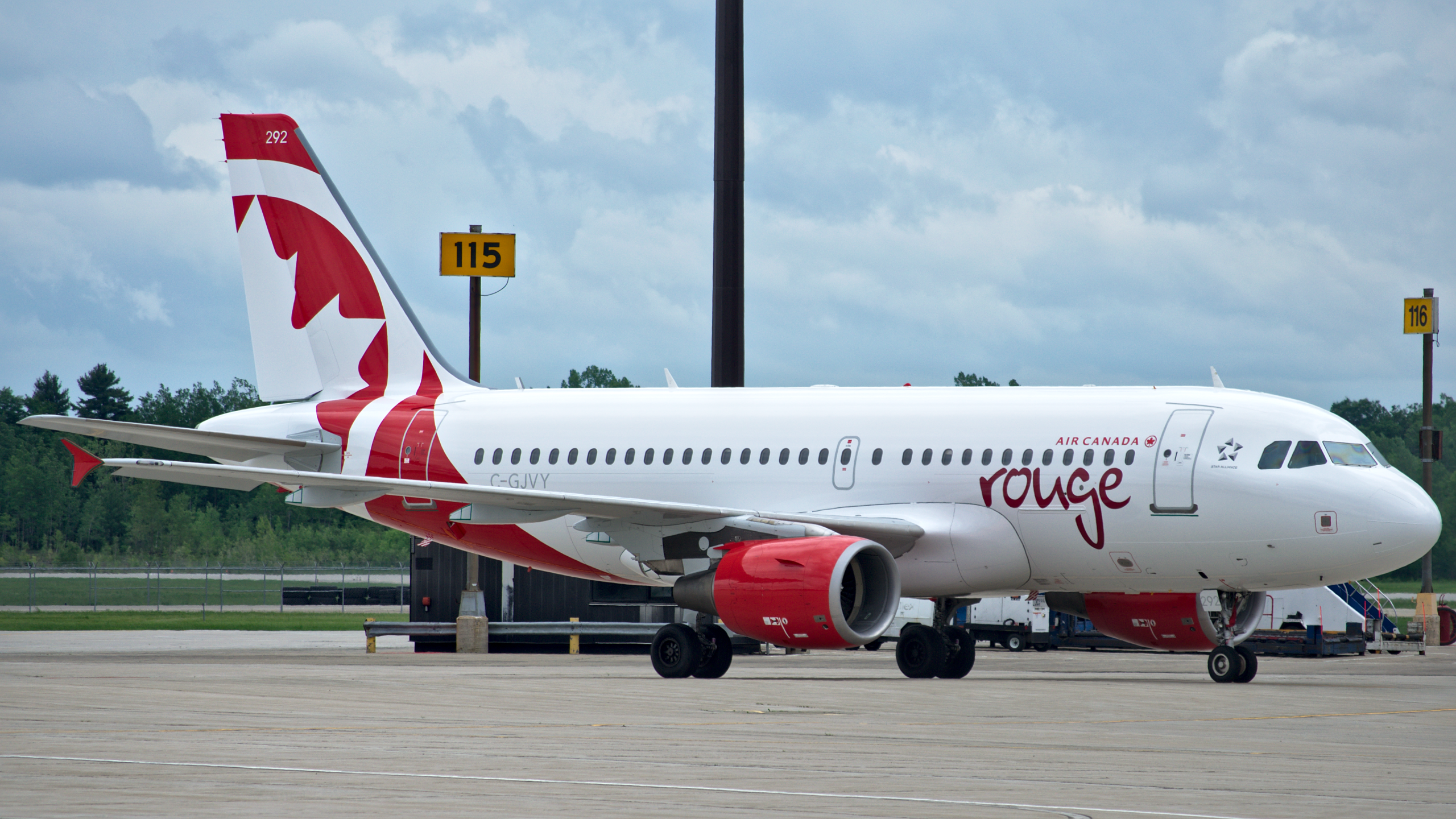
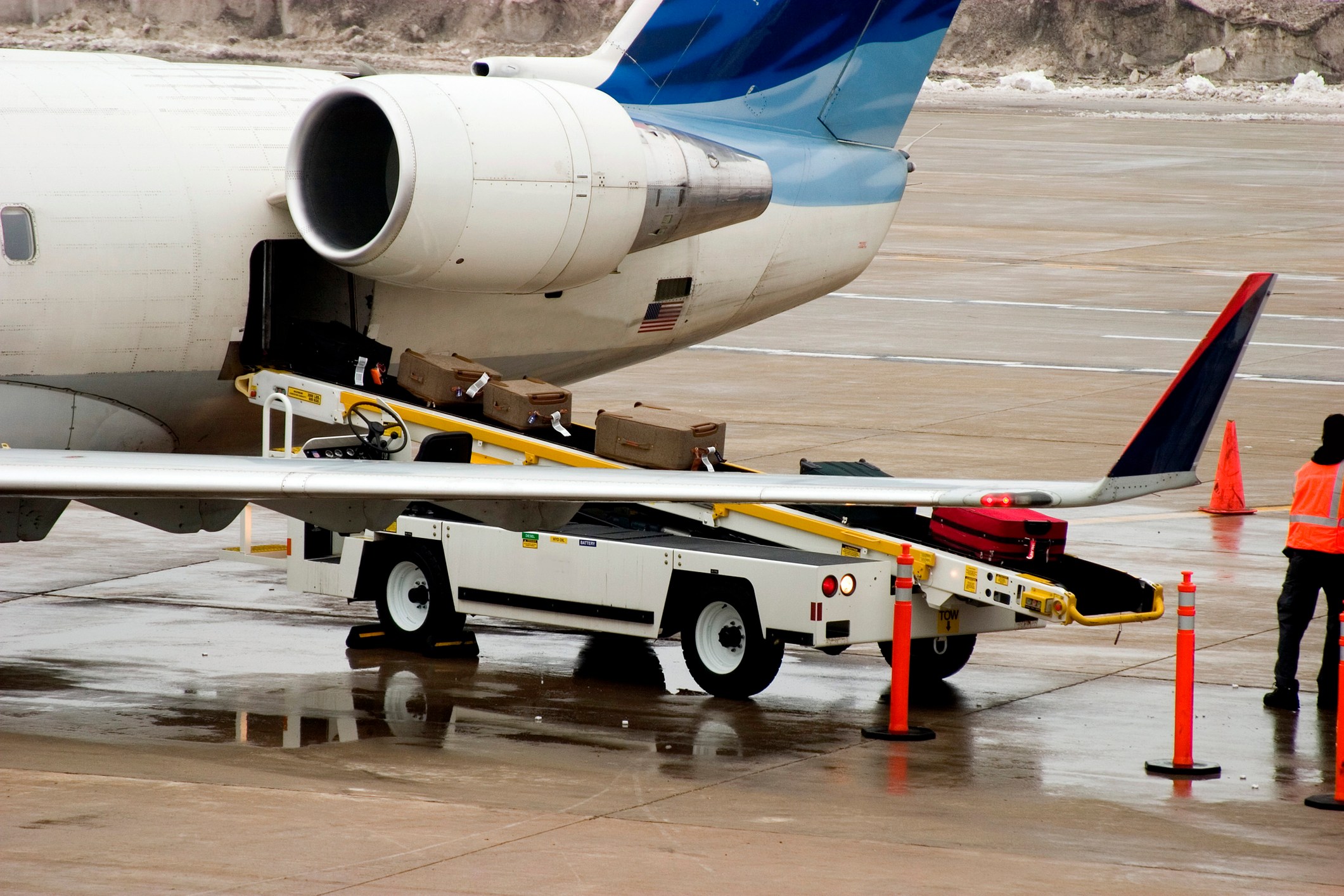
Incidents involving Air Canada baggage handlers trapped in cargo holds, though rare, highlight critical gaps in ramp communication and ground safety protocols. These events typically occur during high-pressure turnaround windows. Modern aircraft cargo holds are pressurized, allowing for survival, but victims face extreme noise, potential hypothermia, and psychological trauma until the aircraft reaches its destination.
Historical Context: Major Incidents and Safety Lapses
While aviation is one of the most regulated industries in the world, the "ground-to-air" transition remains a vulnerable window for human error. One of the most documented cases involving the Air Canada brand occurred in December 2012, involving an Air Canada Jazz (operated by Chorus Aviation) flight. A ground handler was accidentally locked inside the cargo hold of a Bombardier Dash 8-Q400 traveling from Vancouver to Yellowknife.
The worker was not discovered until the plane landed in Yellowknife, over two hours later. Despite the freezing temperatures at high altitudes, the individual survived because the Dash 8-Q400's cargo hold is part of the aircraft’s pressurized vessel. However, the incident sparked a massive investigation by the Transportation Safety Board of Canada (TSB). The investigation revealed that a breakdown in the "load-close" communication sequence allowed the aircraft to depart while a member of the ground crew was still inside finalizing the placement of luggage.
Similar occurrences have happened globally, but for Air Canada, these events serve as high-profile reminders of the risks associated with ramp operations. In the years following, including up to 2026, the focus has shifted from simple "visual checks" to integrated digital checklists to ensure that all personnel are accounted for before the cargo door is latched and the flight crew receives the "all clear."
The Mechanics of the Cargo Hold: Environment and Survival
To understand the severity of being trapped in a cargo hold, one must understand the engineering of the space. Commercial aircraft, such as those in the Air Canada fleet (Airbus A320s, Boeing 787s, and the Bombardier/De Havilland regional fleet), have cargo compartments that differ significantly in their environmental controls.
Pressurization and Oxygen Levels
Contrary to popular myth, the cargo hold of a modern commercial airliner is pressurized. If it weren't, the pressure differential at a cruising altitude of 35,000 feet would cause the floor of the passenger cabin to collapse. Because the hold is within the "pressure hull," there is sufficient oxygen for a human to breathe. However, the air quality is not always optimal, as it is often recycled from the cabin or contains fumes from luggage (such as perfumes or specialized equipment).
Temperature Regulation
Temperature is the most volatile factor. Many cargo holds are classified as "Class C" or "Class D." While the passenger cabin is kept at a comfortable 22°C (72°F), the cargo hold might only be "tempered." In narrow-body aircraft, the temperature can drop significantly, sometimes reaching near-freezing levels, especially if the heating system for that specific hold is not activated (which is often only done when live animals are being transported). For a trapped baggage handler, hypothermia is a genuine risk during long-haul transcontinental flights.
Fire Suppression Risks
The most dangerous technical aspect of being trapped is the fire suppression system. Most Class C cargo holds are equipped with Halon gas extinguishers. If the flight deck receives a false smoke indication and triggers the suppression system, the concentration of Halon in the confined space can be lethal to a human. This creates a terrifying scenario where the very system designed to save the plane could jeopardize the life of a trapped individual.
Safety Protocols and Ground Handling Procedures
The prevention of "person-in-hold" incidents relies on a rigid set of Standard Operating Procedures (SOPs). At Air Canada, these protocols are governed by both internal safety management systems and the Transport Canada regulatory framework.
- The "Two-Person" Rule: Modern safety standards often require a second ramp agent to verify that the hold is clear before the door is closed. This "buddy system" is designed to catch instances where a worker might be hidden behind a large cargo container or luggage stack.
- The Lead Hand's Verification: The Lead Ramp Agent or "Lead Hand" is responsible for the final walk-around. They must receive a verbal or signal-based confirmation from the workers inside the hold that they have exited.
- Communication with the Flight Deck: The pilot-in-command cannot push back from the gate until the ground lead provides a "thumbs up" or a verbal confirmation via the headset. If the communication link is broken or rushed, the risk of an incident increases exponentially.
As of 2026, many of these manual checks have been supplemented by "Smart Ramp" technologies. This includes sensors that detect movement or CO2 levels within the hold after the door is locked, providing an extra layer of protection against human oversight.
Legal and Occupational Consequences
In Canada, an incident where a worker is trapped in an aircraft is not just a safety failure; it is a legal violation under the Canada Labour Code, Part II. This legislation mandates that employers provide a safe working environment.
TSB Investigations
When such an event occurs, the Transportation Safety Board of Canada (TSB) often classifies it as an "occurrence." Their role is not to assign blame but to identify systemic failures. For Air Canada and its subsidiaries, a TSB report can lead to mandatory changes in training manuals and equipment.
Fines and Liability
Airlines can face substantial fines if it is found that they neglected safety training or pressured ground crews to meet unrealistic "turnaround times." For the worker involved, the psychological impact—often diagnosed as Post-Traumatic Stress Disorder (PTSD)—can lead to long-term disability claims and civil litigation.
Comparing Cargo Hold Environments Across Aircraft
The experience of being trapped varies significantly depending on the aircraft type. Wide-body jets used for international routes have much larger, more sophisticated holds than the regional turboprops used for domestic hops.
| Aircraft Category | Pressurization | Temperature Control | Common Fire Suppression | Risk Level for Personnel |
|---|---|---|---|---|
| Regional (e.g., Dash 8) | Yes | Limited/Passive | Portable/None | High (Cold/Noise) |
| Narrow-body (e.g., A320) | Yes | Controlled (Active) | Halon Gas | Moderate (Oxygen/Halon) |
| Wide-body (e.g., B777) | Yes | Multi-zone Control | High-concentration Halon | Very High (Isolation) |
| Freighters | Yes | Full Control | Various | Low (Accessible from Cabin) |
Human Factors: Why These Incidents Occur
Despite the technology, the "human factor" remains the primary cause of baggage handlers being trapped. The aviation industry operates on razor-thin margins for time.
- Noise Pollution: The ramp is an incredibly loud environment. Between jet engines, ground power units, and other vehicles, a worker screaming from inside a cargo hold is almost impossible to hear once the door is latched.
- Time Pressure: Air Canada, like all major carriers, tracks "On-Time Performance" (OTP). Ground crews are often under immense pressure to load hundreds of bags in 20–30 minutes. In the rush to "button up" the plane, the final check can be performed perfunctorily rather than thoroughly.
- Fatigue: Ramp work is physically exhausting and often involves irregular shifts. A fatigued worker is more likely to lose situational awareness, either by staying in the hold too long or by failing to notice a colleague is still inside.
Survival and Response: What Happens Inside?
If a baggage handler finds themselves trapped as the door closes, their options are limited. Most cargo doors on commercial aircraft cannot be opened from the inside due to the locking mechanisms and the eventual pressure seal.
The first response is typically to create as much noise as possible. Ground handlers are trained to bang on the fuselage or the floor of the passenger cabin. In several historical cases, passengers in the last few rows of the aircraft have reported hearing "thumping" sounds from beneath their feet, leading the flight crew to return to the gate.
If the aircraft takes off, the individual must find a way to stay warm. Utilizing passenger luggage—specifically bags containing clothing—can be a survival tactic to stave off hypoxemia-related cold. Most modern Air Canada aircraft have an "Interphone" system, but these are rarely accessible from within the cargo hold itself, leaving the victim in a state of isolation until landing.
FAQ: Frequently Asked Questions
Is there enough air to breathe in an Air Canada cargo hold?
Yes, all modern Air Canada passenger aircraft have pressurized cargo holds. Because the hold shares the same pressurized "envelope" as the passenger cabin, there is sufficient oxygen for survival. However, air circulation is lower than in the cabin, and the presence of specialized fire suppression systems (like Halon) can pose a risk if activated.
Can a baggage handler open the cargo door from the inside?
Generally, no. Commercial aircraft cargo doors are designed with heavy-duty locking pins and electronic actuators that are operated from the exterior. Once the handle is stowed and the door is locked for flight, it cannot be manually released from the interior. This is a safety feature to prevent accidental opening during flight.
How cold does it get in the cargo hold during a flight?
The temperature varies by aircraft and whether the hold is "heated." While the hold is protected from the -50°C temperatures of high altitude, it can still drop to near freezing (0°C to 7°C) if no live animals are being transported and the heating systems are set to a minimum.
What has Air Canada done to prevent these incidents as of 2026?
By 2026, Air Canada has implemented enhanced digital "ramp-clear" protocols. This includes the use of ruggedized tablets for ground leads that require a multi-person digital sign-off before a flight is cleared for pushback. Additionally, increased investment in "Safety Management Systems" (SMS) focuses on reducing the time-pressure stressors that lead to these errors.
Are trapped baggage handlers common?
No, these incidents are extremely rare. Considering the thousands of flights Air Canada operates daily, the occurrence rate is statistically negligible. However, because of the high potential for fatality or serious injury, each incident is treated with the highest level of severity by the TSB and Transport Canada.
Practical Recommendations for Ground Safety
For those working in the aviation industry or interested in ramp safety, the following actions are critical to maintaining a "zero-incident" environment:
- Maintain Situational Awareness: Never enter a cargo hold without informing a colleague. Even if you are just retrieving a "late bag," the "two-out" rule should always apply.
- Prioritize Safety Over OTP: While on-time performance is a key metric, it should never supersede the final visual check of the cargo compartments.
- Use High-Visibility Communication: When the hold is clear, use standardized hand signals that are clearly visible to the Lead Hand and the Tug Driver.
- Report Near-Misses: If a door was almost closed on a worker, it must be reported through the internal SMS. Analyzing near-misses is the only way to prevent a future tragedy.
For the traveling public, if you ever hear unusual, rhythmic banging or muffled shouting from beneath the cabin floor during taxiing, alert the flight attendants immediately. Your intervention could be the final safety net for a worker trapped below.