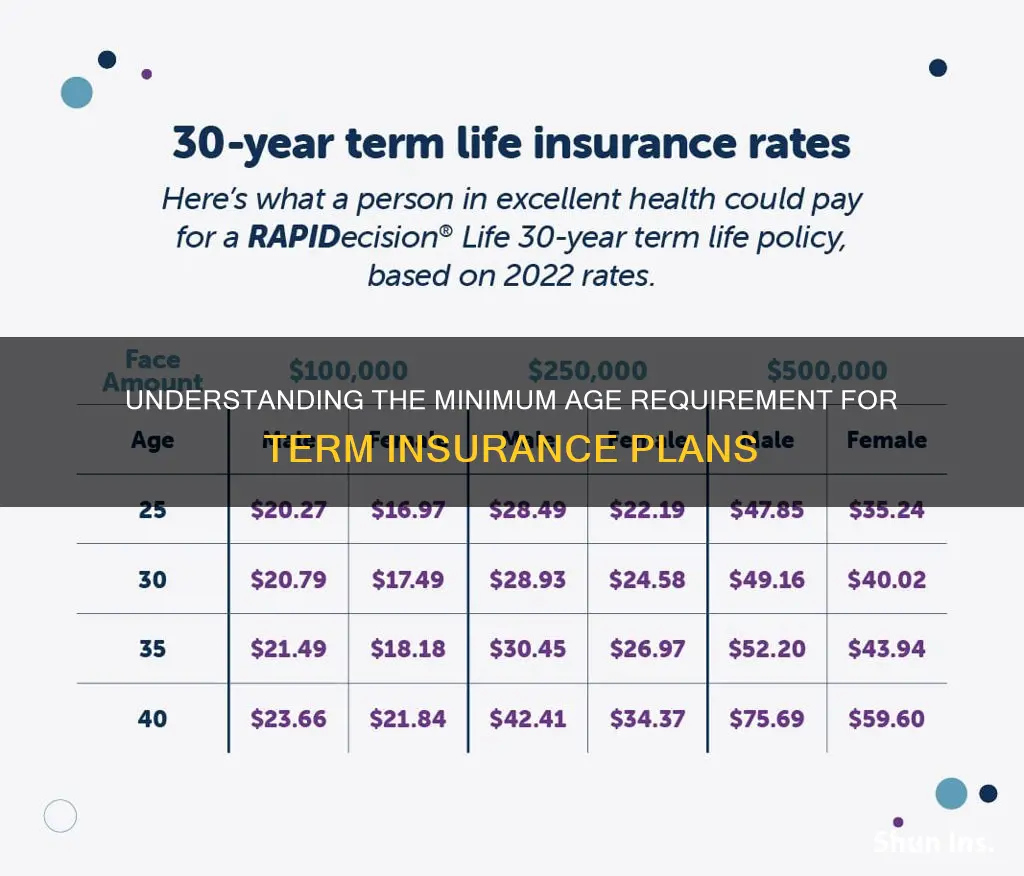
The age requirement for purchasing life insurance typically starts at 18 years old, as this is the age of majority when an individual can legally enter into a binding contract. While some specialized policies allow for the insurance of minors through juvenile plans, the primary applicant for a standard life insurance policy must be a legal adult. Most insurance carriers maintain upper-age limits as well, often capping new applications between the ages of 75 and 90, depending on the policy type and underwriting guidelines.
The Legal Basis for Age Eligibility
The fundamental requirement for purchasing life insurance is the ability to sign a legally binding contract. In most jurisdictions, this capacity is attained upon reaching the age of 18. Insurance policies are legal agreements between the policyholder and the insurer, requiring the policyholder to understand the terms, conditions, and financial obligations of the contract.
When an individual applies for coverage, they are entering a long-term commitment. Because minors lack the legal standing to enter into these contracts independently, they cannot be the primary policy owners of standard insurance products. However, the industry has developed specific mechanisms to provide coverage for children, which are distinct from adult-purchased policies. These products, such as "child riders" or "juvenile life insurance," allow parents or legal guardians to purchase coverage on behalf of a minor, effectively bridging the gap until that minor reaches the age of majority.
Minimum Age Requirements and Product Variations
While 18 is the standard threshold for buying your own policy, the nuances of the market reveal different approaches based on the type of insurance being sought:
- Individual Policies (Age 18+): For term, whole, or universal life insurance, the applicant must be at least 18. At this age, the insurer evaluates the applicant’s insurability, which involves health history, lifestyle factors, and often a medical examination.
- Juvenile/Child Policies (Under 18): These policies are owned by an adult, typically a parent or grandparent. The child is the insured party. These plans are often designed to lock in insurability at a young age and may build cash value over time.
- Group Insurance: Employers may offer life insurance as a benefit to employees. In many cases, these plans have lower age requirements or allow for enrollment as soon as an employee is hired, provided they are of legal working age.
Maximum Age Limits for New Policies
Just as there is a floor for entry, there is often a ceiling. Insurance companies operate on actuarial data, which calculates the risk of mortality. As an applicant approaches older ages, the cost of mortality—the statistical probability of death—rises significantly. Consequently, many insurers set maximum age limits for issuing new policies.
- Term Life Insurance: These policies provide coverage for a specified period (e.g., 10, 20, or 30 years). Because these policies expire, insurers often stop offering new 20 or 30-year terms to individuals once they reach their mid-60s or early 70s.
- Permanent Life Insurance: These policies are intended to last the life of the insured. Because they are more expensive and carry a longer duration, the age limit is often slightly higher than for term insurance, but most carriers still limit new applications to individuals under the age of 80 or 85.
- Guaranteed Issue Insurance: Designed for older applicants who may not qualify for traditional underwriting due to health issues, these policies have fewer age restrictions but typically come with higher premiums and lower death benefits.
Factors Influencing Eligibility Beyond Age
While age is a primary gatekeeper, it is rarely the only criterion used by underwriters. When you apply for a policy, the insurer assesses your "insurability," which is a multi-dimensional view of your risk profile.
Age is closely correlated with health. Younger applicants generally present a lower risk of death in the short term, leading to lower premiums. As you age, your medical history becomes more complex. Insurers will examine:
- Medical History: Chronic conditions, previous surgeries, and family health history.
- Lifestyle Choices: Activities such as smoking, extreme sports, or hazardous occupations can render an applicant "uninsurable" regardless of their age.
- Financial Need (Insurable Interest): Insurers require proof that there is an "insurable interest." This means the beneficiary must suffer a financial loss if the insured person dies. This is why you cannot typically purchase an unlimited amount of insurance on someone else’s life without their consent or a clear financial connection.
Comparative Overview of Policy Types by Age
The following table summarizes how age requirements and policy characteristics interact across different life insurance stages.
| Policy Type | Typical Minimum Age | Typical Maximum Age | Primary Target Demographic |
|---|---|---|---|
| Juvenile Life | 0 (owner 18+) | 17 | Parents/Grandparents for children |
| Term Life | 18 | 70–75 | Working adults, breadwinners |
| Universal Life | 18 | 80–85 | Long-term planners, estate builders |
| Guaranteed Issue | 50 | 85+ | Seniors with health limitations |
Steps to Take When Applying
If you are considering purchasing a life insurance policy, regardless of your current age, the process follows a structured path. Understanding this workflow helps in preparing for the underwriting requirements.
- Assess Financial Objectives: Determine why you need the policy. Is it to cover funeral expenses, protect a mortgage, or provide a legacy for dependents?
- Evaluate Coverage Needs: Calculate the death benefit required to meet your objectives.
- Choose the Policy Type: Based on your age and financial goals, decide between term insurance (temporary) or permanent insurance (lifelong).
- Complete the Application: Provide accurate personal, financial, and medical information. Honesty is critical; misrepresenting facts can lead to a policy being voided during a future claim.
- Underwriting Review: The insurance company will review your application, which may include a request for medical records or a paramedical exam.
- Policy Issuance: Once approved, you pay the premium. Coverage typically begins once the first premium is paid and the policy is delivered.
Common Misconceptions Regarding Age
A frequent misconception is that there is a "perfect age" to buy insurance. While buying younger generally secures lower premiums because the risk of health complications is statistically lower, the most important factor is securing coverage when you actually have people who rely on your income. Delaying the purchase to save on premiums often results in higher costs later, as health declines can lead to higher-tier pricing or denial of coverage.
Another misconception is that individuals over age 70 cannot obtain life insurance. While choices become more limited and premiums increase, several options remain available, including final expense policies and simplified issue life insurance. These are specifically structured to help seniors manage end-of-life costs without requiring a complex medical exam.
Frequently Asked Questions
Can a 17-year-old purchase their own life insurance policy? Generally, no. Because a 17-year-old is a minor in most jurisdictions, they cannot sign a legally binding contract. They would need a parent or legal guardian to sign as the owner of the policy until they turn 18, at which point ownership can often be transferred to the individual.
Does my age affect my premium more than my health? Both are critical. Age is a fixed demographic factor, whereas health is a biological factor. Both are used to calculate mortality tables. While you cannot change your age, maintaining good health can often help you qualify for "preferred" rate classes, which can help offset the premium increases that come with aging.
What happens to my life insurance policy if I live past the maximum age limit? The maximum age limit only applies to purchasing a new policy. If you already own a policy, your coverage remains in effect as long as you continue to pay the premiums. If it is a term life policy, it will reach its expiration date, and coverage will end regardless of your age at that time.
Are there life insurance policies that do not require medical exams for seniors? Yes. Guaranteed issue and simplified issue policies are specifically marketed to seniors. These policies skip the rigorous medical underwriting process, though they often have lower benefit amounts and may have "graded death benefits," where the full payout is not available until a certain period has passed after the policy start date.
Can I increase my coverage as I get older? You can, but it usually requires a new application. Because you are older, the new portion of the coverage will be priced based on your current age and health status. Some policies offer "guaranteed insurability riders," which allow you to buy additional coverage at specific life stages without a medical exam, but these options usually have a maximum age limit.
Recommendation for Next Actions
If you are at the beginning of your career, the best course of action is to secure a term life insurance policy while you are young and healthy. This provides the most coverage for the lowest cost, locking in your insurability before potential health issues arise. If you are approaching the upper age limits of the insurance market, consult with a licensed financial advisor or insurance broker. They can help you navigate the specific guidelines of carriers currently operating in 2026 and identify policies that provide the best value for your specific financial situation.